• Research
  • Emissary
  • About
  • Experts
Carnegie Global logoCarnegie lettermark logo
DemocracyIran
  • Donate
Podcast Episode

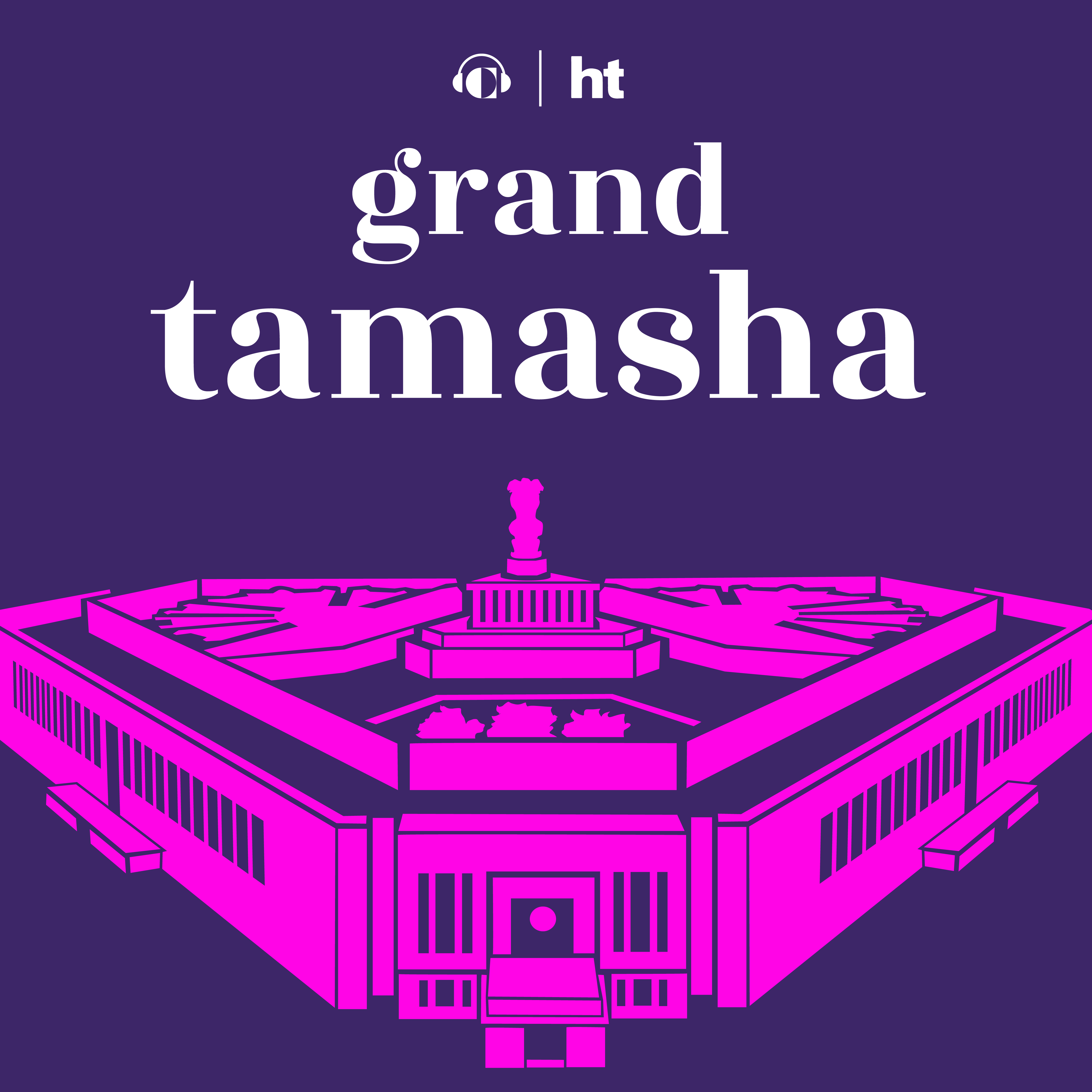
What Rahul Gandhi Wants

Journalist Samanth Subramanian joins Milan Vaishnav to analyze Rahul Gandhi's vision for India and the tensions within the Congress Party.

Link Copied
By Milan Vaishnav and Samanth Subramanian
Published on May 7, 2024

Subscribe on

Apple PodcastsOvercastSpotifyYoutube

The third phase of India’s 44-day long polls took place this week with voting held in 94 constituencies across 12 states. Thus far, the elections have been marked by lower-than-expected turnout, intensifying communal rhetoric, and a sharp debate about inequality and redistribution.

Against this backdrop, the New York Times Magazine recently published an essay by the journalist Samanth Subramanian titled, “Time Is Running Out for Rahul Gandhi’s Vision for India.” The essay was based on a reporting trip in February of this year in which Samanth traveled Uttar Pradesh with Rahul Gandhi, the former president of the Congress Party who remains its most promising face. Samanth is the author of several award-winning books, This Divided Island: Life, Death and the Sri Lankan War and A Dominant Character: The Radical Science and Restless Politics of J.B.S. Haldane. He has also long reported on India and Indian politics.

To talk more about his recent essay, Samanth joins Milan on the podcast this week. On the show, he and Milan discuss Rahul Gandhi’s political vision, the tensions within the Congress Party, and Gandhi’s strengths and weaknesses as a politician. Plus, the two debate the party’s fortunes, its relationship with Muslims, and the Gandhi family legacy.

Episode notes:

1. Rahul Bhattacharya, “Rahul Gandhi is on the march. But where is he heading?” 1843 Magazine, May 2, 2024.

2. Samanth Subramanian, “multi-storied,” Substack newsletter.

3. Bhagi Siva and Samanth Subramanian, “What it takes to live near an elephant herd,” Washington Post, January 21, 2024.

4. Samanth Subramanian, “When the Hindu Right Came for Bollywood,” New Yorker, October 10, 2022.

5. Samanth Subramanian, “How Hindu supremacists are tearing India apart,” Guardian, February 20, 2020.

Hosted by

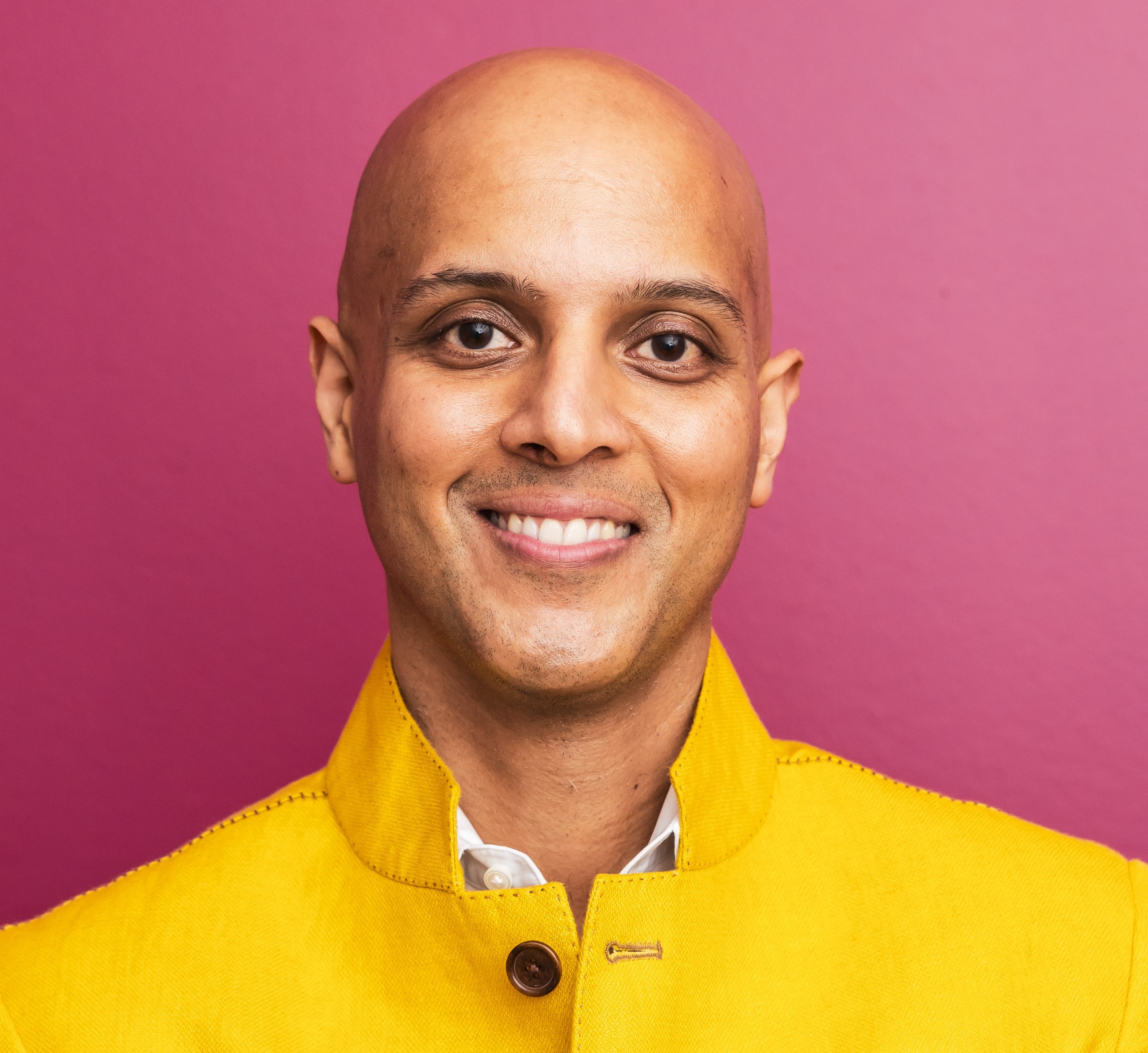
Milan Vaishnav
Director and Senior Fellow, South Asia Program
Milan Vaishnav

Featuring

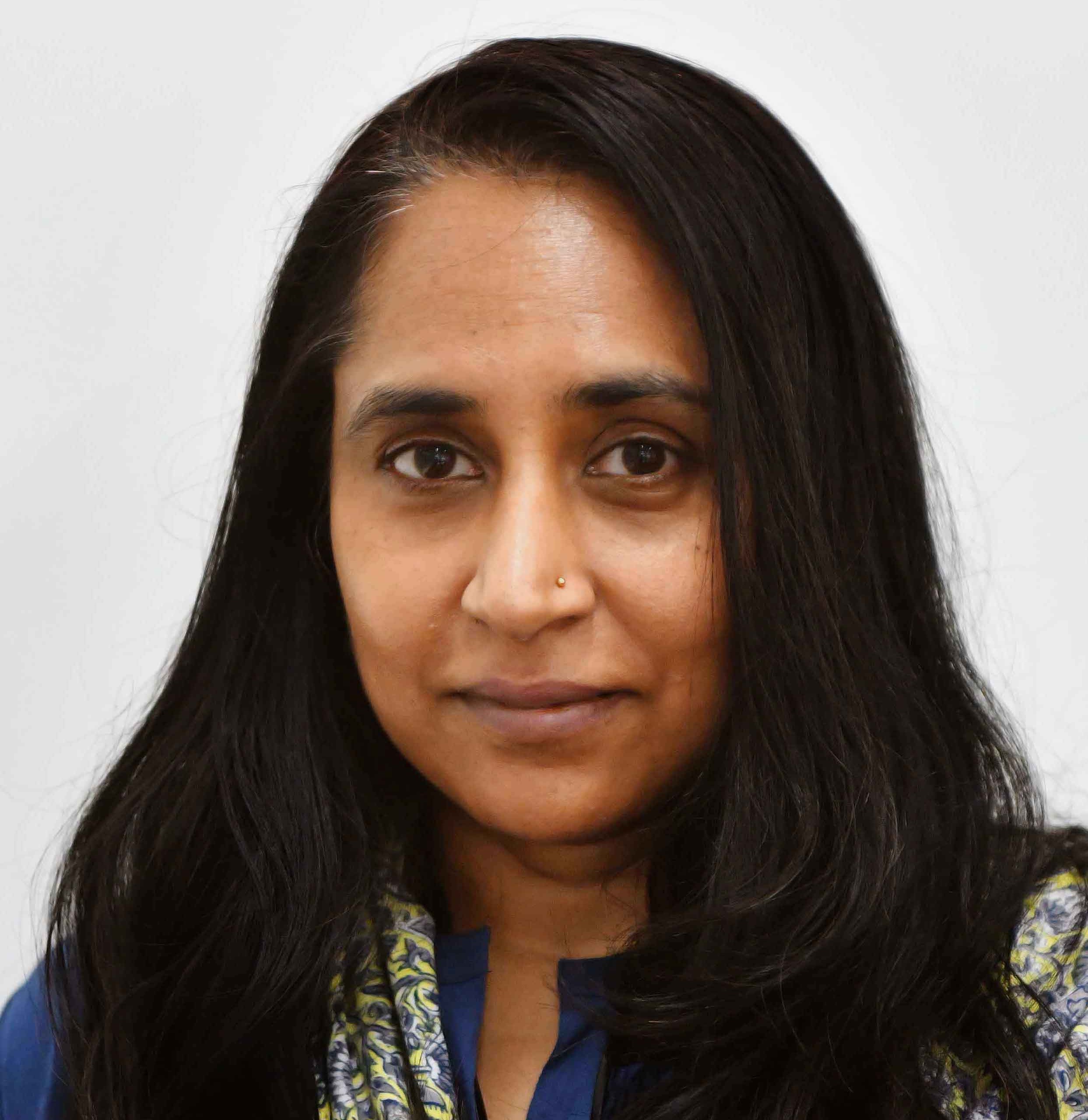
Samanth Subramanian
Journalist

Carnegie does not take institutional positions on public policy issues; the views represented herein are those of the author(s) and do not necessarily reflect the views of Carnegie, its staff, or its trustees.

More Work from Grand Tamasha

  • Podcast Episode
    Episode 300: India, Then and Now

    This week, Milan, Sadanand Dhume, and Tanvi Madan discuss the political fall-out of this summer’s Gen Z protests, the political future of the Cockroach Janata Party (CJP), and the churn within the ruling Bharatiya Janata Party (BJP). 

      Milan Vaishnav, Sadanand Dhume, Tanvi Madan

  • Podcast Episode
    The Three Weeks That Made India

    Josy Joseph joins Milan on the podcast this week to talk about his best-selling new book, The Birth of a Nation: Twenty-One Days That Changed India, which reconstructs the dramatic three weeks leading up to August 15, 1947.

      Milan Vaishnav, Josy Joseph

  • Podcast Episode
    The Truth About India’s Jobs Crisis

    Vidya Mahambare joins Milan on the Season 16 premiere of Grand Tamasha to discuss the economic drivers of the Gen Z protests, the link between unemployment and education, and the futility of the manufacturing versus services debate.

      Milan Vaishnav, Vidya Mahambare

  • Podcast Episode
    The Forgotten Origins of Indian Liberalism

    This week, Rahul Sagar join Milan to discuss his new book The Birth of Indian Liberalism: Mama Parmanand’s Letters to an Indian Raja, which uncovers an older tradition of Indian liberal thought through a remarkable work first published in 1891 and then largely forgotten for more than a century.

      Milan Vaishnav, Rahul Sagar

  • Podcast Episode
    Whose Constitution Is It Anyway?

    This week, Rohit De and Ornit Shani join Milan to discuss their new book Assembling India’s Constitution: A New Democratic History. Drawing on a remarkable range of archival material, the book shows that constitution-making was not confined to the halls of the Constituent Assembly alone.

      Milan Vaishnav, Ornit Shani, Rohit De

Get more news and analysis from
Carnegie Endowment for International Peace
Carnegie global logo, stacked
1779 Massachusetts Avenue NWWashington, DC, 20036-2103Phone: 202 483 7600
  • Research
  • Emissary
  • About
  • Experts
  • Donate
  • Programs
  • Events
  • Blogs
  • Podcasts
  • Contact
  • Annual Reports
  • Careers
  • Privacy
  • For Media
  • Government Resources
Get more news and analysis from
Carnegie Endowment for International Peace
© 2026 Carnegie Endowment for International Peace. All rights reserved.