• Research
  • Emissary
  • About
  • Experts
Carnegie Global logoCarnegie lettermark logo
DemocracyIran
  • Donate
Podcast Episode

Why Washington Is Wooing Pakistan

What's behind the Trump administration's new approach to U.S.-Pakistan relations? Uzair Younus sits down with Milan to discuss the strategy behind Washington's newfound interest in Islamabad.

Link Copied
By Milan Vaishnav and Uzair Younus
Published on Sep 30, 2025

Subscribe on

Apple PodcastsOvercastSpotifyYoutube

Invalid video URL

One of the most surprising developments in Washington, if you’re a South Asia-watcher, is the surprising turn in U.S.-Pakistan relations. Having largely sidelined Pakistan over the past decade or more, the current U.S. administration has courted Pakistan with an enthusiasm that has caught many analysts off-guard.

In June, Trump hosted Pakistan’s army chief, Asim Munir, in the White House. A few weeks later, the White House struck a trade deal with Pakistan that kept the tariff rate at 19 percent, lower even than the 25 percent rate slapped on India. Finally, officials from both sides have been discussing joint ventures in cryptocurrency and critical minerals.

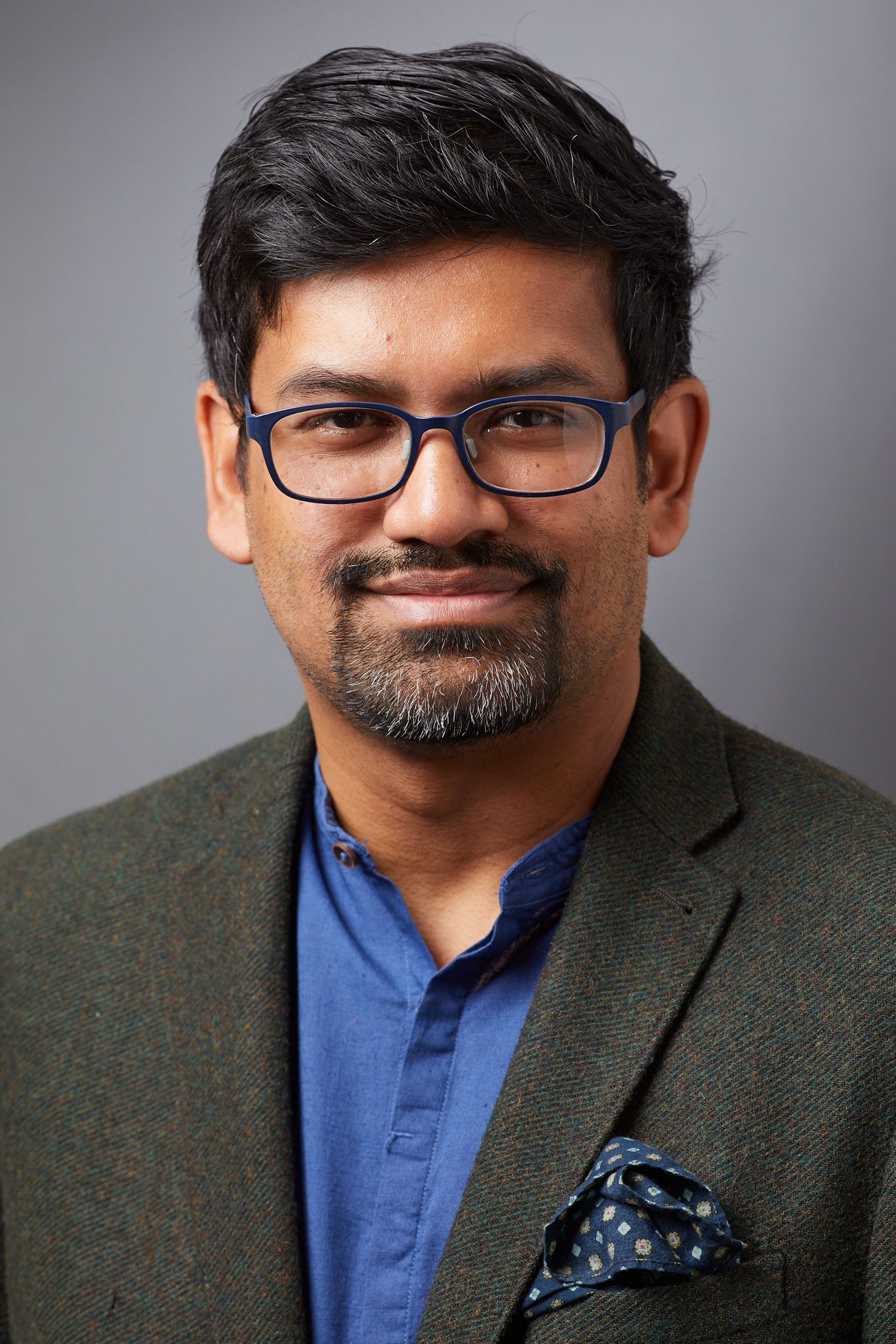
To talk more about the sudden thaw in U.S.-Pakistan ties, Milan is joined on the show this week by Uzair Younus. Uzair is Chief Product Officer at TAG AI, the artificial intelligence-enabled platform developed by The Asia Group.

Prior to joining The Asia Group, Uzair served as Director of the Pakistan Initiative at the Atlantic Council. He’s the host of the podcast, Pakistonomy, a show which gives listeners an accessible way of understanding developments related to the politics, economics, and foreign policy of Pakistan. Uzair is also the author of a new book, Future Ready: Innovation, Abundance And The Global South. 

On this week’s show, the two discuss Washington’s quiet reassessment of Pakistan, the Trump administration’s interest in Pakistan’s critical minerals, and the military lessons of Operation Sindoor. Plus, the two discuss the prospects for India-Pakistan rapprochement and the Trump administration’s interest in mediation. 

Episode notes:

1. Uzair Younus, “The US Is Rethinking the India-Pakistan Dynamic,” The Diplomat, September 3, 2025.

2. Moeed Yusuf, “Why America Should Bet on Pakistan,” Foreign Affairs, September 11, 2025.

3. “How This India-Pakistan Conflict Will Shape the Next One (with Joshua T. White),” Grand Tamasha, May 21, 2025.

4. “Operation Sindoor and South Asia’s Uncertain Future (with Christopher Clary),” Grand Tamasha, May 14, 2025.

5. “Pakistan's Political Earthquake (with Zoha Waseem),” Grand Tamasha, February 14, 2024.

Hosted by

Milan Vaishnav
Director and Senior Fellow, South Asia Program
Milan Vaishnav

Featuring

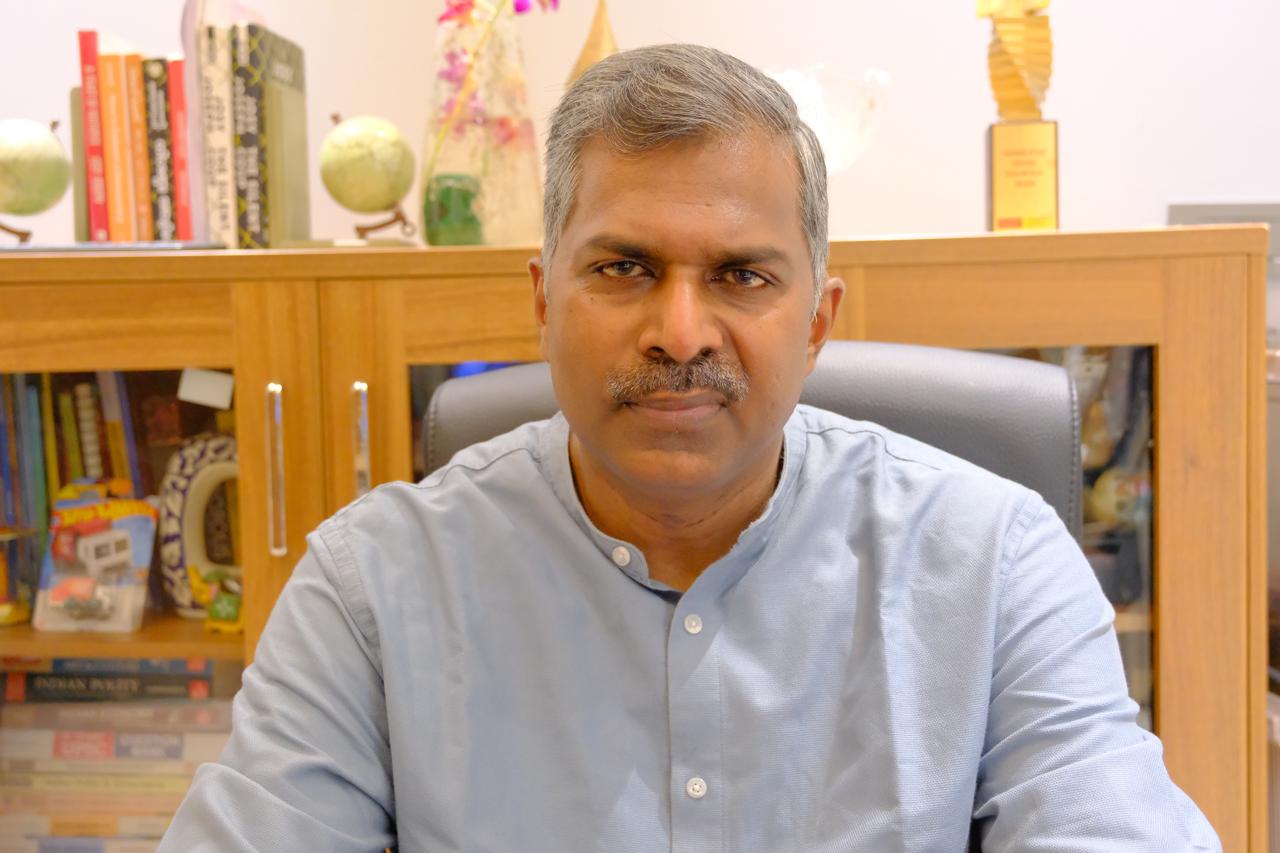
Uzair Younus
Uzair Younus

Carnegie does not take institutional positions on public policy issues; the views represented herein are those of the author(s) and do not necessarily reflect the views of Carnegie, its staff, or its trustees.

More Work from Grand Tamasha

  • Podcast Episode
    Inside Washington: Ami Bera on Shifting U.S.–India Ties

    Over the past two decades, Washington and New Delhi have drawn steadily closer—driven by shared concerns about China, expanding economic ties, and a growing Indian diaspora in the United States. To help us unpack all of this, this week Milan spoke with Congressman Ami Bera in his office on Capitol Hill.

      • Ami Bera

      Milan Vaishnav, Ami Bera

  • Podcast Episode
    India’s AI Moment?

    Just weeks ago, India hosted the 2026 AI Impact Summit, the latest chapter in a global process that began in 2023 in the UK. For the Modi government, the summit was part diplomatic showcase, part investment pitch, and part declaration of ambition. To talk more about the summit and its key takeaways, Milan is joined on the show this week by Anirudh Suri, a nonresident scholar with Carnegie India.

      Milan Vaishnav, Anirudh Suri

  • Podcast Episode
    Populism and the Politics of India’s Foreign Policy

    We tend to think of populist leaders around the world as disruptive. But a new book by scholars Sandra Destradi and Johannes Plagemann argues that the extent of change depends on key factors. Milan and Sandra discuss the definitional debates around populism, the conditional effects of populism on foreign policy, and the reasons for the Modi government’s differential approach to Pakistan and China.

      Milan Vaishnav, Sandra Destradi

  • Podcast Episode
    Europe’s Discovery of India

    Over the past year, Europe–India relations have entered a markedly upbeat phase. What was once a diffuse partnership now looks far more purposeful. To unpack what’s driving this convergence Milan is joined on the show this week by German Marshall Fund senior fellow Garima Mohan to discuss the geopolitical drivers that are bringing the EU and India closer together, Europe’s views on the limits to India’s potential, and the key takeaways from the EU-India FTA.

      Milan Vaishnav, Garima Mohan

  • Podcast Episode
    India’s Return to the Trade Game

    After years of trade skepticism, India appears to be back in the deal-making business—signing new agreements, reviving stalled talks, and announcing ambitious frameworks with key bilateral partners. To help make sense of what’s changed—and what hasn’t—Milan is joined by Mark Linscott, a nonresident senior fellow on India at the Atlantic Council who previously served as the assistant US trade representative for South and Central Asian Affairs from 2016 to 2018.

      • Mark Linscott

      Milan Vaishnav, Mark Linscott

Get more news and analysis from
Carnegie Endowment for International Peace
Carnegie global logo, stacked
1779 Massachusetts Avenue NWWashington, DC, 20036-2103Phone: 202 483 7600Fax: 202 483 1840
  • Research
  • Emissary
  • About
  • Experts
  • Donate
  • Programs
  • Events
  • Blogs
  • Podcasts
  • Contact
  • Annual Reports
  • Careers
  • Privacy
  • For Media
  • Government Resources
Get more news and analysis from
Carnegie Endowment for International Peace
© 2026 Carnegie Endowment for International Peace. All rights reserved.