• Research
  • Emissary
  • About
  • Experts
Carnegie Global logoCarnegie lettermark logo
Democracy
  • Donate
Podcast Episode
Carnegie India

Bridging East and West: India’s Pursuit of Stability Amid China, Russia, and U.S. Dynamics

In this episode of Interpreting India, host Rudra Chaudhuri engages in an in-depth conversation with Vijay Gokhale and D. B. Venkatesh Varma on India’s evolving diplomatic landscape amid complex global shifts. They discuss recent developments in India-China relations, including limited re-engagement efforts along the border following the BRICS Summit.

Link Copied
By Rudra Chaudhuri, Vijay Gokhale, D. B. Venkatesh Varma
Published on Oct 31, 2024

Subscribe on

SpotifyApple PodcastsAmazon MusicYoutube
Project hero Image

Project

Security Studies

India’s evolving role in regional and global security is shaped by complex dynamics. Experts in the Security Studies Program examine India’s position in this world order through informed analyses of its foreign and security policies, focusing on the relationship with China, the securitization of borders, and the geopolitics of the Indo-Pacific. 

Learn More

Episode Summary

In this episode of Interpreting India, host Rudra Chaudhuri engages in an in-depth conversation with Vijay Gokhale and D. B. Venkatesh Varma on India’s evolving diplomatic landscape amid complex global shifts. They discuss recent developments in India-China relations, including limited re-engagement efforts along the border following the BRICS Summit. The conversation also covers India’s diplomatic positioning in the Russia-Ukraine conflict and its expanding partnership with the United States, especially as the U.S. gears up for upcoming elections. Our guests offer insights into India’s approach to multipolarity, its relationship with China, and the importance of building stronger partnerships with other global powers.

Episode Notes

This episode unpacks several key issues that shape India’s role on the global stage. As India navigates the path to re-establishing stability along its contested border with China, Gokhale and Varma analyze what the recent BRICS Summit outcomes and new patrolling agreements mean for India-China relations. They also explore the broader implications of India’s balancing act between the U.S. and Russia, especially in the context of the Ukraine crisis and India’s role as a potential communicator.

The conversation touches on India's long-term approach to its partnership with the U.S., considering the upcoming U.S. elections and shared interests in technology and energy. Additionally, our experts reflect on the complexities of India-China economic integration, highlighting the need to manage dependencies in critical sectors while building alternative supply chains. Together, these insights provide a nuanced perspective on India's diplomatic strategies in an increasingly multipolar world.

Episode Contributors

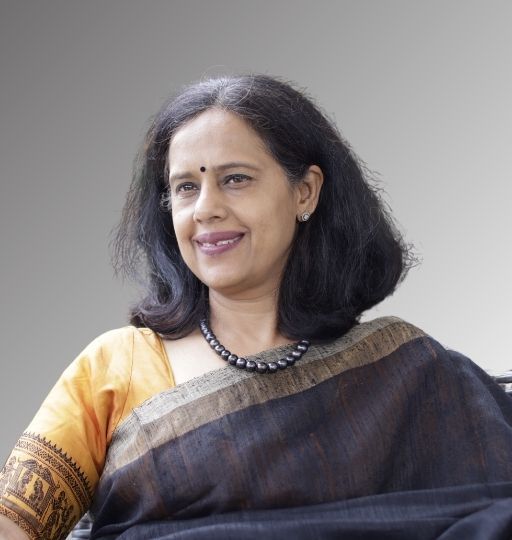
Vijay Gokhale is a nonresident senior fellow at Carnegie India and a former Indian Foreign Secretary. He has served as India’s ambassador to China and Germany, with extensive expertise in Indo-Pacific affairs, Chinese politics, and diplomacy.

D.B. Venkatesh Varma is a distinguished fellow at the Vivekananda International Foundation and has served as India’s ambassador to Russia and the Conference on Disarmament in Geneva. He brings deep experience in India’s security and defense policies.

Additional Readings

Stabilizing the Border: A Possible Way Ahead in the Post-Galwan Situation by Vijay Gokhale

A Conversation with His Excellency Dr. S. Jaishankar, India’s External Affairs Minister by Mariano-Florentino (Tino) Cuéllar

Crosswinds: Nehru, Zhou and the Anglo-American Competition over China by Vijay Gokhale

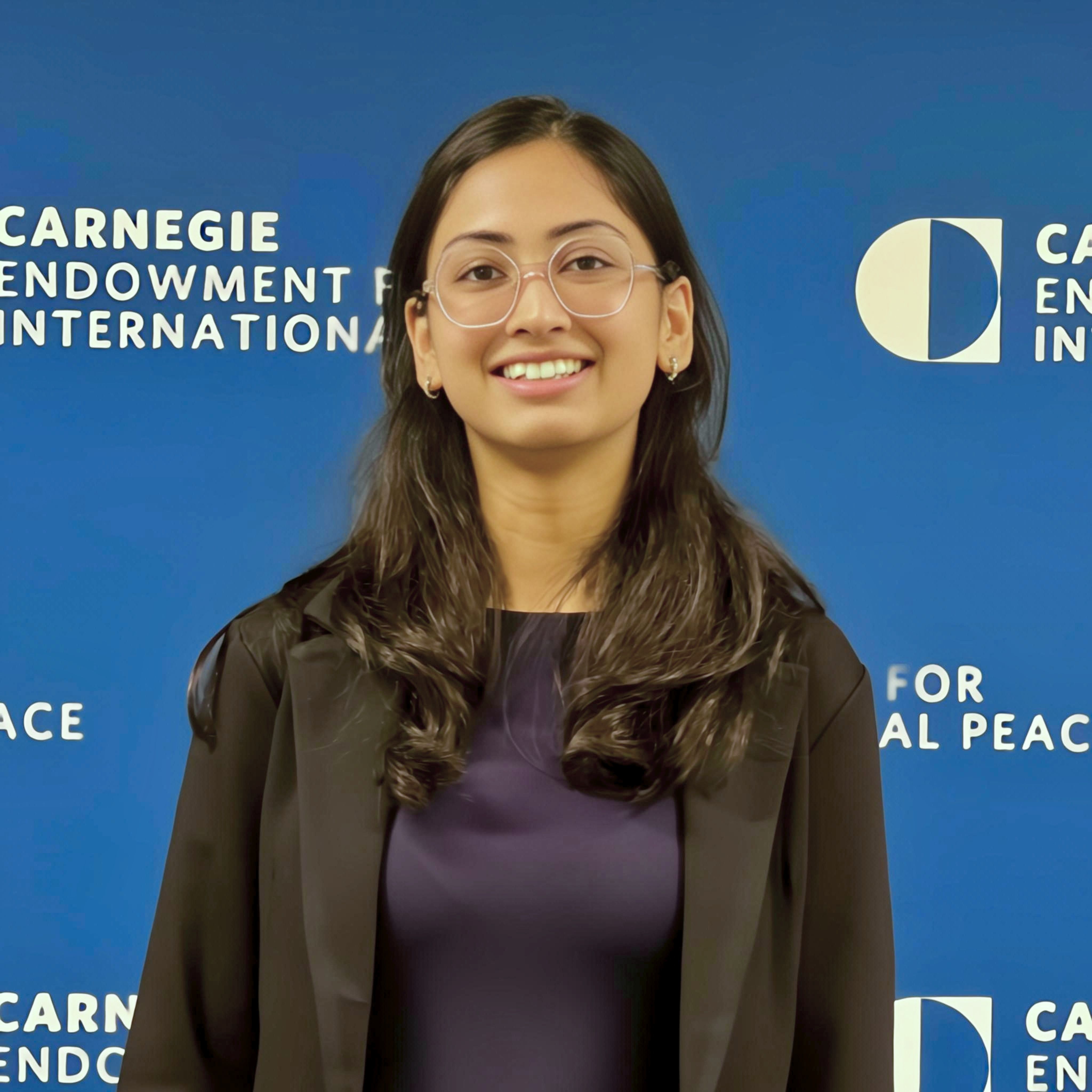
Hosted by

Rudra Chaudhuri
Former Director, Carnegie India
Rudra Chaudhuri

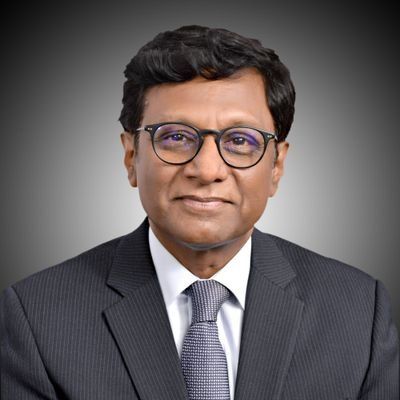
Featuring

Vijay Gokhale
Nonresident Senior Fellow, Carnegie India
Vijay Gokhale
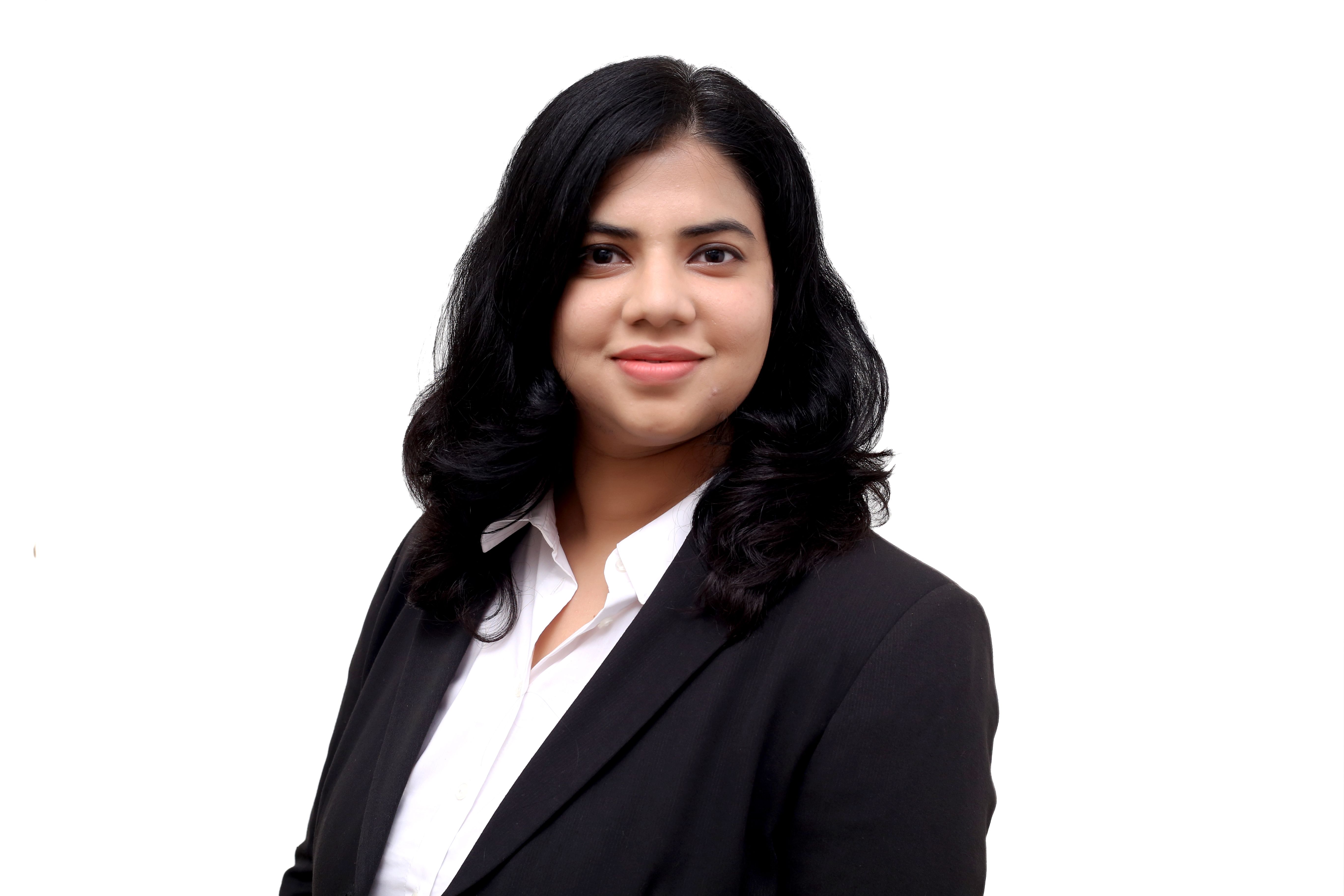
D. B. Venkatesh Varma
Distinguished Fellow, Vivekananda International Foundation
D. B. Venkatesh Varma

Carnegie does not take institutional positions on public policy issues; the views represented herein are those of the author(s) and do not necessarily reflect the views of Carnegie, its staff, or its trustees.

More Work from Interpreting India

  • Podcast Episode
    Deciphering the “Mother of All Trade Deals”: The India–EU FTA

    In this episode of Interpreting India, Dinakar Peri is joined by Mohan Kumar, former Indian Ambassador to France and a veteran trade negotiator, to unpack the newly concluded India–EU Free Trade Agreement and why he describes it as the “mother of all trade deals” for India. Kumar explains why the agreement is strategically significant, why the timing matters, and what it signals about India’s trade posture, competitiveness, and broader alignment between trade, technology, and security.

      Dinakar Peri, Mohan Kumar

  • Podcast Episode
    AI Adoption Journey for Population Scale: The UCAF Framework

    In this episode of Interpreting India, Nidhi Singh is joined by Shalini Kapoor, chief strategist for Data and AI at the EkStep Foundation, and Tanvi Lall, director for strategy at People+ai. They unpack why so many AI initiatives get stuck after impressive demos, and what it takes to move from pilots to real, sustained adoption. Drawing on research spanning 1,000+ use cases across 25 countries, the guests introduce the Use Case Adoption Framework (UCAF) and explain how India can translate AI ambition into population-scale impact—especially across public services, agriculture, health, and other high-priority sectors.

      Nidhi Singh, Shalini Kapoor, Tanvi Lall

  • Podcast Episode
    Scarcity, Sovereignty, Strategy: Mapping the Political Geography of AI Compute

    In this episode of Interpreting India, Adarsh Ranjan is joined by Zoe Jay Hawkins, co-founder and deputy executive director of the Tech Policy Design Institute. They explore the evolving idea of AI sovereignty, the geopolitics of compute, and how countries are navigating access to the foundational infrastructure that powers artificial intelligence. Drawing from her research at the Oxford Internet Institute, Zoe unpacks the political geography of AI compute, the rising concentration of AI chips and data centers, and what this means for both developed and developing economies.

      Adarsh Ranjan, Zoe Jay Hawkins

  • Podcast Episode
    Cybersecurity in Outer Space: A Growing Concern

    In this episode of Interpreting India, host Tejas Bharadwaj is joined by P. J. Blount, an assistant professor of space law at Durham University. Together, they delve into the critical topic of cybersecurity in outer space, exploring the challenges and implications of protecting space-based assets amidst rising geopolitical tensions and technological advancements. Blount shares insights from his extensive research in international space law and cyberspace governance, highlighting the complexities of legal attribution and the evolving landscape of space security.

      Tejas Bharadwaj, P. J. Blount

  • Podcast Episode
    Unbundling AI Openness: Beyond the Binary

    In this episode of Interpreting India, host Shruti Mittal speaks with Chinmayi Sharma, associate professor of law at Fordham Law School. Together, they explore the evolving and often misunderstood debate on openness in artificial intelligence. Drawing from her forthcoming paper, Unbundling AI Openness, in the Wisconsin Law Review, Sharma explains why the traditional “open versus closed” framing oversimplifies the reality of modern AI development.

      Shruti Mittal, Chinmayi Sharma

Get more news and analysis from
Carnegie Endowment for International Peace
Carnegie global logo, stacked
1779 Massachusetts Avenue NWWashington, DC, 20036-2103Phone: 202 483 7600Fax: 202 483 1840
  • Research
  • Emissary
  • About
  • Experts
  • Donate
  • Programs
  • Events
  • Blogs
  • Podcasts
  • Contact
  • Annual Reports
  • Careers
  • Privacy
  • For Media
  • Government Resources
Get more news and analysis from
Carnegie Endowment for International Peace
© 2026 Carnegie Endowment for International Peace. All rights reserved.