

Podcast Episode
Brian Merchant on the Industrial Revolution’s failures, how AI undercuts workers, and the social order of technology.
Jon Bateman, Brian Merchant
Cyberattacks can be as debilitating and dangerous as conventional warfare — particularly in the financial sector. Tom Carver discussed the threat with Michael Chertoff, former U.S. Secretary of homeland security, and Tim Maurer, co-director of Carnegie’s Cyber Policy Initiative. (Runtime - 21:22)
Last year, hackers used malware to steal $101 million remotely from a Bangladesh bank from thousands of miles away. Cyberattacks can be as debilitating and dangerous as conventional warfare — particularly in the financial sector, where a single attack could cripple or disrupt global financial systems. This kind of cyber-attack is emerging as a new frontier of potential conflict between nations. Yet there are no norms or policies governing the prevention of cyber financial attacks. So how can countries work together to prevent attacks on financial markets and institutions from rogue nations, and even non-state actors? Tom Carver discussed the threat with Michael Chertoff, former U.S. Secretary of homeland security, and Tim Maurer, co-director of Carnegie’s Cyber Policy Initiative.
Michael Chertoff is the co-founder and executive chairman of the Chertoff Group. He served as Secretary of the U.S. Department of Homeland Security from 2005 to 2009.
Tim Maurer is a fellow at the Carnegie Endowment for International Peace and co-directs its Cyber Policy Initiative. He is currently writing a book on cybersecurity and proxy actors.
Carnegie does not take institutional positions on public policy issues; the views represented herein are those of the author(s) and do not necessarily reflect the views of Carnegie, its staff, or its trustees.
Brian Merchant on the Industrial Revolution’s failures, how AI undercuts workers, and the social order of technology.

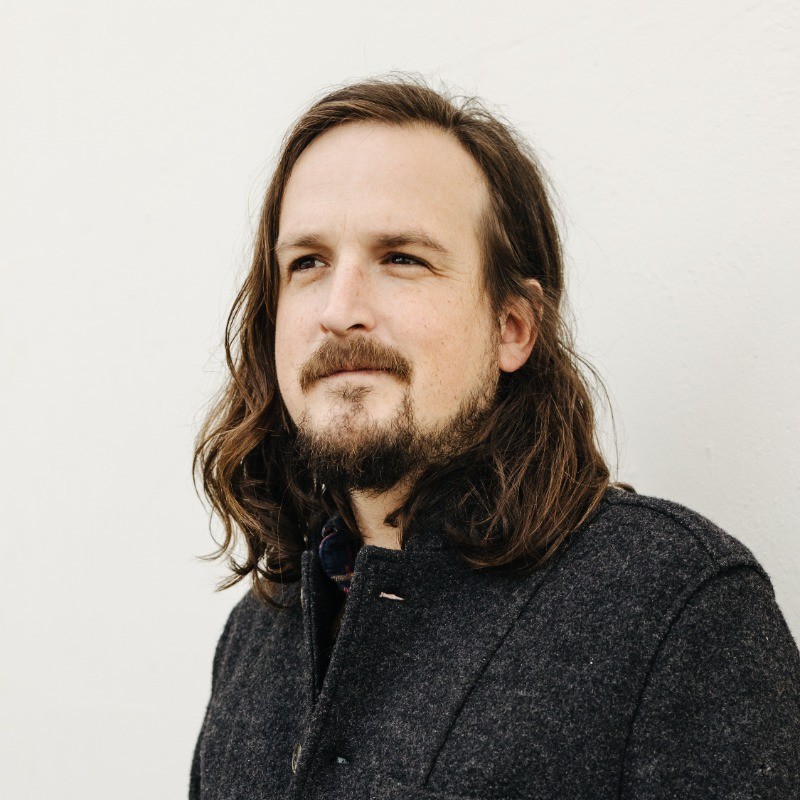
Jon Bateman, Brian Merchant

The missing context that shows how AI isn’t the resource hog everyone thinks it is – with Andy Masley.

Jon Bateman, Andy Masley
Sophia Besch games out NATO’s future, Baltic scenarios, German rearmament, and Europe’s next way of war.

Jon Bateman, Sophia Besch
James Acton gives 50% odds of an Iranian nuke in 3 years and tells U.S. negotiators what to prioritize.

Jon Bateman, James M. Acton
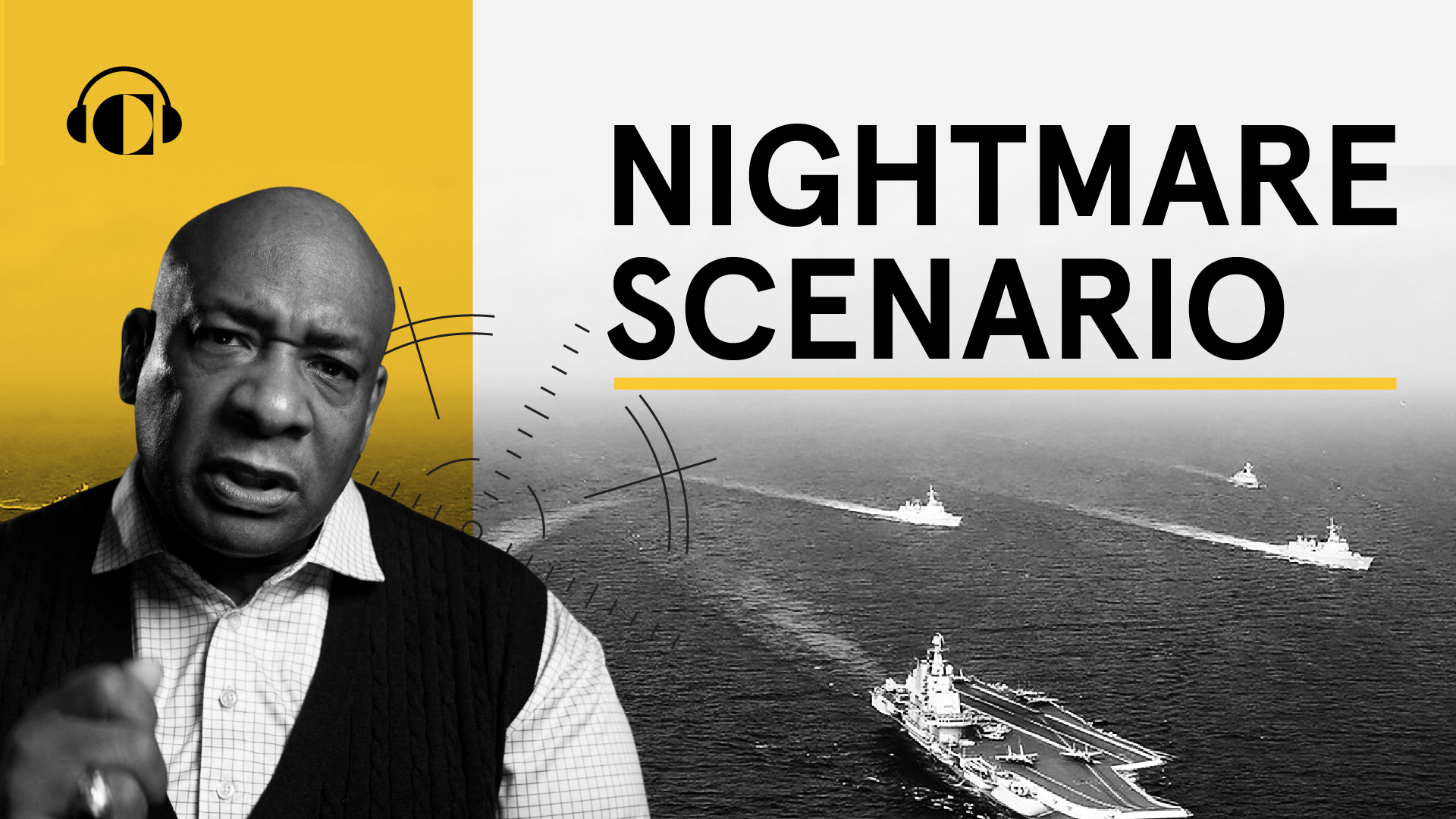
A U.S.-China war over Taiwan would be catastrophic for all sides and the world. Preventing such a war requires understanding how it might unfold—from start to finish—including worst-case scenarios.
Jon Bateman, Charles Hooper