

In The Media
Michele Dunne, Robert Kagan
{
  "authors": [
    "Robert Kagan"
  ],
  "type": "legacyinthemedia",
  "centerAffiliationAll": "",
  "centers": [
    "Carnegie Endowment for International Peace"
  ],
  "collections": [],
  "englishNewsletterAll": "",
  "nonEnglishNewsletterAll": "",
  "primaryCenter": "Carnegie Endowment for International Peace",
  "programAffiliation": "",
  "programs": [],
  "projects": [],
  "regions": [],
  "topics": [
    "Foreign Policy"
  ]
}
REQUIRED IMAGE
Source: Carnegie
Reprinted from the Weekly Standard, March 1, 1999
It's testing time again for the United States and its NATO allies. As this magazine goes to press, Yugoslav president Slobodan Milosevic is continuing to reject a U.S. plan to put NATO troops in Kosovo to keep the peace and give the Kosovar Albanians a chance for real autonomy. With this weekend's deadline for an agreement approaching, the Clinton administration is ostentatiously sending more military aircraft to the region and stepping up its threats to carry out airstrikes. Whether those threats are credible, however, remains questionable -- as always. Russian president Boris Yeltsin is vigorously opposing any military action, and the French government seems likely to demand another extension of the deadline. As a result, Clinton officials are making desperate and debasing pilgrimages to Sultan Slobodan, carrying ever more enticing gifts to persuade him to change his mind -- maybe a few thousand more Serb troops will Serb troops will be allowed to remain in Kosovo, perhaps some sanctions will be lifted. They're even modifying the autonomy agreement in ways that damage the interests of the Kosovar Albanians. Milosevic, playing Washington and its allies like a fiddle, is winning NATO concessions free of charge.
Meanwhile, back inside the Beltway, Republican House members are muddling towards a vote against the deployment of American troops in Kosovo, which will go a long way toward confirming charges -- heretofore unfair, in our view -- that the Republican party is veering toward neo-isolationism. In any event, the practical effect of Republican opposition will be to reinforce Milosevic's conviction that NATO, and particularly the United States, does not have the stomach to take him on.
It's hard to see all of this ending well. An agreement that lets Milosevic keep thousands of troops in Kosovo, including his goons dressed up as "police" and "administrators," an agreement that rewards Milosevic by lifting sanctions and that treats him, once again, as the solution to the Balkan problem rather than the cause -- such an agreement may well be worse than no agreement at all.
The truth is, the Clinton administration at this point should not be negotiating with Milosevic. The United States put a workable plan on the table, the Kosovar Albanians basically accepted it, and Milosevic did not. That is where the talking should have ended and the bombing begun. Senior U.S. military officials believe that a sustained air campaign against Milosevic's military could go a long way toward undermining his grip on power in Belgrade. It would also pretty much put an end to the Serb military presence in Kosovo. That outcome strikes us as a lot more attractive than making more concessions to Milosevic. At the end of the day, the only hope for a lasting peace in the Balkans and, for that matter, for the eventual withdrawal of U.S. troops from the region is the removal of Milosevic from power and his replacement by a democratic government.
That should be the overriding goal of the Clinton administration. Perhaps the Republicans can help push Clinton to such a policy, instead of worrying about exit strategies. Above all, though, it will not do for congressional Republicans to treat the Kosovar Albanians, Chamberlain-style, as a far-away people of whom we know nothing. The U.S. intervention in Bosnia, which many Republicans foolishly opposed, has worked out much better than they predicted. That progress, however, will be undermined if the United States cuts and runs in this latest instance of Milosevic's thuggery. Republicans can be proud that they led the drive to revitalize the NATO alliance by expanding it to three new states. But what will it mean to have expanded NATO last year, only to eviscerate it now?
And make no mistake: If a decent agreement is struck that grants Kosovo autonomy and limits Milosevic's ability to cause trouble, and the United States declines to participate in a NATO operation to enforce that agreement, then the alliance will be severely and perhaps irreparably damaged. Is that the legacy Republicans want to carry with them into the 2000 election?
What Republicans should do is press the Clinton administration to achieve a sound agreement -- to stop making concessions to Milosevic, to stop threatening airstrikes, and to start a punishing air campaign that does real damage to Serbia's military infrastructure. Ultimately, U.S. policy should seek to drive Milosevic from power. For now, we should force Milosevic to capitulate and allow Kosovo its autonomy. Republicans should then make good on their oft-expressed commitment to the NATO alliance, and to U.S. leadership of that alliance, and support the deployment of U.S. troops in Kosovo.

Former Senior Associate
Kagan, author of the recent book, The Return of History and the End of Dreams (Knopf 2008), writes a monthly column on world affairs for the Washington Post and is a contributing editor at both the Weekly Standard and the New Republic.
Recent Work

Michele Dunne, Robert Kagan
Robert Kagan, Michele Dunne
Carnegie does not take institutional positions on public policy issues; the views represented herein are those of the author(s) and do not necessarily reflect the views of Carnegie, its staff, or its trustees.
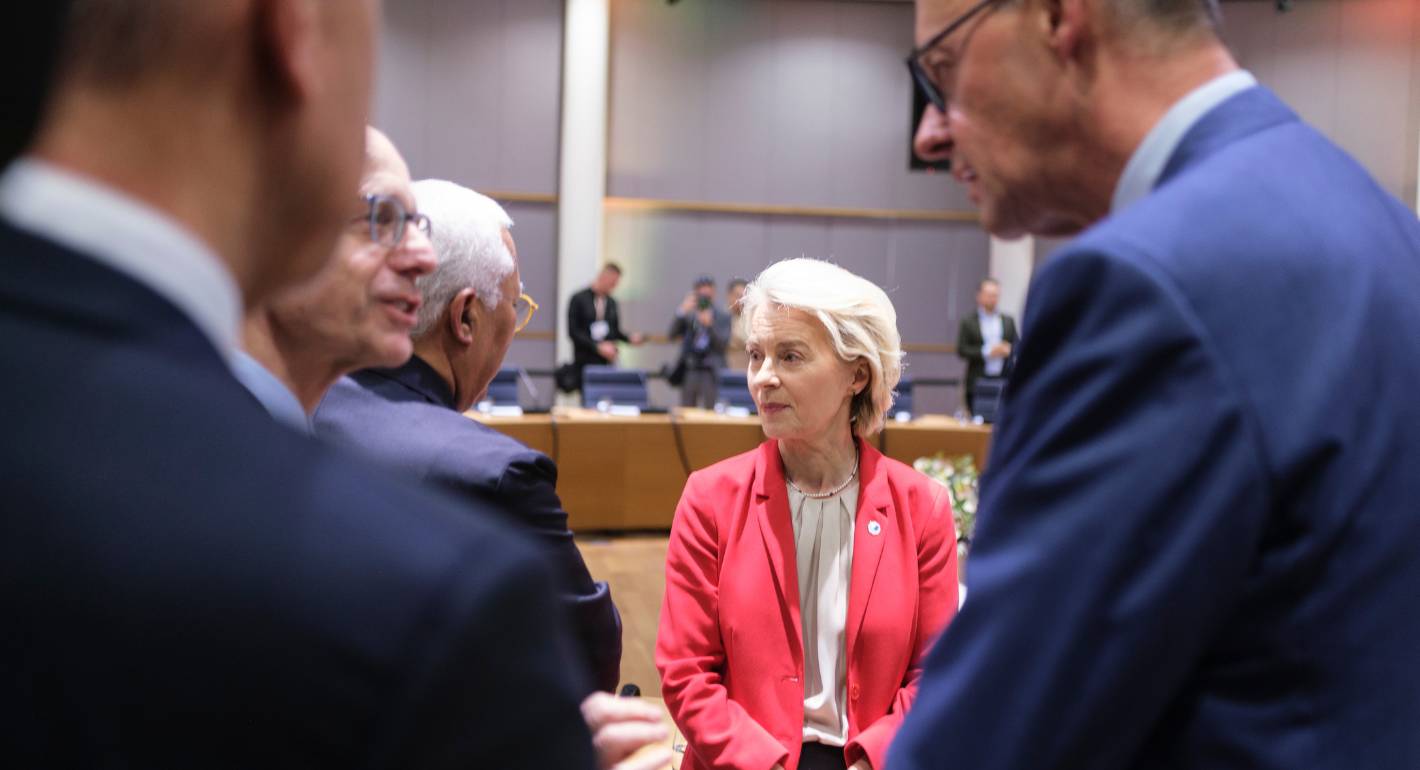
The war in Iran proves the United States is now a destabilizing actor for Europe and the Arab Gulf. From protect their economies and energy supplies to safeguarding their territorial integrity, both regions have much to gain from forming a new kind of partnership together.

Rym Momtaz
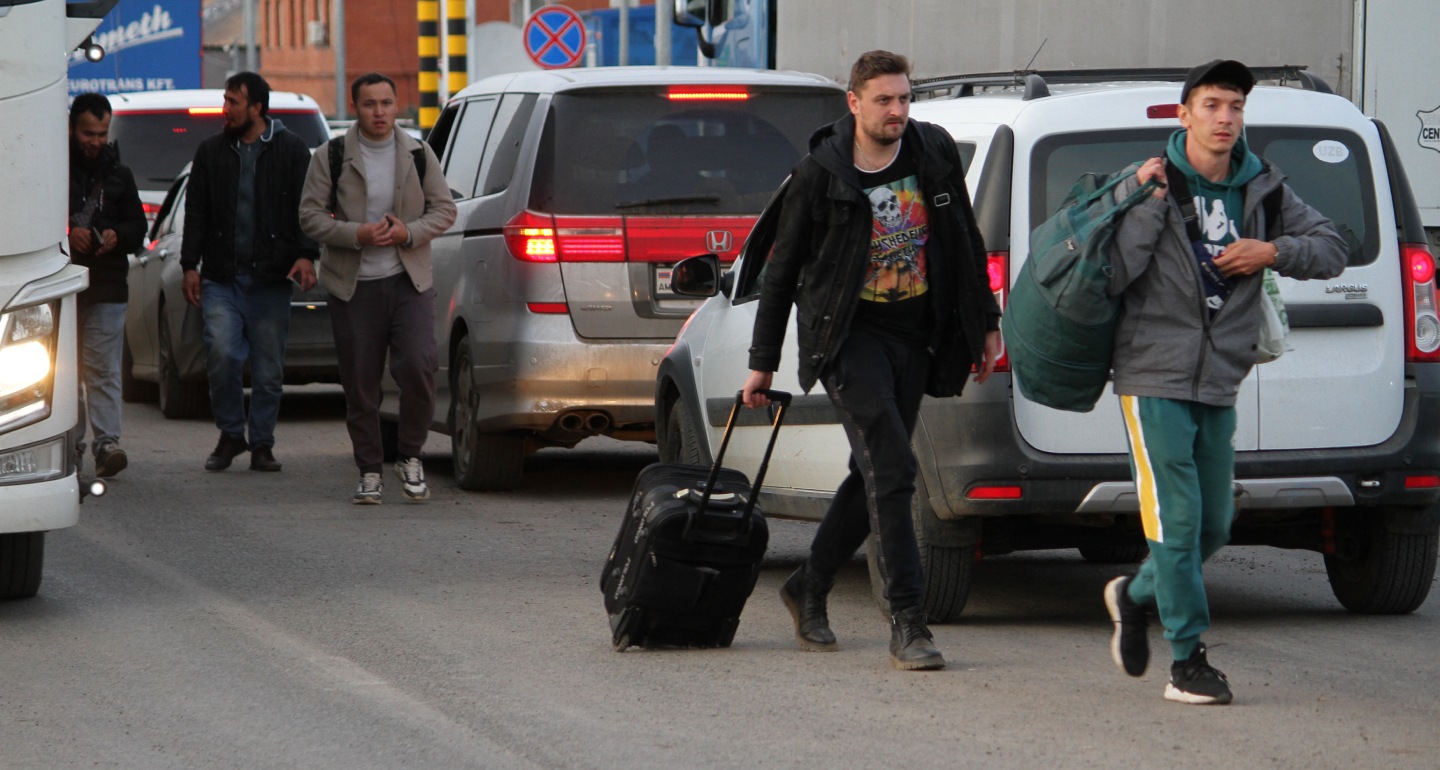
The current U.S. indifference to human rights means Astana no longer has any incentive to refuse extradition requests from its authoritarian neighbors—including Russia.

Temur Umarov
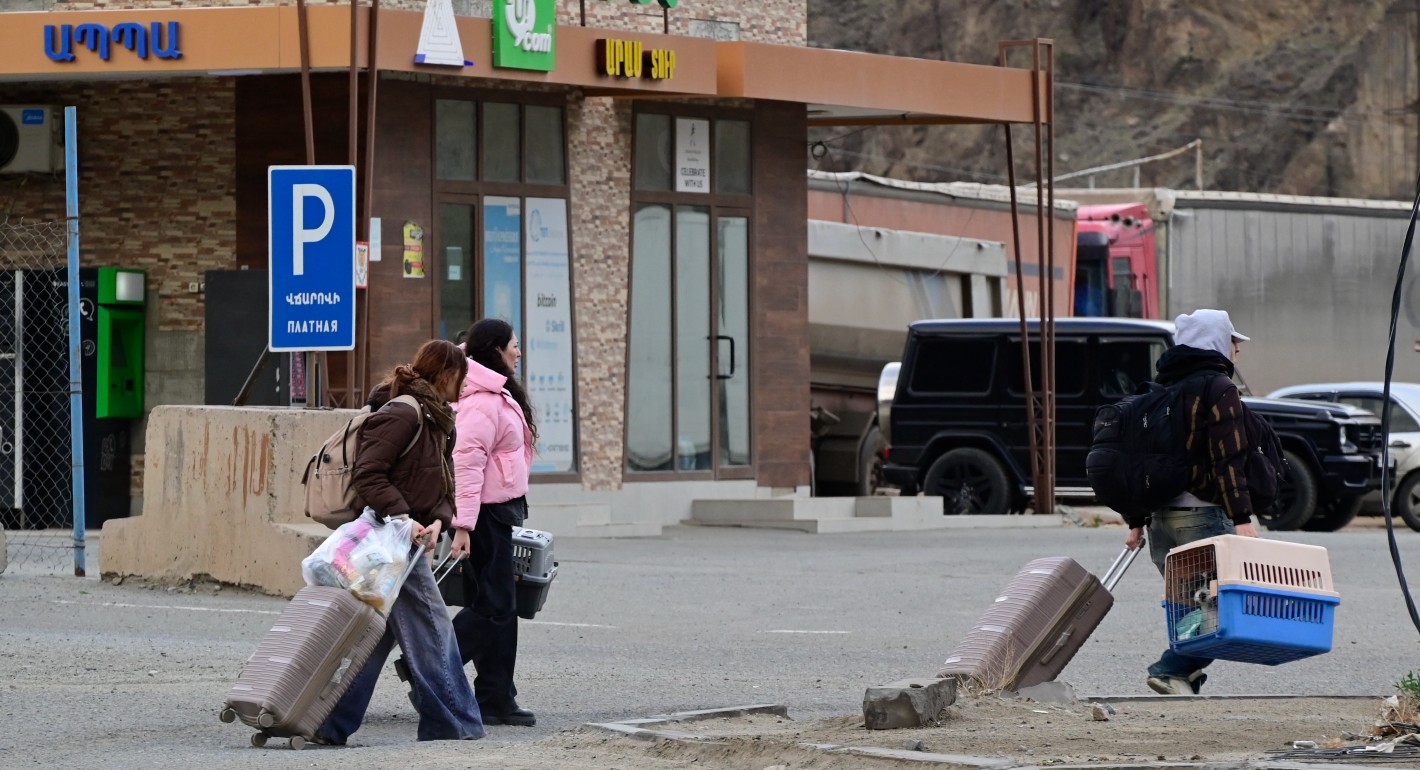
The conflict is threatening stability in Armenia and Azerbaijan.

Zaur Shiriyev

The conflict is exposing the deep energy vulnerabilities of Korea’s chip industry.


Darcie Draudt-Véjares, Tim Sahay
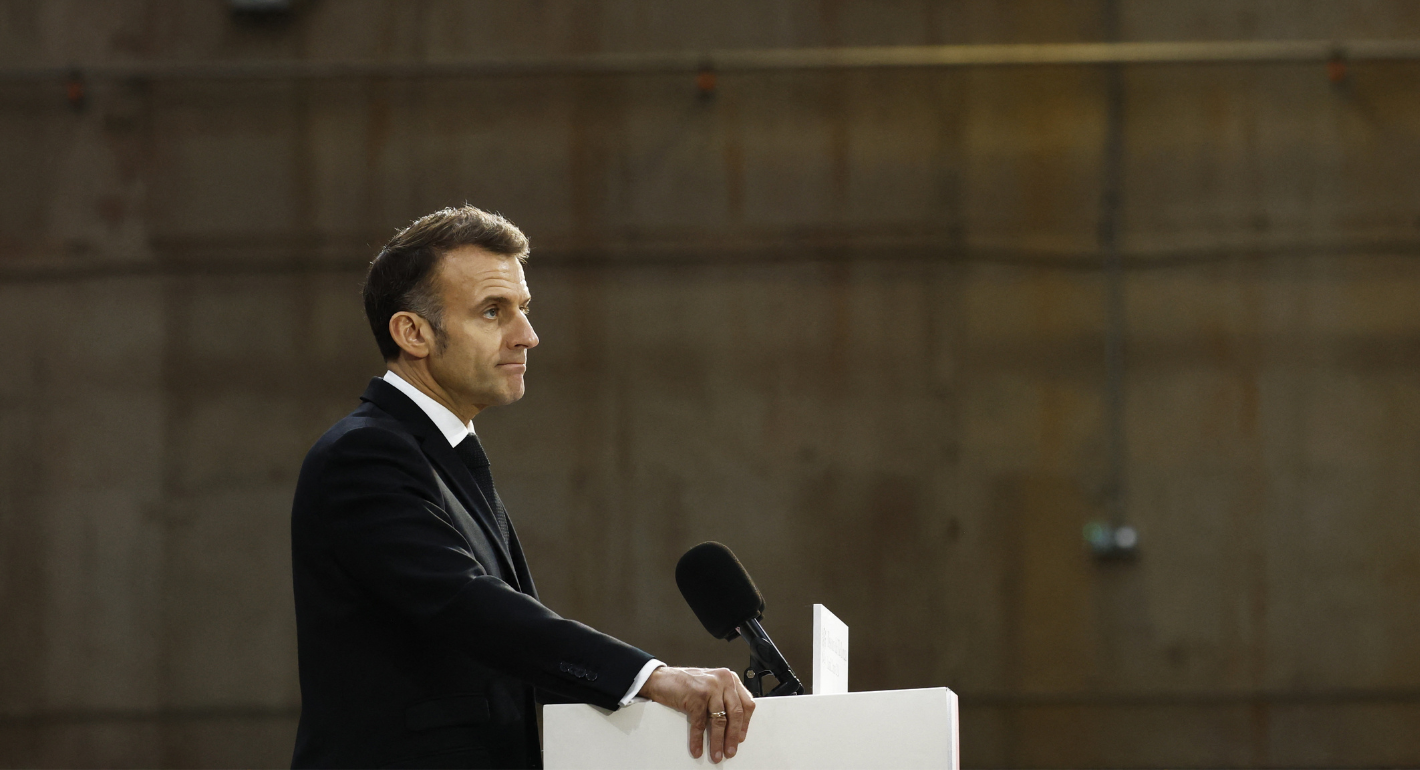
French President Emmanuel Macron has unveiled his country’s new nuclear doctrine. Are the changes he has made enough to reassure France’s European partners in the current geopolitical context?
Rym Momtaz, ed.