

Commentary
Spot analysis from Carnegie scholars on events relating to the Middle East and North Africa.
Yezid Sayigh
{
  "authors": [
    "Robert Kagan",
    "Michele Dunne"
  ],
  "type": "commentary",
  "centerAffiliationAll": "dc",
  "centers": [
    "Carnegie Endowment for International Peace"
  ],
  "collections": [],
  "englishNewsletterAll": "menaTransitions",
  "nonEnglishNewsletterAll": "",
  "primaryCenter": "Carnegie Endowment for International Peace",
  "programAffiliation": "MEP",
  "programs": [
    "Middle East"
  ],
  "projects": [],
  "regions": [
    "Middle East",
    "North Africa",
    "Egypt"
  ],
  "topics": [
    "Political Reform",
    "Democracy"
  ]
}
REQUIRED IMAGE
Egyptian parliamentary elections later this year and an imminent presidential succession will play an enormous role in determining whether one of the Arab world’s most important states and one of America's most crucial allies undergoes long overdue political, economic, and social reforms.
Egypt is nearing a critical turning point. Parliamentary elections later this year and an imminent presidential succession will play an enormous role in determining whether one of the Arab world’s most important states and one of America's most crucial allies undergoes long overdue political, economic, and social reforms.
The Working Group on Egypt, a nonpartisan group of experts from Washington’s leading think tanks and advocacy organizations, attended a closed-door staff briefing hosted by the office of Sen. Jeanne Shaheen. Michele Dunne of the Carnegie Endowment and Robert Kagan of the Brookings Institution addressed the current state of play in Egypt, how the coming elections will impact the U.S.-Egyptian relationship, and outlined the policy options available to members of Congress.

Former Senior Associate
Kagan, author of the recent book, The Return of History and the End of Dreams (Knopf 2008), writes a monthly column on world affairs for the Washington Post and is a contributing editor at both the Weekly Standard and the New Republic.

Former Nonresident Scholar, Middle East Program
Michele Dunne was a nonresident scholar in Carnegie’s Middle East Program, where her research focuses on political and economic change in Arab countries, particularly Egypt, as well as U.S. policy in the Middle East.
Carnegie does not take institutional positions on public policy issues; the views represented herein are those of the author(s) and do not necessarily reflect the views of Carnegie, its staff, or its trustees.
Spot analysis from Carnegie scholars on events relating to the Middle East and North Africa.

Yezid Sayigh
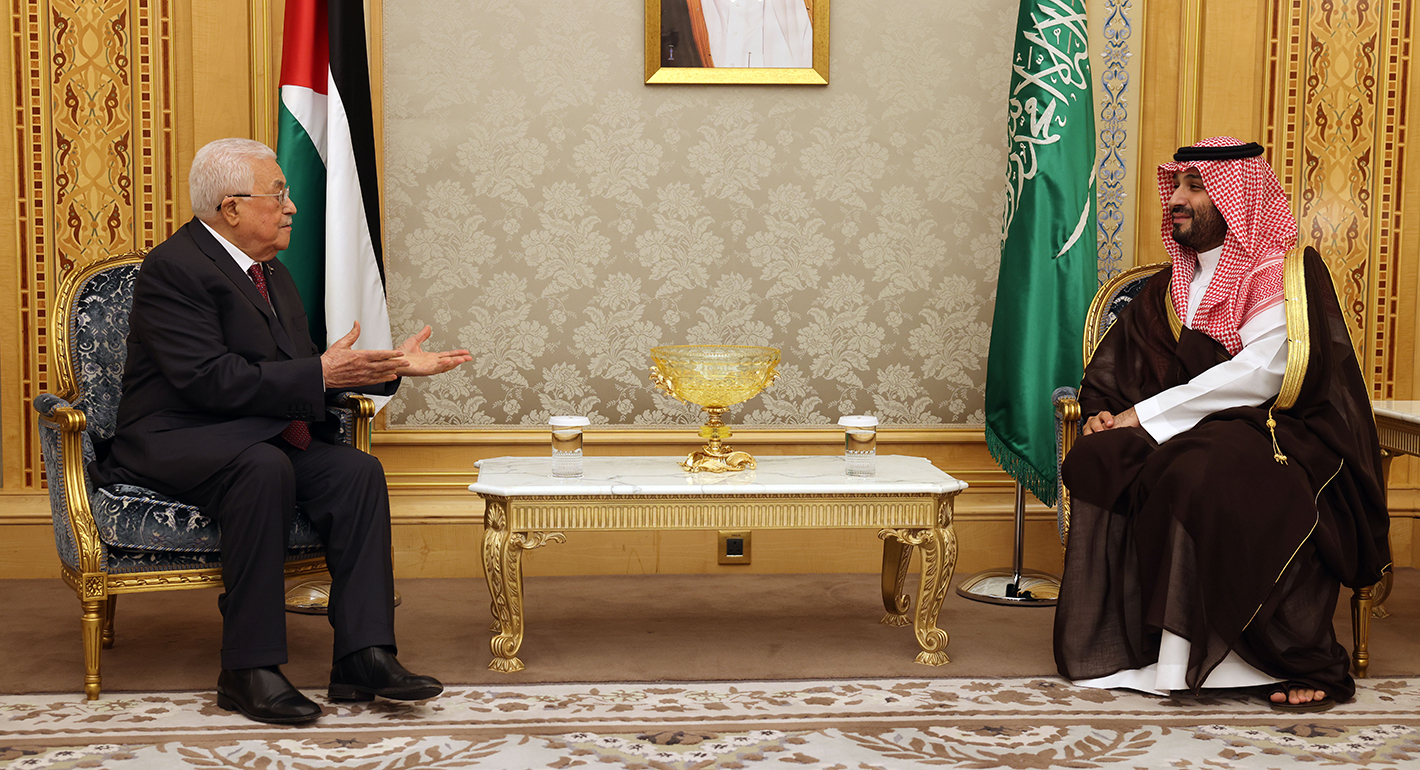
The U.S. midterm elections signal the opening of a narrow window for bold Saudi diplomacy on Palestine.

Andrew Leber, Zaha Hassan

China’s political future will be shaped between now and next October. As the Communist Party enters its intense “campaign season” to prepare for a major political transition in 2027, reading Beijing's actions and responses may become more difficult as domestic politics weigh on its behavior more than usual.

Damien Ma
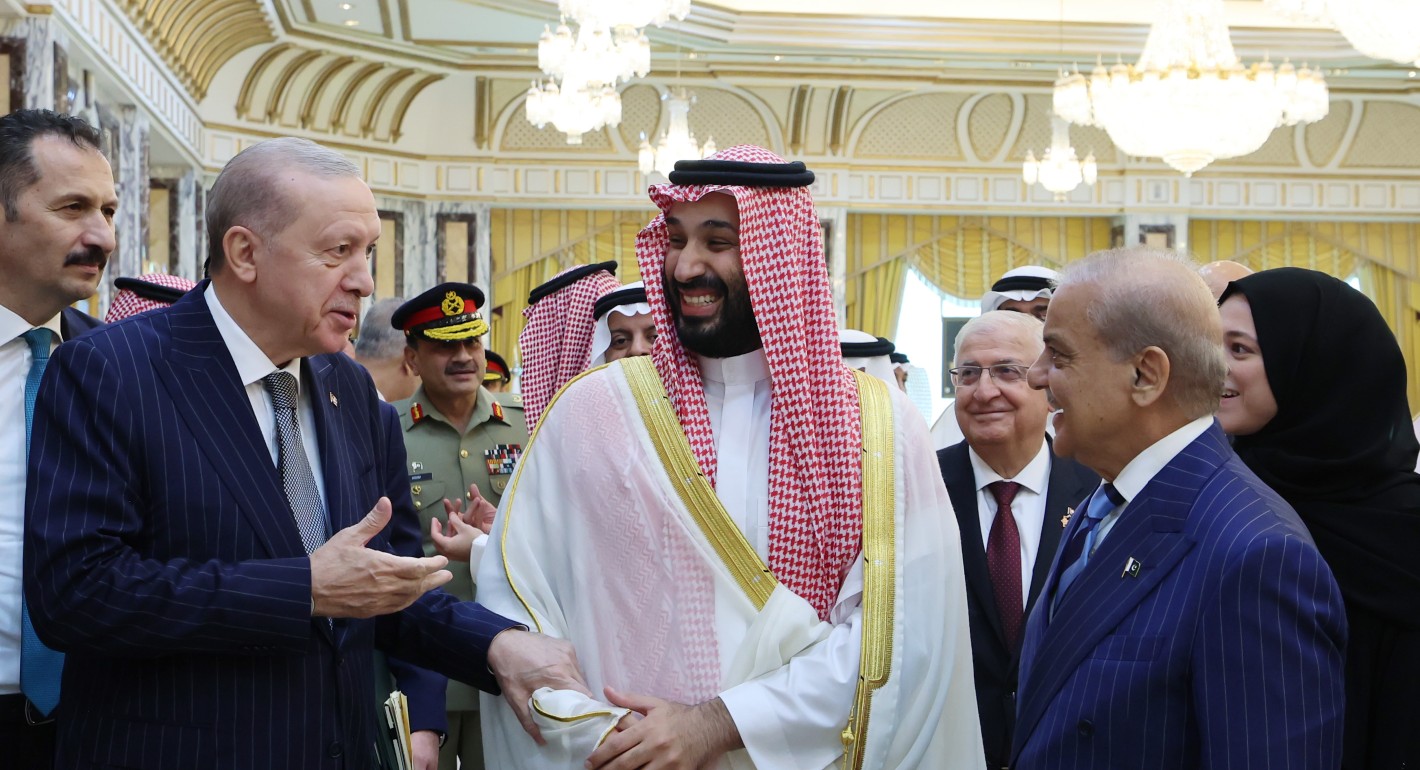
Why Pakistan, Saudi Arabia, and Turkey are joining forces on regional security.


Alper Coşkun, Amr Hamzawy
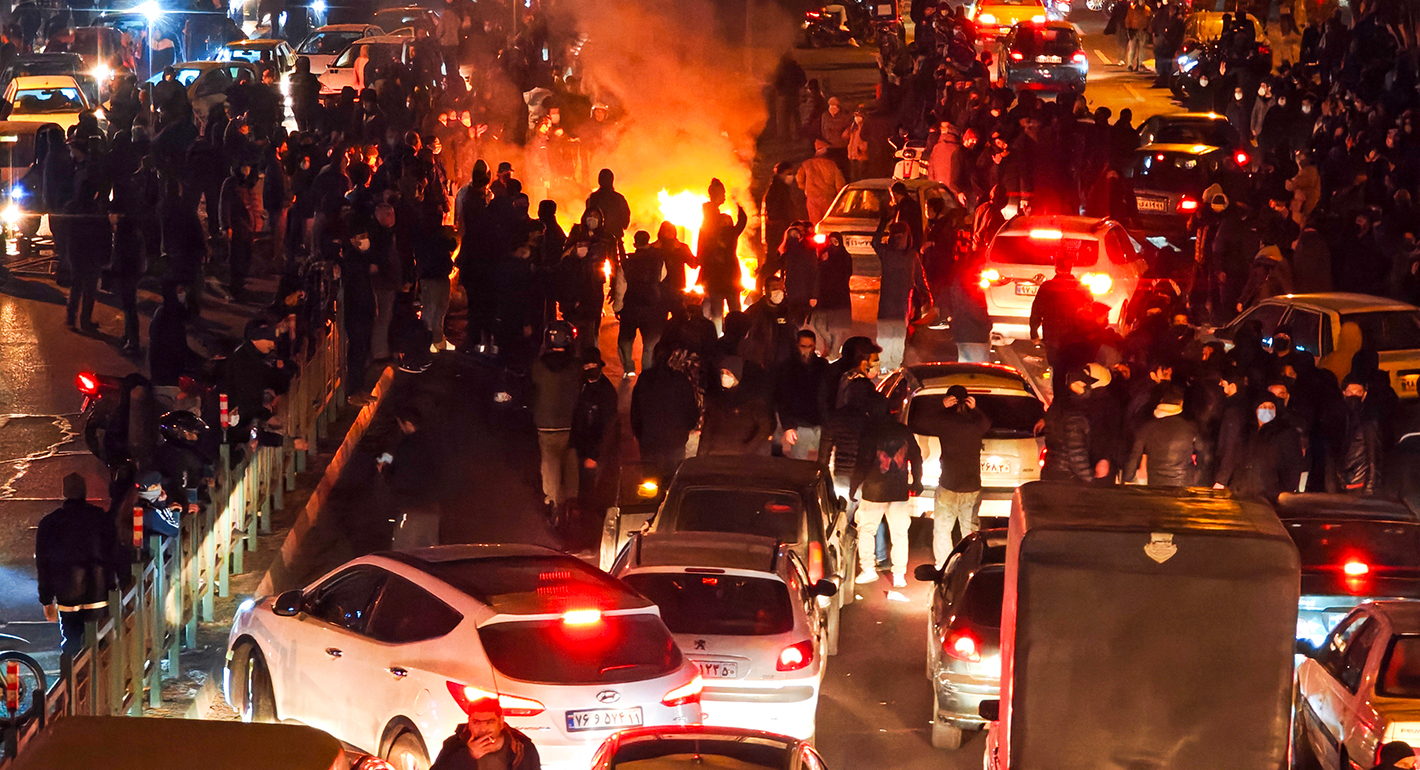
Protests in Iran follow a similar pattern: Economic grievances turn into political protests that spread nationwide. But increased state repression has begun to shift the arrangement.

Eric Lob