

Report
Nancy Birdsall
{
  "authors": [
    "Nancy Birdsall"
  ],
  "type": "other",
  "centerAffiliationAll": "",
  "centers": [
    "Carnegie Endowment for International Peace"
  ],
  "collections": [],
  "englishNewsletterAll": "",
  "nonEnglishNewsletterAll": "",
  "primaryCenter": "Carnegie Endowment for International Peace",
  "programAffiliation": "",
  "programs": [],
  "projects": [],
  "regions": [
    "North America"
  ],
  "topics": [
    "Trade"
  ]
}
REQUIRED IMAGE
Source: Carnegie
Street protesters in Prague in September 2000 are not the only ones complaining about the World Bank. Conservative critics are pointing the finger too. On the left, champions of social justice argue that World Bank loan conditions hurt the poor. On the right, conservatives claim lending practices crowd out private investment. Critics from all sides compound public confusion about globalization and the impact on people of global financial institutions.
Nancy Birdsall dissects the critics' positions and proposes World Bank reforms rarely put on the table: end "cookie-cutter pricing" or the outdated tradition of a single interest rate and loan term no matter what; give countries like China and Brazil more voting power; and don't give up on much-maligned conditionality but fix and enforce it. Birdsall notes that governance of international financial institutions will never be perfectly representative nor accountable, in part because of failures of democracy in borrowing countries. But, conceiving of the World Bank as a club, she argues for balanced reform not shutdown.
Click on the link above for the full text of this Policy Brief.
Former Senior Associate
Recent Work
Nancy Birdsall
Nancy Birdsall, Rachel Menezes
Carnegie does not take institutional positions on public policy issues; the views represented herein are those of the author(s) and do not necessarily reflect the views of Carnegie, its staff, or its trustees.
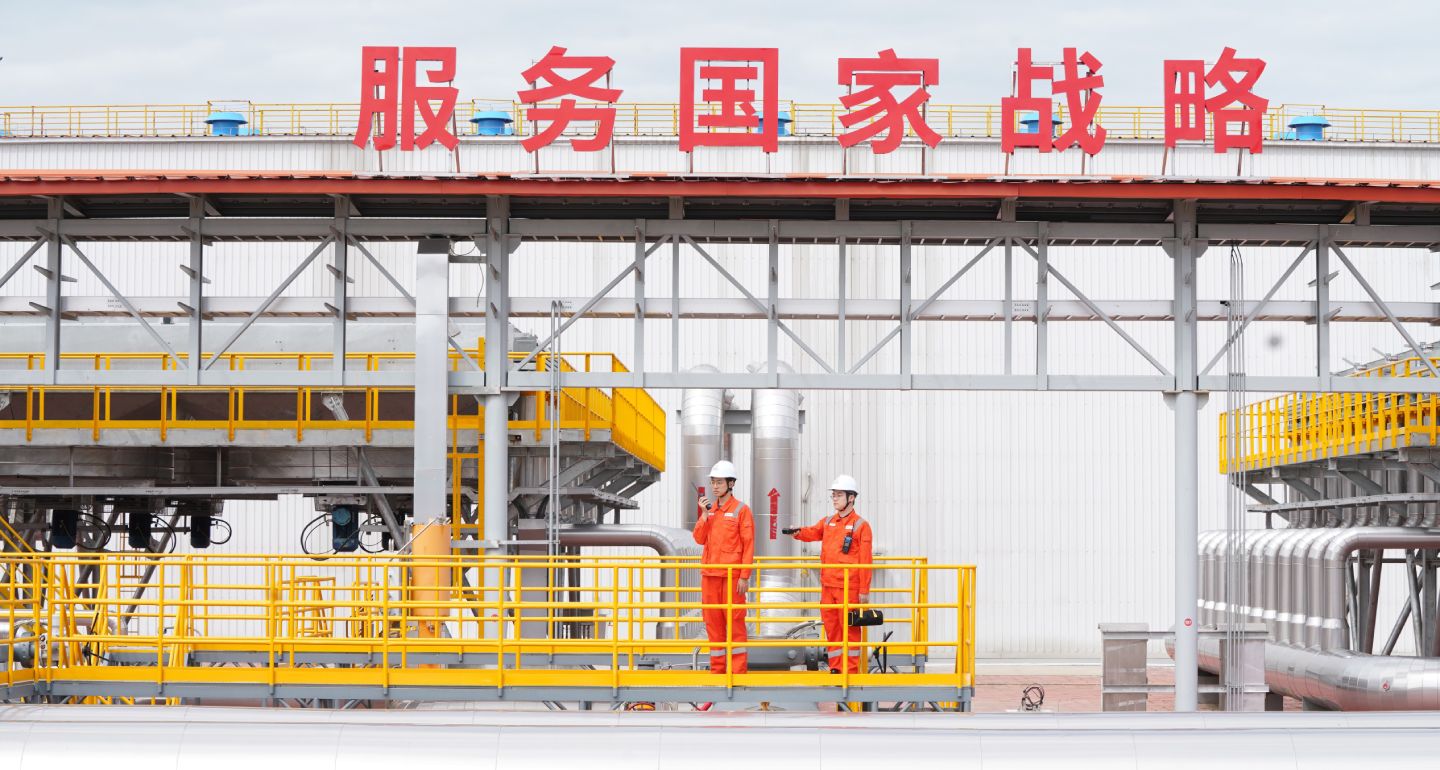
A leak of Russian gas price data helps establish that China is paying Russia far less than Central Asian countries and Gazprom’s former European customers.

Sergey Vakulenko

Rubio’s recent visit brought welcome attention, but more capital requires governance changes that may be a hard sell for regional governments.

Jennifer B. Murtazashvili

Without a ceasefire with Ukraine on attacking each other’s energy infrastructure—to which the Kremlin is unlikely to agree—the diesel agreement between Putin and Trump is largely for show, rather than representing a genuine increase in the volumes of Russian diesel on the global market.
Sergey Vakulenko

Much has been said of the changes Brussels is trying to make to the EU enlargement process. Here’s why gradual integration might—or might not—be the answer.

Dimitar Bechev

The European Commissioner for Trade is headed to China. But after President Xi’s bridge-building visit to Washington, can a more isolated EU overcome Beijing’s stranglehold on critical raw materials? Who will blink first?

Rym Momtaz, ed.