

Other
Fiona Hill, Anatol Lieven, Thomas de Waal
{
  "authors": [
    "Anatol Lieven"
  ],
  "type": "legacyinthemedia",
  "centerAffiliationAll": "dc",
  "centers": [
    "Carnegie Endowment for International Peace"
  ],
  "collections": [],
  "englishNewsletterAll": "ctw",
  "nonEnglishNewsletterAll": "",
  "primaryCenter": "Carnegie Endowment for International Peace",
  "programAffiliation": "russia",
  "programs": [
    "Russia and Eurasia",
    "Nuclear Policy"
  ],
  "projects": [],
  "regions": [
    "Middle East",
    "Iran",
    "Israel",
    "Iraq",
    "China",
    "Caucasus",
    "Russia"
  ],
  "topics": [
    "Security",
    "Military",
    "Foreign Policy",
    "Nuclear Policy"
  ]
}
REQUIRED IMAGE
Source: Carnegie
Reprinted with permission from The Times, September 13,
2001
Lessons for the generals
THE Cold War finally ended on Tuesday September 11 at 8.45am, Eastern Standard
Time.
Until that moment, faithful to the maxim that generals always plan for the last
war, the greater part of the United States’ political and security establishments
were still heavily influenced by Cold War thinking.
One key reason for this, of course, has been that the US military, intelligence, think-tank and military industrial worlds have remained overwhelmingly configured around Cold War structures.
They have anticipated conflict, or at least strong rivalry, with large, organised states with modern, conventional militaries and old-style nuclear missile forces. In the case of Russia, combating Russian influence in the other former Soviet republics (often dubbed, bizarrely, “the restoration of the Soviet Union”) was portrayed as a vital American national interest.
The alleged risk of renewed Russian aggression against Central Europe and the Baltic states was made a key justification for the retention and expansion of Nato.
In recent years, there have been strong moves to cast China as the new, Soviet-style global threat to US dominance, requiring a Cold War-style response. Hence moves to nullify China’s nuclear deterrent through national missile defence (NMD). Despite some new thinking, US conventional forces remain heavily organised and equipped for open warfare against formal, state-armed forces bearing relatively high-tech weapons.
Missile defence and the planned US military domination of space have been posited on an acute danger from states that, on the one hand, are assumed to be organised and quite technologically sophisticated, but, on the other, willing to commit almost certain collective suicide in pursuit of their aims.
Yet in the end, most of this has been just shadow-boxing. Indeed, that was true of the Cold War itself in its last ten years or so. America, and America’s allies, are now in a real war — one which has just claimed thousands of American casualties. By contrast, it should be remembered that since the end of the Cold War, neither Russia nor China have been responsible for a single US casualty. For that matter, it could well be argued that even during the Cold War, the only time that the US and its allies really had to fight was in Korea in 1950.
It is now abundantly clear that we do, indeed, face dreadfully savage and fanatical enemies, willing to face certain death to destroy us and with a high capacity for planning and organisation. But these are not open representatives of states and they are most certainly not representatives of Russia and China. On the contrary, Russia and China are themselves under severe threat from exactly the same enemies and are our natural allies in our fight against them.
This is above all true of Russia, if it is proved that Osama bin Laden or other groups backed by the Taleban were responsible for these attacks. For the long-term control of pathologies stemming from Afghanistan, Russian co-operation is absolutely essential. US policies of rolling back Russian influence in Central Asia and undermining Russia’s hold on the North Caucasus have to stop, now.
Unilateralist American policies in recent years have been based consciously or unconsciously on the assumption that because America itself is invulnerable, it does not really need allies. Missile defence was supposed to complete the walls of Fortress America. Today, that assumption lies in ruins, and the utter irrelevance of NMD to the real threats facing the United States has been demonstrated beyond question.
In the short term, ferocious unilateral action by the United States and its closest allies will be necessary to punish and deter the perpetrators of this atrocity and any state that can be shown to have backed them. But even in the medium term, a continuation of US unilateralism would be a critical threat to victory in the anti-terrorism war.
This is true of US global policies, but above all in the Arab and Muslim world. In the fight against terrorism, the co-operation of these states is absolutely essential. One reason is that as this attack has cruelly revealed, US intelligence in the Middle East is highly inadequate.
Equally importantly, massive Western retaliation against Muslim targets unaccompanied by attempts to conciliate Arab and Muslim governments and populations will risk spreading support for terrorism in all directions.
The US therefore needs finally to listen to pro-Western Muslim states when they say that US support for Israel, and Israeli policies, have made such co-operation on their part extremely difficult.
After Pearl Harbor, the Japanese commander Admiral Yamamoto famously remarked that he was afraid that “all we have done is to awaken a sleeping giant, and fill him with a terrible resolve”. Given the massive and bestial nature of these attacks, American resolve is indeed likely to be forthcoming. But to fight this war successfully, resolve alone is not enough. We also need a whole new strategy.
Copyright Anatol Lieven/The Times, 13th September 2001

Former Senior Associate
Recent Work

Fiona Hill, Anatol Lieven, Thomas de Waal
Carnegie does not take institutional positions on public policy issues; the views represented herein are those of the author(s) and do not necessarily reflect the views of Carnegie, its staff, or its trustees.
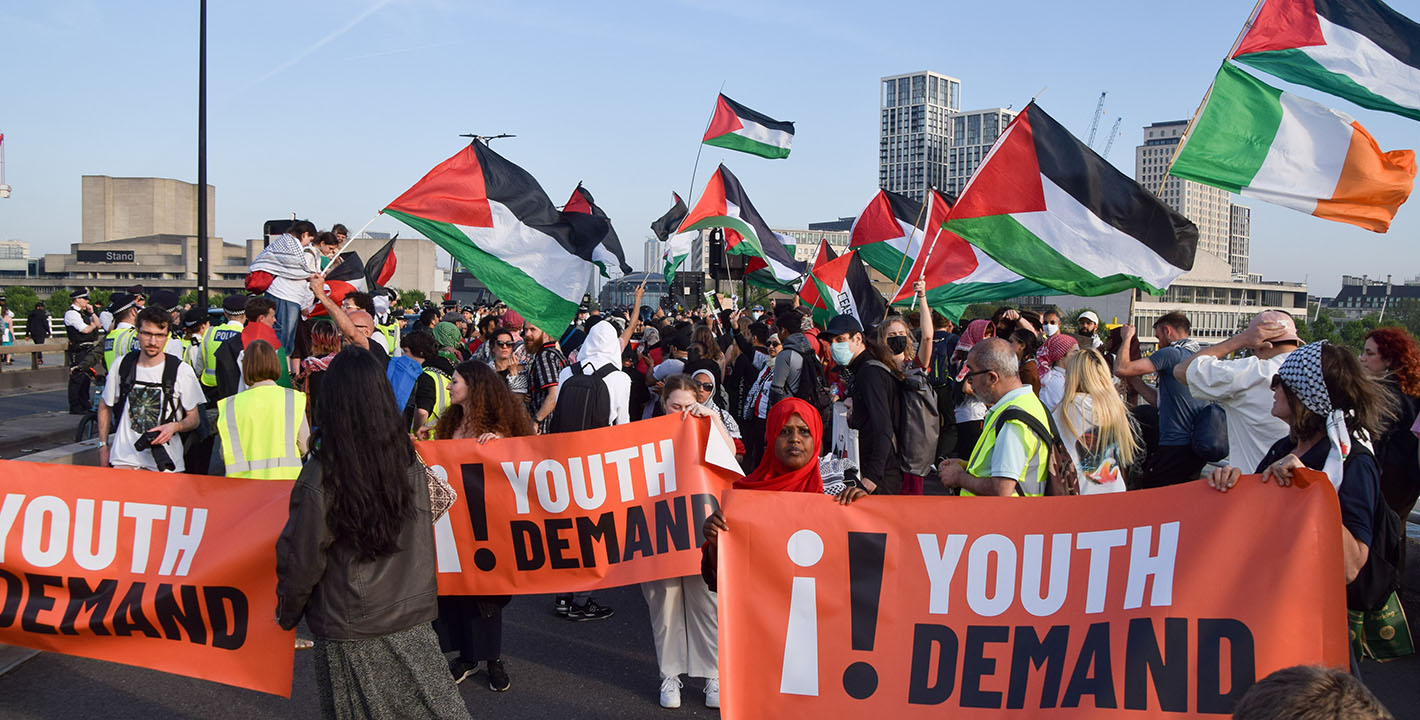
In an interview, Mayssoun Sukarieh discusses youths in the region, and how they are being defined and reshaped.

Yasmine Zarhloule

It would provide a golden opportunity to reconsider what success looks like.

Michael Mazarr
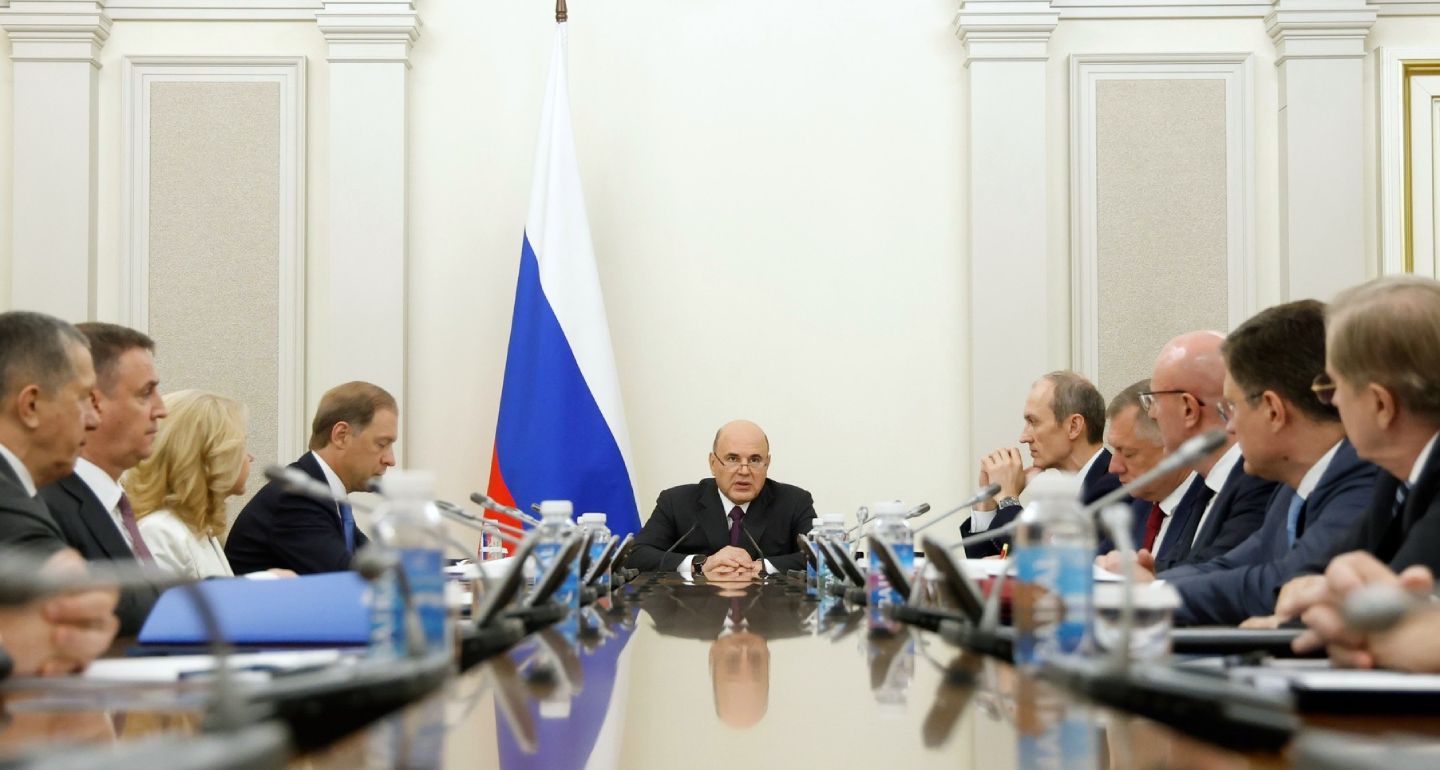
The pressures of war are gradually warping Russia’s system of governance, making it more vulnerable to a future crisis.

Tatiana Stanovaya
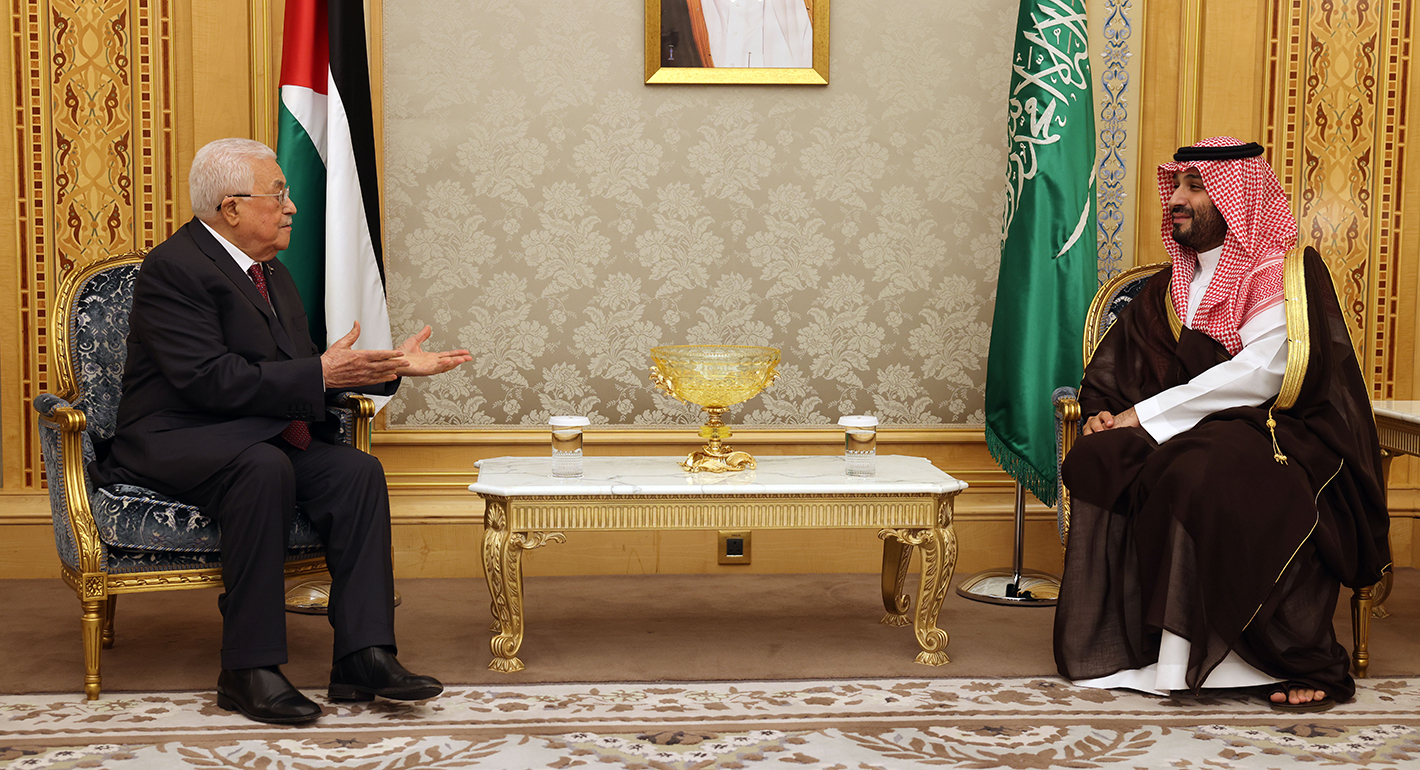
The U.S. midterm elections signal the opening of a narrow window for bold Saudi diplomacy on Palestine.

Andrew Leber, Zaha Hassan

A leak of Russian gas price data helps establish that China is paying Russia far less than Central Asian countries and Gazprom’s former European customers.

Sergey Vakulenko