

Article
Economic recovery has brought Sri Lanka a modicum of stability, but domestic strains and great-power rivalry could test how long it lasts.
Avinash Paliwal
{
  "authors": [
    "Jamie Metzl"
  ],
  "type": "legacyinthemedia",
  "centerAffiliationAll": "",
  "centers": [
    "Carnegie Endowment for International Peace"
  ],
  "collections": [],
  "englishNewsletterAll": "",
  "nonEnglishNewsletterAll": "",
  "primaryCenter": "Carnegie Endowment for International Peace",
  "programAffiliation": "",
  "programs": [],
  "projects": [],
  "regions": [
    "Middle East"
  ],
  "topics": [
    "Economy",
    "Security"
  ]
}
REQUIRED IMAGE
Source: Carnegie
Reprinted with permission from The Baltimore Sun,October 3,2001
The Bush administration has begun to make the
important argument that military force is only one tool in America's
campaign against global terrorism.
In addition to other non-military activities such as freezing assets and
sharing intelligence, the United States and its allies must also wage an
aggressive information campaign to promote our values and counter
harmful opinions in parts of the Islamic world.
The power of symbols, images, and ideas is today often greater than that
of hard military assets.
The terrorists attacking the World Trade Center and the Pentagon clearly
understood this.
Their colleagues may well now be hoping that American bombs target
Afghanistan so that the television images of such bombing will fuel
resentment of American power in the Arab world.
To win our struggle, America must also win this battle of images.
First, we must take even greater steps to emanate respect for Muslims
and for the Arab world to prevent the war on terrorism from being
interpreted in that region as a Christian crusade against the Muslims.
President Bush's remarks at an Islamic Center in Washington two weeks
ago were an important first step in this process. Now we must do much
more. To begin, every Arab-speaking diplomat should be asked to make
this argument repeatedly to Arab populations and in the Arab media.
Second, we must do more to project America's perspectives into the
region.
U.S. broadcast assets such as the Voice of America and Radio Free
Europe should be given the finances and backing to dramatically increase
their broadcasts to the Middle and Near East. Arab-Americans should be
encouraged to use these outlets to tell America's positive story to their
native populations.
Third, because populations in the Arab world are more likely to listen to
and trust their domestic media, we must do everything we can to support
more moderate and reliable news organizations in the Arab world,
wherever they exist.
This effort will require extensive monitoring of indigenous broadcasts,
some of which continue to incite local populations to violence. The full
force of American diplomatic power should be brought to bear in cases
where state-controlled media are broadcasting messages antithetical to
our efforts.
Finally, the information-gathering activities of all our agencies operating
in
the fight against terrorism, including the Pentagon, the Justice Department,
the State Department, and the U.S. Agency for International
Development, should be coordinated to project a coherent message to the
Arab world and beyond.
The Bush administration has a powerful tool at its disposal to carry out
these tasks. Presidential Decision Directive 68 on International Public
Information, signed by President Bill Clinton in April 1999, creates a
high-level interagency international information coordination body chaired
by the State Department's undersecretary for public diplomacy. This body
should be convened immediately to coordinate our nation's information
campaign against terrorism.
Terrorism is a 21st-century threat, and we must respond with
21st-century tools that recognize a new focus of global power.
Information projection is America's strength. We must now use it to
achieve our objectives.
Jamie F. Metzl, a former senior coordinator for international public
information in the State Department and the National Security Council, is
a visiting scholar at the Carnegie Endowment for International Peace and
an international affairs fellow of the Council on Foreign Relations.
This column first appeared in The Baltimore Sun on October 3, 2001 and is reproduced with permission. Copyright © 2001 The Baltimore Sun. Reproduced with permission. All rights reserved. Online at baltimoresun.com.
Former Visiting Scholar
Jamie F. Metzl was a visiting scholar in the Project on the Information Revolution and World Politics at the Carnegie Endowment for International Peace. He has served as Senior Advisor for Information Technology, Senior Advisor to the Under Secretary for Public Diplomacy and Public Affairs, and Senior Coordinator for International Public Information at the U.S. Department of State.
Carnegie does not take institutional positions on public policy issues; the views represented herein are those of the author(s) and do not necessarily reflect the views of Carnegie, its staff, or its trustees.

Economic recovery has brought Sri Lanka a modicum of stability, but domestic strains and great-power rivalry could test how long it lasts.
Avinash Paliwal

Policy proposals on sovereign debt must both match the scale of the challenge and be implementable within existing political constraints.
David McNair
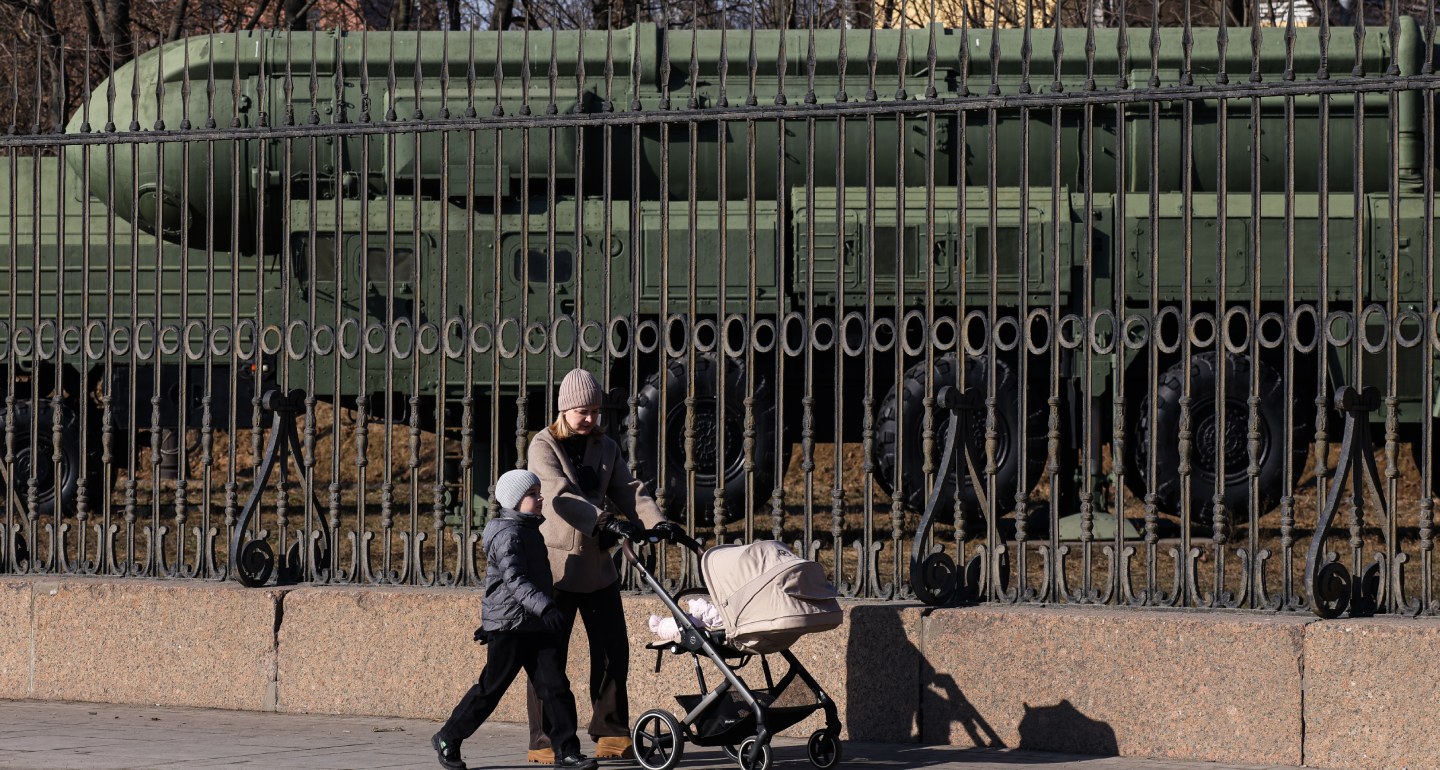
For every ruble allocated to social policy, health, and education in 2027, double that amount is earmarked for the army, the police, and the security services.
Alexandra Prokopenko
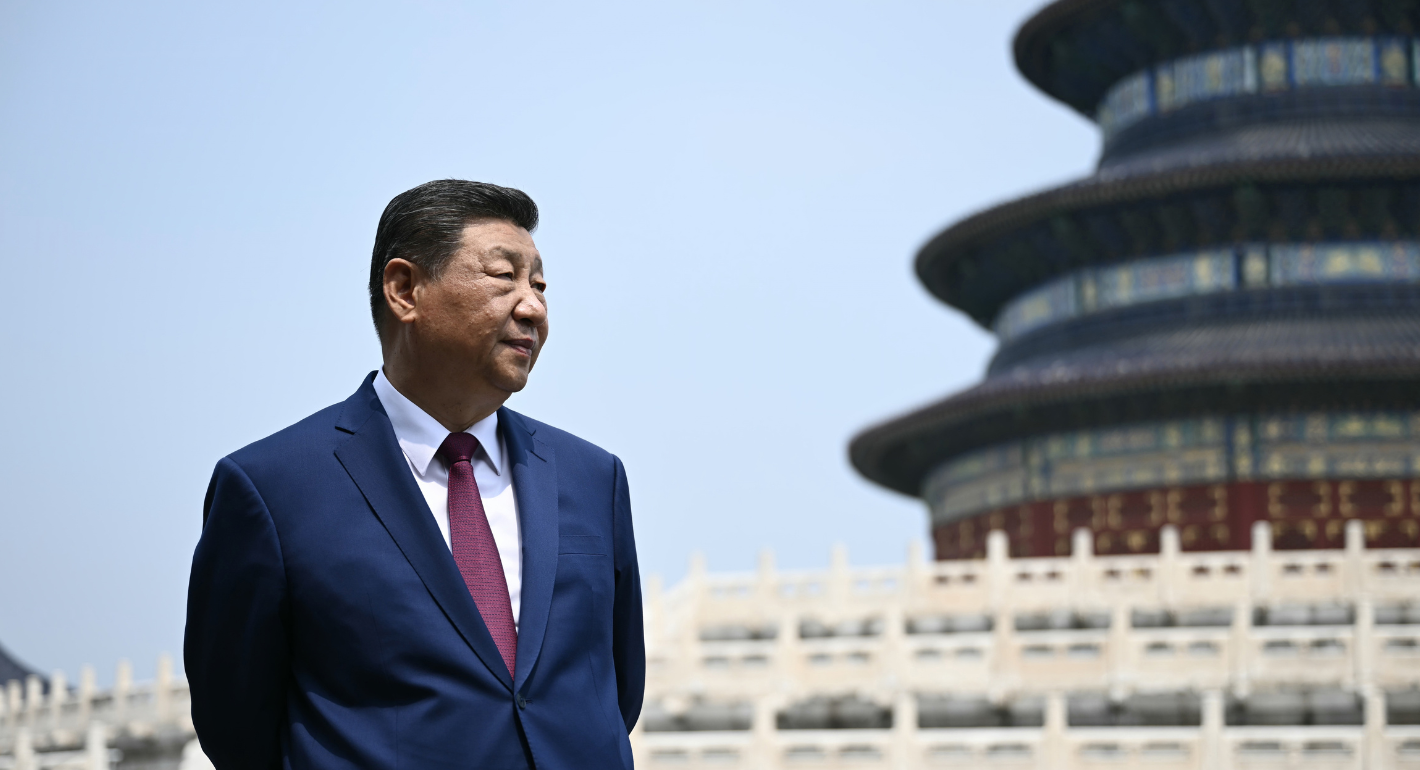
The European Commissioner for Trade is headed to China. But after President Xi’s bridge-building visit to Washington, can a more isolated EU overcome Beijing’s stranglehold on critical raw materials? Who will blink first?

Rym Momtaz, ed.
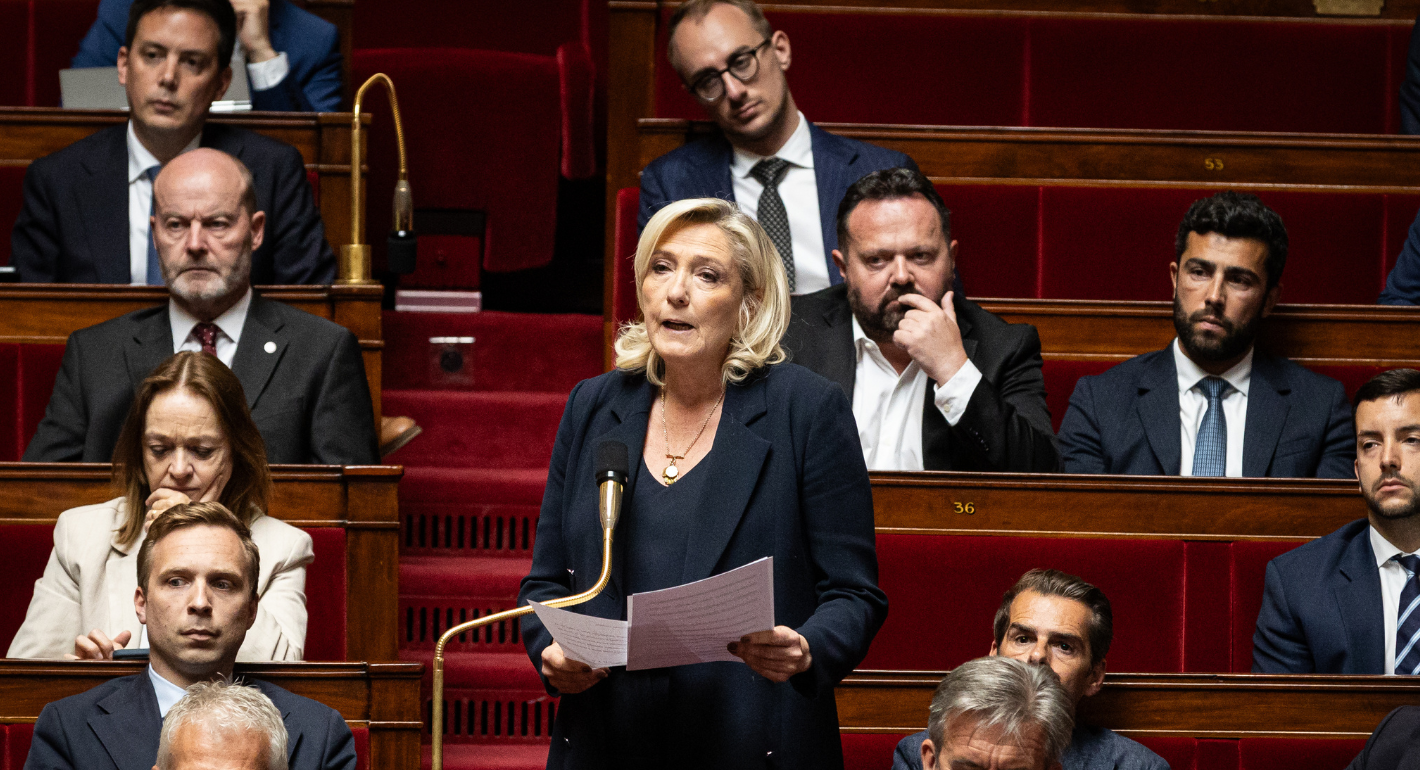
The domestic impacts of how long it is taking to end the war in Ukraine have pushed the French electorate to the political extremes and compromised the country’s diplomatic capacity.
Rym Momtaz