

Article
Thomas Carothers, McKenzie Carrier
{
  "authors": [
    "Thomas Carothers"
  ],
  "type": "other",
  "centerAffiliationAll": "",
  "centers": [
    "Carnegie Endowment for International Peace"
  ],
  "collections": [],
  "englishNewsletterAll": "",
  "nonEnglishNewsletterAll": "",
  "primaryCenter": "Carnegie Endowment for International Peace",
  "programAffiliation": "",
  "programs": [],
  "projects": [],
  "regions": [],
  "topics": [
    "Political Reform",
    "Democracy",
    "Trade",
    "Foreign Policy"
  ]
}
REQUIRED IMAGE
Source: Carnegie
A forum responding to Thomas Carothers' "The End of the Transition Paradigm," which was published in January 2002 in The Journal of Democracy. The forum includes contributions by Guillermo O'Donnell, Ghia Nodia, Kenneth Wollack, Gerald Hyman, and "A Reply to My Critics" by Thomas Carothers.
Guillermo O'Donnell argues that the scholarly literature on democratic transitions is more subtle than the practitioner approach to democracy promotion described by Carothers. Ghia Nodia defends the transition paradigm as a way of measuring how near or far a given country is from democracy, which is still the only desirable goal of government evolution. Kenneth Wollack of the National Democratic Institute and Gerald Hyman of USAID argue for the efficacy of democracy promotion programs based on prevailing ideas of democratic transition. Finally, Thomas Carothers addresses each of these authors' essays.

Harvey V. Fineberg Chair for Democracy Studies; Director, Democracy, Conflict, and Governance Program
Thomas Carothers, director of the Carnegie Endowment for International Peace’s Democracy, Conflict, and Governance Program, is a leading expert on comparative democratization and international support for democracy.
Recent Work

Thomas Carothers, McKenzie Carrier
Thomas Carothers, McKenzie Carrier
Carnegie does not take institutional positions on public policy issues; the views represented herein are those of the author(s) and do not necessarily reflect the views of Carnegie, its staff, or its trustees.

The United States ignores the region’s lived experience—and the tough political and social trade-offs the war has produced—at its peril.

Evan A. Feigenbaum

Hungarians head to the polls on April 12 for an election of national and European consequence. Three different outcomes are on the cards, each with their own implications for the EU.

Zsuzsanna Szelényi
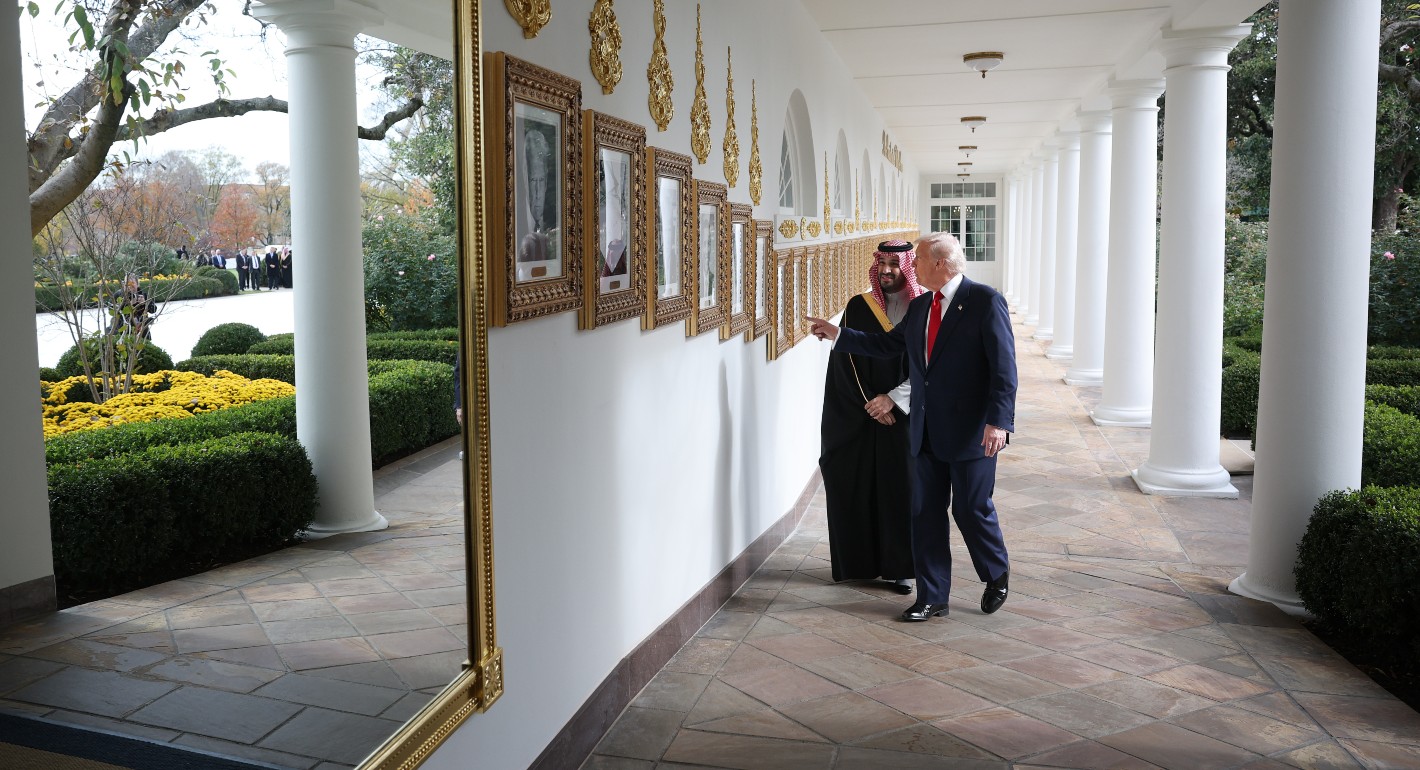
Neither the Abraham Accords nor the presence of large U.S. bases are enough to protect Arab Gulf states.

Marwan Muasher
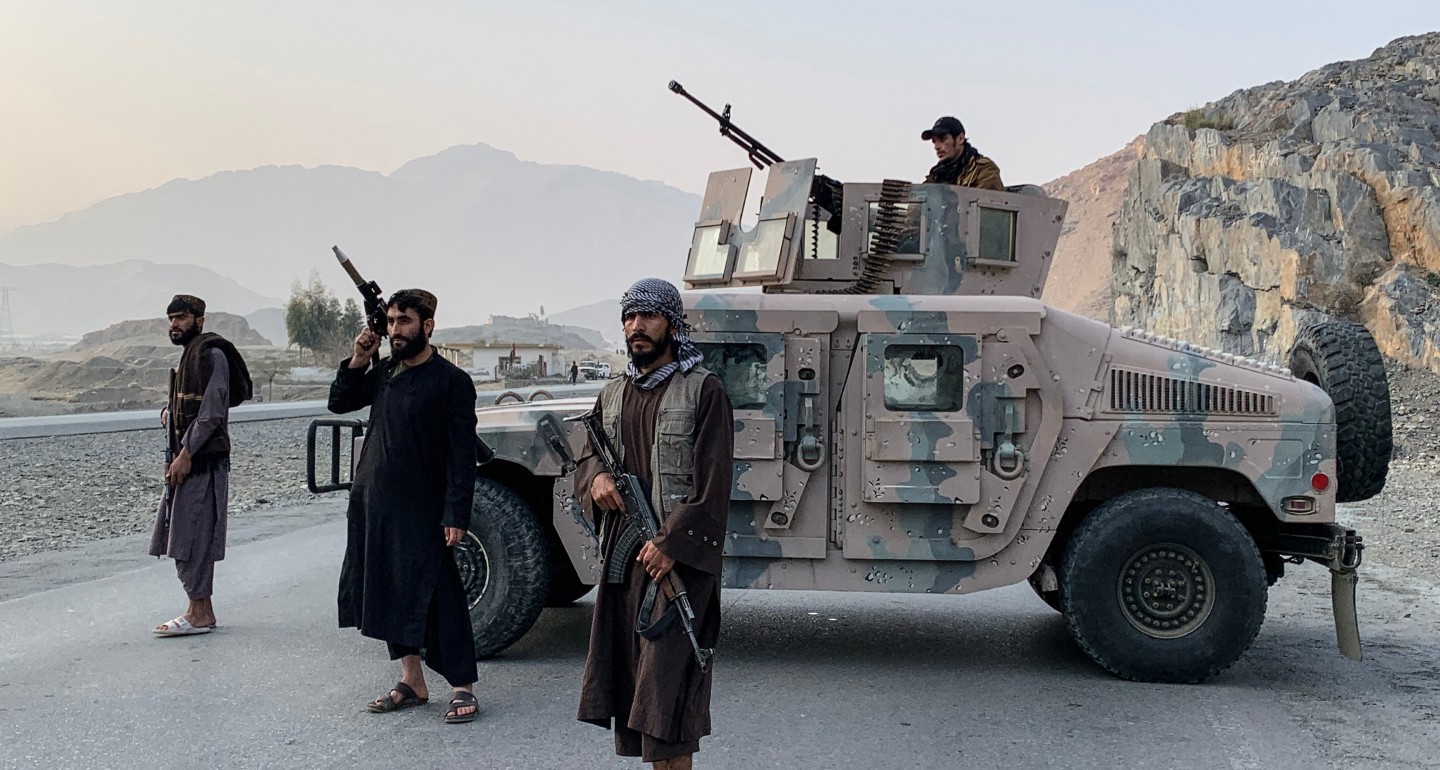
Not only does the fighting jeopardize regional security, it undermines Russian attempts to promote alternatives to the Western-dominated world order.

Ruslan Suleymanov
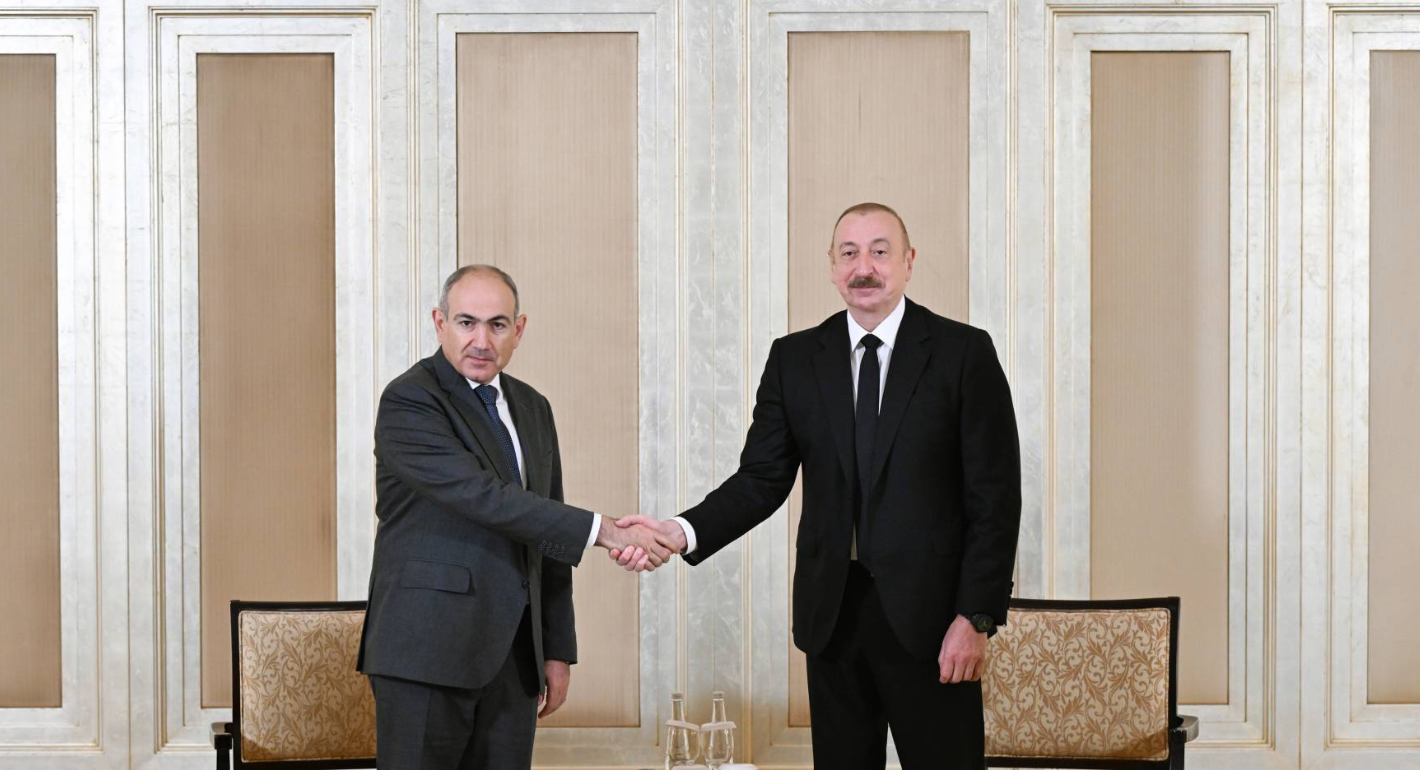
The U.S.-sponsored TRIPP deal is driving the Armenia-Azerbaijan peace process forward. But foreign and domestic hurdles remain before connectivity and economic interdependence can open up the South Caucasus.

Thomas de Waal, Areg Kochinyan, Zaur Shiriyev