

Article
Леонид Гозман, Michael McFaul
{
  "authors": [
    "Michael McFaul"
  ],
  "type": "legacyinthemedia",
  "centerAffiliationAll": "dc",
  "centers": [
    "Carnegie Endowment for International Peace"
  ],
  "collections": [],
  "englishNewsletterAll": "ctw",
  "nonEnglishNewsletterAll": "",
  "primaryCenter": "Carnegie Endowment for International Peace",
  "programAffiliation": "russia",
  "programs": [
    "Russia and Eurasia"
  ],
  "projects": [],
  "regions": [
    "North America",
    "United States",
    "Iraq",
    "Caucasus",
    "Russia"
  ],
  "topics": [
    "Political Reform",
    "Democracy",
    "Foreign Policy"
  ]
}
REQUIRED IMAGE
When diplomatic historians look back on the 1990s, they should describe it as the era of European integration. They will do so, however, only if the project is completed. As the Bush administration begins the process of promoting democratic regime change along a new frontier in the Muslim world, it must also finish the job on the European frontier.
Source: Washington Post
Originally published in the Washington Post, September 22, 2002
President Bush has made a strong commitment to a distinct tradition in international diplomacy by stating repeatedly that the United States has a strategic interest in regime change in Iraq. If Iraq changes from dictatorship to democracy, so the argument goes, then Iraq will follow a friendlier foreign policy toward the United States.
To make his case, Bush has a powerful historical experience to draw upon: the end of the Cold War. Regime change in Eastern Europe and the Soviet Union fundamentally enhanced American national security. If Iraq possessed Russia's nuclear arsenal today, the United States would be in grave danger. Two decades ago we feared this same arsenal in the hands of the Kremlin. Today we do not. The reason we do not is that the regime in Russia has become more democratic and market-oriented and therefore also more Western-oriented.
Unfortunately, the task of promoting democratic regime change in the former Soviet Union is not complete. In rightly focusing on how to promote democratic regimes in the Muslim world, the Bush administration is failing to complete the consolidation of capitalism and democracy in the former communist world and the integration of these new democracies into the Western community of democratic states.
To assume that this process of democratization and integration will march forward without American prodding is misguided. First, the lines between East and West in Europe are beginning to harden, not fade. After the next round of expansion, the European Union is very unlikely to offer membership to countries farther to the east in the near future. Bureaucrats in Brussels simply laugh when the idea of Russian or Ukrainian membership in the EU is raised. NATO has moved more aggressively to extend its borders eastward, but it too will become fatigued and inwardly focused after the next round of expansion. If the prospect of membership in NATO and the EU can no longer be considered a foreign policy goal for those left out of the next wave of expansion, then the pull of the West will diminish.
Second, democratization on the periphery of Europe has stalled. A dictator who praises Stalin and Hitler runs Belarus. President Vladimir Putin has weakened democratic institutions and grossly violated the human rights of his own citizens in Chechnya in his attempt to build "managed democracy" in Russia. In Ukraine, President Leonid Kuchma aspires to create the same level of state control over the democratic process as Putin has achieved in Russia to ensure a smooth -- that is, Kuchma-friendly -- transition of power when his term ends in 2004. In contrast to Russia, Ukraine has a vibrant democratic opposition, whose leader, Viktor Yushchenko, is likely to win a free and fair presidential election. This vote in 2004 will be free and fair, however, only if the West is watching. Only in Moldova has authoritarian creep been avoided, but that's because of the weakness of the state, hardly a condition conducive to long-term democratic consolidation.
Over time, the combination of a closing Western border and growing authoritarianism on the Eastern side of this wall spells disaster for American security interests in the region. As the United States gears up to create new regimes with a democratic and Western orientation in the Middle East, it may be losing the gains of similar efforts of democratic promotion in the communist world during the Cold War.
Obviously, President Bush's foreign policy team is overworked and focused now on Iraq. Nonetheless, the United States should be able to conduct more than one foreign policy at the same time. In numerous speeches, Bush has already outlined his grand strategy for foreign policy. He has stated repeatedly that the United States should champion freedom and liberty for people around the world, and when necessary even promote regime change in those countries that do not offer their citizens basic democratic rights. To be a successful and credible doctrine, however, this strategy must be applied consistently.
When diplomatic historians look back on the 1990s, they should describe it as the era of European integration. They will do so, however, only if the project is completed. As the Bush administration begins the process of promoting democratic regime change along a new frontier in the Muslim world, it must also finish the job on the European frontier.
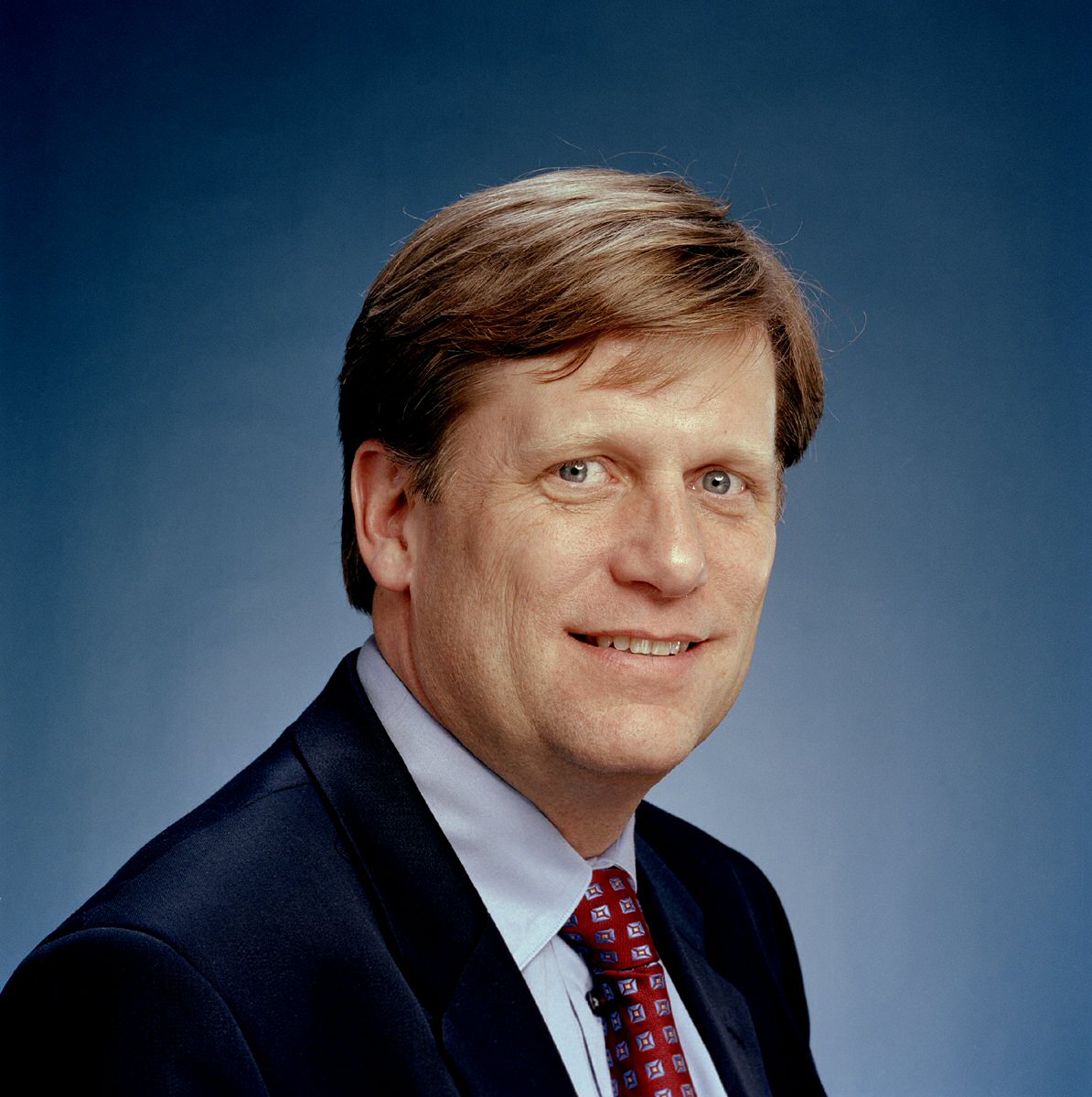
Former Senior Associate
In addition to his role at Carnegie, McFaul is Peter and Helen Bing Senior Fellow at the Hoover Institution and associate professor of political science at Stanford University.
Recent Work
Леонид Гозман, Michael McFaul
Michael McFaul, Sanja Tatic
Carnegie does not take institutional positions on public policy issues; the views represented herein are those of the author(s) and do not necessarily reflect the views of Carnegie, its staff, or its trustees.
Despite its flop at the box office, the film raises important questions for the climate community to answer.

Leonardo Martinez-Diaz

Funding Ukraine remains a priority for European leaders. As Russia’s war of aggression heads into another winter, two feasible options to mobilize support for Kyiv should be fast-tracked.


Vladyslav Rashkovan, Gregory P. Wilson

Russian strikes are weakening the economy sustaining Ukraine’s war effort. Closing the growing funding gap will require more European support and politically contentious reforms in Kyiv.

Balázs Jarábik

In an interview, Rozina Ali discusses her new book on the rise and manifestations of Islamophobia in the United States.

Michael Young

While the EU and European governments are embracing the much-lauded middle-power moment, this entails three difficult conundrums.

Richard Youngs