

Other
Fiona Hill, Anatol Lieven, Thomas de Waal
{
  "authors": [
    "Anatol Lieven"
  ],
  "type": "legacyinthemedia",
  "centerAffiliationAll": "dc",
  "centers": [
    "Carnegie Endowment for International Peace"
  ],
  "collections": [],
  "englishNewsletterAll": "ctw",
  "nonEnglishNewsletterAll": "",
  "primaryCenter": "Carnegie Endowment for International Peace",
  "programAffiliation": "russia",
  "programs": [
    "Russia and Eurasia"
  ],
  "projects": [],
  "regions": [
    "Caucasus",
    "Russia"
  ],
  "topics": [
    "Security"
  ]
}
REQUIRED IMAGE
Source: Carnegie
When it comes to Chechnya, Russian propaganda and Islamist propaganda are agreed on one thing: they both assert a central role for the international mojahedin fighting on the Chechen separatist side. Both, for separate reasons, exaggerate their role in what remains above all a Chechen national struggle.
President Vladimir Putin has hinted that the Moscow hostage-taking has al-Qaida backing. This suggestion should be neither blindly accepted nor dismissed. The reality is that while links between al-Qaida and the Chechen conflict do exist, they are not nearly as central to that struggle as Kremlin propaganda maintains.
There is no doubt about the presence of such Islamist forces; and their links to al-Qaida have been announced by al-Qaida itself. On the other hand, it is worth remembering that the appearance of these forces in Chechnya was largely due to Moscow's actions.
To judge by my visits to Chechnya from 1991-94, the presence of international islamists - or Wahabis, as they are called in the region - was then very limited.
It was above all the brutal, botched and unnecessary Russian military intervention of 1994-96 that drew international Muslim militants to fight in Chechnya and let them create a base there.
The principal leader of these mojahedin was Abdurrahman Khattab, a Saudi or Jordanian national, who had fought in Afghanistan, where he is said to have worked with Osama bin Laden. Khattab's group won spectacular victories for Chechen separatists in the war of 1994-96. Khattab died this year, apparently poisoned in a Russian intelligence operation.
Probably even more important than the volunteers themselves was the financial help they brought from the Muslim world. According to Russian and US intelligence sources, a key player in this regard has been the Saudi-based organisation al-Haramein, which has funded Islamist groups and was recently named by the US as an ally of al-Qaida.
Al-Qaida's own help to the Chechen struggle was declared by a Bin Laden aide, Abu Daud, in August 2000. He said the organisation sent volunteers, arms and money. In return, some Chechens went to Afghanistan for al-Qaida training.
According to testimony this week at the trial in Hamburg of alleged members of the al-Qaida cell that carried out the September 11 attacks, the hijackers' leader, Mohamed Atta, had meant to fight in Chechnya. While visiting Afghanistan in 1999-2000, however, he was told by al-Qaida that "the Chechens do not need [fighters] any more", and switched his focus.
It has never been proved that Khattab's group is part of al-Qaida, but this is largely irrelevant. The world of Sunni extremism is a web with different nodes that sometimes cooperate. They share the same ideology, tactics and enemies, including Russia.
A source of public information on the international mojahedin fighting in Chechnya was their website, Qoqaz.net, which was shut down by the US after September 11.
It revealed the increasing Islamisation of Chechen commanders such as Shamil Basayev. During the de facto Chechen independence between 1996 and 1999, Khattab's group encouraged Basayev and other s to revolt in the name of Islam against President Aslan Maskhadov, drive Russia from the north Caucasus and unite the region in one Islamic republic.
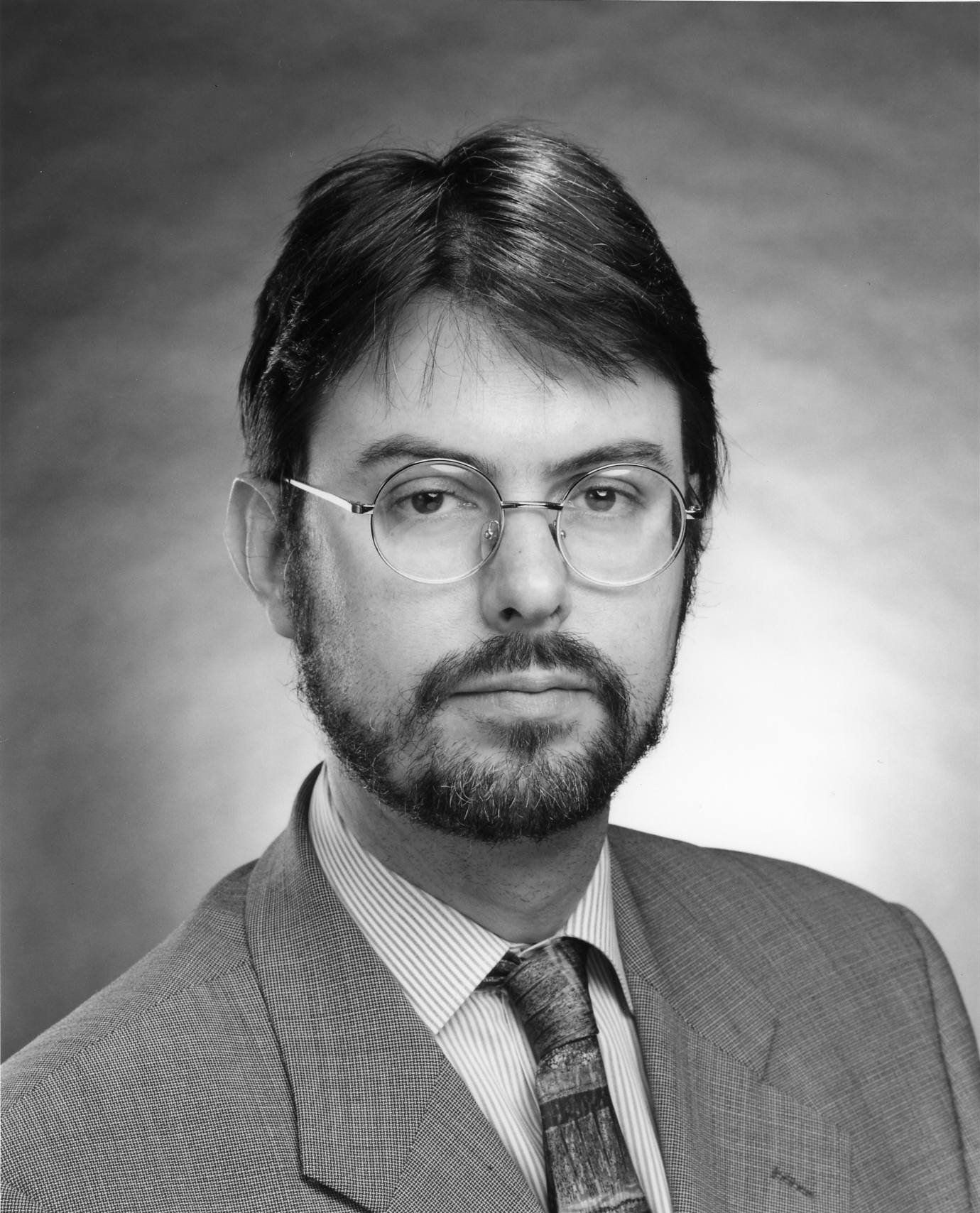
· Anatol Lieven is a senior associate at the Carnegie Endowment for International Peace in Washington DC and author of Chechnya: Tombstone of Russian Power.
Former Senior Associate
Recent Work

Fiona Hill, Anatol Lieven, Thomas de Waal

Are Germany’s economic, industrial, and political struggles becoming a liability for the EU’s ability to rise to the geopolitical moment?

Rym Momtaz, ed.

Russia’s ruling party would have benefited from Putin appearing as its distant patron, but as an active frontman imposing his views on the public, he has done nothing but harm both the party’s election campaign and the ruling system overall.

Andrey Pertsev

China’s police training infrastructure construction projects provide benefits to recipient countries, promote China’s image as a major global security provider, and are likely to reinforce alignment between Beijing’s security priorities and those of countries in the Global South.


Cameron Waltz, Sheena Chestnut Greitens, Kim Nguyen, …
They face an uphill climb, but they could draw on a strategy that other diplomats have used in the past.


Shana Tabak, Alejandro Martin Rodriguez

European Commission President Ursula von der Leyen is about to give her annual address on the state of the EU. Here’s what she won’t—but should—say.
Rym Momtaz