

In The Media
Martha Brill Olcott
{
  "authors": [
    "Martha Brill Olcott"
  ],
  "type": "legacyinthemedia",
  "centerAffiliationAll": "dc",
  "centers": [
    "Carnegie Endowment for International Peace"
  ],
  "collections": [],
  "englishNewsletterAll": "ctw",
  "nonEnglishNewsletterAll": "",
  "primaryCenter": "Carnegie Endowment for International Peace",
  "programAffiliation": "russia",
  "programs": [
    "Russia and Eurasia"
  ],
  "projects": [],
  "regions": [
    "Caucasus",
    "Russia"
  ],
  "topics": [
    "Security"
  ]
}
REQUIRED IMAGE
Source: Carnegie
31/10/02
Transcript:
Introduction:
President Putin appears to be winning strong support for his handling of the Russian hostage crisis. That despite scores of people dead. Martha Olcott specializes in Russian affairs at the Carnegie Endowment for International Peace in Washington. On Commentary she says the Russians actually dropped the ball and that could have repercussions for the West.
Martha Olcott:
The Russian government obviously faced some terrible choices in how to resolve the hostage crisis. But the ineptness of their response - 115 hostages dead as well as scores of hostage takers - leaves a bitter taste.
Making decisions in hostage-taking situations is complex and best left to professionals. But one doesn't have to be a specialist on terrorism to criticize the lack of preparation with which the Russian government chose to intervene.
The authorities in Moscow should have planned and executed the release of the hostages with far more attention to detail. The dosage of poison gas used should have been considered more carefully. Doctors and other medical personnel should have been mobilized and brought to the site to follow right behind the special forces who lobbed in the gas, after a brief but safe interval. Ambulances should have been brought in close to the building (in place of the city buses that had been parked there from the early hours of the crisis). These ambulances should have been staffed with medical personnel well briefed on what side-effects to expect and equipped with the proper antidotes to administer in order to counteract the potentially poisonous properties of the gas that filled the theater. But none of this was done, creating a still mounting number of fatalities and the risk that hundreds of the surviving hostages could have serious lingering health problems.
The missteps broadcast live on Russian television, seem certain to come back to haunt Russian president Vladimir Putin. His first term as president is now roughly half over, and has been filled with successive images of Russian failure. There have been a series of civil and military disasters, including the sinking of the Kursk submarine by a Russian torpedo. That too was another botched rescue that left no survivors.
Most serious is the seemingly unending war in Chechnya. Putin sent Russian troops back to Chechnya promising the Russian people the victory that had eluded his predecessor, Boris Yeltsin. Actions like the Chechen's taking theater-goers hostage may harden feelings among ordinary Russians as to the justness of this war. But the Russian government's handling of the crisis will do little to assure them that either victory or a negotiated settlement is within reach.
Faced with a sense of growing desperation, Putin might decide to widen this war, attacking so-called "terrorist" targets in nearby republics of the Russian federation, or even in neighboring Georgia. The latter would be bad news for the Bush administration. It would have to strongly condemn Russian actions, at the very time that the US is seeking a broad international coalition for possible military action in Iraq.
For Commentary, I'm Martha Olcott in Washington.
Commentary is a national program on Canadian Broadcasting
Corporation (CBC) Radio. It runs on all of Canadian stations between 08:15 and
08:30 weekday mornings.
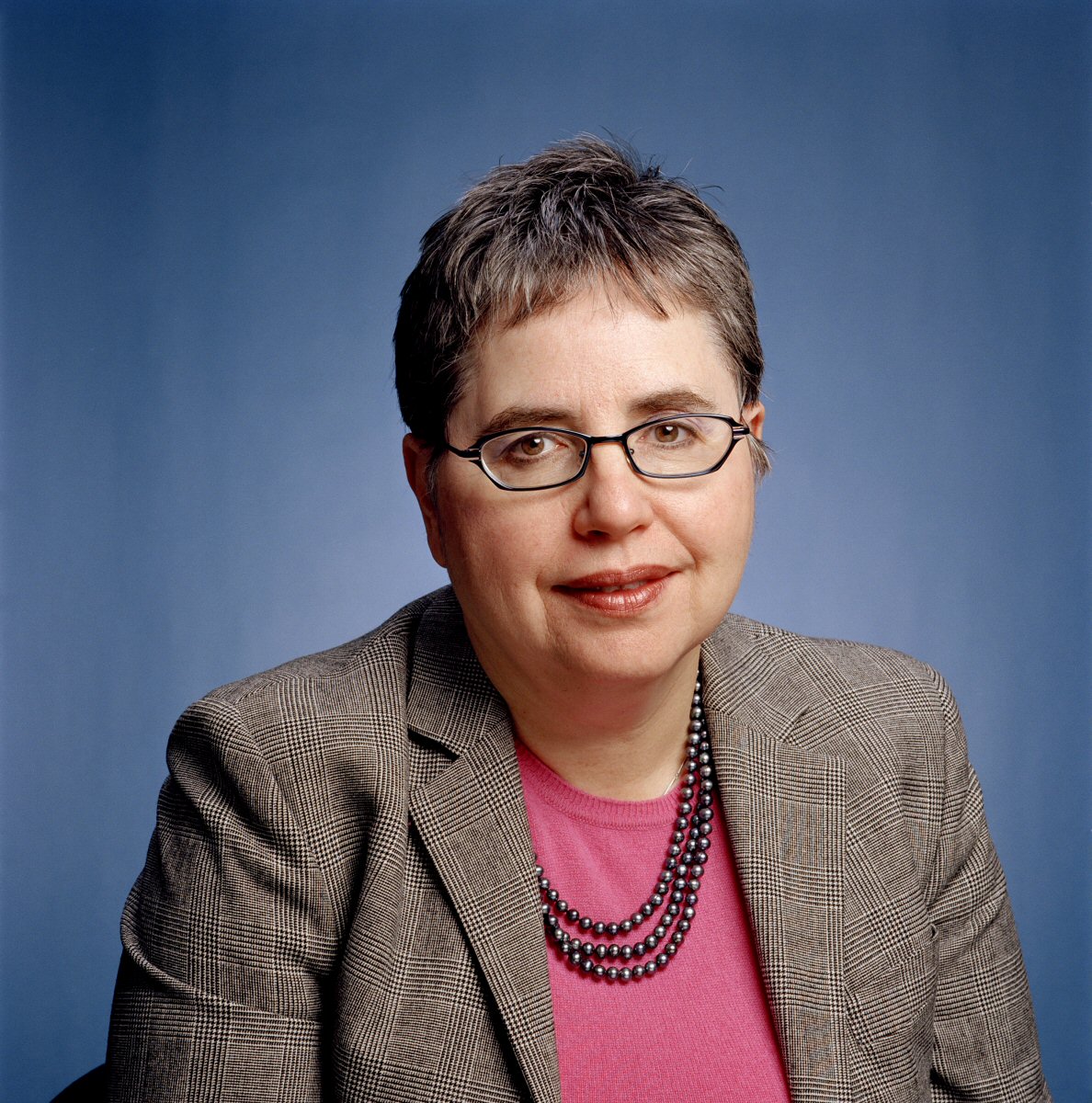
Former Senior Associate, Russia and Eurasia Program and, Co-director, al-Farabi Carnegie Program on Central Asia
Olcott is professor emerita at Colgate University, having taught political science there from 1974 to 2002. Prior to her work at the endowment, Olcott served as a special consultant to former secretary of state Lawrence Eagleburger.
Recent Work
Martha Brill Olcott
Martha Brill Olcott

Are Germany’s economic, industrial, and political struggles becoming a liability for the EU’s ability to rise to the geopolitical moment?

Rym Momtaz, ed.

Russia’s ruling party would have benefited from Putin appearing as its distant patron, but as an active frontman imposing his views on the public, he has done nothing but harm both the party’s election campaign and the ruling system overall.

Andrey Pertsev

China’s police training infrastructure construction projects provide benefits to recipient countries, promote China’s image as a major global security provider, and are likely to reinforce alignment between Beijing’s security priorities and those of countries in the Global South.


Cameron Waltz, Sheena Chestnut Greitens, Kim Nguyen, …
They face an uphill climb, but they could draw on a strategy that other diplomats have used in the past.


Shana Tabak, Alejandro Martin Rodriguez

European Commission President Ursula von der Leyen is about to give her annual address on the state of the EU. Here’s what she won’t—but should—say.
Rym Momtaz