

Article
Леонид Гозман, Michael McFaul
{
  "authors": [
    "Michael McFaul"
  ],
  "type": "legacyinthemedia",
  "centerAffiliationAll": "dc",
  "centers": [
    "Carnegie Endowment for International Peace"
  ],
  "collections": [],
  "englishNewsletterAll": "ctw",
  "nonEnglishNewsletterAll": "",
  "primaryCenter": "Carnegie Endowment for International Peace",
  "programAffiliation": "russia",
  "programs": [
    "Russia and Eurasia"
  ],
  "projects": [],
  "regions": [
    "Caucasus",
    "Russia"
  ],
  "topics": [
    "Political Reform",
    "Democracy",
    "Foreign Policy"
  ]
}
REQUIRED IMAGE
Source: Carnegie
Shine the Light of Liberty in Russia as Well
by Michael McFaul
Originally published in Hoover Institution Weekly Essays, November 24, 2003
In a recent speech to commemorate the twentieth anniversary of the National Endowment of Democracy (NED), President George W. Bush made a compelling case for the United States continuing to engage in promoting democracy worldwide. In a speech of strategic vision that both Ronald Reagan and Woodrow Wilson would have been proud to deliver, Bush stated that "the advance of freedom is the calling of our time; it is the calling of our country." He asserted that "liberty is the design of nature; we believe that liberty is the direction of history... and freedom—the freedom we prize—is not for us alone, it is the right and capacity of all mankind."
In the speech, Bush also discussed countries such as Cuba, Burma, Zimbabwe, and China where "our commitment to democracy is tested." Missing from his list was Russia.
This omission is a mistake. Russia is not a dictatorship. But the drift back toward autocracy under President Vladimir Putin can no longer be ignored.
The recent arrest of Russian oil tycoon Mikhail Khodorkovsky is the latest evidence of democratic backsliding. To be sure, Khodorkovsky is no champion of democracy. He did not spend his youth campaigning for freedom of speech and has done nothing to stop the Russian wars in Chechnya. Rather, he is a businessman who made his money in the same corrupt way that every person in business did in the anarchic years of the 1990s. Nonetheless, his arrest was not the application of the rule of law but only the service of political ends. Khodorkovsky, an independent economic actor with political ambitions, threatened Putin's control of the Russian political system. In removing Khodorkovsky, Putin purged his administration of those officials hired originally by Boris Yeltsin—eliminating another pocket of political power.
Khodorkovsky's arrest is only the latest chapter in Putin's campaign to remove checks on his power. Since becoming president in 2000, Putin has chased away other oligarchs, seized control of national television networks, emasculated the power of the Federal Council (Russia's equivalent of the U.S. Senate), and tamed barons who once served as a balance to Yeltsin's presidential rule. And the ruthless way in which his army has conducted the war in Chechnya should leave little doubt about Putin's attitude toward human rights. Putin believes that he is on a mission to clean up the Yeltsin-era mess and create a new and powerful Russia state. If democratic attributes of the regime must be sacrificed to achieve this goal, then so be it.
President Bush may not have the power to reverse these trends. But he must
make clear which side of the fence the American people are on. In reflecting
on the cold war era in Europe and Asia in his NED speech, Bush stated that "we
provided inspiration for the oppressed. In prison camps, in banned union meetings,
in clandestine churches, men and women knew that the whole world was not sharing
their own nightmare. They knew of at least one place—a bright and hopeful
land—where freedom was valued and secure. And they prayed that America
would not forget them, or forget the mission to promote liberty around the
world." The democrats in Russia are still praying that we do not forget
them or abandon our mission to promote liberty everywhere in the world, including
Russia.
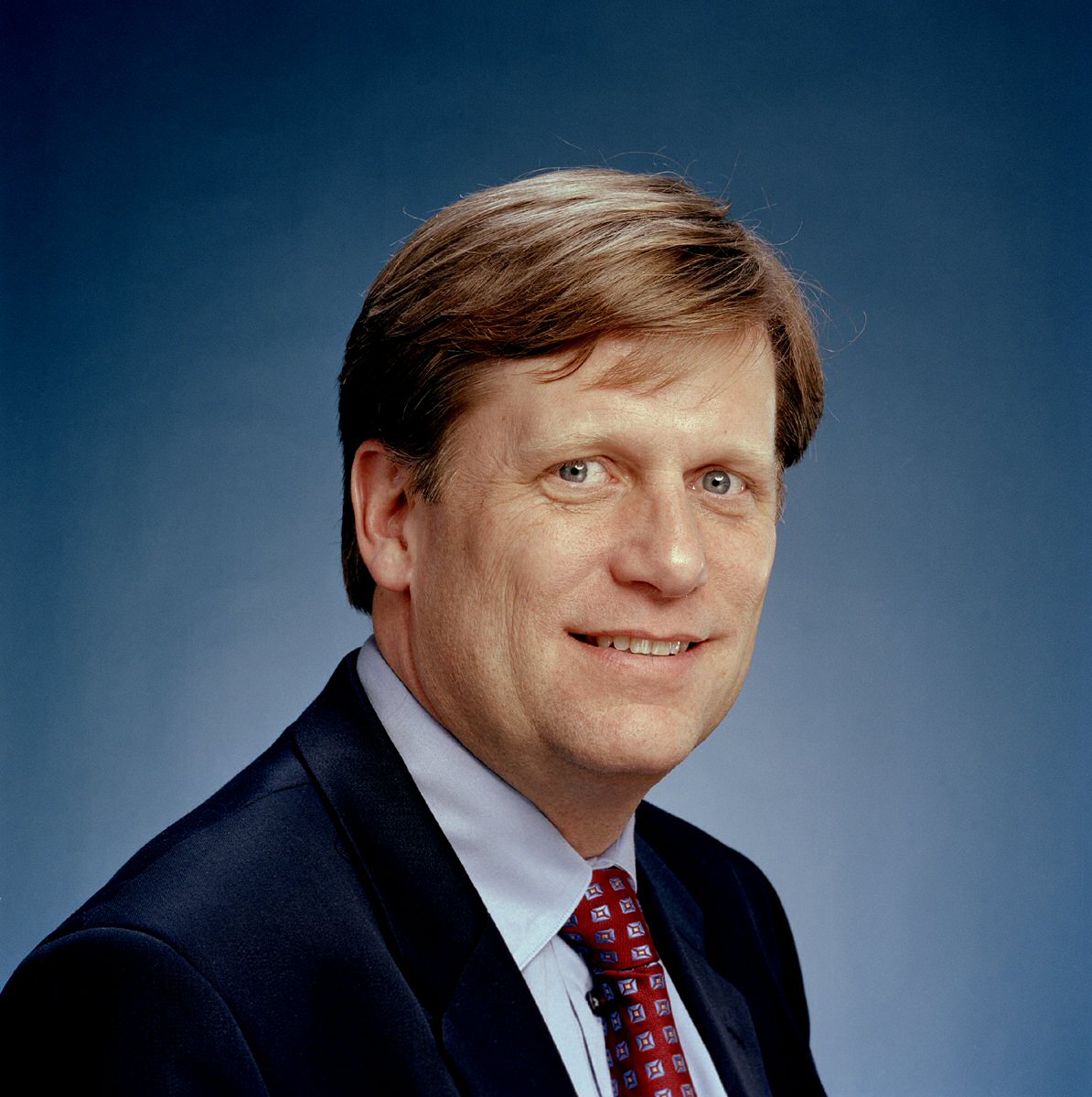
Former Senior Associate
In addition to his role at Carnegie, McFaul is Peter and Helen Bing Senior Fellow at the Hoover Institution and associate professor of political science at Stanford University.
Recent Work
Леонид Гозман, Michael McFaul
Michael McFaul, Sanja Tatic
Carnegie does not take institutional positions on public policy issues; the views represented herein are those of the author(s) and do not necessarily reflect the views of Carnegie, its staff, or its trustees.
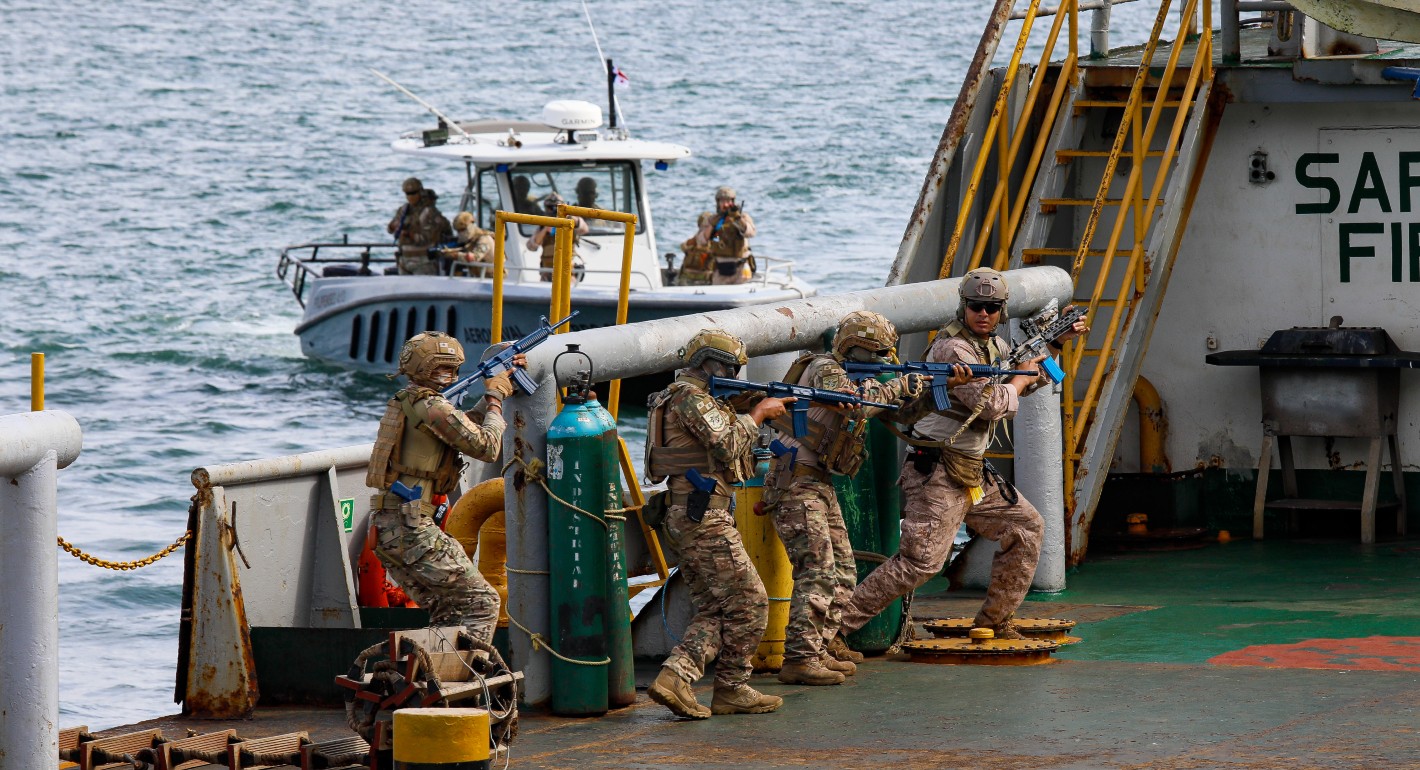
By focusing only on hard security, the Shield ignores the conditions that fuel cartel power.

Alejandro Martin Rodriguez, Kayly Ober
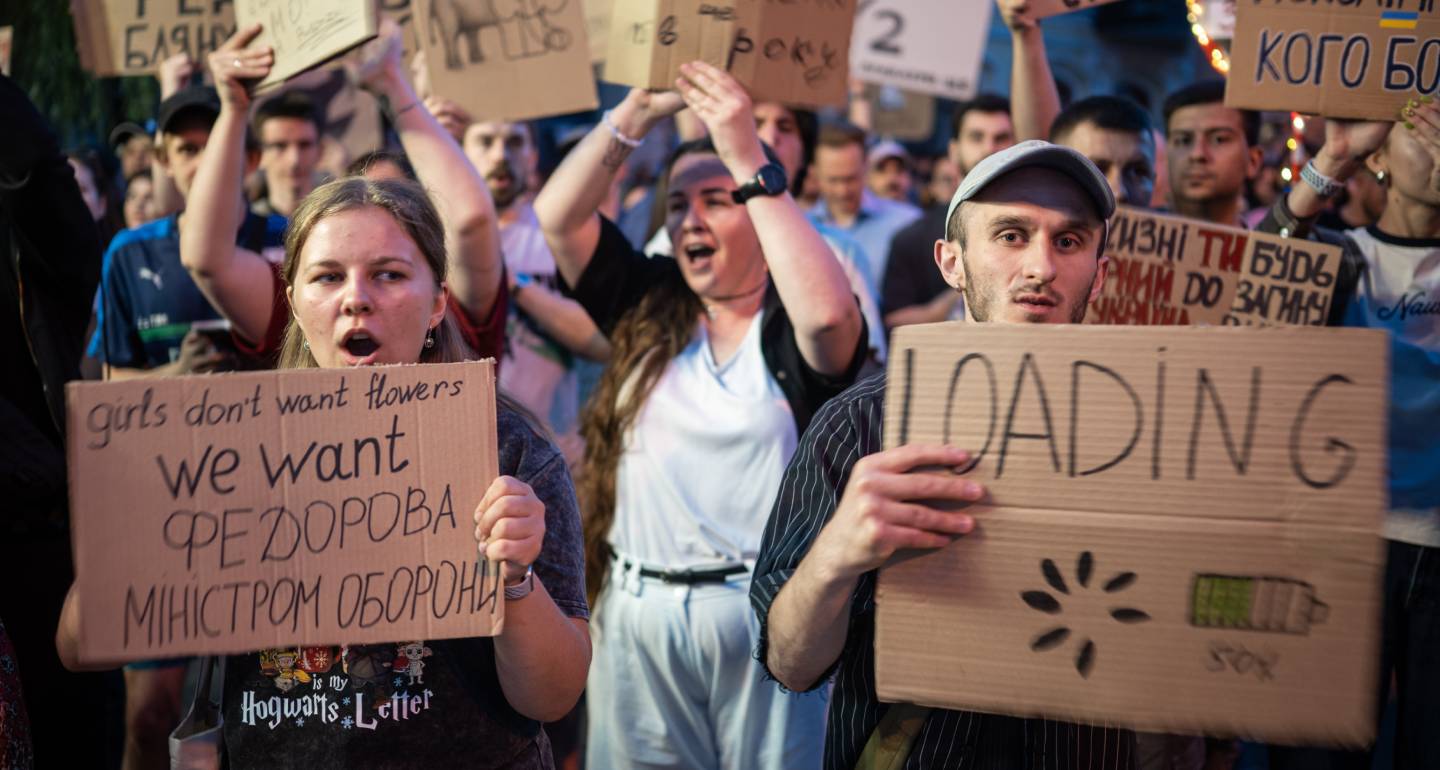
With his public call for new elections in Ukraine, ex-defense minister Mykhailo Fedorov has opened Pandora’s box.

Konstantin Skorkin

In supporting Europe’s far-right, MAGA and Russia both want the same thing: a weaker EU. Europe must defend itself without abandoning the openness these forces exploit.

Armida van Rij

The conflict has sent economic and political shock waves through a country with no representation at the negotiating table—and Kenya is not alone.
Georgia Schaefer-Brown, Jane Munga
Political pressure and economic headwinds are closely intertwined problems for Russian publishers and booksellers. Together, they risk propelling Russia into a “post-literate” era.
Galina Yuzefovich