• Research
  • Emissary
  • About
  • Experts
Carnegie Global logoCarnegie lettermark logo
DemocracyIran
  • Donate
{
  "authors": [
    "Edward C. Chow"
  ],
  "type": "legacyinthemedia",
  "centerAffiliationAll": "dc",
  "centers": [
    "Carnegie Endowment for International Peace"
  ],
  "collections": [],
  "englishNewsletterAll": "ctw",
  "nonEnglishNewsletterAll": "",
  "primaryCenter": "Carnegie Endowment for International Peace",
  "programAffiliation": "russia",
  "programs": [
    "Russia and Eurasia"
  ],
  "projects": [],
  "regions": [
    "Caucasus",
    "Russia",
    "Eastern Europe"
  ],
  "topics": [
    "Economy"
  ]
}
REQUIRED IMAGE

REQUIRED IMAGE

In The Media

Russian Pipelines: Back to the Future?

Link Copied
By Mr. Edward C. Chow
Published on Jan 16, 2004
Program mobile hero image

Program

Russia and Eurasia

The Russia and Eurasia Program continues Carnegie’s long tradition of independent research on major political, societal, and security trends in and U.S. policy toward a region that has been upended by Russia’s war against Ukraine.  Leaders regularly turn to our work for clear-eyed, relevant analyses on the region to inform their policy decisions.

Learn More

Source: Carnegie

Russian Pipelines: Back to the Future?

In both Soviet and Russian mythology, the health of the country's economy, national power, and influence in the world are directly linked to the performance of its oil and gas industry.

Please click here for a full text of this article.

About the Author

Mr. Edward C. Chow

Former Visiting Scholar

Mr. Edward C. Chow
Former Visiting Scholar
EconomyCaucasusRussiaEastern Europe

Carnegie does not take institutional positions on public policy issues; the views represented herein are those of the author(s) and do not necessarily reflect the views of Carnegie, its staff, or its trustees.

More Work from Carnegie Endowment for International Peace

  • Commentary
    Carnegie Politika
    Animal Tested by Leonid Bershidsky: A Utopian Novel for the Instagram Age

    Blurring the line between humans and animals is a long-standing tradition in social utopian prose. In his latest novel, Leonid Bershidsky reminds us that in social experiments, people are often treated no differently than animals.

      Alexander Baunov

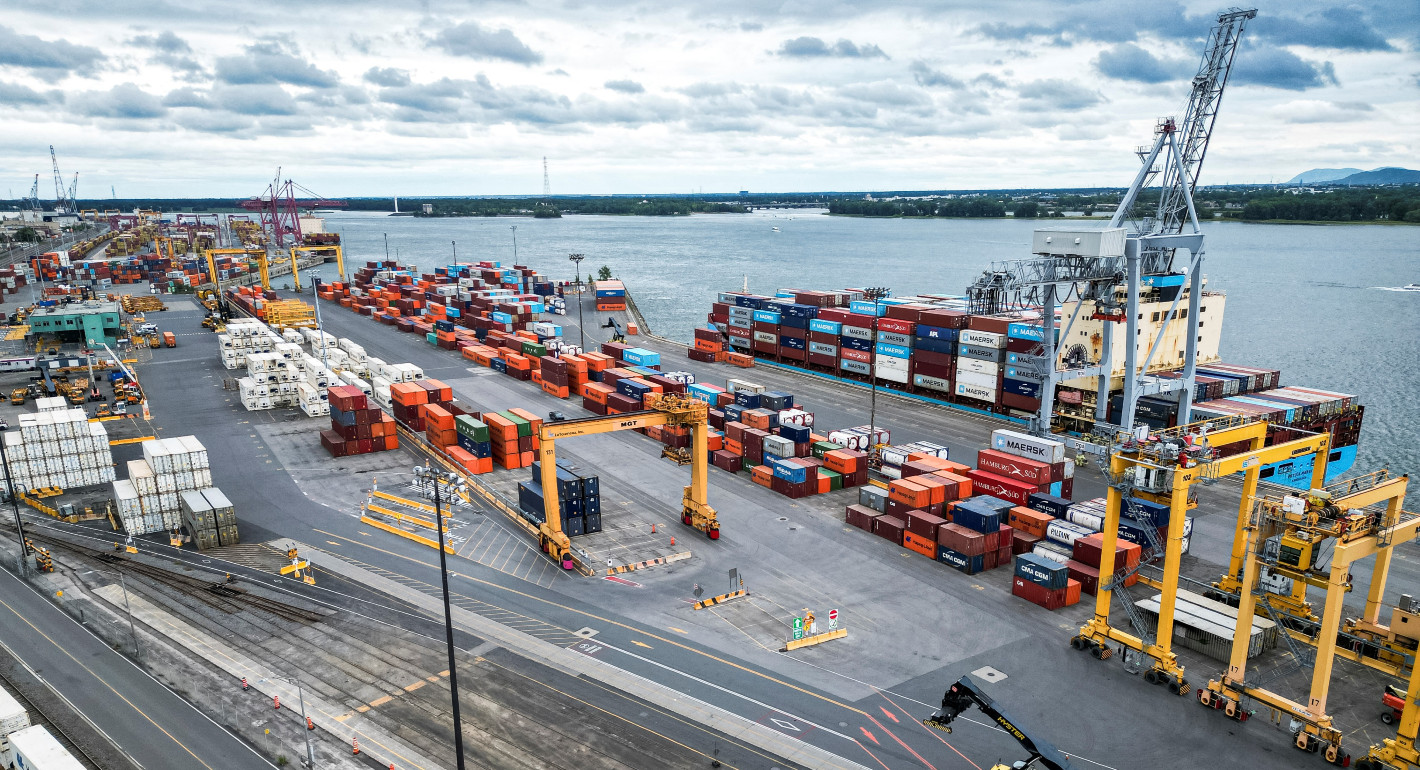
  • Aerial view of shipping containers at a port
    Commentary
    Emissary
    The Fallout of the U.S.–Canada Trade War Won’t Be Limited to North America

    U.S. trading partners in Asia are closely watching the dispute for signs of how it may affect their own interests.

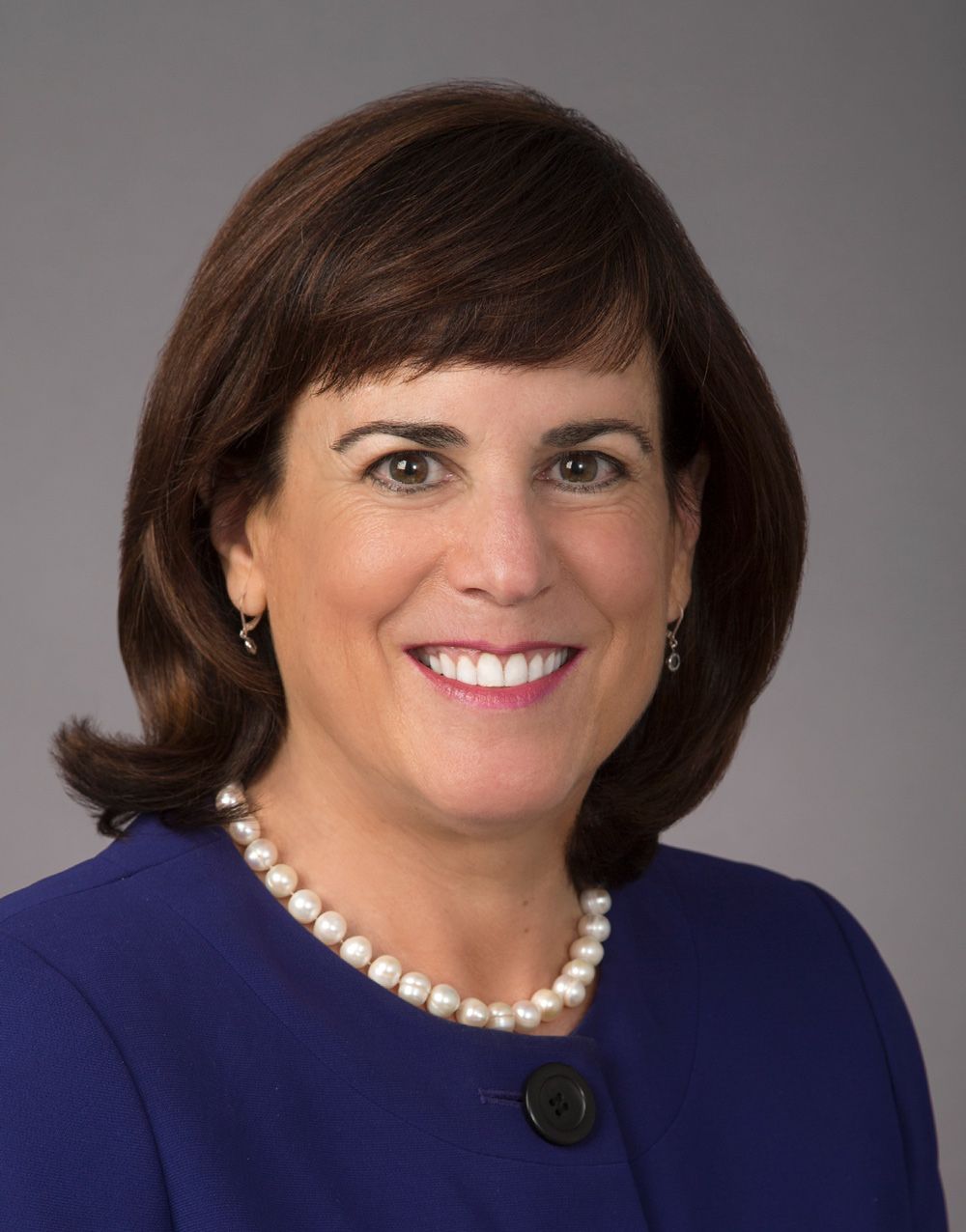
      • Barbara Weisel

      Barbara Weisel

  • Commentary
    Carnegie Politika
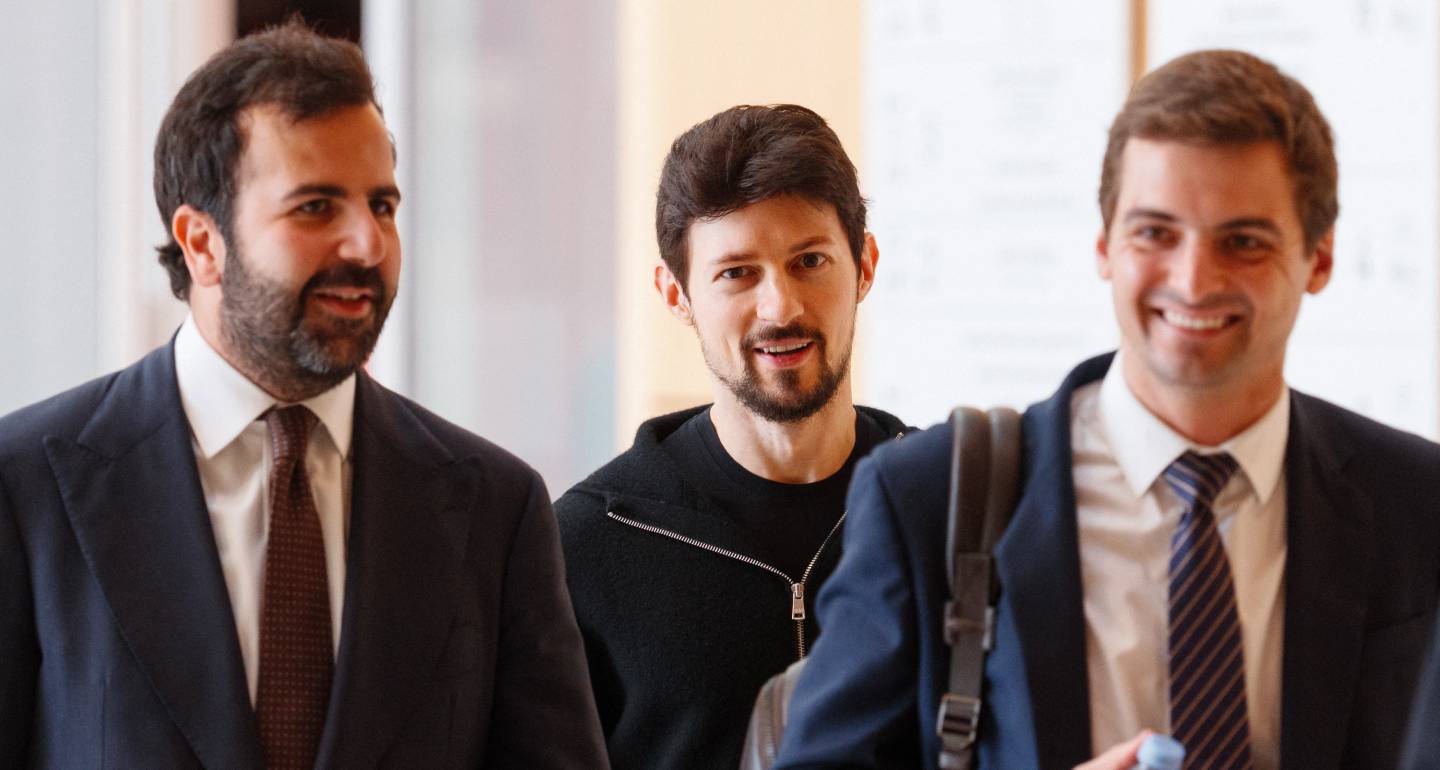
    Russia and the West Want Different Things From Telegram’s Durov

    While France and Australia are seeking to establish the legal obligations of messaging apps like Telegram, Russia wants total subordination.

      Maria Kolomychenko

  • Commentary
    Carnegie Politika
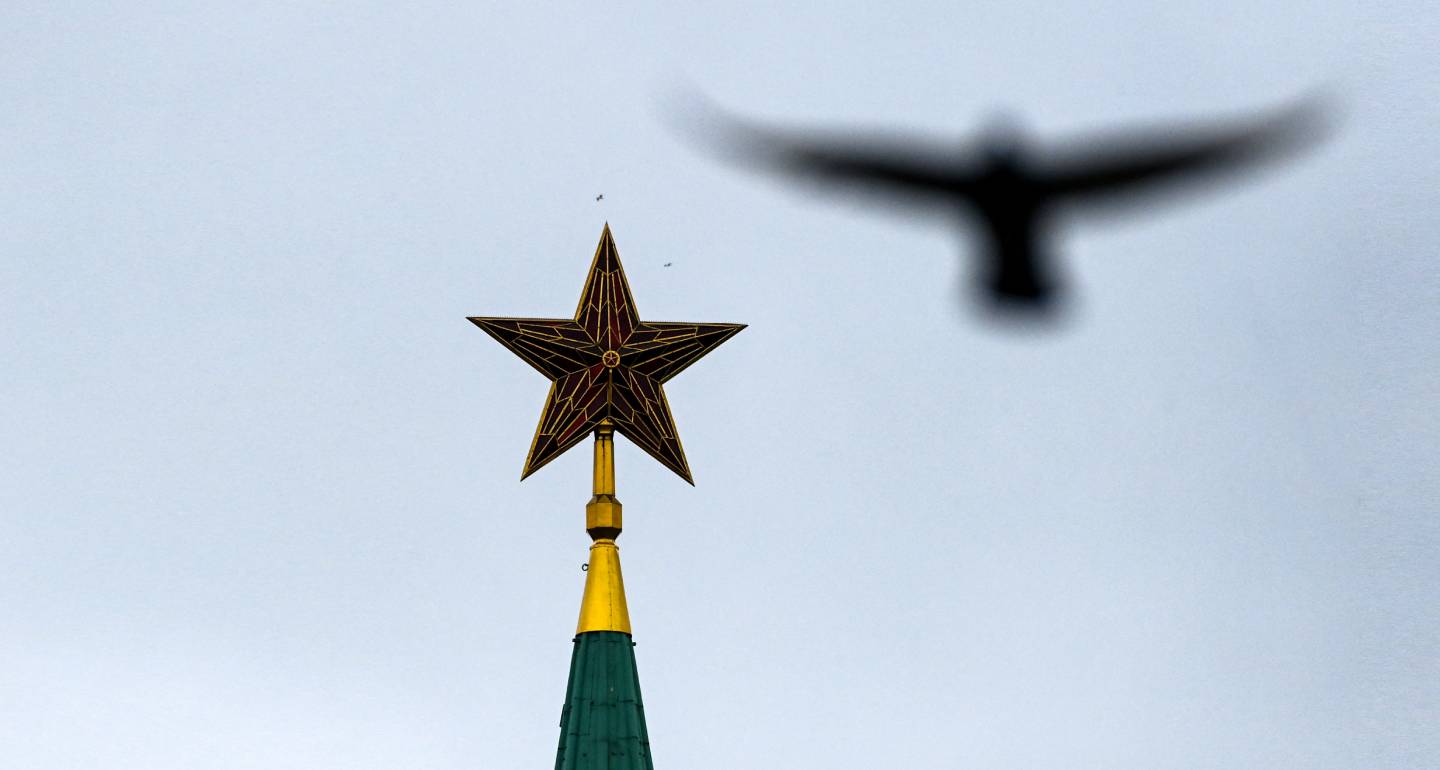
    Russia’s Orthodox Church Rewrites Rules for Venerating Saints to Help the Kremlin

    The recent uncovering of Dmitry Donskoy’s relics in the Cathedral of the Archangel is yet another attempt by the Russian Orthodox Church to help the state solve its problems. However, parroting the state’s version of Russian history leaves the Church with no message except “patriotism.”

      Alexander Zanemonets

  • Commentary
    Carnegie Politika
    As It Turns 25, the Shanghai Cooperation Organization Reflects the New World Order

    With the growth in points of friction between the great powers, organizations like the SCO will continue to play a role in the strategic adaptation of the smaller powers caught between them.

      Temur Umarov

Get more news and analysis from
Carnegie Endowment for International Peace
Carnegie global logo, stacked
1779 Massachusetts Avenue NWWashington, DC, 20036-2103Phone: 202 483 7600
  • Research
  • Emissary
  • About
  • Experts
  • Donate
  • Programs
  • Events
  • Blogs
  • Podcasts
  • Contact
  • Annual Reports
  • Careers
  • Privacy
  • For Media
  • Government Resources
Get more news and analysis from
Carnegie Endowment for International Peace
© 2026 Carnegie Endowment for International Peace. All rights reserved.