

Paper
Ashley J. Tellis
{
  "authors": [
    "Ashley J. Tellis"
  ],
  "type": "legacyinthemedia",
  "centerAffiliationAll": "dc",
  "centers": [
    "Carnegie Endowment for International Peace"
  ],
  "collections": [],
  "englishNewsletterAll": "ctw",
  "nonEnglishNewsletterAll": "",
  "primaryCenter": "Carnegie Endowment for International Peace",
  "programAffiliation": "SAP",
  "programs": [
    "South Asia"
  ],
  "projects": [],
  "regions": [
    "South Asia",
    "India"
  ],
  "topics": [
    "Foreign Policy"
  ]
}
REQUIRED IMAGE
Source: Force
According to Senior Associate Ashley J. Tellis, a recent joint-training exercise, Cope India 2004, involving the United States Air Force (USAF) and the Indian Air Force (IAF), demonstrated the surprising sophistication of Indian fighter aircraft and skill of Indian pilots. These realities make the IAF an attractive partner that has the capacity to make important contributions to
Former Senior Fellow
Ashley J. Tellis was a senior fellow at the Carnegie Endowment for International Peace.
Recent Work
Ashley J. Tellis
Ashley J. Tellis
Carnegie does not take institutional positions on public policy issues; the views represented herein are those of the author(s) and do not necessarily reflect the views of Carnegie, its staff, or its trustees.
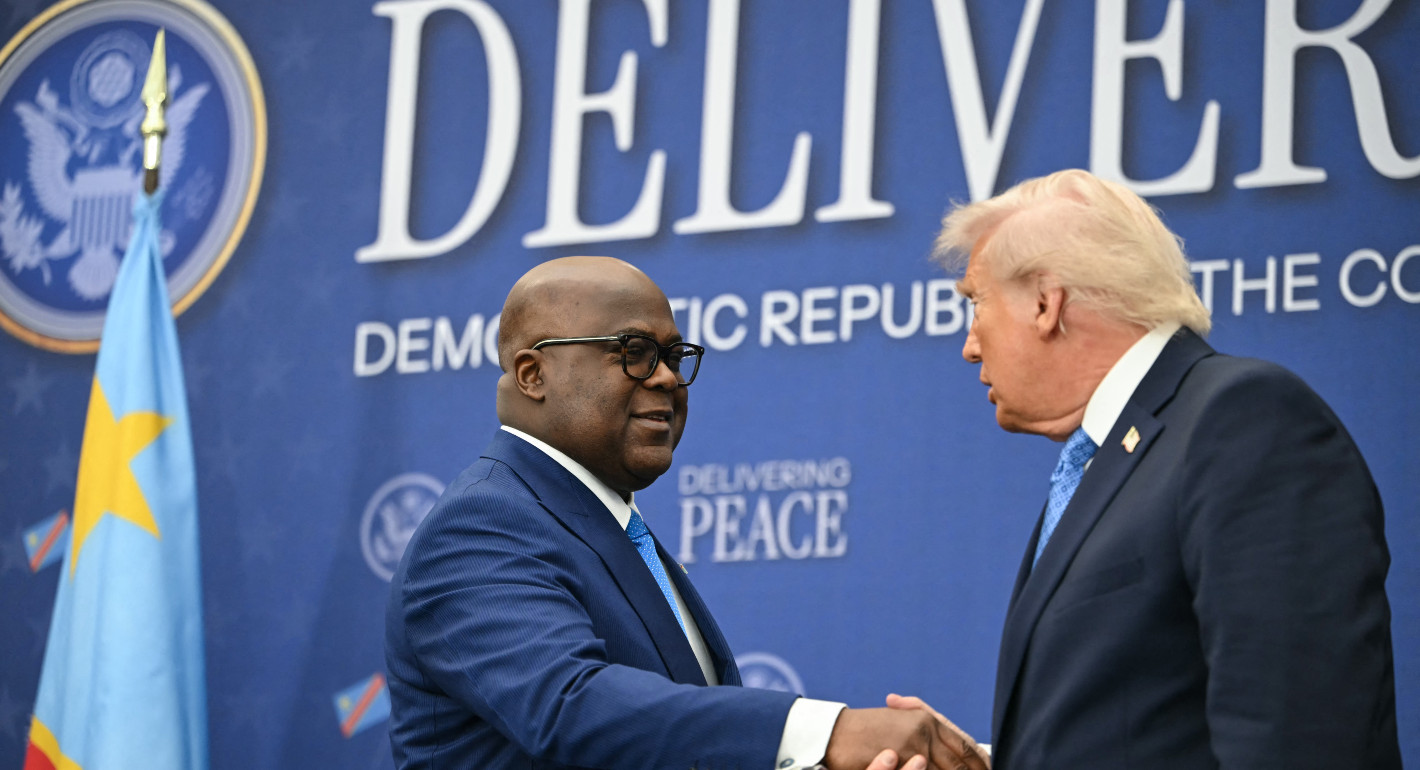
President Tshisekedi is implicating Washington in his pursuit of a third term. Staying silent may prove detrimental to the United States in the long run.

Christian-Géraud Neema
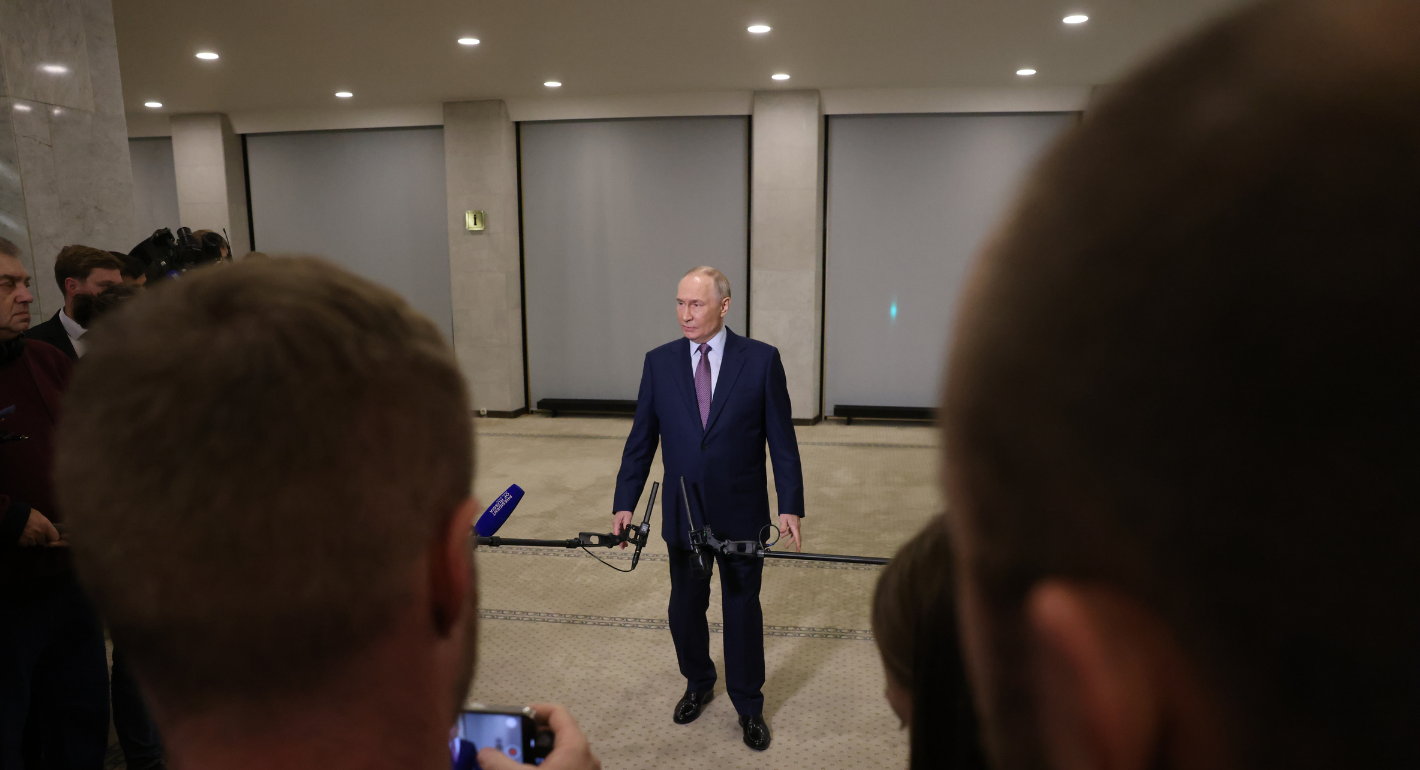
The EU had to compromise to adopt a twenty-first sanctions package against Russia, exposing growing cracks in the union’s resolve. Is this latest, weaker round worth it to keep pressure on Moscow?

Rym Momtaz, ed.
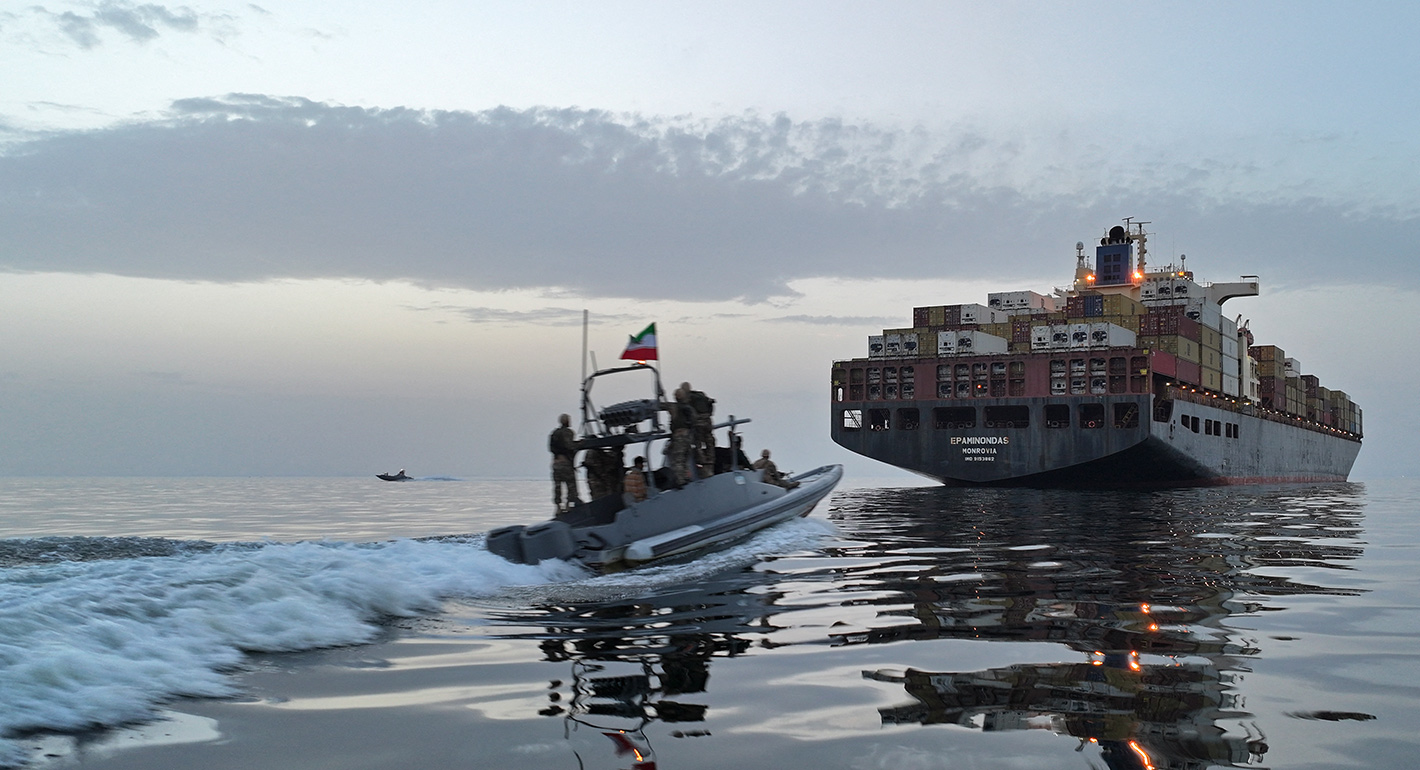
Potential Strait of Hormuz transit “fees” and Iran’s renminbi use are bringing attention to Beijing’s push to become a “financial power,” particularly in energy markets. Underdeveloped aspects of China’s financial system and its dollar dependencies still constrain the renminbi’s geoeconomic significance, but recent events may spur policy shifts aimed at changing these dynamics.

Robert Greene
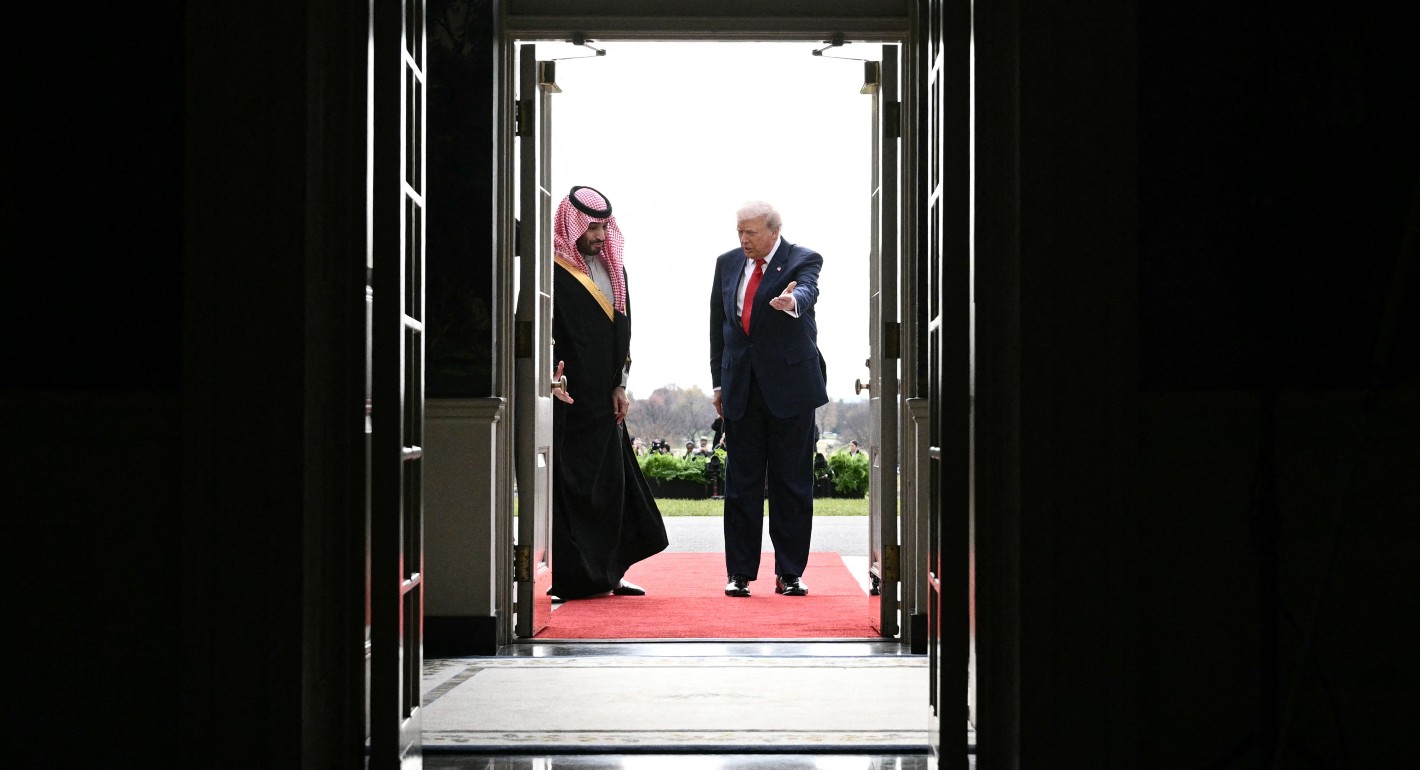
Despite the agreement’s uncertainty, it’s still a significant development in regional and nuclear policy.


Andrew Leber, Jane Darby Menton
“AI safety in parallel” is modest and pragmatic but vital.

Matt Sheehan