

Article
Dr. Albert Keidel
{
  "authors": [
    "Albert Keidel"
  ],
  "type": "legacyinthemedia",
  "centerAffiliationAll": "dc",
  "centers": [
    "Carnegie Endowment for International Peace"
  ],
  "collections": [],
  "englishNewsletterAll": "asia",
  "nonEnglishNewsletterAll": "",
  "primaryCenter": "Carnegie Endowment for International Peace",
  "programAffiliation": "AP",
  "programs": [
    "Asia"
  ],
  "projects": [],
  "regions": [
    "China"
  ],
  "topics": [
    "Economy",
    "Trade",
    "Military"
  ]
}
REQUIRED IMAGE
Source: Financial Times
Letter to the Editor
Sir, I was pleased to be interviewed for your article "A Dollar Dilemma," but I was disappointed to see that both it and the accompanying piece, "The Clock Ticks in Washington as Friends Drift Away," left the reader with an impression that everyone agrees that China is not practicing fair trade. In fact, like myself and a number of internationally more prominent economists, the World Bank, the International Monetary Fund, and the U.S. Treasury all agree that China's exchange rate does not provide an unfair trade advantage.
The piece relies heavily on quotes from U.S. Congressional sponsors of China sanctions legislation who are understandably concerned about the appearance that China has cost their constituents jobs and profits. It neglects differing views from other reputable sources outside China.
Albert Keidel, Senior Associate, Carnegie Endowment for International Peace
Former Senior Associate, China Program
Keidel served as acting director and deputy director for the Office of East Asian Nations at the U.S. Department of the Treasury. Before joining Treasury in 2001, he covered economic trends, system reforms, poverty, and country risk as a senior economist in the World Bank office in Beijing.
Recent Work
Dr. Albert Keidel
Dr. Albert Keidel

China’s political future will be shaped between now and next October. As the Communist Party enters its intense “campaign season” to prepare for a major political transition in 2027, reading Beijing's actions and responses may become more difficult as domestic politics weigh on its behavior more than usual.

Damien Ma

Rubio’s recent visit brought welcome attention, but more capital requires governance changes that may be a hard sell for regional governments.

Jennifer B. Murtazashvili
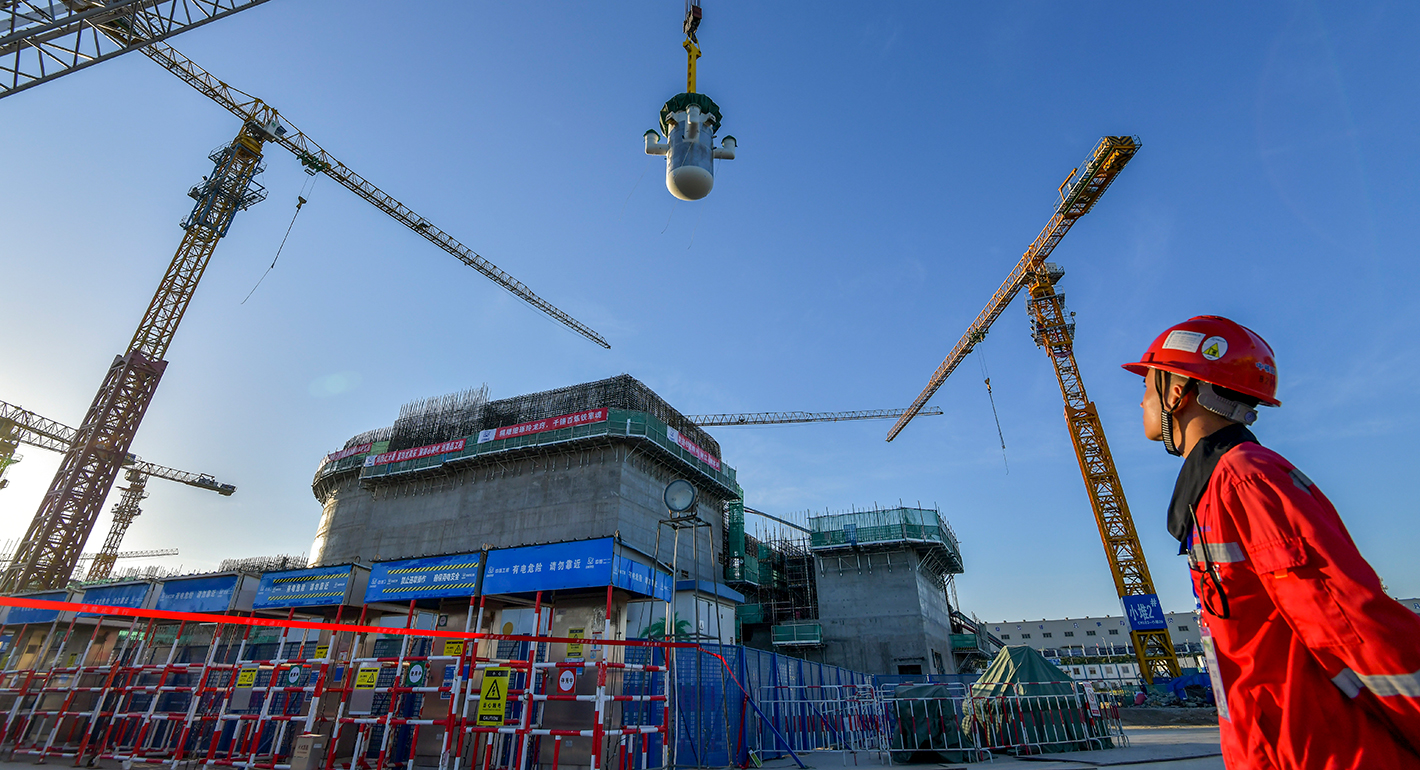
China has showcased its engineering prowess with small modular reactor demonstration projects. But turning these technological achievements into commercial success will be a greater challenge.

Tong Zhao
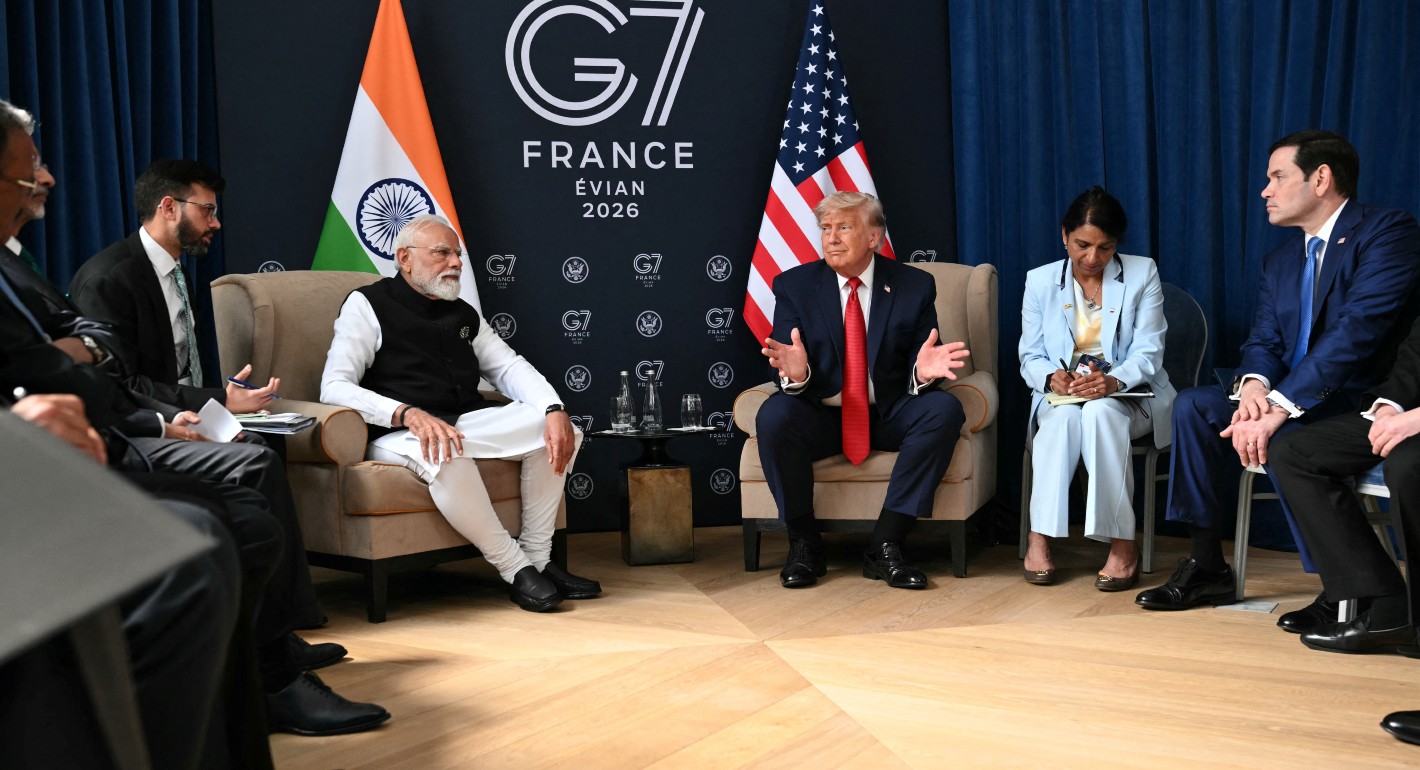
Despite public disputes over trade and immigration, the strategic partnership’s foundations remain sturdy.

Sameer Lalwani

It signals a new era of tech diffusion and warfare.

Steve Feldstein