

Article
Леонид Гозман, Michael McFaul
{
  "authors": [
    "Michael McFaul"
  ],
  "type": "legacyinthemedia",
  "centerAffiliationAll": "dc",
  "centers": [
    "Carnegie Endowment for International Peace"
  ],
  "collections": [],
  "englishNewsletterAll": "ctw",
  "nonEnglishNewsletterAll": "",
  "primaryCenter": "Carnegie Endowment for International Peace",
  "programAffiliation": "russia",
  "programs": [
    "Russia and Eurasia"
  ],
  "projects": [],
  "regions": [
    "Central Asia",
    "Uzbekistan",
    "Caucasus",
    "Russia"
  ],
  "topics": [
    "Political Reform",
    "Security",
    "Military",
    "Foreign Policy"
  ]
}
Source: Getty
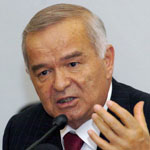
In my travels to roughly fifty countries, I have been thrown out of only one—Uzbekistan—just a few months after its emergence as an independent state under its first and only president, Islam Karimov. My crime: meeting with human rights activists.
Source: Hoover Institution Weekly Essays

At that time, Karimov's campaign to limit contact with Westerners was not considered a strategic concern for U.S. officials. Immediately following the USSR's collapse, the central aim of American foreign policy in Central Asia was to strengthen Uzbekistan's independence, thus ensuring that the Soviet Union was not reconstituted. Karimov has ruled Uzbekistan as a dictator, yet his repressive ways never impeded his developing close ties with the United States. In the 1990s, Uzbekistan emerged as an active participant in NATO's Partnership for Peace program and appeared eager to check Russian influence in the region.
The early strategy of engaging with Karimov's regime reaped huge short-term benefits for the United States in the immediate aftermath of September 11. Without hesitation, Karimov allowed U.S. and other NATO forces to use Uzbek air bases during the invasion of Afghanistan. The Uzbek base in Karshi-Khanabad proved a great asset in deploying U.S. forces in the region.
Moreover, Karimov's regime looked as though it would be an asset in fighting the war on terror because he claimed that it was successfully fighting the Islamic Movement of Uzbekistan, a fundamentalist terrorist organization. Karimov's method of rule seemed both pro-American and stable, atypical of that region.
Autocrats, however, never make for good allies in the long run. First and foremost, the internal stability that dictators provide is never permanent. In the face of societal unrest, oppressive autocrats eventually fuel societal resistance by resorting to even more repression to stay in power, sidelining moderates and strengthening extremists, such as Islamic fundamentalists. These situations rarely serve U.S. interests. Second, they answer to no one and can reverse external commitments at a moment's notice. Friendly dictators quickly become hostile.
Karimov today is demonstrating the limits of relying on autocrats as allies. On May 13, he ordered troops to fire on unarmed demonstrators in Andijon, killing hundreds. The circumstances that sparked this massacre remain murky, but his response has been crystal clear: more repression. Even more surprising has been his decision to blame the West for the Andijon tragedy and turn against the United States. Our once stable and solid ally in Central Asia has now embraced Russian president Vladimir Putin and called for the eviction of U.S. forces. Our close association with Karimov is also an embarrassment to President Bush's liberty doctrine.
Even more threatening is the combustible political situation in Uzbekistan. Thirteen years of dictatorship have not reduced the terrorist threat to Uzbekistan or the region; any regime that must slaughter its citizens to remain in power is not stable. In banking on Karimov as our ally, we are squandering the opportunity to foster the kinds of democratic institutions that make for more enduring U.S. allies.
© 2005 by the Board of Trustees of Leland Stanford Junior University
Reproduced here with the permission of the Hoover Institution.
Former Senior Associate
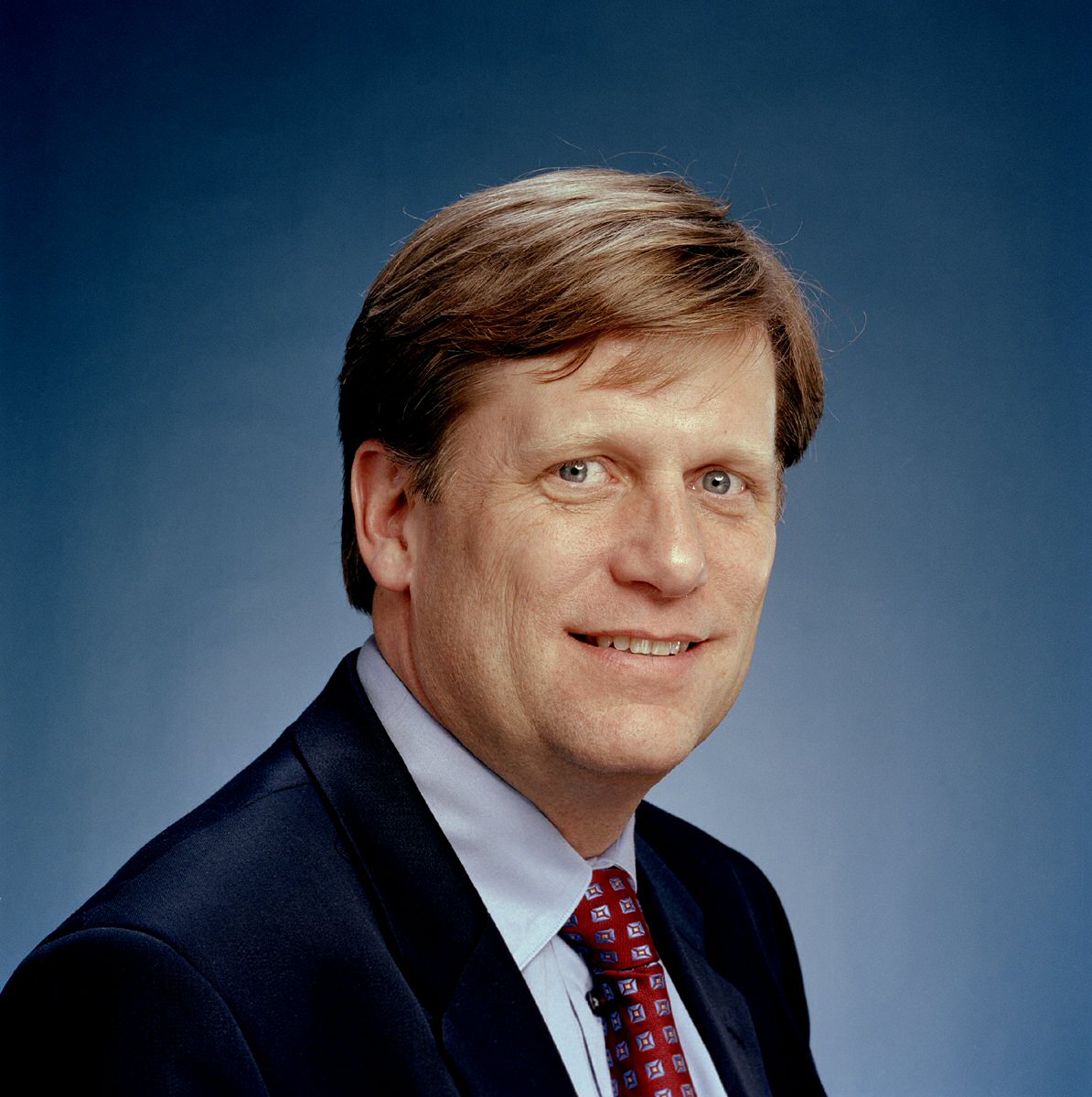
In addition to his role at Carnegie, McFaul is Peter and Helen Bing Senior Fellow at the Hoover Institution and associate professor of political science at Stanford University.
Recent Work
Леонид Гозман, Michael McFaul
Michael McFaul, Sanja Tatic
Carnegie does not take institutional positions on public policy issues; the views represented herein are those of the author(s) and do not necessarily reflect the views of Carnegie, its staff, or its trustees.

The Bureau of Industry and Security needs to adjust its focus and practices to maintain its position as the U.S. government’s primary champion of international technological competition.

Geoffrey Irving
They face an uphill climb, but they could draw on a strategy that other diplomats have used in the past.


Shana Tabak, Alejandro Martin Rodriguez

European Commission President Ursula von der Leyen is about to give her annual address on the state of the EU. Here’s what she won’t—but should—say.

Rym Momtaz

Depleted financial reserves and a shrinking tax base mean it is no longer possible to simultaneously deliver high defense spending, price stability, and economic growth.

Alexandra Prokopenko
Understanding the climatic pain points is necessary for policymakers hoping to minimize the war’s negative environmental consequences.


Alejandro Martin Rodriguez, Joy Arkeh, Sarah Yerkes