

Commentary
An overwhelming victory by a far-right-wing party in a small state in eastern Germany will have major repercussions for Chancellor Friedrich Merz’s coalition.
Judy Dempsey
{
  "authors": [
    "Amr Hamzawy",
    "Nathan J. Brown"
  ],
  "type": "other",
  "centerAffiliationAll": "dc",
  "centers": [
    "Carnegie Endowment for International Peace"
  ],
  "collections": [],
  "englishNewsletterAll": "democracy",
  "nonEnglishNewsletterAll": "",
  "primaryCenter": "Carnegie Endowment for International Peace",
  "programAffiliation": "DCG",
  "programs": [
    "Democracy, Conflict, and Governance",
    "Middle East"
  ],
  "projects": [],
  "regions": [
    "Middle East",
    "Egypt"
  ],
  "topics": [
    "Political Reform",
    "Democracy"
  ]
}
REQUIRED IMAGE
The Egyptian political system has emerged sharply bipolar from recent parliamentary elections. While the ruling National Democratic Party won its expected victory, the performance of the Muslim Brotherhood surprised the NDP and the secular opposition forces. How will the Egyptian government react to the opposition’s success?
Source: Carnegie Endowment
The Egyptian political system has emerged sharply bipolar from recent parliamentary elections. While the ruling National Democratic Party won its expected victory, the performance of the Muslim Brotherhood surprised the NDP and the secular opposition forces. How will the Egyptian government react to the opposition’s success? Will both groups be able to coexist peacefully in the democratically-elected parliament?
Hamzawy and Brown argue that the Mubarak regime has three choices: to resort to escalating repressive measures, to accept the new role of the Brotherhood and integrate it fully, or to accommodate it in a rather cautious way. Given the new weight of the Brotherhood as the dominant bloc within the opposition camp, the movement might be tempted to press for immediate political gains, which could raise acute policy dilemmas for the Egyptian government, the U.S. and others.
This is a web-only publication.
Click on the link above for the full text of this Carnegie publication.
About the Author
Amr Hamzawy and Nathan Brown are both senior associates in the Democracy and Rule of Law Project at the Carnegie Endowment.

Director, Middle East Program
Amr Hamzawy is a senior fellow and the director of the Carnegie Middle East Program. His research and writings focus on Egypt’s and other middle powers’ involvement in regional security in the Middle East, particularly through collective diplomacy and multilateral conflict resolution

Nonresident Senior Fellow, Middle East Program
Nathan J. Brown, a professor of political science and international affairs at George Washington University, is a distinguished scholar and author of nine books on Arab politics and governance, as well as editor of five books.
Carnegie does not take institutional positions on public policy issues; the views represented herein are those of the author(s) and do not necessarily reflect the views of Carnegie, its staff, or its trustees.

An overwhelming victory by a far-right-wing party in a small state in eastern Germany will have major repercussions for Chancellor Friedrich Merz’s coalition.

Judy Dempsey
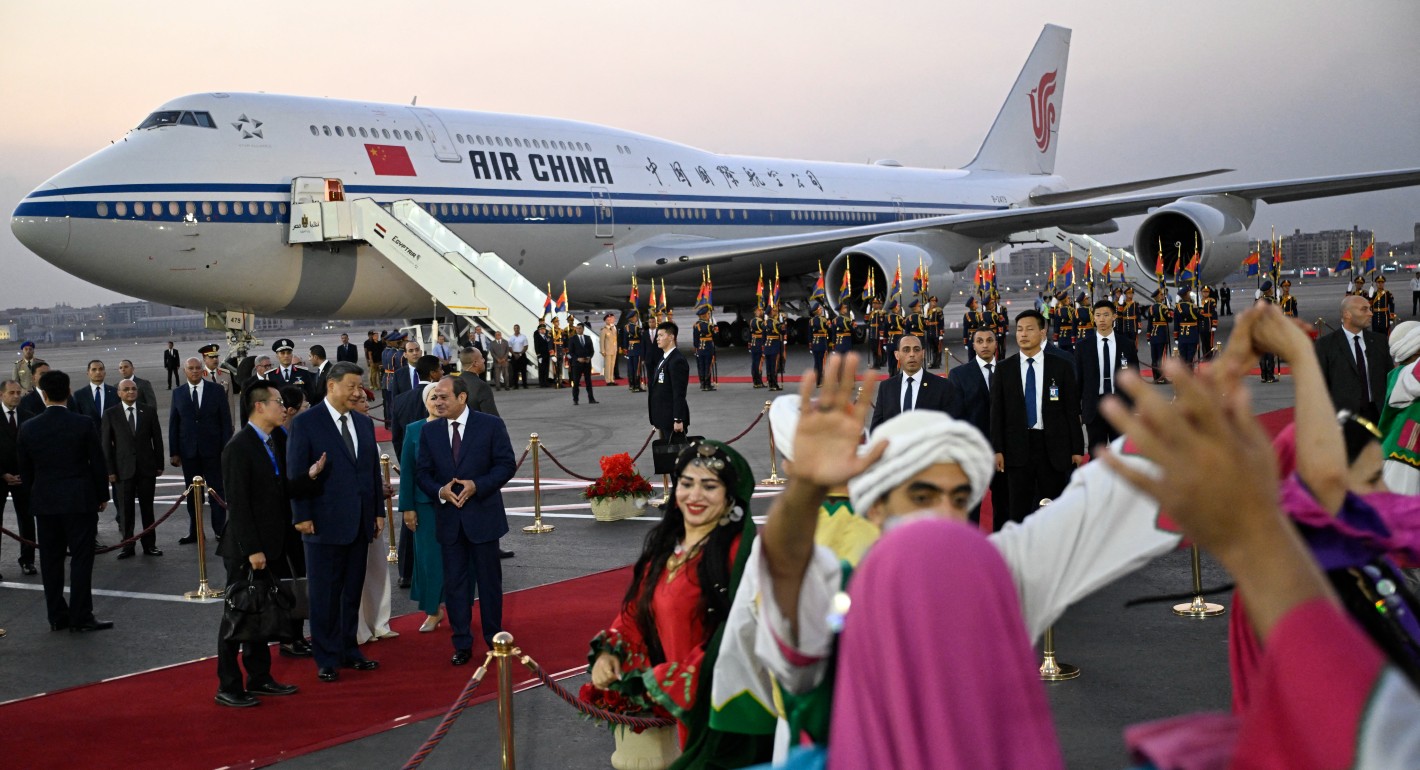
Amid celebrations of bilateral ties was a deeper focus on stability in the Middle East.
Amr Hamzawy
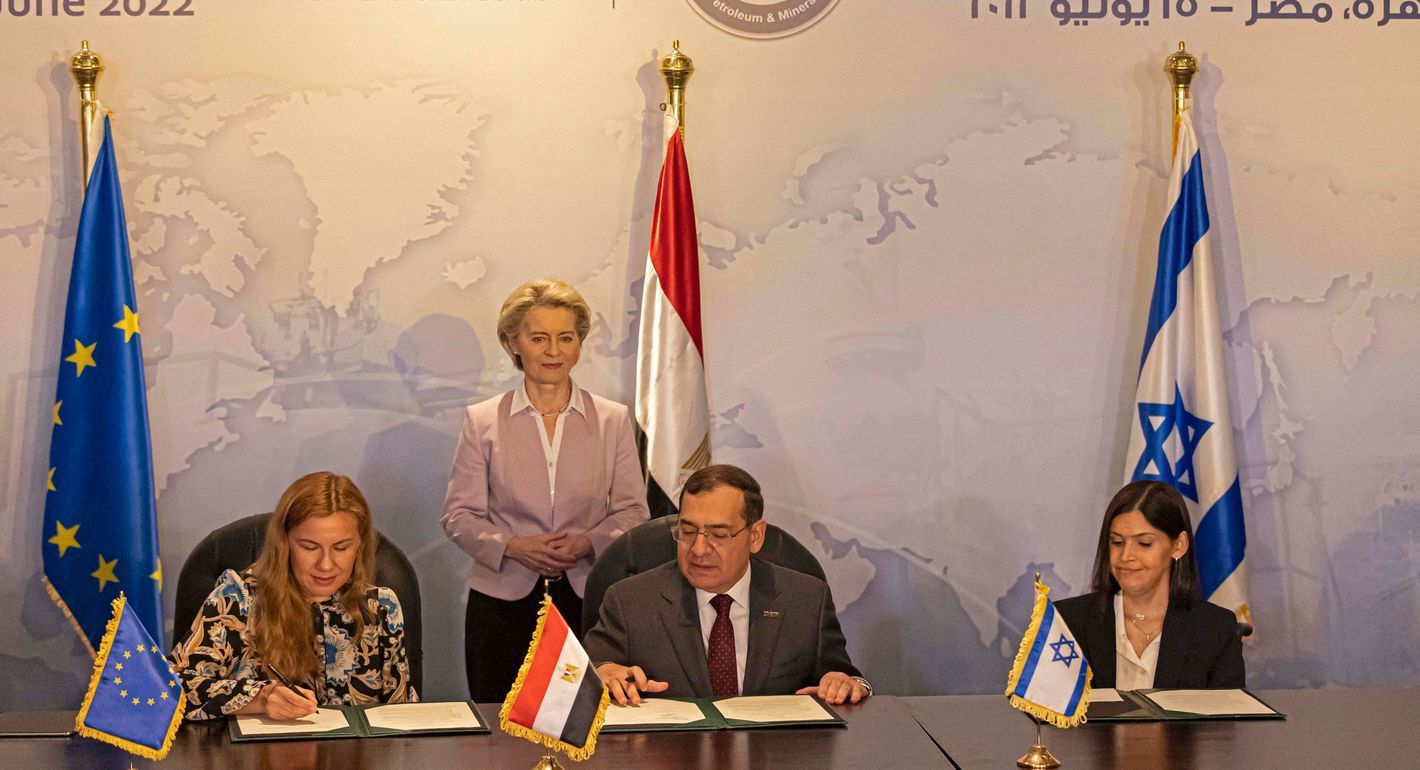
Can economic ties help contain conflict between Egypt and Israel, or do they simply postpone confrontation? Drawing on the German-Russian experience, the article examines how the gas deal creates mutual dependence, keeps channels of cooperation open, and raises the cost of conflict, without necessarily delivering lasting peace.

Nourhan Hefzy

The greater threat to Zelensky comes not from Fedorov alone, but from the convergence between the former defense minister’s political campaign and the anti-corruption investigations moving ever closer to the presidential administration.

Balázs Jarábik
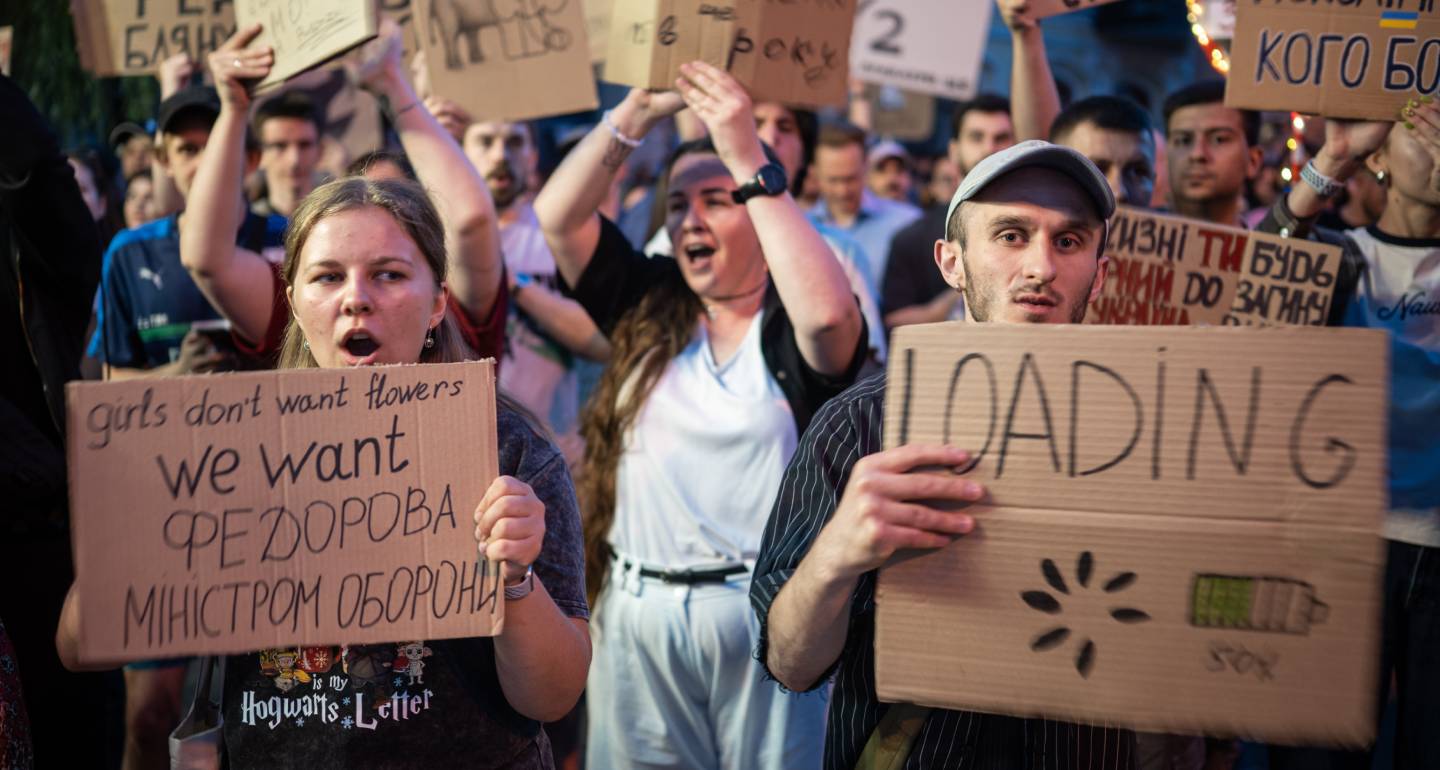
With his public call for new elections in Ukraine, ex-defense minister Mykhailo Fedorov has opened Pandora’s box.

Konstantin Skorkin