

Article
Marina Ottaway, Omar Hossino
{
  "authors": [
    "Marina Ottaway"
  ],
  "type": "legacyinthemedia",
  "centerAffiliationAll": "dc",
  "centers": [
    "Carnegie Endowment for International Peace"
  ],
  "collections": [],
  "englishNewsletterAll": "democracy",
  "nonEnglishNewsletterAll": "",
  "primaryCenter": "Carnegie Endowment for International Peace",
  "programAffiliation": "DCG",
  "programs": [
    "Democracy, Conflict, and Governance",
    "Middle East"
  ],
  "projects": [],
  "regions": [
    "Middle East",
    "Iraq"
  ],
  "topics": [
    "Political Reform",
    "Democracy",
    "Foreign Policy"
  ]
}
REQUIRED IMAGE
Source: Wall Street Journal
Violence in Iraq continues to take on gruesome new dimensions, including the killing of Shiite students grabbed from vehicles on their way to take exams, and the abduction of at least 50 people at bus stations in Baghdad. Prime Minister Nouri al Maliki has declared a state of emergency in the oil-rich southern province of Basra and expects to implement a new security plan for Baghdad.
But the prime minister still hasn't been able to reach consensus among Iraq's ethnic and sectarian parties on candidates for the powerful interior and defense ministers -- posts that must be filled in order for the government to eventually take over security from the U.S.-led coalition. And it remains to be seen when the government will be able to reduce the violence.
Marina S. Ottaway, director of the Middle East program at the Carnegie Endowment for International Peace, talks with the Online Journal about the rising sectarian and militia violence in Iraq, the new Iraqi government and the U.S.-led coalition's inability to cut the Gordian knot.
To read interview click here. (registration required)

Former Senior Associate, Middle East Program
Before joining the Endowment, Ottaway carried out research in Africa and in the Middle East for many years and taught at the University of Addis Ababa, the University of Zambia, the American University in Cairo, and the University of the Witwatersrand in South Africa.
Recent Work
Marina Ottaway, Omar Hossino
Marina Ottaway
Carnegie does not take institutional positions on public policy issues; the views represented herein are those of the author(s) and do not necessarily reflect the views of Carnegie, its staff, or its trustees.
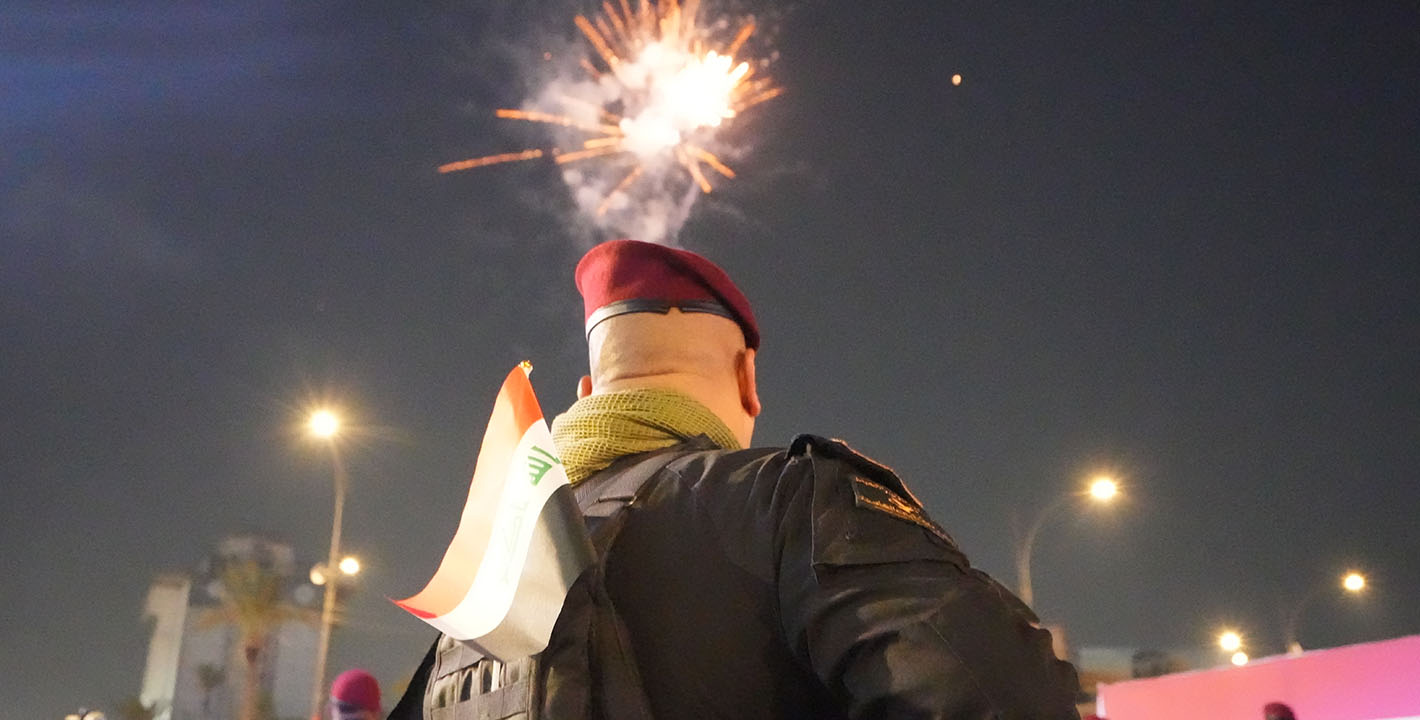
As the U.S.-led Coalition withdraws, the Kurds’ reliance on Baghdad, and on themselves, will only increase.
Wladimir van Wilgenburg
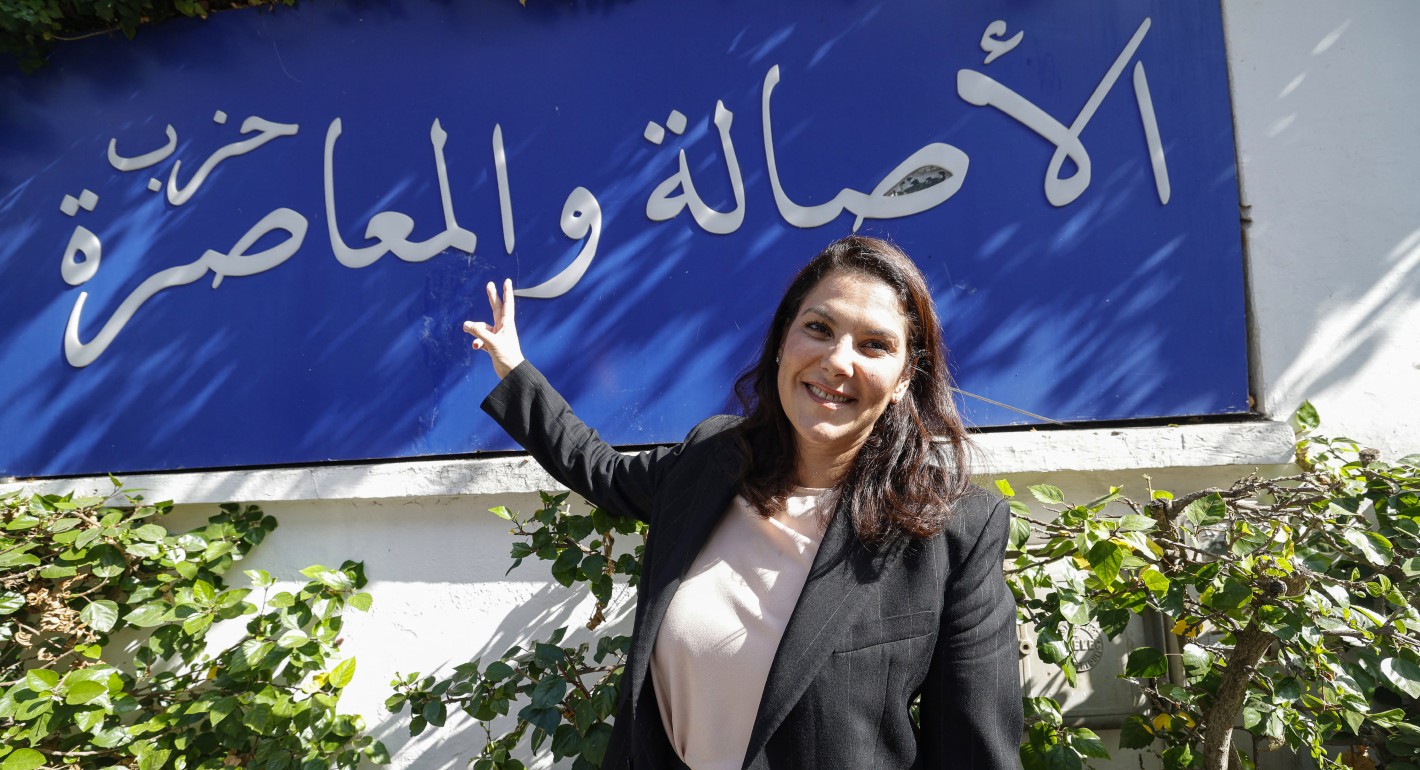
Fatima El Mansouri is the country’s first female prime minister. She’s also a privileged insider in a largely ceremonial position.

Sarah Yerkes

The acknowledgment has sparked fears of a new arms race with China and Russia.

Chris O’Meara

Smaller powers cannot go it alone, but Canadian history shows that integration with the United States will not always be benign.
Paul Samson

The European Commissioner for Trade is headed to China. But after President Xi’s bridge-building visit to Washington, can a more isolated EU overcome Beijing’s stranglehold on critical raw materials? Who will blink first?

Rym Momtaz, ed.