

In The Media
Josh Kurlantzick
{
  "authors": [
    "Josh Kurlantzick"
  ],
  "type": "other",
  "centerAffiliationAll": "dc",
  "centers": [
    "Carnegie Endowment for International Peace"
  ],
  "collections": [],
  "englishNewsletterAll": "asia",
  "nonEnglishNewsletterAll": "",
  "primaryCenter": "Carnegie Endowment for International Peace",
  "programAffiliation": "AP",
  "programs": [
    "Asia"
  ],
  "projects": [],
  "regions": [
    "China",
    "Southeast Asia",
    "East Asia"
  ],
  "topics": [
    "Political Reform",
    "Democracy",
    "Economy",
    "Trade",
    "Military",
    "Domestic Politics"
  ]
}
Source: Getty
While China’s rising soft power could prove benign or even beneficial in some respects, it could prove disastrous for Southeast Asia—for democratization, for anticorruption initiatives, and for good governance.
In a new Policy Brief, China’s Charm: Implications of Chinese Soft Power, Carnegie Visiting Scholar Joshua Kurlantzick analyzes China’s influence and policy tools of soft power and argues that, while China’s rising soft power could prove benign or even beneficial in some respects, it could prove disastrous for Southeast Asia—for democratization, for anticorruption initiatives, and for good governance.
Over the past decade China has downplayed its hard power in Southeast Asia, instead creating a strategy to build its soft power. For the first time in post-WWII history, the United States may be facing a situation in which another country’s appeal outstrips its own in an important region, a change sure to shock the United States. Before China’s appeal spreads to other parts of the developing world, U.S. policy makers need to understand how China exerts soft power, if China’s soft power could be dangerous to developing nations, and whether elements of China’s charm could threaten U.S. interests.
Click on the link above for the full text of this Carnegie publication.
Joshua Kurlantzick is a visiting scholar in the China Program at the Carnegie Endowment for International Peace.

Former Visiting Scholar, China Program
A special correspondent for The New Republic, a columnist for Time, and a senior correspondent for The American Prospect, Kurlantzick assesses China’s relationship with the developing world, including Southeast Asia, Africa, and Latin America.
Recent Work
Josh Kurlantzick
Carnegie does not take institutional positions on public policy issues; the views represented herein are those of the author(s) and do not necessarily reflect the views of Carnegie, its staff, or its trustees.
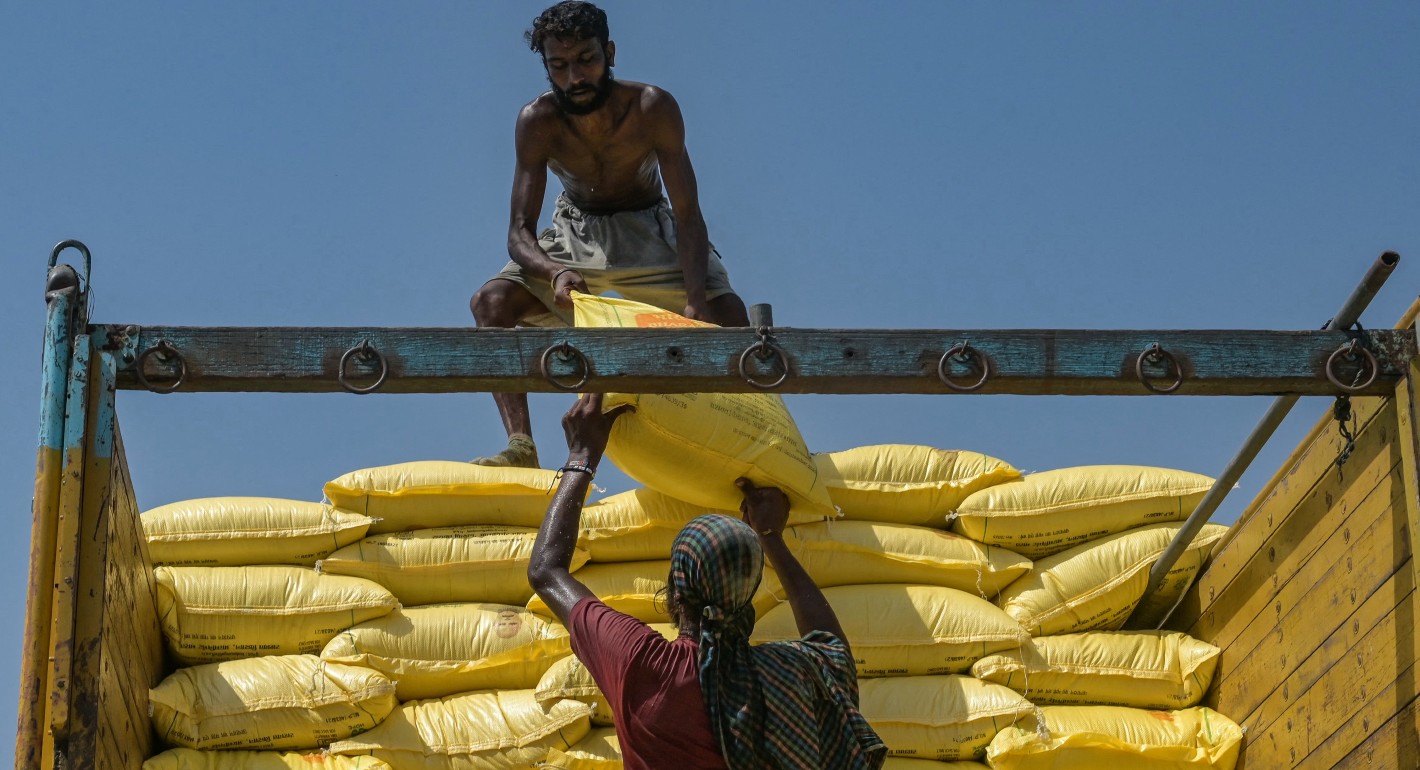
Even if the Iran war stops, restarting production and transport for fertilizers and their components could take weeks—at a crucial moment for planting.

Noah Gordon, Lucy Corthell
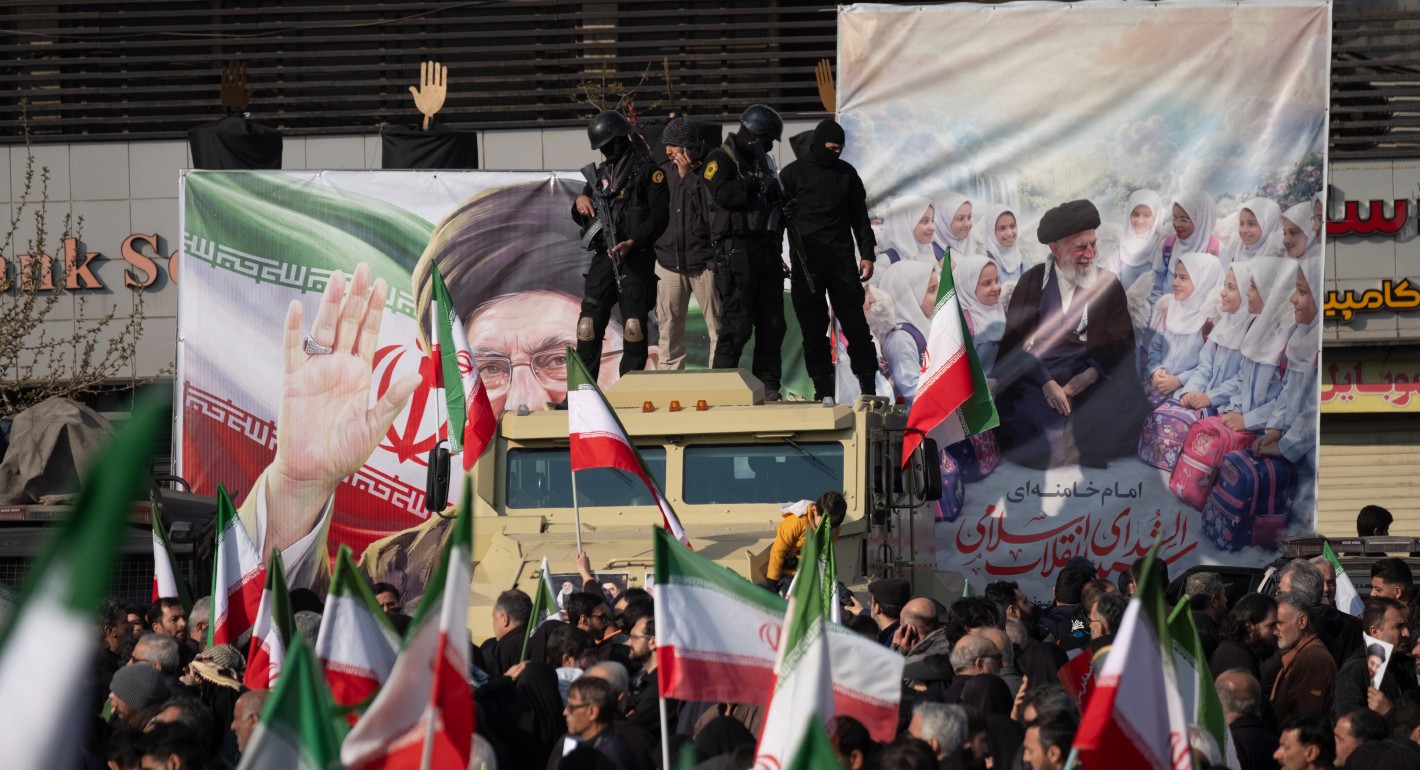
The recent record of citizen uprisings in autocracies spells caution for the hope that a new wave of Iranian protests may break the regime’s hold on power.


Thomas Carothers, McKenzie Carrier

European reactions to the war in Iran have lost sight of wider political dynamics. The EU must position itself for the next phase of the crisis without giving up on its principles.

Richard Youngs
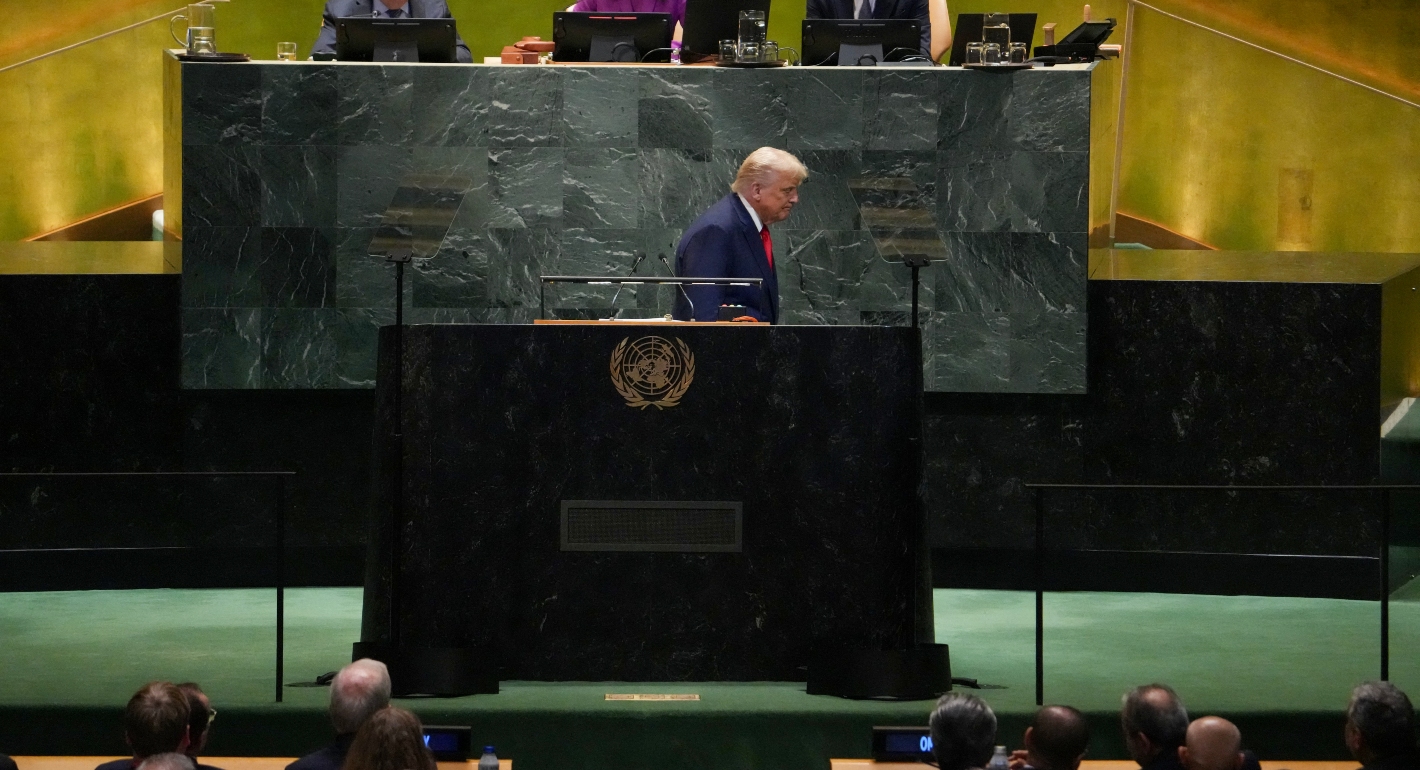
For years, the United States anchored global cyber diplomacy. As Washington rethinks its leadership role, the launch of the UN’s Cyber Global Mechanism may test how allies adjust their engagement.


Patryk Pawlak, Chris Painter

Internet service providers can facilitate internet access but also draconian control.

Irene Poetranto