

Article
Frederic Grare
{
  "authors": [
    "Frederic Grare"
  ],
  "type": "legacyinthemedia",
  "centerAffiliationAll": "dc",
  "centers": [
    "Carnegie Endowment for International Peace"
  ],
  "collections": [],
  "englishNewsletterAll": "ctw",
  "nonEnglishNewsletterAll": "",
  "primaryCenter": "Carnegie Endowment for International Peace",
  "programAffiliation": "SAP",
  "programs": [
    "South Asia"
  ],
  "projects": [],
  "regions": [
    "South Asia",
    "India",
    "Pakistan"
  ],
  "topics": []
}
Source: Getty
Source: The Conversation

The train bombing in India has killed nearly 200 people. While no group has claimed responsibility for the attacks, there is suspicion that Pakistan could be involved. This could strain the relationship between India and Pakistan that has recently shown some improvement. Frederic Grare, visiting scholar with the Carnegie Endowment for International Peace, commented on these issues in NPR’s The Conversation.
Click here to listen to MP3 Audio.
Click here to listen to Real Audio.
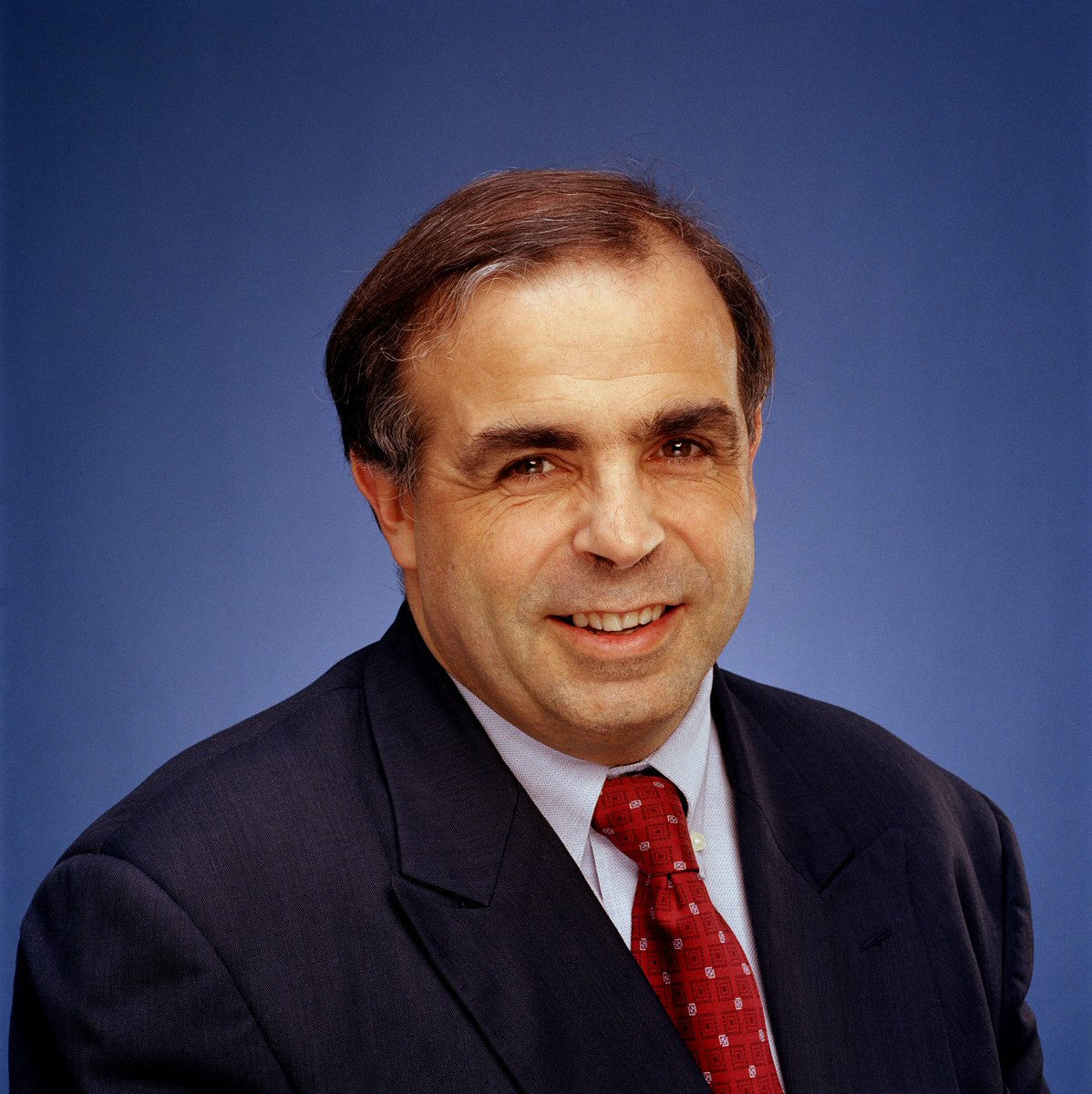
Former Nonresident Senior Fellow, South Asia Program
Frédéric Grare was a nonresident senior fellow at the Carnegie Endowment for International Peace, where his research focuses on Indo-Pacific dynamics, the search for a security architecture, and South Asia Security issues.
Recent Work
Frederic Grare
Frederic Grare
Carnegie does not take institutional positions on public policy issues; the views represented herein are those of the author(s) and do not necessarily reflect the views of Carnegie, its staff, or its trustees.
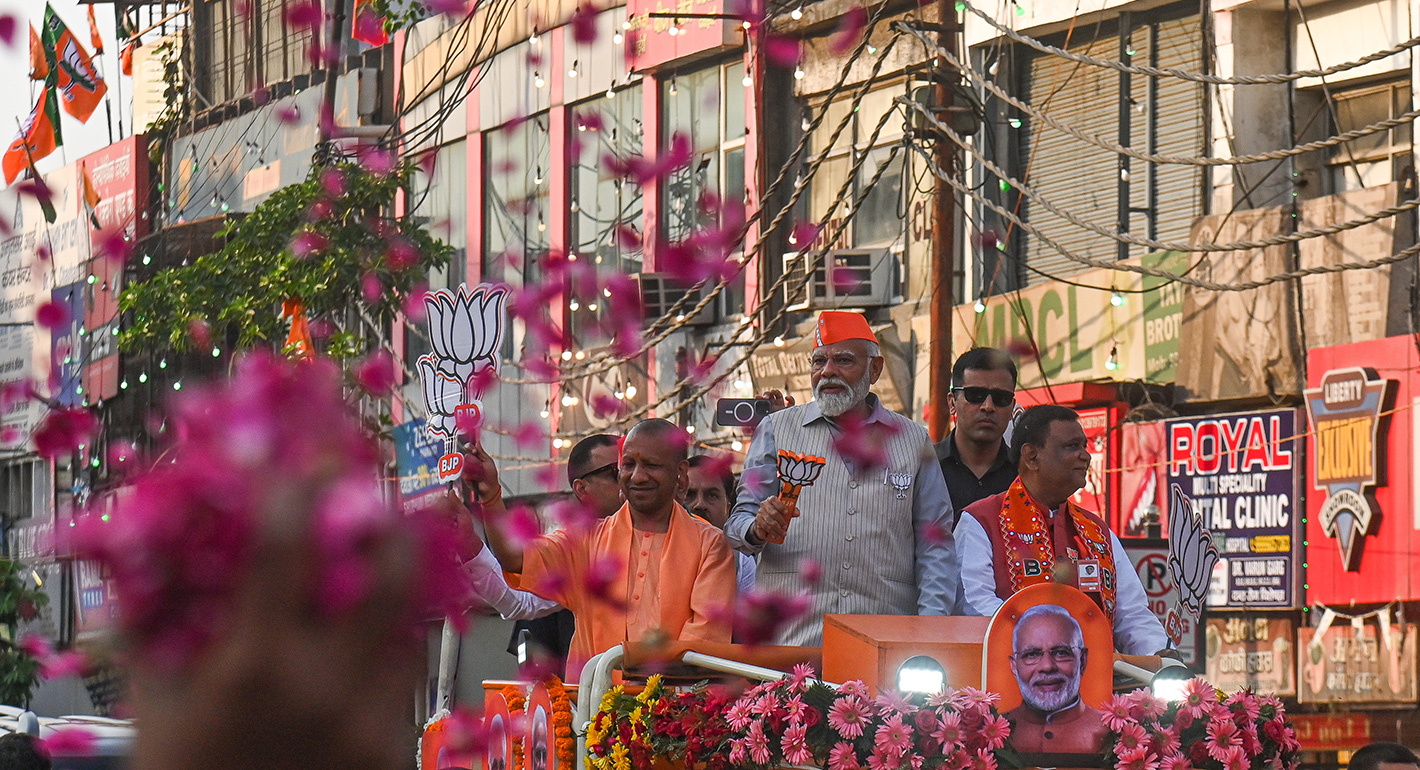
Domestic mobilization, personalized leadership, and nationalism have reshaped India’s global behavior.
Sandra Destradi
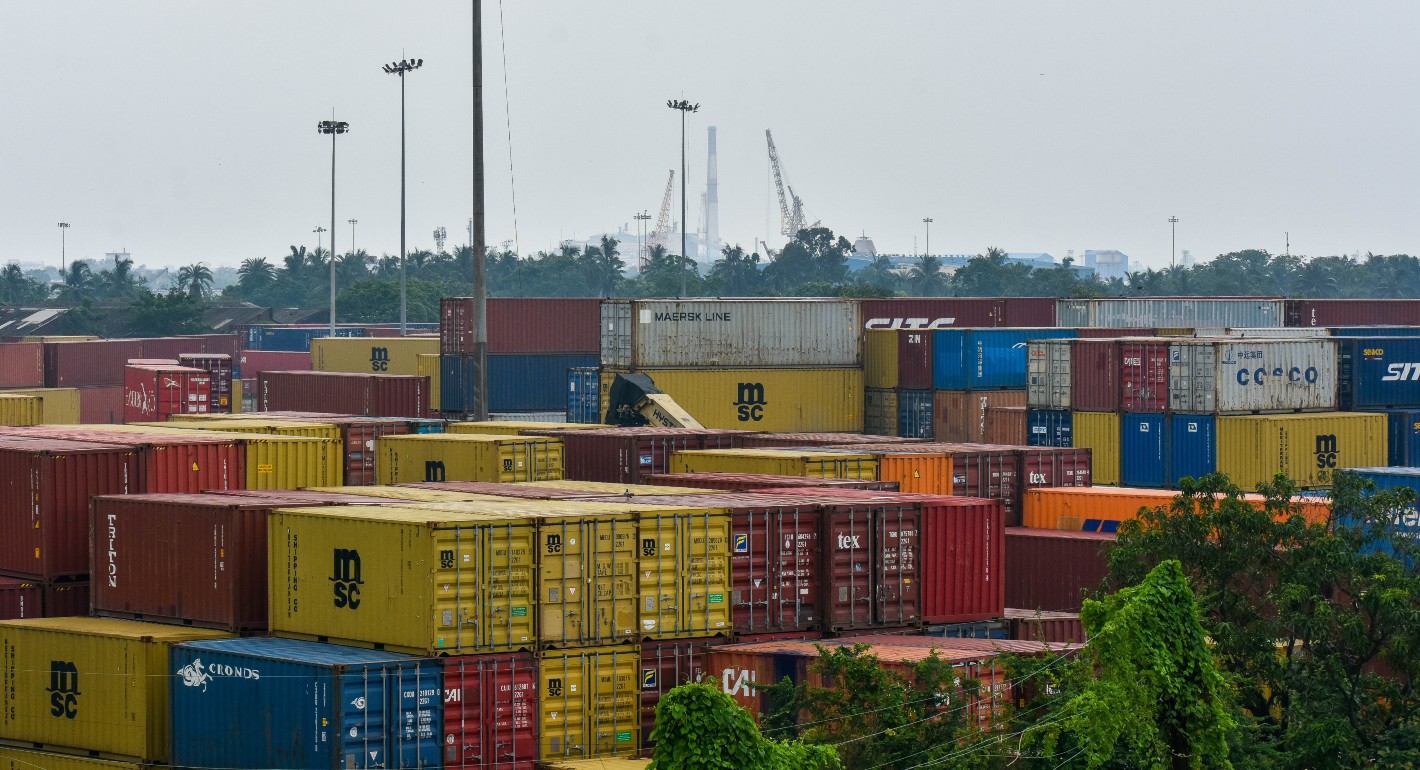
Cargo time release studies offer a path to greater economic gains and higher trust between neighboring countries.
Nikita Singla
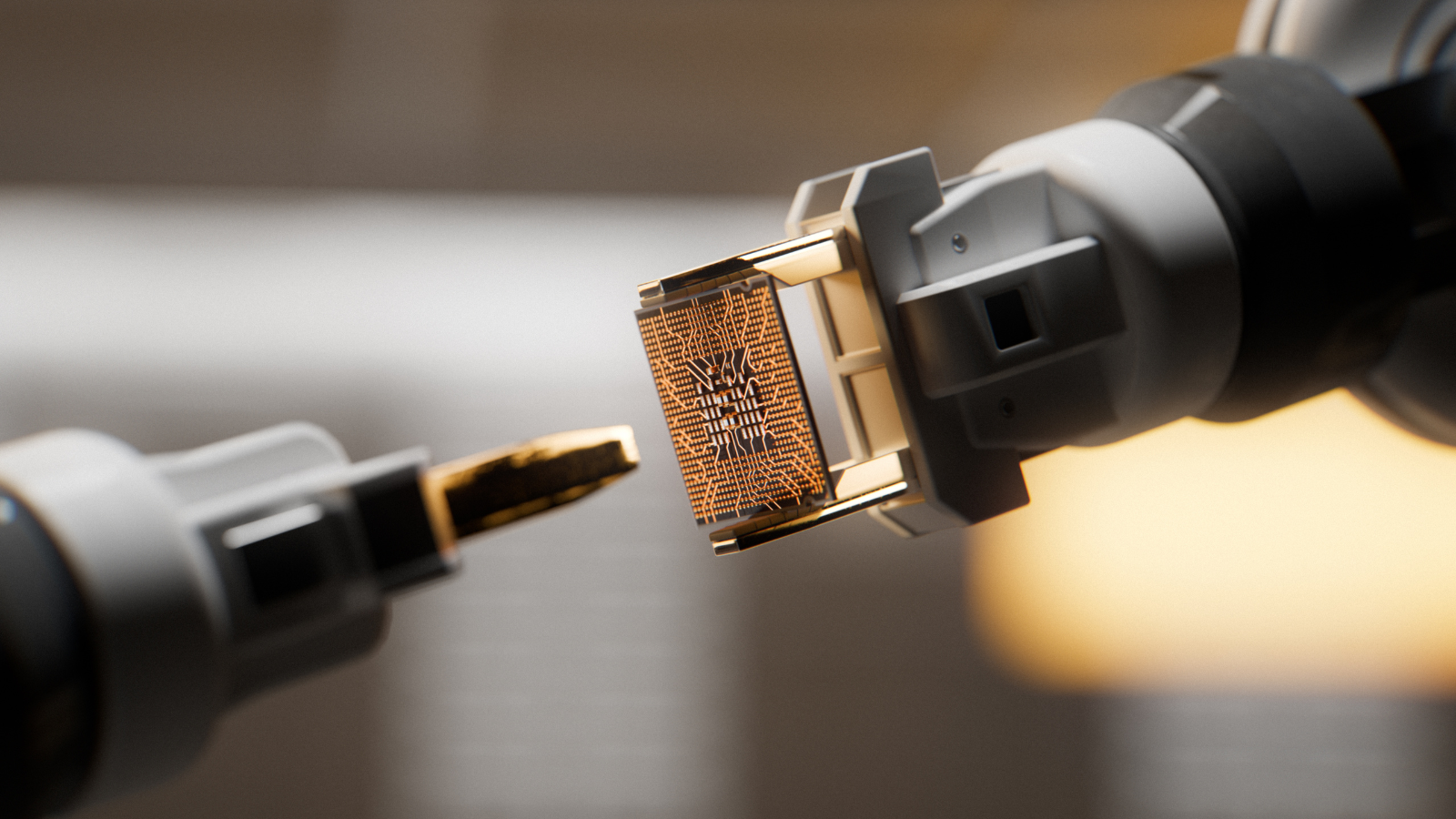
On the last day of the India AI Impact Summit, India signed Pax Silica, a U.S.-led declaration seemingly focused on semiconductors. While India’s accession to the same was not entirely unforeseen, becoming a signatory nation this quickly was not on the cards either.

Konark Bhandari
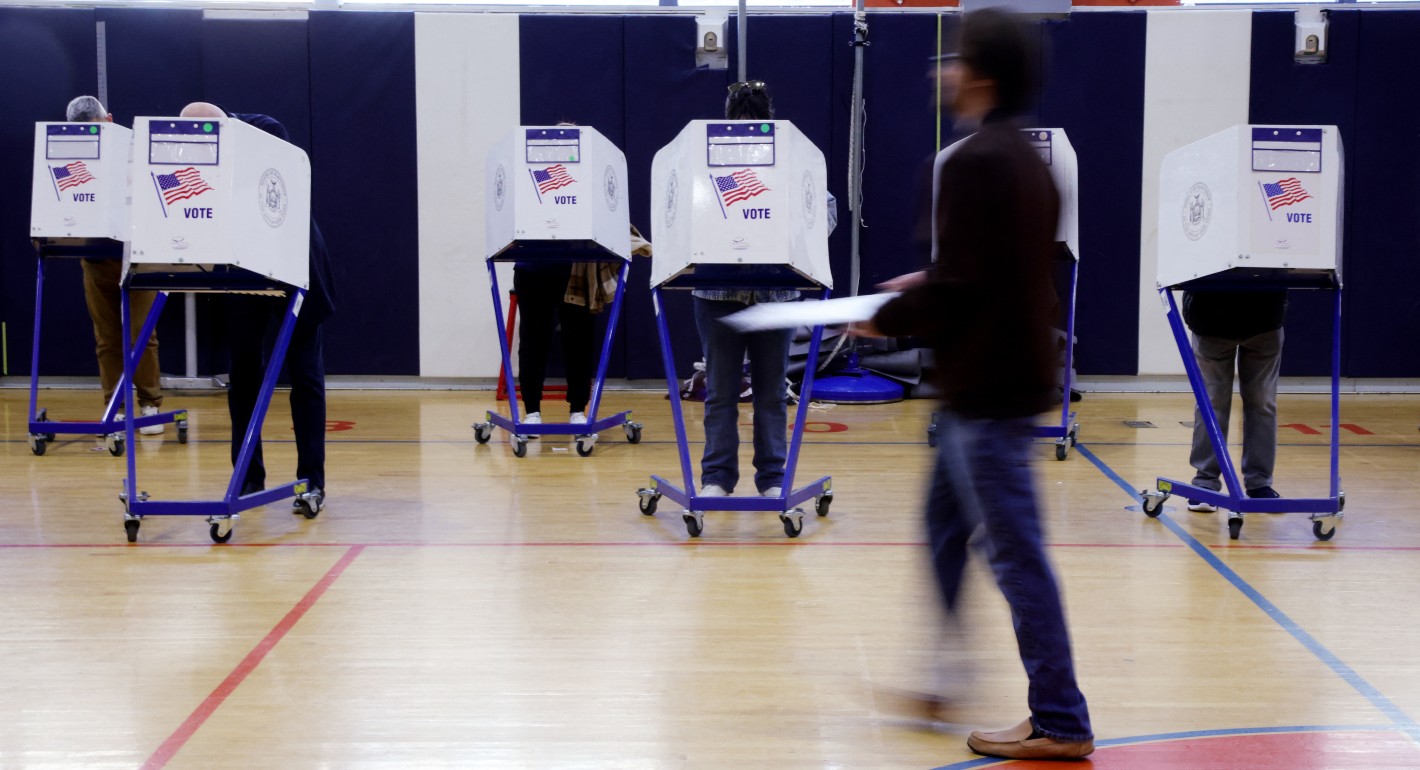
New data from the 2026 Indian American Attitudes Survey show that Democratic support has not fully rebounded from 2020.
Sumitra Badrinathan, Devesh Kapur, Andy Robaina, …
A new Carnegie survey of Indian Americans examines shifting vote preferences, growing political ambivalence, and rising concerns about discrimination amid U.S. policy changes and geopolitical uncertainty.

Milan Vaishnav, Sumitra Badrinathan, Devesh Kapur, …