

Article
Viji Rangaswami, Lionel Johnson
{
  "authors": [
    "Viji Rangaswami"
  ],
  "type": "other",
  "centerAffiliationAll": "",
  "centers": [
    "Carnegie Endowment for International Peace"
  ],
  "collections": [],
  "englishNewsletterAll": "",
  "nonEnglishNewsletterAll": "",
  "primaryCenter": "Carnegie Endowment for International Peace",
  "programAffiliation": "",
  "programs": [],
  "projects": [],
  "regions": [
    "North America",
    "United States"
  ],
  "topics": [
    "Economy",
    "Trade"
  ]
}
REQUIRED IMAGE
The real reason more countries do not benefit from the U.S. Generalized System of Preferences is that the program excludes the very products most developing countries can competitively produce, which primarily benefits developed countries and non-GSP countries at the expense of countries with large poor populations.
Source: Comments Submitted to the US Trade Representative
In the wake of the collapse of the current WTO negotiations, the United States announced it would review whether to continue to provide trade preferences for a number of developing countries, including India, Brazil, and South Africa. The ostensible reason for the review is to ensure that advanced developing countries do not monopolize the market access opportunities under the U.S. Generalized System of Preferences. Carnegie Associate Viji Rangaswami co-authored comments to the Office of the U.S. Trade Representative arguing that the real reason more countries do not benefit from GSP is that the program excludes the very products most developing countries can competitively produce, and that revocation of eligibility for the targeted countries primarily benefits developed countries and non-GSP countries at the expense of countries with large poor populations.
Former Associate
Recent Work
Viji Rangaswami, Lionel Johnson
Viji Rangaswami
Carnegie does not take institutional positions on public policy issues; the views represented herein are those of the author(s) and do not necessarily reflect the views of Carnegie, its staff, or its trustees.
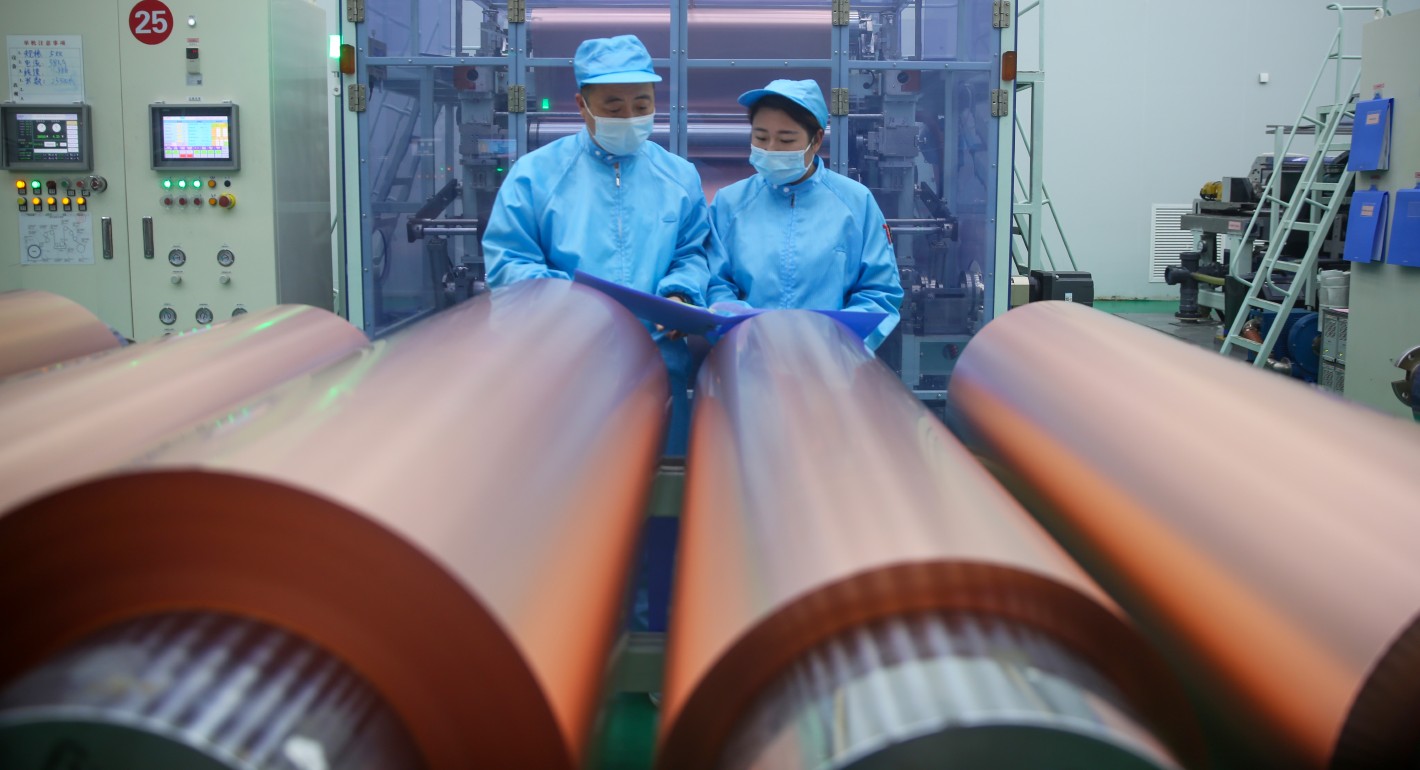
Over the past decade, China has moved from marginal player to major producer of all things batteries. The United States, Europe, and others are aiming to balance the market.

Milo McBride
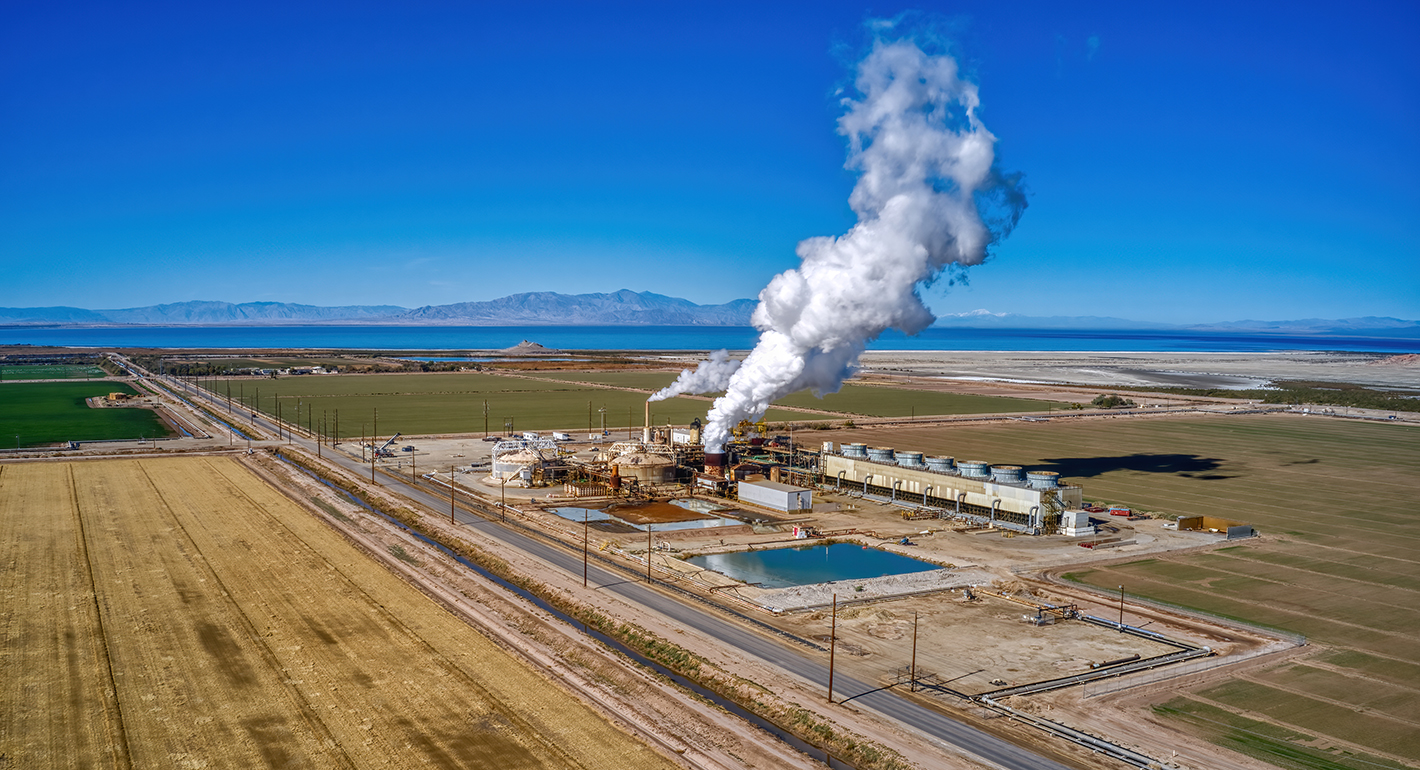
The DFC should focus on advanced, low-carbon energy sources, prioritizing areas where the United States has comparative advantages.
Noah Gordon, Liana Schmitter-Emerson
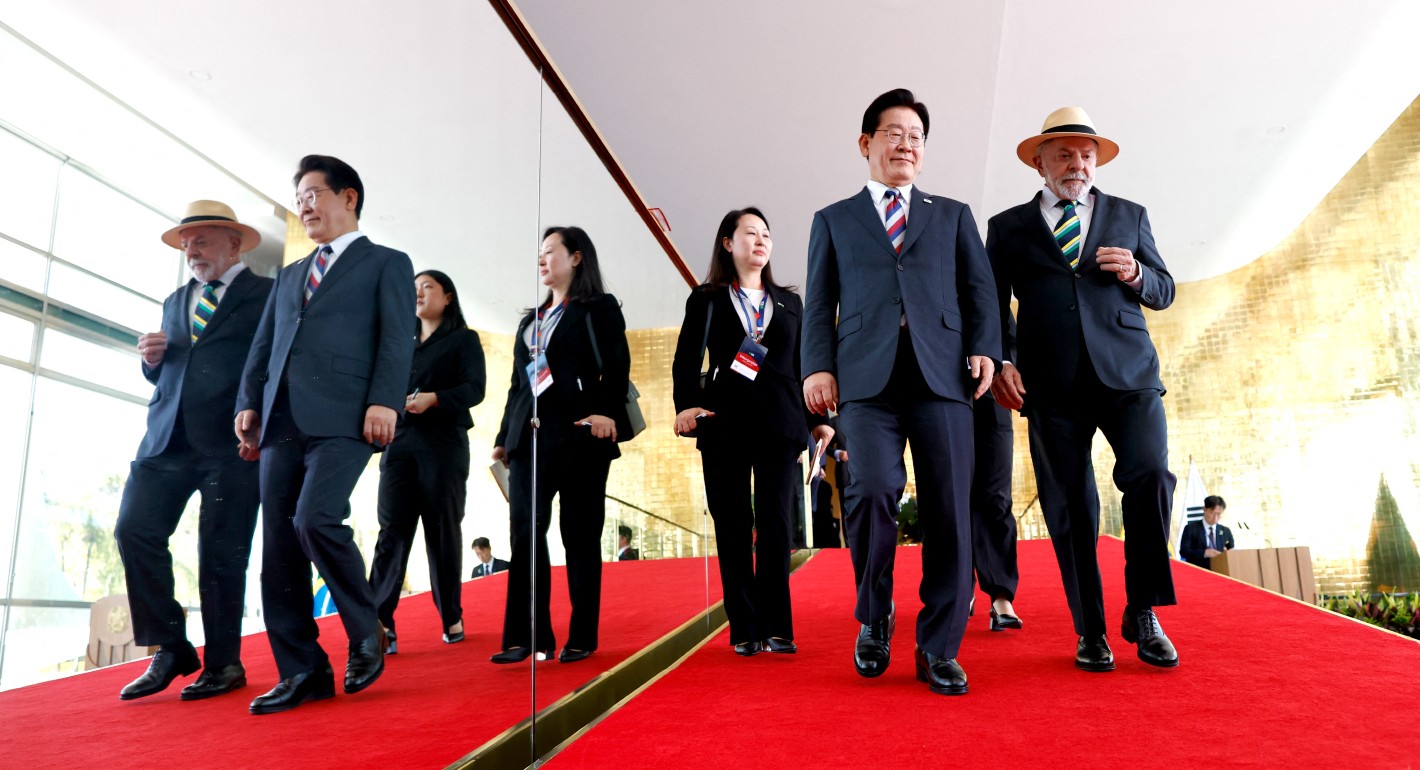
Lee’s tour shows how Seoul is reorganizing its diplomacy away from Pyongyang and toward industrial networks and the geography of the compute economy.

Darcie Draudt-Véjares
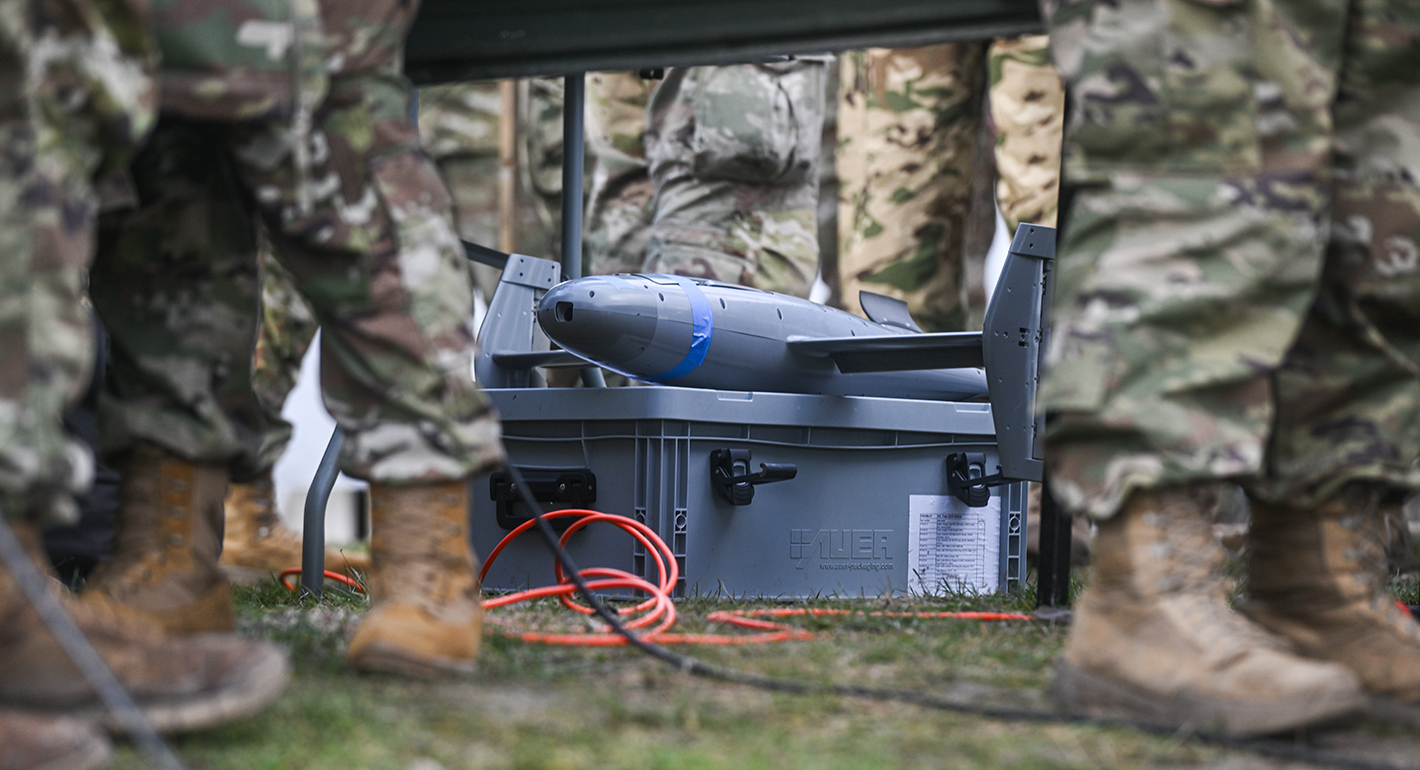
The Pentagon is calling for a rapid AI transformation. Autonomous drones offer a case study in the eight bottlenecks the U.S. military must navigate to realize that vision.
Jake Steckler

Most migrants may have left Ceuta, but the effects may linger.


Alejandro Martin Rodriguez, Sarah Yerkes