

Article
Dr. Albert Keidel
{
  "authors": [
    "Albert Keidel"
  ],
  "type": "testimony",
  "centerAffiliationAll": "dc",
  "centers": [
    "Carnegie Endowment for International Peace"
  ],
  "collections": [],
  "englishNewsletterAll": "asia",
  "nonEnglishNewsletterAll": "",
  "primaryCenter": "Carnegie Endowment for International Peace",
  "programAffiliation": "AP",
  "programs": [
    "Asia"
  ],
  "projects": [],
  "regions": [
    "China",
    "East Asia"
  ],
  "topics": [
    "Economy"
  ]
}
Source: Getty
Source: Senate Banking

Please click on the links above to read Dr. Keidel's oral and written remarks.
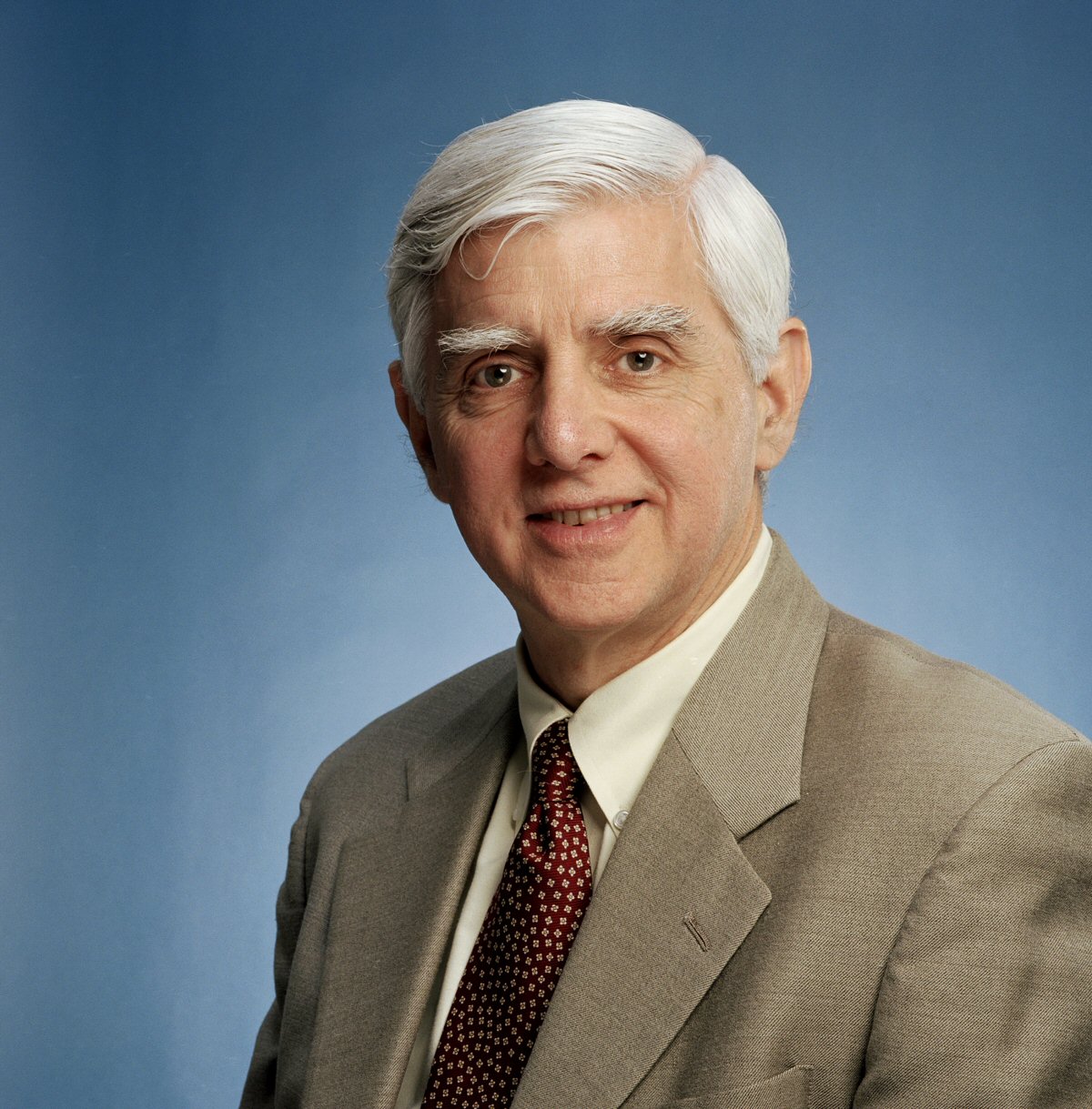
Former Senior Associate, China Program
Keidel served as acting director and deputy director for the Office of East Asian Nations at the U.S. Department of the Treasury. Before joining Treasury in 2001, he covered economic trends, system reforms, poverty, and country risk as a senior economist in the World Bank office in Beijing.
Recent Work
Dr. Albert Keidel
Dr. Albert Keidel

Policy proposals on sovereign debt must both match the scale of the challenge and be implementable within existing political constraints.
David McNair

For every ruble allocated to social policy, health, and education in 2027, double that amount is earmarked for the army, the police, and the security services.

Alexandra Prokopenko

The acknowledgment has sparked fears of a new arms race with China and Russia.

Chris O’Meara

The European Commissioner for Trade is headed to China. But after President Xi’s bridge-building visit to Washington, can a more isolated EU overcome Beijing’s stranglehold on critical raw materials? Who will blink first?

Rym Momtaz, ed.
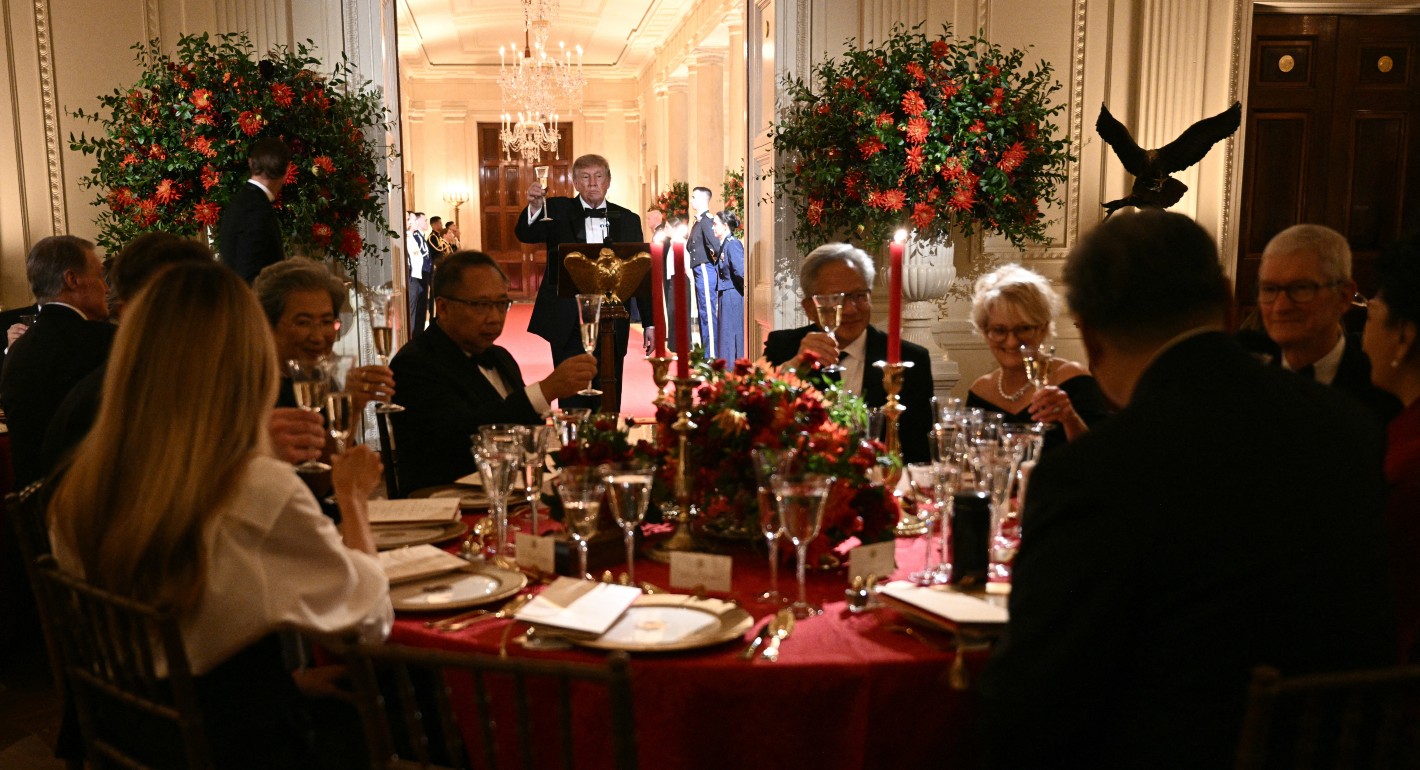
The summit may be remembered as a fatal blunder, when Washington, Beijing, and the AI industry collectively chose ceremony over action.
Jeffrey Prescott