• Research
  • Emissary
  • About
  • Experts
Carnegie Global logoCarnegie lettermark logo
DemocracyIran
  • Donate
{
  "authors": [
    "Josh Kurlantzick"
  ],
  "type": "legacyinthemedia",
  "centerAffiliationAll": "dc",
  "centers": [
    "Carnegie Endowment for International Peace"
  ],
  "collections": [],
  "englishNewsletterAll": "asia",
  "nonEnglishNewsletterAll": "",
  "primaryCenter": "Carnegie Endowment for International Peace",
  "programAffiliation": "AP",
  "programs": [
    "Asia"
  ],
  "projects": [],
  "regions": [
    "China"
  ],
  "topics": []
}

Source: Getty

In The Media

Into Africa

Link Copied
By Josh Kurlantzick
Published on Jun 3, 2007
Program mobile hero image

Program

Asia

The Asia Program in Washington studies disruptive security, governance, and technological risks that threaten peace, growth, and opportunity in the Asia-Pacific region, including a focus on China, Japan, and the Korean peninsula.

Learn More

Source: Boston Globe

Embarking upon a 12-day tour of Africa earlier this year, Chinese President Hu Jintao likely expected a warm welcome. Over the past five years China had emerged as a new power on the continent: Trade between China and Africa is growing by nearly 50 percent annually, Beijing may soon become Africa’s top aid donor, and in the winter China hosted nearly every African leader for a historic summit in Beijing. On Hu’s previous trip to the continent, in 2004, African leaders basked in China’s new interest.

This article was originally published in the June 3, 2007 edition of the Boston Globe.  Click here to read the full article.

About the Author

Josh Kurlantzick

Former Visiting Scholar, China Program

A special correspondent for The New Republic, a columnist for Time, and a senior correspondent for The American Prospect, Kurlantzick assesses China’s relationship with the developing world, including Southeast Asia, Africa, and Latin America.

    Recent Work

  • In The Media
    Fighting Terrorism With Terrorists

      Josh Kurlantzick

  • Other
    Beijing’s Safari: China’s Move into Africa and Its Implications for Aid, Development, and Governance

      Josh Kurlantzick

Josh Kurlantzick
Former Visiting Scholar, China Program
Josh Kurlantzick
China

Carnegie does not take institutional positions on public policy issues; the views represented herein are those of the author(s) and do not necessarily reflect the views of Carnegie, its staff, or its trustees.
More Work from Carnegie Endowment for International Peace

  • Trump United Nations multilateralism institutions 2236462680
    Article
    Resetting Cyber Relations with the United States

    For years, the United States anchored global cyber diplomacy. As Washington rethinks its leadership role, the launch of the UN’s Cyber Global Mechanism may test how allies adjust their engagement.


      • Christopher Painter

      Patryk Pawlak, Chris Painter

  • People visit the World Artificial Intelligence Conference (WAIC) at the Shanghai World Expo and Convention Center in Shanghai on July 28, 2025.
    Article
    China’s AI-Empowered Censorship: Strengths and Limitations

    Censorship in China spans the public and private domains and is now enabled by powerful AI systems.

      Nathan Law
  • Commentary
    Carnegie Politika
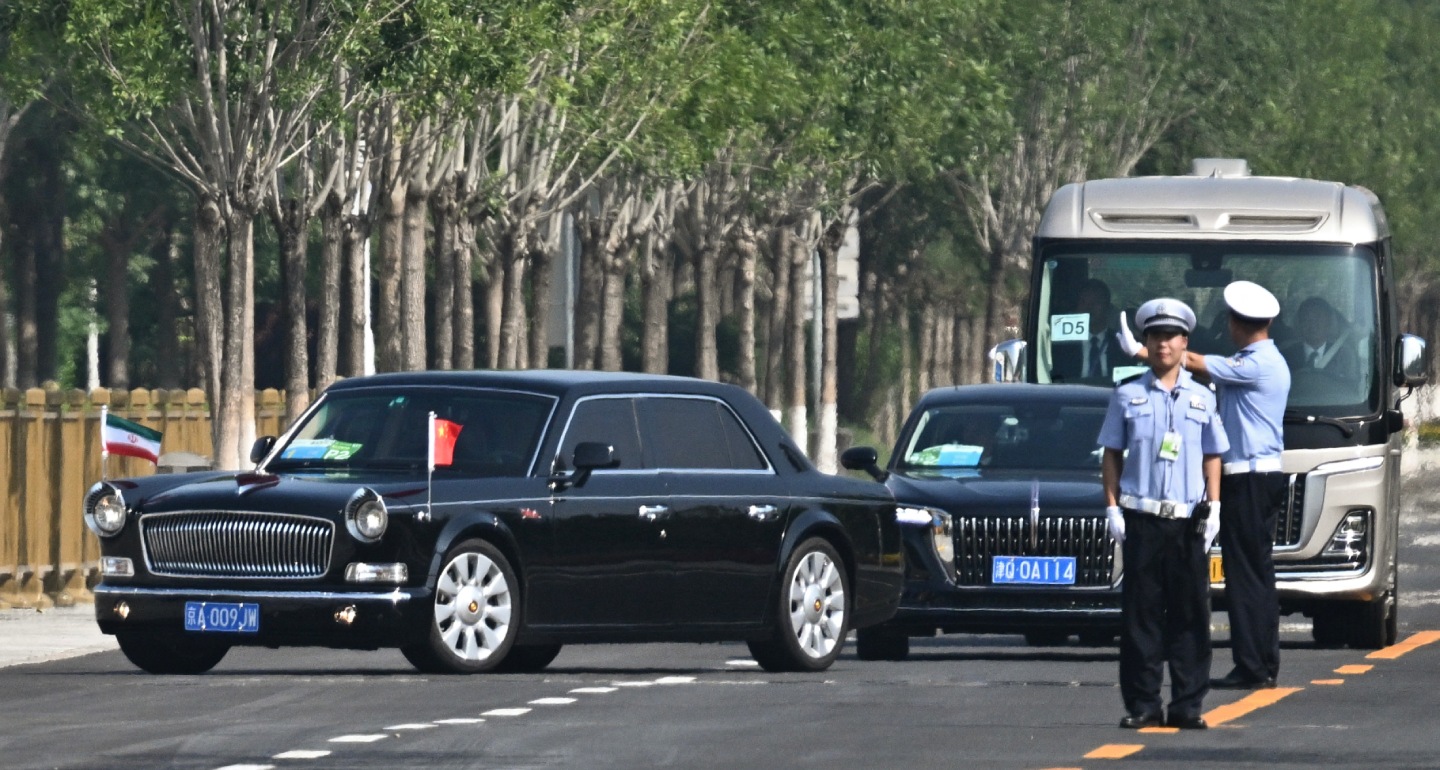
    Why Are China and Russia Not Rushing to Help Iran?

    Most of Moscow’s military resources are tied up in Ukraine, while Beijing’s foreign policy prioritizes economic ties and avoids direct conflict.   

      • Alexander Gabuev

      Alexander Gabuev, Temur Umarov

  • Commentary
    Carnegie Politika
    How Trump’s Wars Are Boosting Russian Oil Exports

    The interventions in Iran and Venezuela are in keeping with Trump’s strategy of containing China, but also strengthen Russia’s position.

      • Mikhail Korostikov

      Mikhail Korostikov

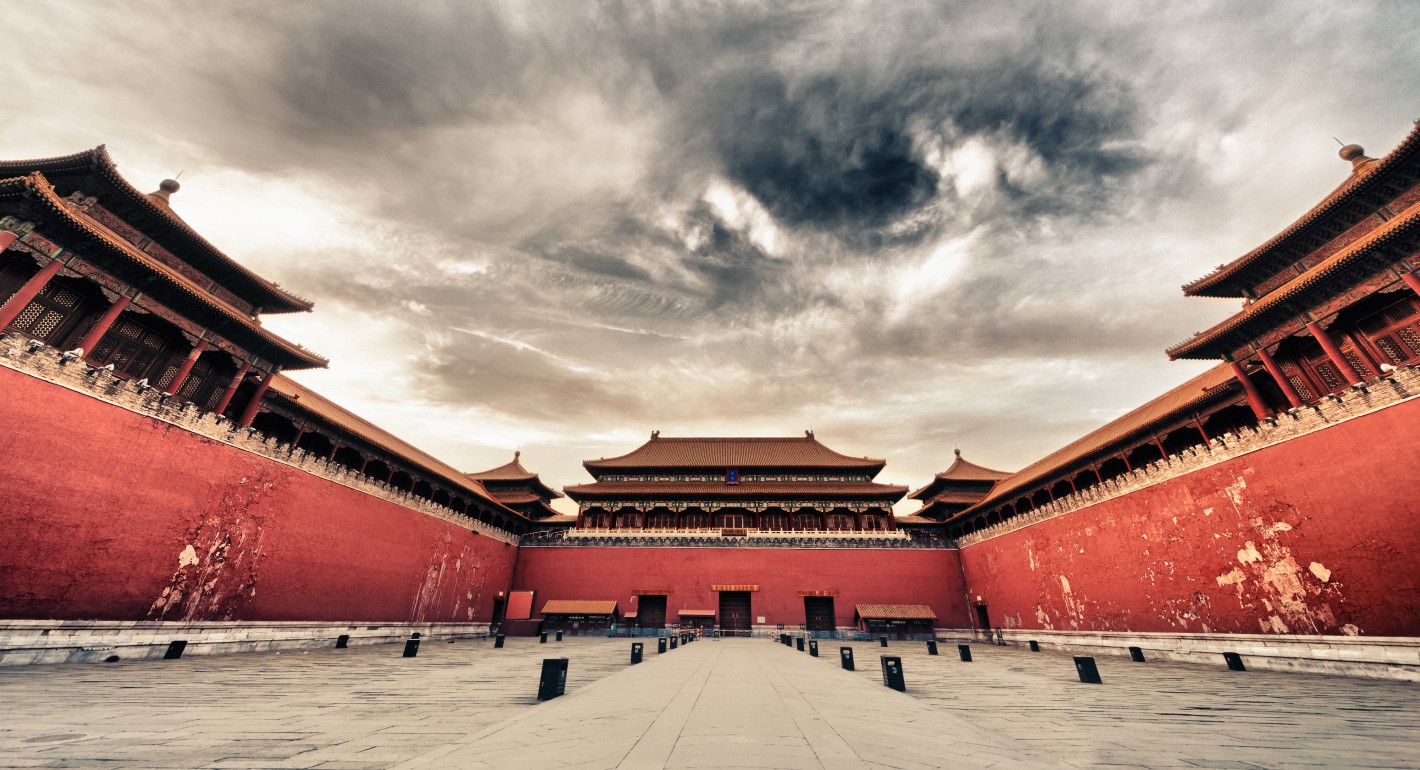
  • Forbidden City on a cloudy day
    Commentary
    Emissary
    Beijing Doesn’t Think Like Washington—and the Iran Conflict Shows Why

    Arguing that Chinese policy is hung on alliances—with imputations of obligation—misses the point. 

      Evan A. Feigenbaum

Get more news and analysis from
Carnegie Endowment for International Peace
Carnegie global logo, stacked
1779 Massachusetts Avenue NWWashington, DC, 20036-2103Phone: 202 483 7600Fax: 202 483 1840
  • Research
  • Emissary
  • About
  • Experts
  • Donate
  • Programs
  • Events
  • Blogs
  • Podcasts
  • Contact
  • Annual Reports
  • Careers
  • Privacy
  • For Media
  • Government Resources
Get more news and analysis from
Carnegie Endowment for International Peace
© 2026 Carnegie Endowment for International Peace. All rights reserved.