

In The Media
John Judis
{
  "authors": [
    "John Judis"
  ],
  "type": "legacyinthemedia",
  "centerAffiliationAll": "",
  "centers": [
    "Carnegie Endowment for International Peace"
  ],
  "collections": [],
  "englishNewsletterAll": "",
  "nonEnglishNewsletterAll": "",
  "primaryCenter": "Carnegie Endowment for International Peace",
  "programAffiliation": "",
  "programs": [],
  "projects": [],
  "regions": [
    "North America",
    "United States"
  ],
  "topics": [
    "Foreign Policy"
  ]
}
REQUIRED IMAGE
Source: The New Republic Online
The second Democratic presidential debate, held last night in Manchester, New Hampshire, was remarkably free of the usual cant. One could actually learn something about immigration and health care policy or U.S. options in Darfur from listening to the exchanges. Two of the leading candidates, Senators Hillary Clinton and Barack Obama, were at their best, as were Senators Chris Dodd and Joe Biden. The one candidate who did himself no good whatsoever, however, was former Senator John Edwards. Edwards's campaign increasingly looks as though it lacks any justification except for his own ambition.
In each debate so far, Clinton has been a large presence overshadowing the other candidates. She has been remarkably self-assured, even when being badgered for the nth time about her refusal to say she was "wrong" to authorize the use of force in Iraq in October 2002. Last night, she cast herself as the unifier not divider, insisting that the differences over Iraq between the leading candidates are "minor." They are. She was also substantive without being wonkish, as when she explained what it would mean to declare English the "official" rather than just the "national" language. "If it becomes official," she said, "that means in a place like New York City you can't print ballots in any other language. That means you can't have government pay for translators in hospitals so when somebody comes in with some sort of emergency there's nobody there to help translate what their problem is for the doctors."
Obama, too, downplayed the differences between the candidates and showed why, in spite of his lack of experience, he is being taken seriously as a presidential contender. Obama's health care plan, which he announced last week, has been widely criticized by liberals for not making health insurance mandatory. Challenged by Edwards, Obama explained why a mandate is not a cure-all. "If you look at auto insurance, in California there's mandatory auto insurance," Obama explained. "Twenty-five percent of the folks don't have it. The reason is because they can't afford it. So John and I, we're not that different in this sense; that I'm committed to starting the process. Everybody who wants it can buy it and it's affordable. If we have some gaps remaining, we will work on that. You take it from the opposite direction, but you're still going to have some folks who aren't insured under your plan, John, because some of them will simply not be able to afford to buy the coverage they're offered."
Obama also refused to take the bait when moderator Wolf Blitzer tried to get him to attack the other candidates. Asked whether a candidate who supported the original resolution on the war should be president, Obama replied, "I don't think it's a disqualifier. I think that people were making their best judgments at the time." When Blitzer asked the candidates to raise their hand if they thought English should be the official language, Obama rebuked him:
This is the kind of question that is designed precisely to divide us. You know, you're right, everybody is going to learn to speak English if they live in this country. The issue is not whether or not future generations of immigrants are going to learn English. The question is, how can we come up with both a legal, sensible immigration policy. And when we get distracted by those kinds of questions, I think we do a disservice to the American people.
The audience applauded.
The one dud was Edwards. As became obvious during the 2004 campaign, Edwards's forte is domestic policy. He is at home talking about the "two Americas" and calling for an investigation into oil-company price gouging. But he is uncomfortable talking about foreign policy or playing the role of attack dog. When he attempts to do so, he ends up creating sympathy for his opponent, as he did in his 2004 debate with Vice President Dick Cheney, when he made inappropriate references to Mary Cheney's lesbianism. Last night's debate similarly showcased Edwards at his worst: attempting to draw sharp and spurious distinctions between himself and his opponents on foreign policy.
Edwards has cast himself, along with Dennis Kucinich, as the anti-war candidate. Last night, he called on Democrats in the Senate to keep sending President Bush bills on Iraq that he would have to veto--what Frank Rich has called a "legislative Groundhog Day." He also criticized Obama and Clinton for being insufficiently adamant in opposing funding. "Well, I think there's a difference between leading and following," he declared in characterizing their votes against war spending.
But Edwards is a poor fit for an anti-war candidate. Biden dealt unceremoniously with his calls to end funding with some simple math: "We have 50 votes in the United States Senate," Biden said. "We have less of a majority in the House than at any time other than the last eight years. Ladies and gentlemen, you're going to end this war when you elect a Democratic president. You need 67 votes to end this war." And, as Obama noted, Edwards voted for the original war resolution. "The fact is, is that I opposed this war from the start," Obama said. "So you're about four and a half years late on leadership on this issue."
Edwards, of course, has said his vote on the war was "wrong," but he wasn't simply wrong about the war. He behaved irresponsibly. Edwards's failure to read the National Intelligence Estimate prior to the vote was more egregious than Clinton's. Edwards was a member of the Intelligence Committee and was AWOL when the committee's leading Democrats were voicing skepticism about the war's justification. In June 2003, when it had become clear that Iraq had no weapons of mass destruction, I asked Edwards's staff whether he would be interested in discussing what Spencer Ackerman and I were discovering about the administration's attempt to deceive the public and Congress. I was told that Edwards didn't want to touch the issue, and he didn't. Instead, as the insurgency in Iraq began to rage and Americans began to suspect they had been bamboozled about the war, he continued to talk about the "two Americas."
In the debate, Edwards did show that he learned something from having blundered this spring on Iran when he took one position on bombing Iran when he speaking in Israel and another after he returned home. His response last night that the United States should use "serious economic sanctions" if incentives to forgo nuclear-bomb production failed was well considered. But his other answers revealed a person ill-suited to deal with foreign policy. He thought the United States should leave open the possibility of boycotting the 2008 Olympics in Beijing if China refused to join sanctions against the Sudan over Darfur. That could put U.S.-China relations into a tailspin. When asked what he would do in his first hundred days, he said he would "travel the world, reestablish America's moral authority in the world, which I think is absolutely crucial." One can just imagine a new president spending his first three months in office, when his power is greatest, going from capital to capital like Phileas Fogg in Jules Verne's Around the World in Eighty Days.
It's a pity, because, purely on paper, Edwards may be most viable Democratic presidential candidate in November 2008. He is a white Southern Protestant who can talk to rural and small-town voters in Kentucky or Southern Ohio without making them wince. Clinton will have to overcome the prejudices associated with her sex and her reputation as a Northeastern liberal. And Obama, if he is nominated, will have to contend with his race and lack of political experience. But if Edwards's performance in this debate is any indication, Democrats are going to have to make do with Clinton or Obama. Still, judging from their performance last night, that might not be such a bad thing after all.
John B. Judis is a senior editor at The New Republic and a visiting scholar at the Carnegie Endowment for International Peace.
Former Visiting Scholar
As a visiting scholar at Carnegie, Judis wrote The Folly of Empire: What George W. Bush Could Learn from Theodore Roosevelt and Woodrow Wilson.
Recent Work
John Judis
John Judis
Carnegie does not take institutional positions on public policy issues; the views represented herein are those of the author(s) and do not necessarily reflect the views of Carnegie, its staff, or its trustees.
Though Orban is gone, Putin can still count on some like-minded individuals in Central and Eastern Europe. However, they will seek to avoid open confrontation with EU institutions over Ukraine and their ties with Moscow.

Dimitar Bechev

The truth is that Japan’s government is seeking a degree of reengagement but at a vastly reduced level than under Abe. Most significantly, Japan has shown no willingness to ease sanctions.

James D.J. Brown
Azerbaijan’s relations with the EU appear to be going from strength to strength after several years in the deep freeze following the military escalation in Karabakh in 2023 and Azerbaijan’s bitter fallout with France and several other EU member states.
Shujaat Ahmadzada
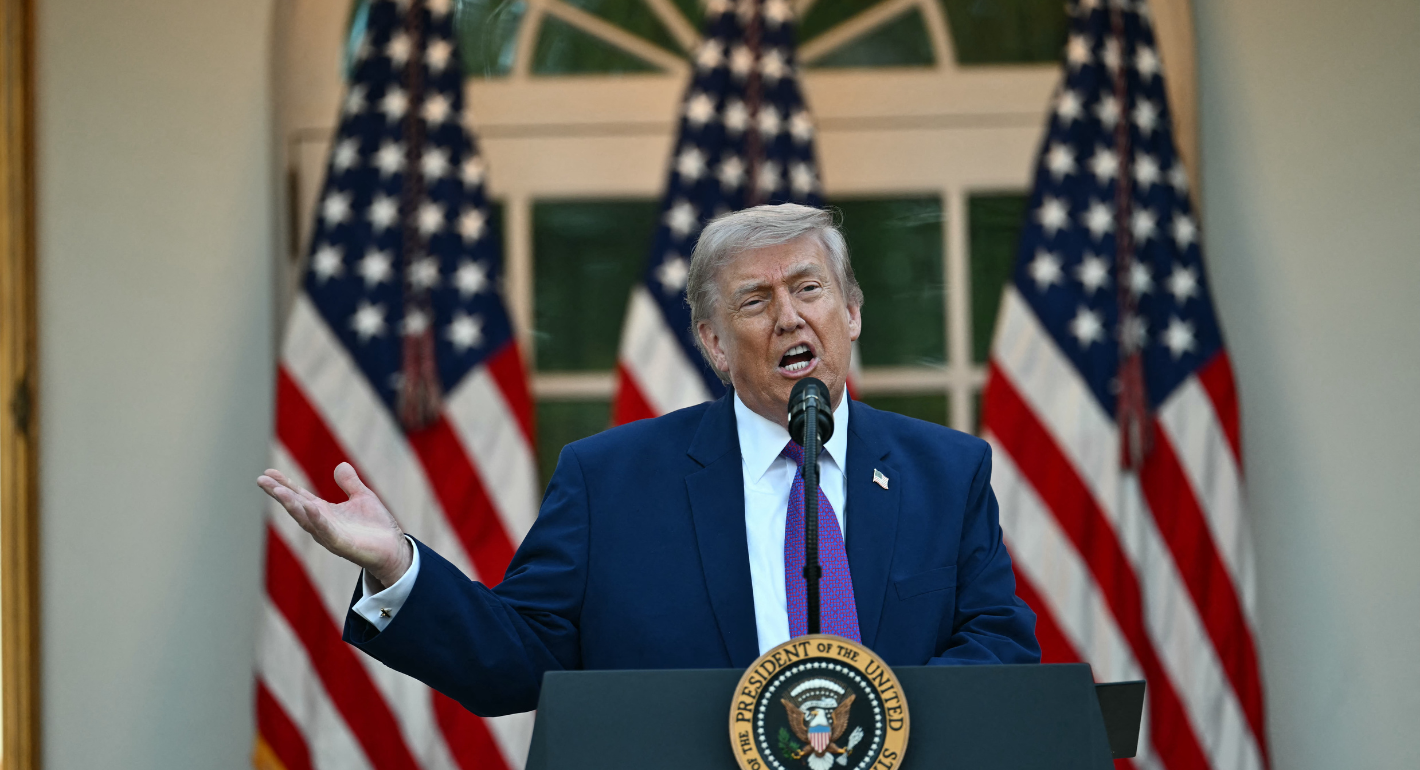
The full list of humiliations Europe has endured since Donald Trump returned to the White House makes for grim reading. But Washington’s adversarial approach to its allies undermines its own power base.

Rym Momtaz
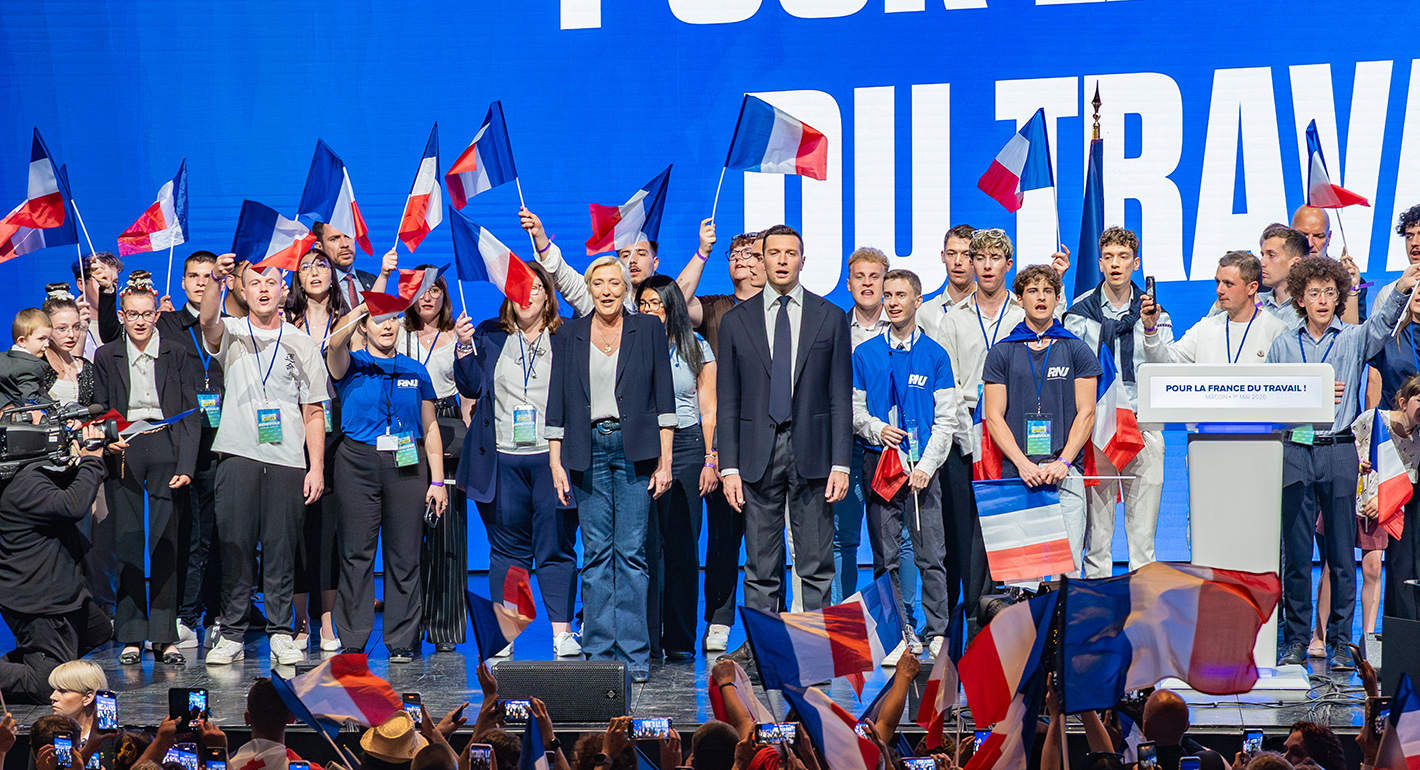
The National Rally’s electoral strength, coupled with its internal fragility at a crucial political juncture, contributes to foreign policy vagueness.
Catherine Fieschi