• Research
  • Emissary
  • About
  • Experts
Carnegie Global logoCarnegie lettermark logo
DemocracyIran
  • Donate
{
  "authors": [
    "Martha Brill Olcott"
  ],
  "type": "testimony",
  "centerAffiliationAll": "dc",
  "centers": [
    "Carnegie Endowment for International Peace"
  ],
  "collections": [],
  "englishNewsletterAll": "ctw",
  "nonEnglishNewsletterAll": "",
  "primaryCenter": "Carnegie Endowment for International Peace",
  "programAffiliation": "russia",
  "programs": [
    "Russia and Eurasia"
  ],
  "projects": [],
  "regions": [
    "North America",
    "United States",
    "Central Asia",
    "Uzbekistan"
  ],
  "topics": [
    "Political Reform",
    "Democracy",
    "Economy",
    "Security",
    "Foreign Policy"
  ]
}

Source: Getty

Testimony

U.S. Relations to Uzbekistan: a Double Standard or Second Class Treatment?

The story of the U.S. relationship with Uzbekistan is a sad one, characterized by misunderstandings and miscues on both sides.

Link Copied
By Martha Brill Olcott
Published on Jun 14, 2007
Program mobile hero image

Program

Russia and Eurasia

The Russia and Eurasia Program continues Carnegie’s long tradition of independent research on major political, societal, and security trends in and U.S. policy toward a region that has been upended by Russia’s war against Ukraine.  Leaders regularly turn to our work for clear-eyed, relevant analyses on the region to inform their policy decisions.

Learn More

Source: Testimony before the House Committee on Foreign Relations Subcommittee on Government Operations

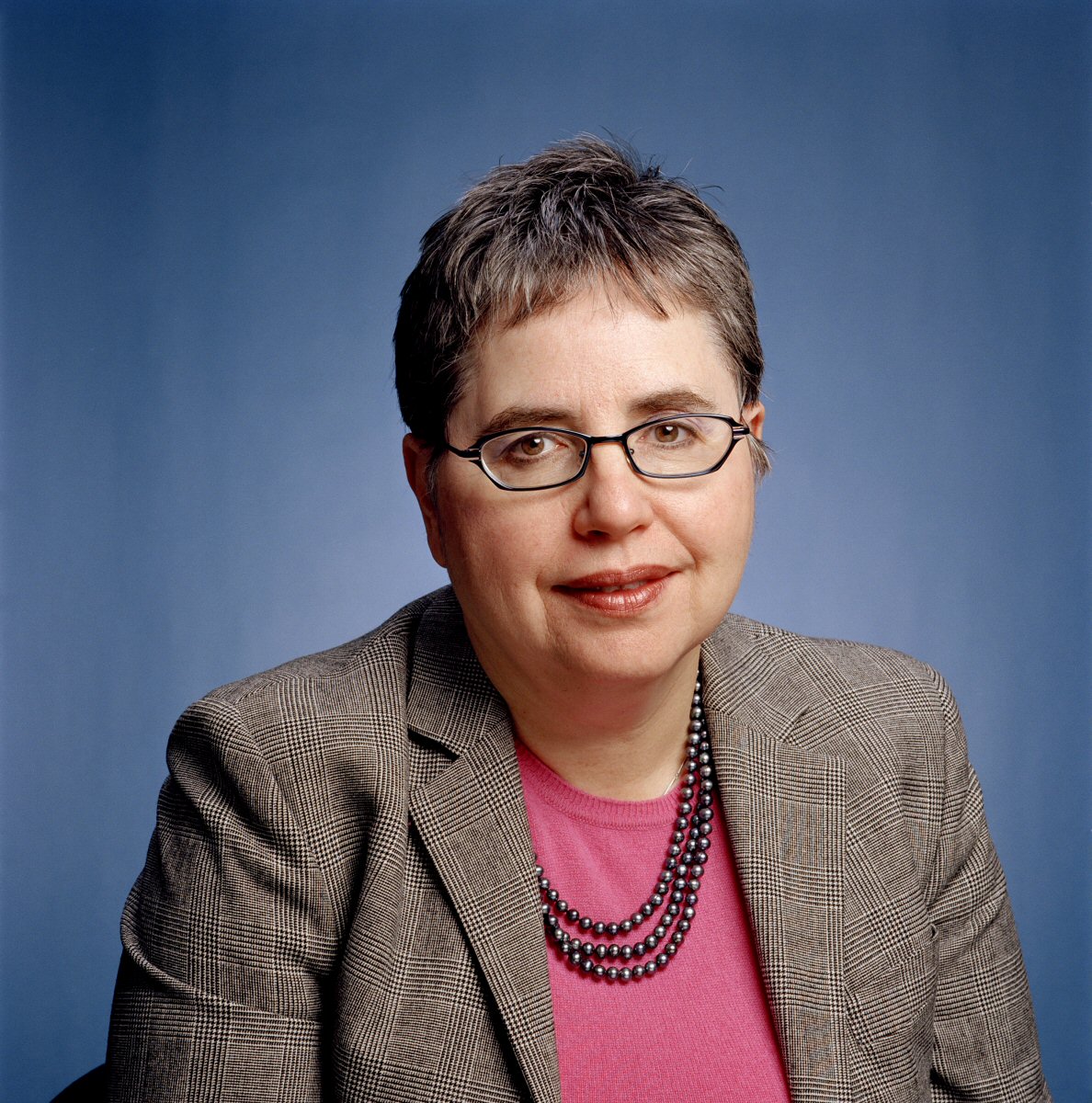
On June 14, 2007, Carnegie senior associate, Martha Olcott, testified before members of the House Foreign Relations Committee.  Her testimony focused on human rights and relations between the U.S. and Uzbekistan. 

About the Author

Martha Brill Olcott

Former Senior Associate, Russia and Eurasia Program and, Co-director, al-Farabi Carnegie Program on Central Asia

Olcott is professor emerita at Colgate University, having taught political science there from 1974 to 2002. Prior to her work at the endowment, Olcott served as a special consultant to former secretary of state Lawrence Eagleburger.

    Recent Work

  • In The Media
    After Crimea: Will Kazakhstan be Next in Putin’s Reintegration Project?

      Martha Brill Olcott

  • Article
    China’s Unmatched Influence in Central Asia

      Martha Brill Olcott

Martha Brill Olcott
Former Senior Associate, Russia and Eurasia Program and, Co-director, al-Farabi Carnegie Program on Central Asia
Martha Brill Olcott
Political ReformDemocracyEconomySecurityForeign PolicyNorth AmericaUnited StatesCentral AsiaUzbekistan

Carnegie does not take institutional positions on public policy issues; the views represented herein are those of the author(s) and do not necessarily reflect the views of Carnegie, its staff, or its trustees.
More Work from Carnegie Endowment for International Peace

  • Hands holding up a book on a beach
    Commentary
    Emissary
    Carnegie’s Summer Beach Reads

    Carnegie experts recommend the books that kept them turning pages—and learning along the way.


      • Steve Feldstein
      • +8

      Sophia Besch, Eric Ciaramella, Steve Feldstein, …

  • Commentary
    Strategic Europe
    Taking the Pulse: Enough with the Annual NATO Summits, Already?

    Over the past ten years, NATO has held almost as many summits as it did during the entirety of the Cold War. Are they still useful, or is it time to stop holding annual meetings?

      • Rym Momtaz

      Rym Momtaz, ed.

  • exterior of a building
    Commentary
    Emissary
    What’s Driving the Trump Administration’s Push to Dismantle the ICC?

    The move is an escalation of its war on multilateralism.

      Stewart Patrick

  • Europe from Scratch: Visions for a New European Order
    Report
    Europe from Scratch: Visions for a New European Order

    As the EU confronts profound challenges, several leaders have called for fundamental reform to the union’s model—but only modest, superficial changes have resulted. What if Europe really could be reimagined from zero today: What should such a redesigned European order look like?

      Richard Youngs, ed.

  • Commentary
    Carnegie Politika
    What Should We Take From Andrey Melnichenko’s Essay in the Economist?

    Andrey Melnichenko’s essay offers no answer to the fundamental question of how, under any kind of negotiated settlement, Europe can protect itself from the Russian ressentiment that is inevitable in all scenarios except for an outright victory for Putin.

      Leonid Bershidsky

Get more news and analysis from
Carnegie Endowment for International Peace
Carnegie global logo, stacked
1779 Massachusetts Avenue NWWashington, DC, 20036-2103Phone: 202 483 7600
  • Research
  • Emissary
  • About
  • Experts
  • Donate
  • Programs
  • Events
  • Blogs
  • Podcasts
  • Contact
  • Annual Reports
  • Careers
  • Privacy
  • For Media
  • Government Resources
Get more news and analysis from
Carnegie Endowment for International Peace
© 2026 Carnegie Endowment for International Peace. All rights reserved.