• Research
  • Emissary
  • About
  • Experts
Carnegie Global logoCarnegie lettermark logo
DemocracyIran
  • Donate
{
  "authors": [
    "Sandra Polaski"
  ],
  "type": "legacyinthemedia",
  "centerAffiliationAll": "",
  "centers": [
    "Carnegie Endowment for International Peace"
  ],
  "collections": [],
  "englishNewsletterAll": "",
  "nonEnglishNewsletterAll": "",
  "primaryCenter": "Carnegie Endowment for International Peace",
  "programAffiliation": "",
  "programs": [],
  "projects": [],
  "regions": [],
  "topics": [
    "Economy",
    "Trade"
  ]
}
Source: Getty

In The Media

What Future for the WTO?

The widespread belief that negotiators must reach a deal soon in order to save the Doha Round and prevent irreparable harm to world trade and the WTO itself is not accurate. It will take great time and effort to bridge the wide gaps that still exist in the agriculture and manufacturing talks, but the final result is well worth the wait.

Link Copied
By Ms. Sandra Polaski
Published on Jul 1, 2007

Source: L'Économie politique

In a new article in the French journal L’Économie politique, Carnegie Senior Associate Sandra Polaski refutes the widespread belief that negotiators must reach a deal soon in order to save the Doha Round and prevent irreparable harm to world trade and the WTO itself.  It will take great time and effort to bridge the wide gaps which still exist in the agriculture and manufacturing talks, but the final result – a trade agreement which addresses employment concerns and produces real gains for countries at all levels of development – is well worth the wait.  In the meantime, the WTO will continue to function under the rules negotiated in previous rounds, overseeing the persistent expansion of global trade.

About the Author

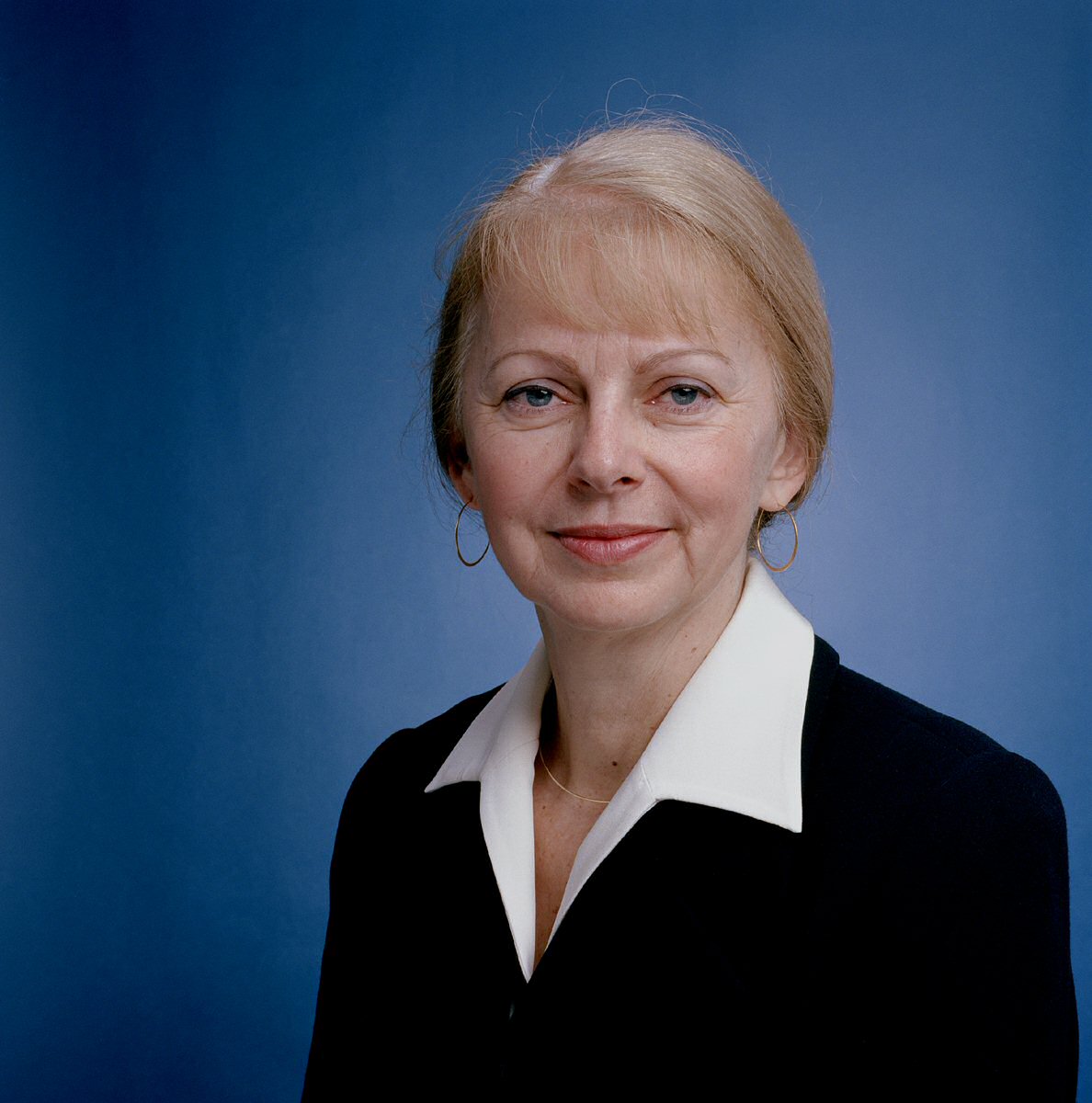
Ms. Sandra Polaski

Former Senior Associate, Director, Trade, Equity and Development Program

Until April 2002, Polaski served as the U.S. Secretary of State’s Special Representative for International Labor Affairs, the senior State Department official dealing with such matters.

    Recent Work

  • Report
    Brazil in the Global Economy: Measuring the Gains From Trade
      • +4

      Ms. Sandra Polaski, Joaquim Bento de Souza Ferreir, Janine Berg, …

  • Article
    One Cheer for Global Trade Talks

      Ms. Sandra Polaski

Ms. Sandra Polaski
Former Senior Associate, Director, Trade, Equity and Development Program
Sandra Polaski
EconomyTrade

Carnegie does not take institutional positions on public policy issues; the views represented herein are those of the author(s) and do not necessarily reflect the views of Carnegie, its staff, or its trustees.

More Work from Carnegie Endowment for International Peace

  • Commentary
    Strategic Europe
    Global Instability Makes Europe More Attractive, Not Less

    Europe isn’t as weak in the new geopolitics of power as many would believe. But to leverage its assets and claim a sphere of influence, Brussels must stop undercutting itself.

      Dimitar Bechev
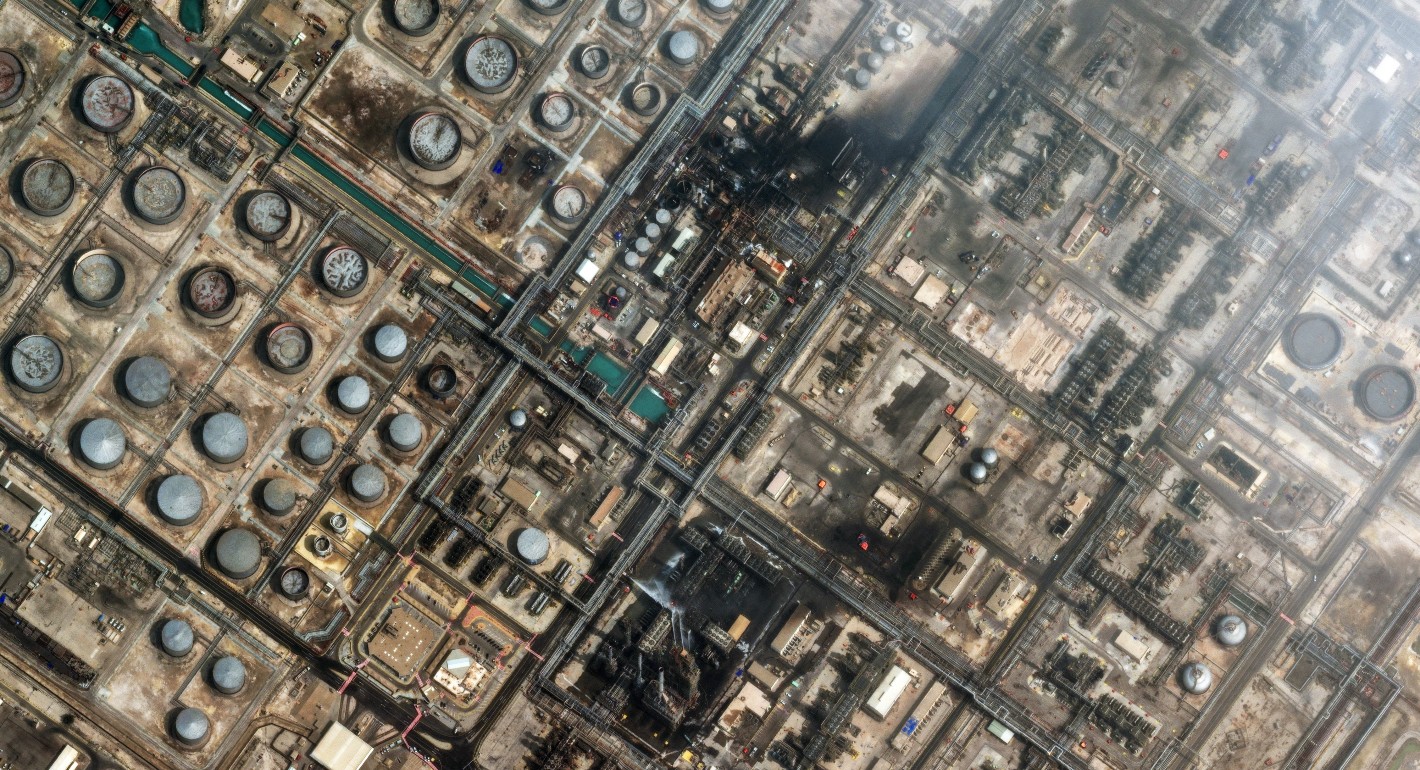
  • Satellite of a damaged oil refinery
    Commentary
    Emissary
    Iran Is Pushing Its Neighbors Toward the United States

    Tehran’s attacks are reshaping the security situation in the Middle East—and forcing the region’s clock to tick backward once again.

      Amr Hamzawy
  • Photo of shipping containers stacked against a cloudy sky.
    Article
    Modernizing South Asia’s Borders Through Data-Driven Research

    Cargo time release studies offer a path to greater economic gains and higher trust between neighboring countries.
      Nikita Singla
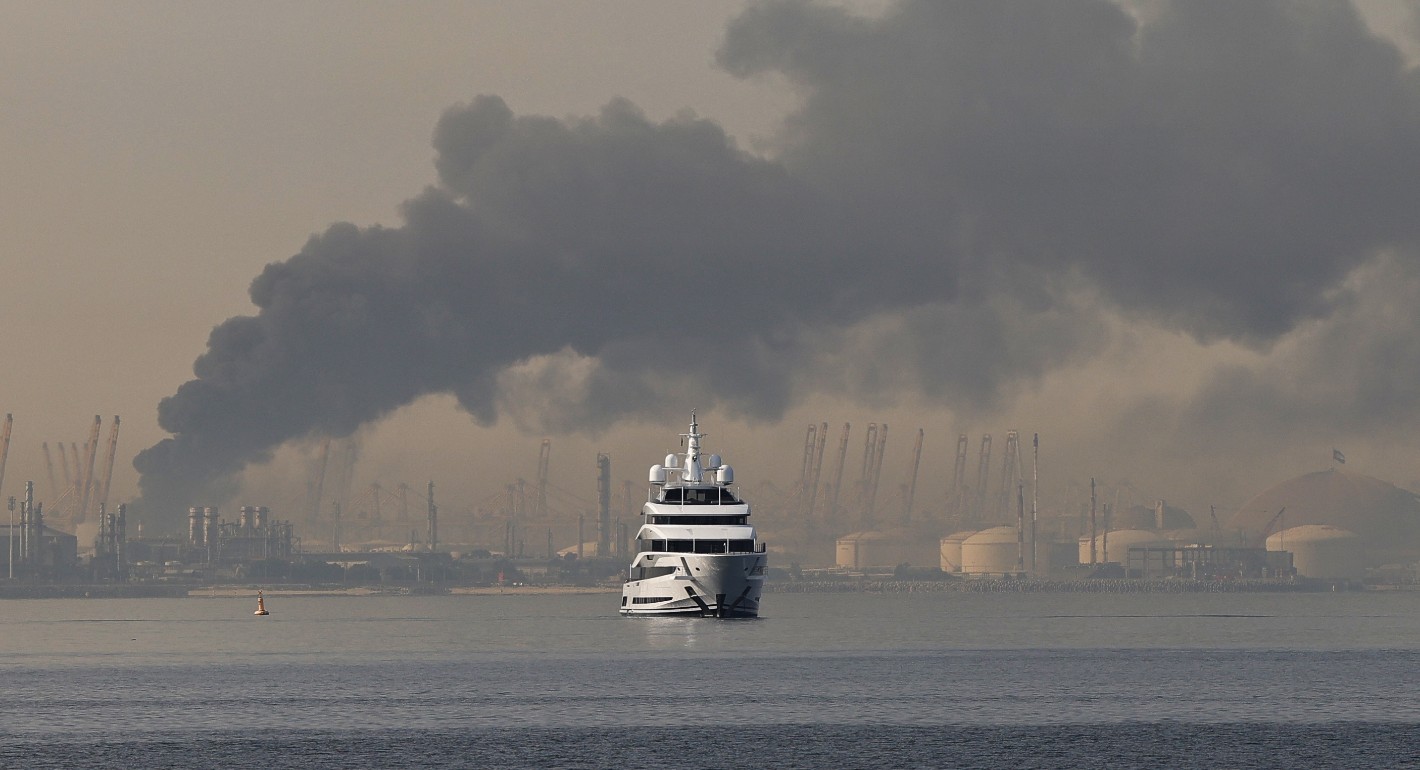
  • A boat, with smoke in the background
    Commentary
    Emissary
    The Gulf Monarchies Are Caught Between Iran’s Desperation and the U.S.’s Recklessness

    Only collective security can protect fragile economic models.

      • Andrew Leber

      Andrew Leber

  • Commentary
    Sada
    Duqm at the Crossroads: Oman’s Strategic Port and Its Role in Vision 2040

    In a volatile Middle East, the Omani port of Duqm offers stability, neutrality, and opportunity. Could this hidden port become the ultimate safe harbor for global trade?

      Giorgio Cafiero, Samuel Ramani

Get more news and analysis from
Carnegie Endowment for International Peace
Carnegie global logo, stacked
1779 Massachusetts Avenue NWWashington, DC, 20036-2103Phone: 202 483 7600Fax: 202 483 1840
  • Research
  • Emissary
  • About
  • Experts
  • Donate
  • Programs
  • Events
  • Blogs
  • Podcasts
  • Contact
  • Annual Reports
  • Careers
  • Privacy
  • For Media
  • Government Resources
Get more news and analysis from
Carnegie Endowment for International Peace
© 2026 Carnegie Endowment for International Peace. All rights reserved.