

Article
Dr. Albert Keidel
{
  "authors": [
    "Albert Keidel"
  ],
  "type": "legacyinthemedia",
  "centerAffiliationAll": "dc",
  "centers": [
    "Carnegie Endowment for International Peace"
  ],
  "collections": [],
  "englishNewsletterAll": "asia",
  "nonEnglishNewsletterAll": "",
  "primaryCenter": "Carnegie Endowment for International Peace",
  "programAffiliation": "AP",
  "programs": [
    "Asia"
  ],
  "projects": [],
  "regions": [
    "North America",
    "United States",
    "China",
    "East Asia"
  ],
  "topics": [
    "Economy",
    "Trade",
    "Foreign Policy"
  ]
}
Source: Getty
The current bill on China's exchange rate that is working its way around Capitol Hill will do nothing to help the U.S. trade deficit or U.S. jobs. It will instead encourage speculators to buy into Wall Street China schemes.
Source: The Washington Post

Many have accepted by now, and at least one sponsor of these various current bills has admitted, that even a major change in China's exchange rate will not affect the U.S. trade deficit. America's trade red ink reflects U.S. domestic factors, such as credit card overload, high consumption levels and low family savings rates. And a major boost in China's currency will not restore American jobs lost to the relentless march of technology. Chinese imports have not reduced American manufacturing output. On the contrary, output is growing very well, thank you. But the U.S. is constantly saving on labor costs, as it has been for decades -- long before China's trade came on the scene.
No, this bill may enrich some Americans, but it won't help America. America's economic future depends on strengthening its competitiveness in sectors where it has natural advantages, like advanced technologies, specialized equipment and health care. This is where growth and new jobs will come, and this is where exports to China are expanding rapidly.
Of course, nobody talks about speculator profits. The arguments put forward are a convoluted mish-mash of pedestrian economics and a string of unfounded accusations about China's commercial practices. Congress should wake up. China's commercial expansion is a reflection of successful economic development. It doesn't need to resort to unfair trade practices. Instead, China's exports are an integral subcomponent in an economic strategy that is mostly domestic.
Of course, the Treasury brought some of this trouble on itself by trying to buy time with its recent, unsubstantiated conclusion that China's currency is undervalued. Any good economist knows you cannot determine where an exchange rate ought to be, especially when so many other powerful trade forces are swirling around you. That's grasping for a paddle in a whirlpool. China joined the World Trade Organization under the most wrenching conditions ever imposed on a new entrant, and the blowback from WTO accession is buffeting its trade in all directions. Nobody knows at this point where it will end up, but it won't be settled by the exchange rate.
In the trauma and aftermath of the last U.S. recession, before China had much of a global trade surplus at all, I was managing the Asia Office at Treasury and received word of the first lobbyist efforts to get China to revalue. The Federal Reserve Board had dropped U.S. interest rates so low that it suddenly made sense for nimble investors to put money in Chinese bank bills, where interest rates were a little higher. It is called the carry trade. But the returns would be much higher if at the same time China were induced to leave its currency peg and revalue. Lobbying in this direction became relentless, exploiting long discredited myths and enlisting related interest groups -- and Congress.
This speculative strategy harks back to the Asian Financial Crisis, when Hong Kong's Monetary Authority was able to quash concerted speculative attacks only with deft unorthodox maneuvers. This time, Congress plays along with the current tactic by which investors push cash into China and then sound alarms about China's rising foreign reserves. Don't do it, Congress. Work for America, not the speculators.
Albert Keidel is Senior Associate at the Carnegie Endowment for International Peace.He was Acting Director of the Office of East Asian Nations in the Treasury Department and has just published China's Economic Fluctuations and their Implications for its Rural Economy.
This article was orginally published in The Washington Post.
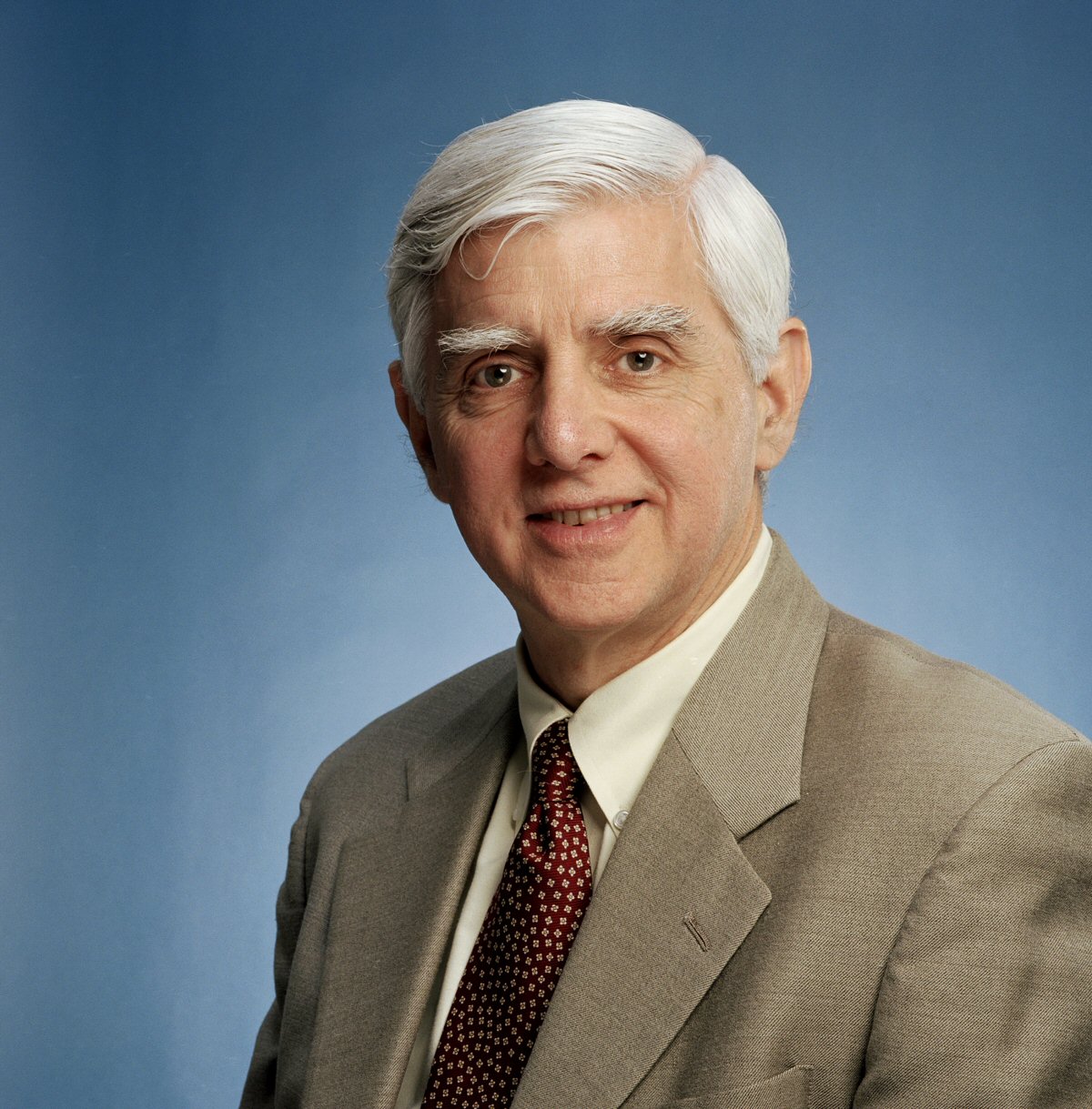
Former Senior Associate, China Program
Keidel served as acting director and deputy director for the Office of East Asian Nations at the U.S. Department of the Treasury. Before joining Treasury in 2001, he covered economic trends, system reforms, poverty, and country risk as a senior economist in the World Bank office in Beijing.
Recent Work
Dr. Albert Keidel
Dr. Albert Keidel
Carnegie does not take institutional positions on public policy issues; the views represented herein are those of the author(s) and do not necessarily reflect the views of Carnegie, its staff, or its trustees.

The conflict is exposing the deep energy vulnerabilities of Korea’s chip industry.


Darcie Draudt-Véjares, Tim Sahay
Even if the Iran war stops, restarting production and transport for fertilizers and their components could take weeks—at a crucial moment for planting.

Noah Gordon, Lucy Corthell
The countries in the region are managing the fallout from Iranian strikes in a paradoxical way.

Angie Omar
French President Emmanuel Macron has unveiled his country’s new nuclear doctrine. Are the changes he has made enough to reassure France’s European partners in the current geopolitical context?

Rym Momtaz, ed.
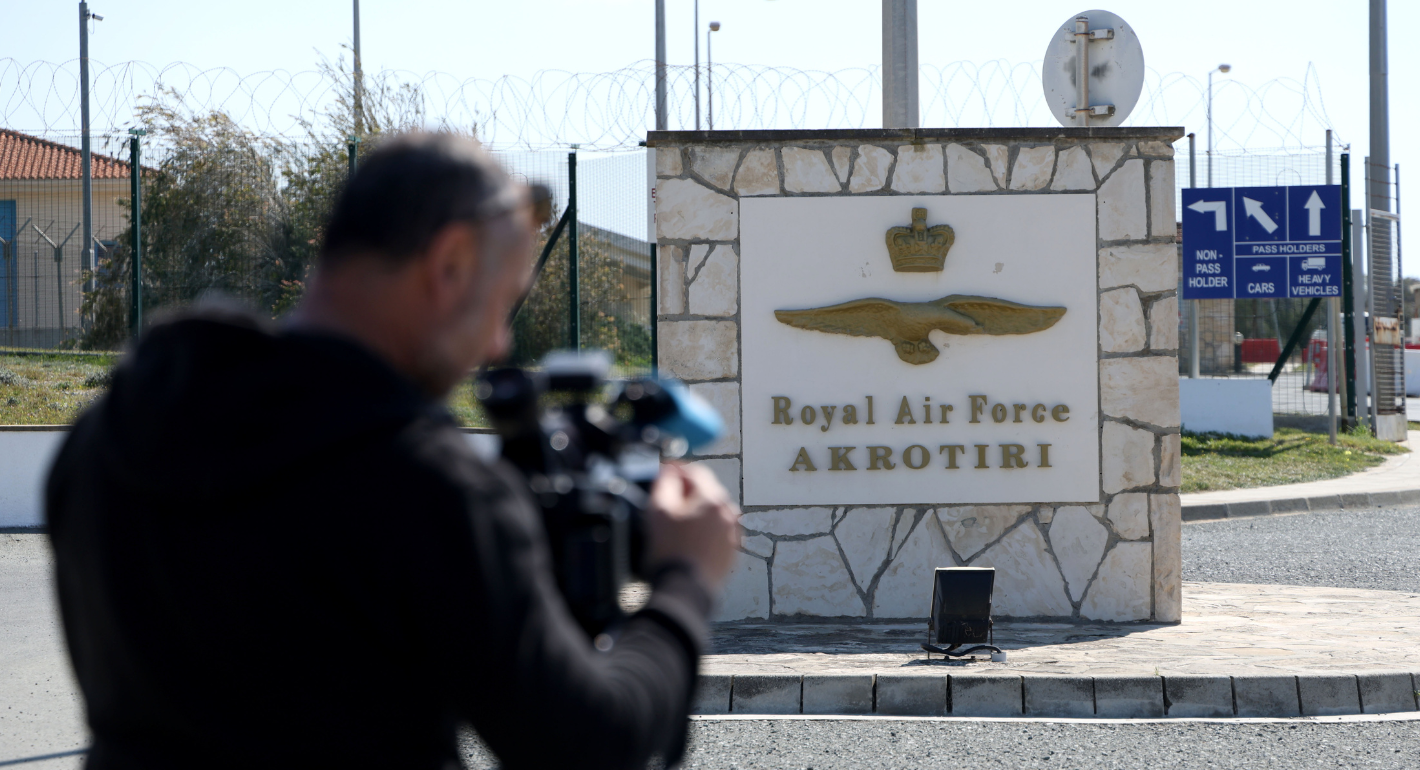
The drone strike on the British air base in Akrotiri brings Europe’s proximity to the conflict in Iran into sharp relief. In the fog of war, old tensions in the Eastern Mediterranean risk being reignited, and regional stakeholders must avoid escalation.

Marc Pierini