

Article
Thomas Carothers
{
  "authors": [
    "Thomas Carothers"
  ],
  "type": "other",
  "centerAffiliationAll": "dc",
  "centers": [
    "Carnegie Endowment for International Peace"
  ],
  "collections": [
    "Democracy and Governance"
  ],
  "englishNewsletterAll": "democracy",
  "nonEnglishNewsletterAll": "",
  "primaryCenter": "Carnegie Endowment for International Peace",
  "programAffiliation": "DCG",
  "programs": [
    "Democracy, Conflict, and Governance"
  ],
  "projects": [],
  "regions": [
    "United States"
  ],
  "topics": [
    "Political Reform",
    "Democracy"
  ]
}
Source: Getty
I salute the National Endowment for Democracy (NED) and congratulate it on this important occasion, taking note of the significant contribution that NED has made to democracy worldwide. I would like to highlight what I believe are some of the main advances and achievements of democracy assistance over the past quarter-century and also to examine the challenging road ahead.
Source: Journal of Democracy

The progress of democracy assistance in the past 25 years can be described as democracy aid finding its place. First, it has found its place within U.S. foreign policy. In the 1980s, democracy aid had to struggle to become something more than just a side element of anticommunist security policies, to become rooted in broader prodemocratic principles. Over time it did that. In the 1990s, democracy assistance had to find its place in a U.S. foreign policy that was no longer anchored in a framework of geopolitical strategic competition. Again, democracy aid did that and in that decade increased rapidly, both in dollar amounts and geographical reach.
Click PDF icon above to read full article.

Harvey V. Fineberg Chair for Democracy Studies; Senior Fellow, Democracy, Conflict, and Governance Program
Thomas Carothers, a senior fellow in the Carnegie Endowment for International Peace’s Democracy, Conflict, and Governance Program, is a leading expert on comparative democratization and international support for democracy.
Recent Work
Thomas Carothers
Thomas Carothers
Carnegie does not take institutional positions on public policy issues; the views represented herein are those of the author(s) and do not necessarily reflect the views of Carnegie, its staff, or its trustees.
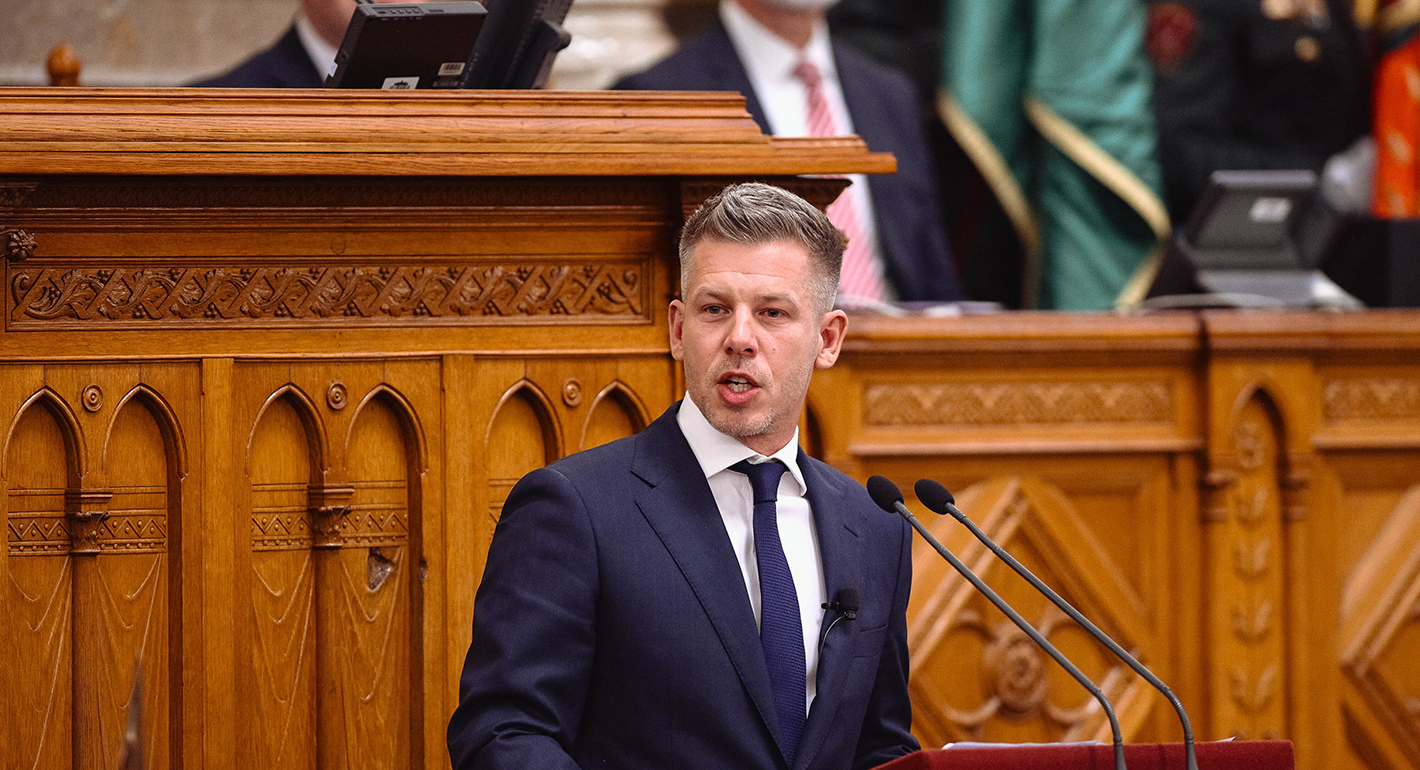
Despite myriad challenges and occasional stumbles, the new Hungarian government is moving ahead with energy and conviction to uproot years of illiberalism and corruption and rebuild Hungarian democracy.
Thomas Carothers

European Commission President Ursula von der Leyen is about to give her annual address on the state of the EU. Here’s what she won’t—but should—say.

Rym Momtaz

Understanding the climatic pain points is necessary for policymakers hoping to minimize the war’s negative environmental consequences.



Alejandro Martin Rodriguez, Joy Arkeh, Sarah Yerkes

Huawei pushed hard to enter the Egyptian data centers market, until the Americans made a better offer.

Angie Omar

Radical-right parties are expected to do well in upcoming elections in four of the EU's biggest member states. If successful, they could prevent the union from addressing key challenges ahead.

Stefan Lehne