

In The Media
Josh Kurlantzick
{
  "authors": [
    "Josh Kurlantzick"
  ],
  "type": "legacyinthemedia",
  "centerAffiliationAll": "dc",
  "centers": [
    "Carnegie Endowment for International Peace"
  ],
  "collections": [],
  "englishNewsletterAll": "ctw",
  "nonEnglishNewsletterAll": "",
  "primaryCenter": "Carnegie Endowment for International Peace",
  "programAffiliation": "SAP",
  "programs": [
    "South Asia"
  ],
  "projects": [],
  "regions": [
    "Pakistan"
  ],
  "topics": []
}
Source: Getty
Today's elections in Pakistan, perhaps the most important in the nation's history, provide an excellent opportunity for the United States to change its long-standing, long-failing policies there. If the election is a sham that favors Musharraf's party, or if the army takes power once again and the United States says nothing, average Pakistanis will become even more alienated, and will continue believing that, when push comes to shove, Washington will always stand behind the generals. If the party of the deceased Benazir Bhutto, or that of Nawaz Sharif, another former prime minister, triumphs, and Washington simply switches its Yber-close relationship from Musharraf to the new Pakistani leader, it will lose a rare and important chance to help build Pakistan's democratic institutions, like the media and independent judiciary.
Source: The New Republic

But neither Musharraf, nor Sharif, nor any other individual will be able to turn Pakistan around single-handedly, and none is worthy of unmitigated American support. For decades, Pakistan has been ruled by a tiny civilian/military elite--army chiefs like Musharraf and politicians like Sharif--who treat politics like feudal lords, winning an election and then amassing the power of the state to help themselves and their friends. And for decades, Washington has simply maintained close relations with whatever general or feudocrat happened to be in charge.
The result? Under civilian politicians, Pakistan has stagnated: Its economy wastes away, and its education system disintegrates, leaving more parents to send their children to Islamic madrasas. Under military-bred politicians, though the economy has sometimes grown, Pakistan typically grows even more radicalized, harshly repressing civil society and, in Musharraf's case, making deals with Islamists to retain power.
Ensuring the radicals stayed strong served another purpose for Musharraf: It allowed him to collect billions in American antiterrorism assistance. Since 9/11, the United States has provided Pakistan with at least $10 billion in assistance, and probably much more, since that figure does not include classified aid. This money has come with few conditions, and the Pakistani military has reportedly wasted much of it on itself, and on stoking conflict with longtime rival India. Meanwhile, the country's vibrant civil society--vocal press outlets, thousands of NGOs, numerous student movements--finds its voice stifled. Yet it is Pakistan's civil society that offers the best hope for the nation's future, for an opportunity to break away from the civilian/military elite that has ruled since independence.
Few American leaders seem to understand that they can enact a foreign policy toward Pakistan that's more nuanced than supporting whoever is in charge at the moment. Instead, the U.S. should run a more broad-based aid program, one that's conditioned on results from Islamabad in fighting terrorism, combating radicalism, and building democracy. Some American aid can continue flowing to the military, which will remain an important partner in counterterrorism, and cannot simply be pushed out of the picture without causing instability. But the money must also reach a broader segment of Pakistanis, including media outlets, lawyers' groups, public schools, student leaders, and other such organizations. Supporting broader institutions will help inculcate the kind of democratic values Pakistan's traditional political leaders have shunned, and it might help to create more democratized leaders for the future. At the same time, Washington can push Pakistan's political parties to democratize internally, allowing a greater diversity of voices within, so that they escape the kind of feudal history that leads to handing power to a 19-year-old.
For the assistance to be successful, of course, it must come with credible threats. If a Pakistani government wastes aid, or commits massive human rights abuses, Washington must be prepared to stop all non-humanitarian support and consider sanctions on Pakistan's military. That approach is most likely to succeed if Washington is clear upfront about the conditions of assistance.
Unfortunately, the White House doesn't seem to be embracing these measures. It has come up with new policy options that fail to address the country's more systemic problems. Some in the administration reportedly propose stepping up covert operations, which might allow American Special Forces to operate on the Pakistan-Afghanistan border no matter the political situation in Islamabad. Others suggested new attempts to build ties to Musharraf's successor as army chief, to Nawaz Sharif, or to Bhutto's widower, Asif Zardari, a man with no vision for the country and a reputation for using power to enrich himself.
This powder-keg of a nation requires more from the United States right now. It requires a more strategic, long-term approach to foreign policy. But depressingly, again, it seems as if a new foreign policy will only come with a new president.
Joshua Kurlantzick is a visiting scholar of Carnegie Endowment for International Peace, and a special correspondent for The New Republic.
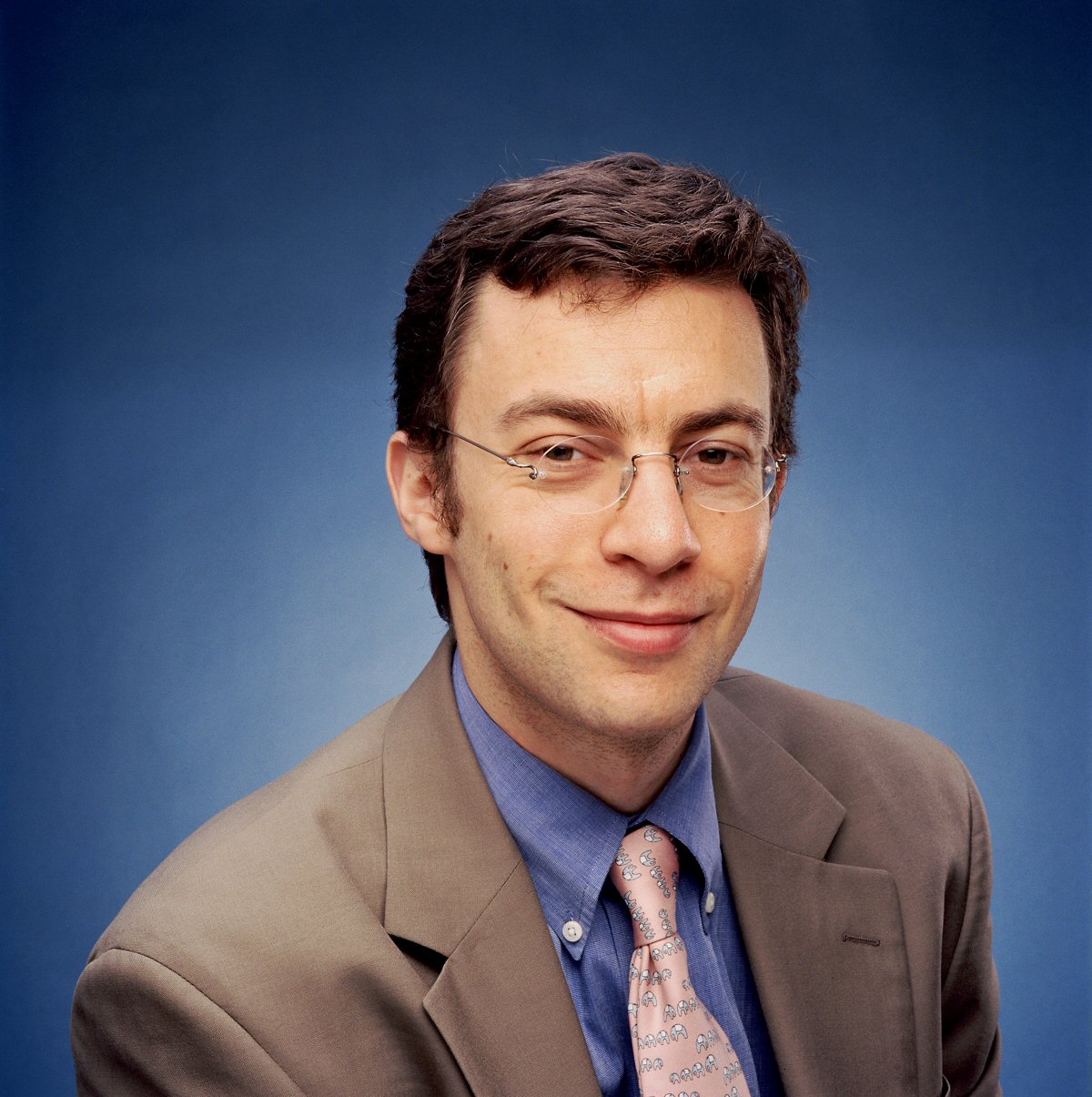
Former Visiting Scholar, China Program
A special correspondent for The New Republic, a columnist for Time, and a senior correspondent for The American Prospect, Kurlantzick assesses China’s relationship with the developing world, including Southeast Asia, Africa, and Latin America.
Recent Work
Josh Kurlantzick
Carnegie does not take institutional positions on public policy issues; the views represented herein are those of the author(s) and do not necessarily reflect the views of Carnegie, its staff, or its trustees.
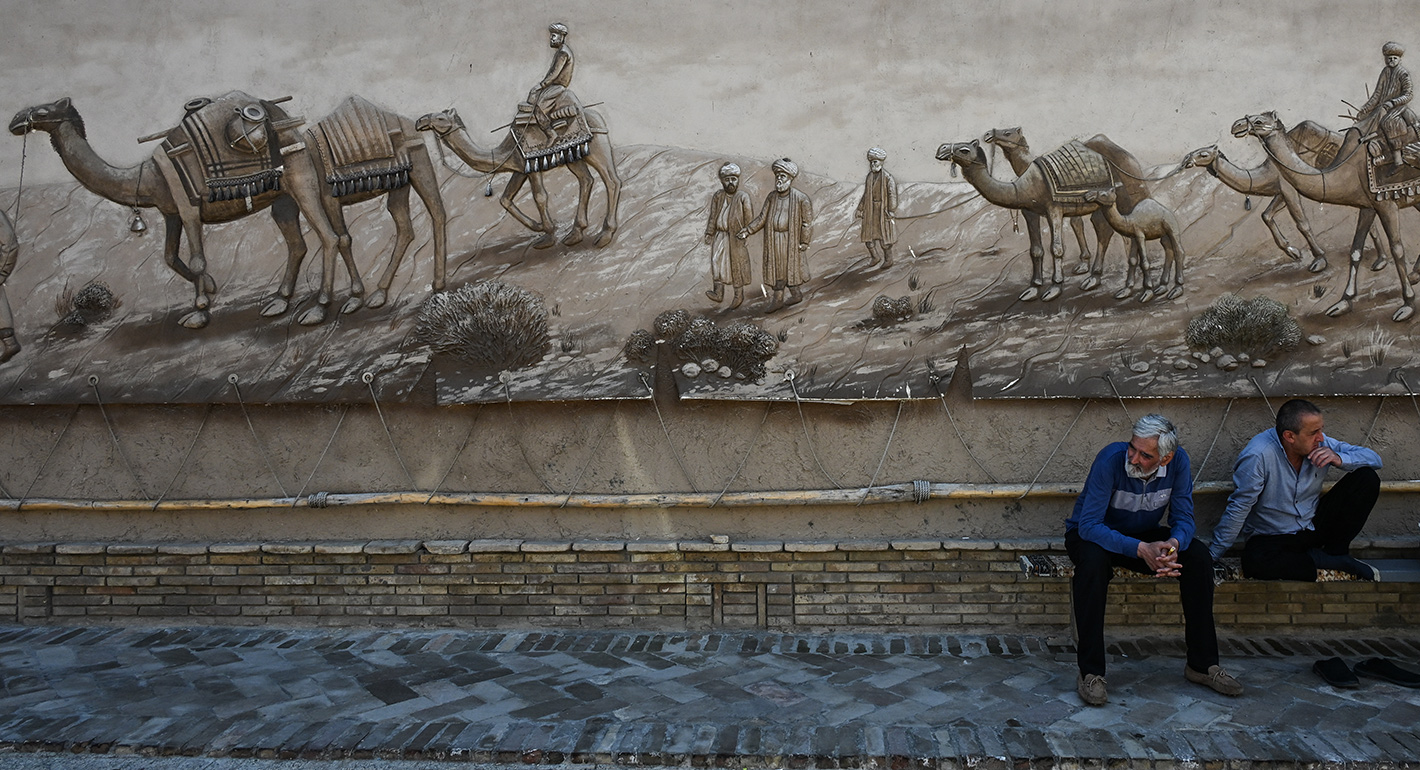
“Central Asia” as an analytical category is itself part of the problem. The term is a Soviet administrative inheritance, drawn along lines that served the convenience of Moscow. The Central Asian states the Soviets named no longer see themselves through this category alone and are not aligning across political blocs but are instead building external partnerships sector by sector, assigning different partners to different functions.

Jennifer B. Murtazashvili
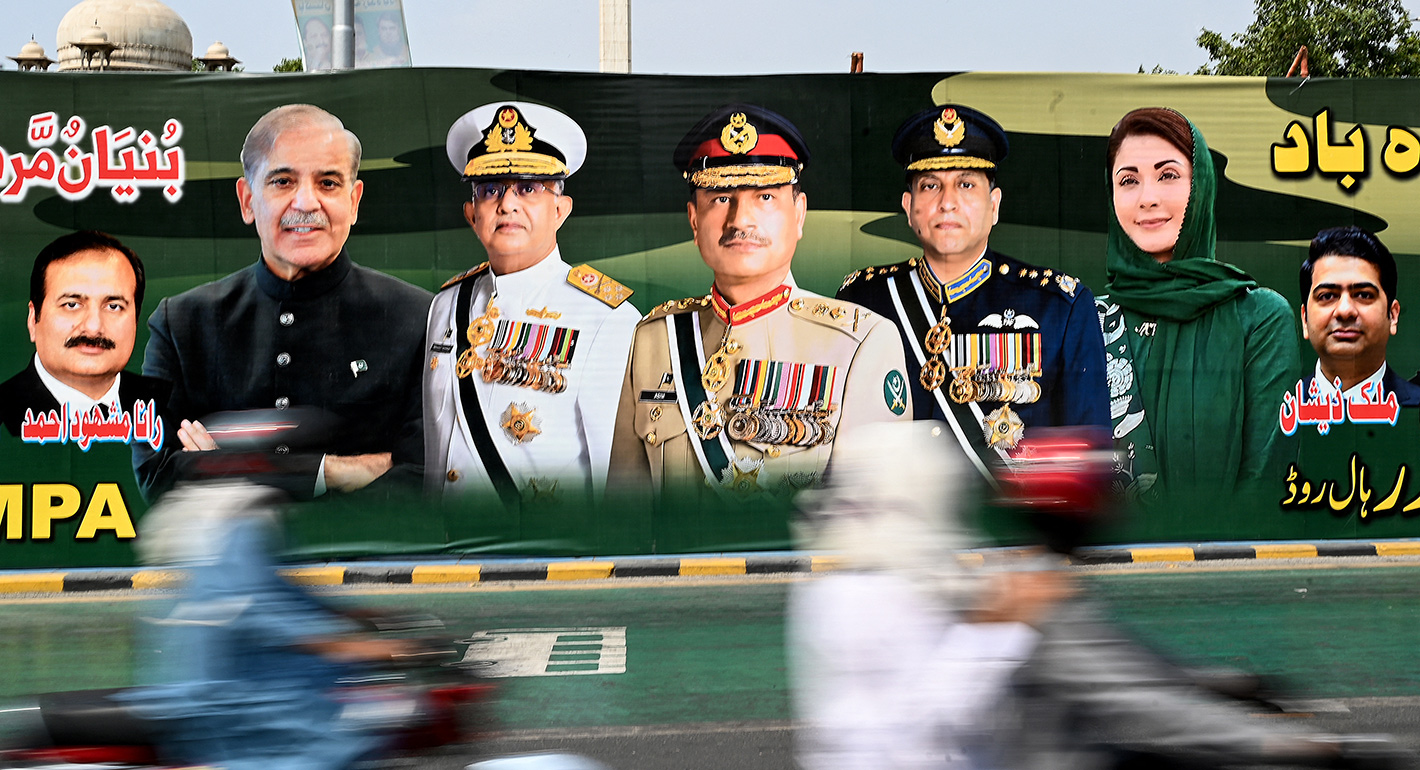
The regime bets that international legitimacy can be translated into domestic stability. But that depends upon whether it can leverage international goodwill to manage grievances and the economy at home.
Zoha Waseem, Yasser Kureshi
Military rule is now a defining political factor in South Asia. Here’s how analysts can understand and account for it.

Paul Staniland
Not only does the fighting jeopardize regional security, it undermines Russian attempts to promote alternatives to the Western-dominated world order.
Ruslan Suleymanov
An exploration into how India and Pakistan have perceived each other’s manipulations, or lack thereof, of their nuclear arsenals.
Rakesh Sood