

In The Media
Josh Kurlantzick
{
  "authors": [
    "Josh Kurlantzick"
  ],
  "type": "legacyinthemedia",
  "centerAffiliationAll": "dc",
  "centers": [
    "Carnegie Endowment for International Peace"
  ],
  "collections": [],
  "englishNewsletterAll": "menaTransitions",
  "nonEnglishNewsletterAll": "",
  "primaryCenter": "Carnegie Endowment for International Peace",
  "programAffiliation": "MEP",
  "programs": [
    "Middle East"
  ],
  "projects": [],
  "regions": [
    "Middle East"
  ],
  "topics": [
    "Economy"
  ]
}
Source: Getty
On a humid morning in downtown Kuala Lumpur, women wearing patterned head scarves and long skirts walk in groups to work, strolling beneath a futuristic, Epcot-esque monorail and past neatly trimmed coconut palms. One cluster of women stops for lattes at a Starbucks, one of many cafes blossoming on the ground floors of new glass-and-steel corporate skyscrapers in the Malaysian capital. Young male information-technology workers sit in shorts at the Starbucks' outdoor patio, furiously typing on computers. When the call to prayer rings overhead, several of them quickly down their espressos, pack up their laptops and hurry to the mosque.
Source: The Los Angeles Times

Since 9/11, Muslims -- and many Westerners -- have wondered if Arab Muslim nations can reconcile Islamization and globalization. To some, Malaysia has found the balance of the two, creating a country comfortable for pious Muslims and for a company such as Intel, which has built a huge microprocessor plant in the northern city of Penang. The White House has praised the small Southeast Asian nation as a model of moderation. Malaysia has benefited enormously from globalization, throwing itself open to trade, building a high-tech corridor and growing into one of the wealthiest nations in the region. Yet it has boomed in part by embracing one of the oldest concepts in Islam -- Islamic banking.
Islam has had its own concepts of banking and finance for centuries. The Koran, striving to promote equity, prohibited the charging of interest on loans because poor borrowers and wealthier lenders did not face equal risks. It also barred Muslims from making money off such products as alcohol because Muslims are not allowed to drink alcohol.
Over time, scholars in some Arab Muslim nations deemed a small number of investment practices asSharia-compliant.In an Islamic financial transaction called musharakah, for instance, the lending Islamic bank and the borrowing company pool their capital, rather than the bank providing the loan at a fixed rate. The bank and the company jointly manage the money, so both profit or lose equally from the investment.
Before 2001, most Arab Muslim investors did not use transactions like musharakah. Instead, they placed their savings in Western banks. But that has changed over the last six years. One reason is the skyrocketing price of oil, which has fattened the coffers of many Arab governments and investors and given them more money to invest, including in Islamic banks. After 9/11, many leading Muslim investors also pulled out of the United States because they feared their money would be targeted. Finally, the growing power of Islamists put pressure on Muslim investors to save according to Koranic principles.
And these investors have. In 2006, there were 250 Islamic mutual stock funds worldwide with combined assets of $300 billion, according to Moody's. Overall, the Islamic finance industry may be growing as much as 15% annually. Deutsche Bank, HSBC, UBS and other banking giants have established Islamic finance subsidiaries or separate Islamic banks that offer products that comply with Sharia.
But it is Malaysia that stands at the forefront of this industry, which was virtually nonexistent before 9/11. Malaysian leaders recognize that Islamic finance allows Muslims to assert their religious identity without having to become involved in poisonous Islamist politics. Malaysian Prime Minister Abdullah Ahmad Badawi says as much when he embraces "civilizational Islam" -- Islam expressed through economics, science and culture, not just politics.
Malaysia's relative religious moderation and its progressive government, which is less focused on religious issues than some Arab regimes, have allowed it to push the limits of what is permitted in Islamic banking. Its central bank has established a national Sharia board of scholars to approve banking products. The board has established the benchmarks needed to standardize the industry, ensure that Islamic banks meet international financial rules and reassure customers that they are getting truly Islamic products. But it also has been progressive enough to consider how Malaysia could adapt Islam to such cutting-edge financial ideas as derivatives.
In just the last five years, Malaysian banks have introduced a staggering range of Islamic financial products. One of them was the world's first Islamic interest-less bond, or sukuk. Other products include Islamic mortgages, Islamic leases and Islamic funds that do not bear interest. Malaysia even has created a kind of Islamic ATM network so devout Muslims can withdraw money across the globe without worrying whether the banks collected interest from their deposits.
As Islamic finance has become a pillar of Malaysia's economy, some moderate Middle Eastern states have tried to copy its successful model. Dubai is attempting to establish itself as an Islamic banking hub.
But as Islamic finance has become more mainstream, conservative Muslims have criticized it as not strict enough. Banks in more conservative Persian Gulf states initially refused to help their Malaysian peers sell the most progressive Islamic bonds because they believed they came close to offering interest. Others believe there are too many modern thinkers on Malaysia's oversight board.
Some of the harshest criticism has come from Muslim reformers, some of whom have said that Islamic finance could serve as a bridge between globalization and Islam as well as a means of promoting Arab Muslim development. Timur Kuran, a prominent economist at the University of Southern California, is one such critic. In his 2004 book, "Islam and Mammon: The Economic Predicaments of Islamism," Kuran writes that one long-standing claim of Islamic economics is that it is uniquely fair and compassionate toward the poor. But Kuran complains that wealthier Muslim governments like Malaysia's don't build their Islamic credentials by tackling the tough problems of Muslim underdevelopment -- fragile civil societies and vast income disparities. Instead, they burnish their Islamic reputations by promoting Islamic finance -- bonds, hedge funds and other financial tools used mostly by the wealthy and the middle class, not by the poor.
Mahmoud El Gamal, an expert on Islamic banking at Rice University, goes further. He says many new Islamic financial instruments merely employ tricks to get around the Koran's prohibitions on interest. To El Gamal, the industry has become obsessed with the narrow letter, rather than the spirit, of Islamic law, which was designed to be truly fair. "You are taking some item and sprinkling holy water on it," he said. "If it's pork, it's not going to turn into beef."
But in the long run, if Arab Muslim states are going to leap the development gap, they may have to accept these concerns and find ways around them. After all, Malaysia, unlike many Middle Eastern states, has achieved an effective compromise, building a real Islamic finance business while keeping most of its devout scholars satisfied.
Joshua Kurlantzick is a visiting scholar at the Carnegie Endowment for International Peace and the author of "Charm Offensive: How China's Soft Power Is Transforming the World."

Former Visiting Scholar, China Program
A special correspondent for The New Republic, a columnist for Time, and a senior correspondent for The American Prospect, Kurlantzick assesses China’s relationship with the developing world, including Southeast Asia, Africa, and Latin America.
Recent Work
Josh Kurlantzick
Carnegie does not take institutional positions on public policy issues; the views represented herein are those of the author(s) and do not necessarily reflect the views of Carnegie, its staff, or its trustees.

The Plaza Accord was not an externally imposed punishment of Japan but part of a broader restructuring that Japanese economists and policymakers themselves recognized was necessary. Its effects were undermined, however, when Tokyo responded to the resulting slowdown with policies that exacerbated investment, credit expansion, and the very imbalances the adjustment was intended to resolve.

Michael Pettis
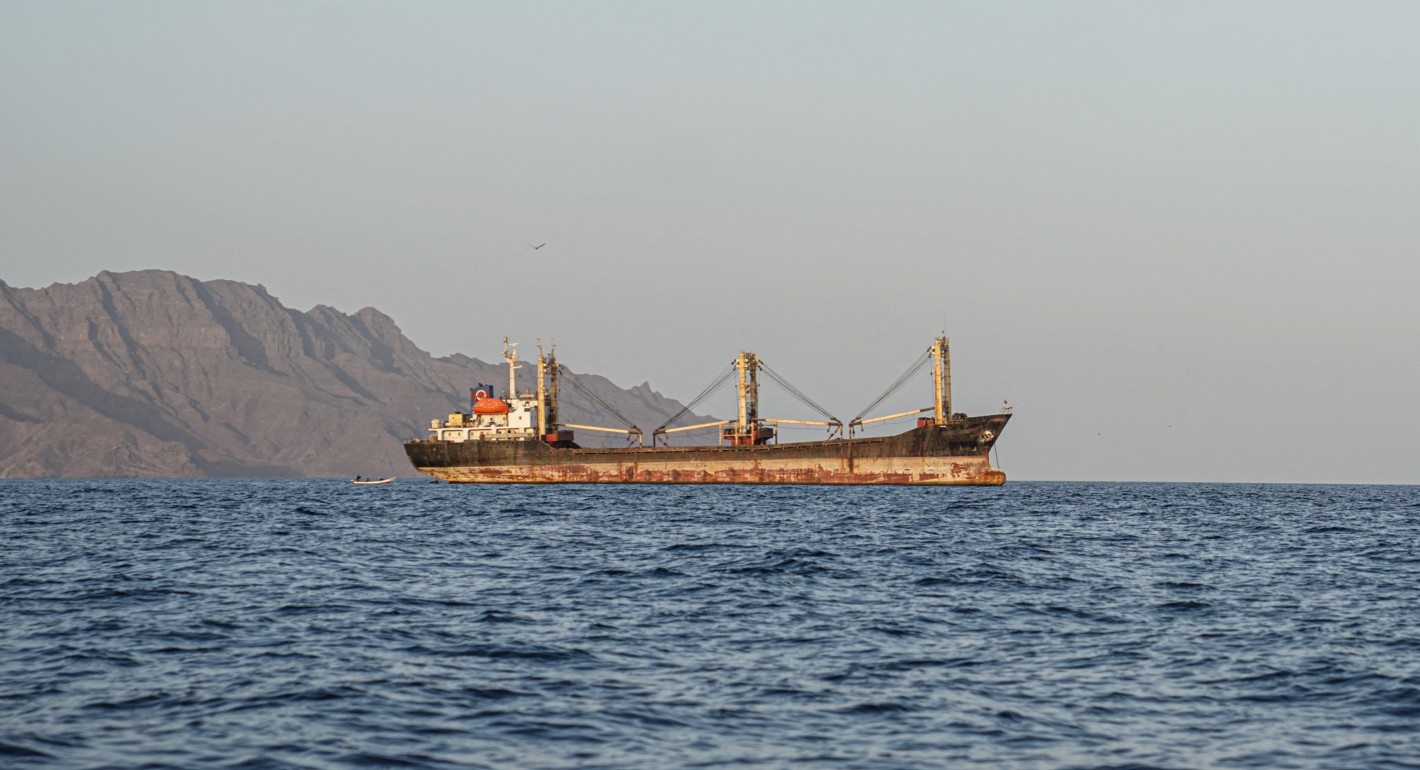
The Horn of Africa countries are among those facing a new security calculus.


Andrew Leber, Lesley Anne Warner

A summer of escalation in the Black Sea has hurt Ukraine economically and is exacerbating world food security. A truce is needed—as is a broader reframing of Europe’s Ukraine strategy.

Thomas de Waal

As the U.S. stumbles in its war with Iran, we are likely to see an acceleration of its disengagement from the region.

Michael Young
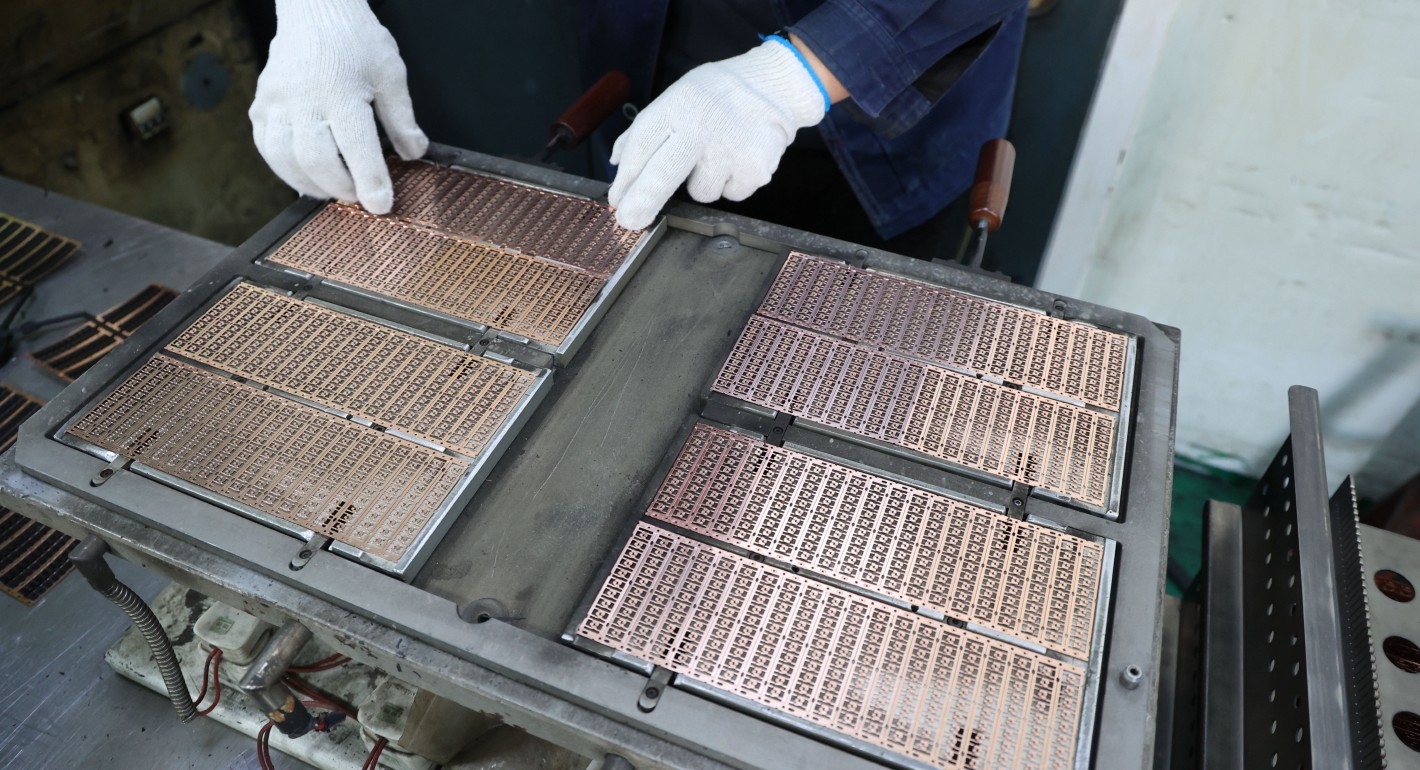
The Bureau of Industry and Security needs to adjust its focus and practices to maintain its position as the U.S. government’s primary champion of international technological competition.
Geoffrey Irving