

Commentary
Dmitri Trenin
{
  "authors": [
    "Dmitri Trenin"
  ],
  "type": "legacyinthemedia",
  "centerAffiliationAll": "",
  "centers": [
    "Carnegie Endowment for International Peace",
    "Carnegie Russia Eurasia Center"
  ],
  "collections": [],
  "englishNewsletterAll": "",
  "nonEnglishNewsletterAll": "",
  "primaryCenter": "Carnegie Russia Eurasia Center",
  "programAffiliation": "",
  "programs": [],
  "projects": [],
  "regions": [
    "Caucasus",
    "Russia"
  ],
  "topics": [
    "Foreign Policy"
  ]
}
Source: Getty
In The Wall Street Journal, Carnegie Moscow Center's Dmitri Trenin comments on the recent election of Dmitry Medvedev as Russia’s next president. “Mr. Medvedev's arrival at the Kremlin is billed as the continuation of the Putin course,” he writes.
Source: The Wall Street Journal

Former Director, Carnegie Moscow Center
Trenin was director of the Carnegie Moscow Center from 2008 to early 2022.
Recent Work
Dmitri Trenin
Dmitri Trenin
Carnegie does not take institutional positions on public policy issues; the views represented herein are those of the author(s) and do not necessarily reflect the views of Carnegie, its staff, or its trustees.
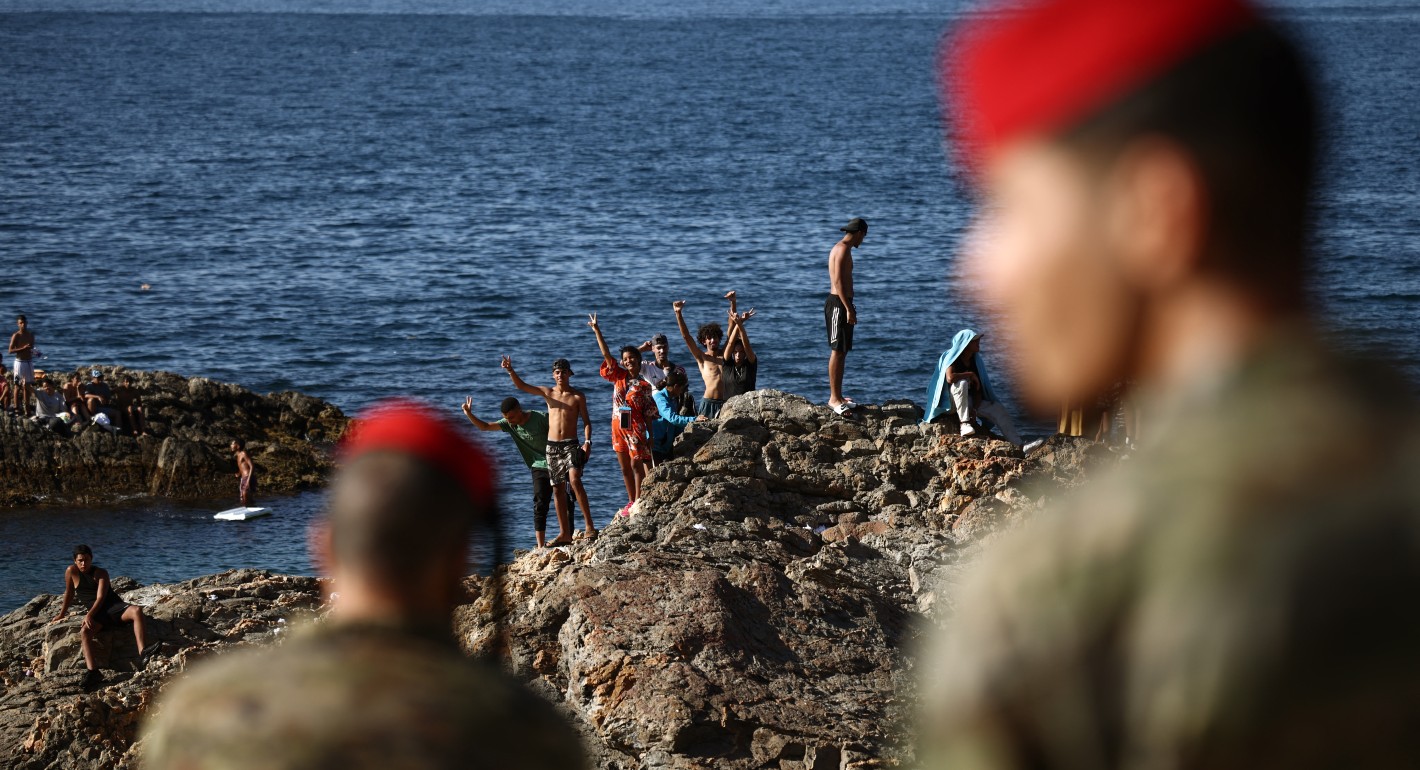
Most migrants may have left Ceuta, but the effects may linger.


Alejandro Martin Rodriguez, Sarah Yerkes
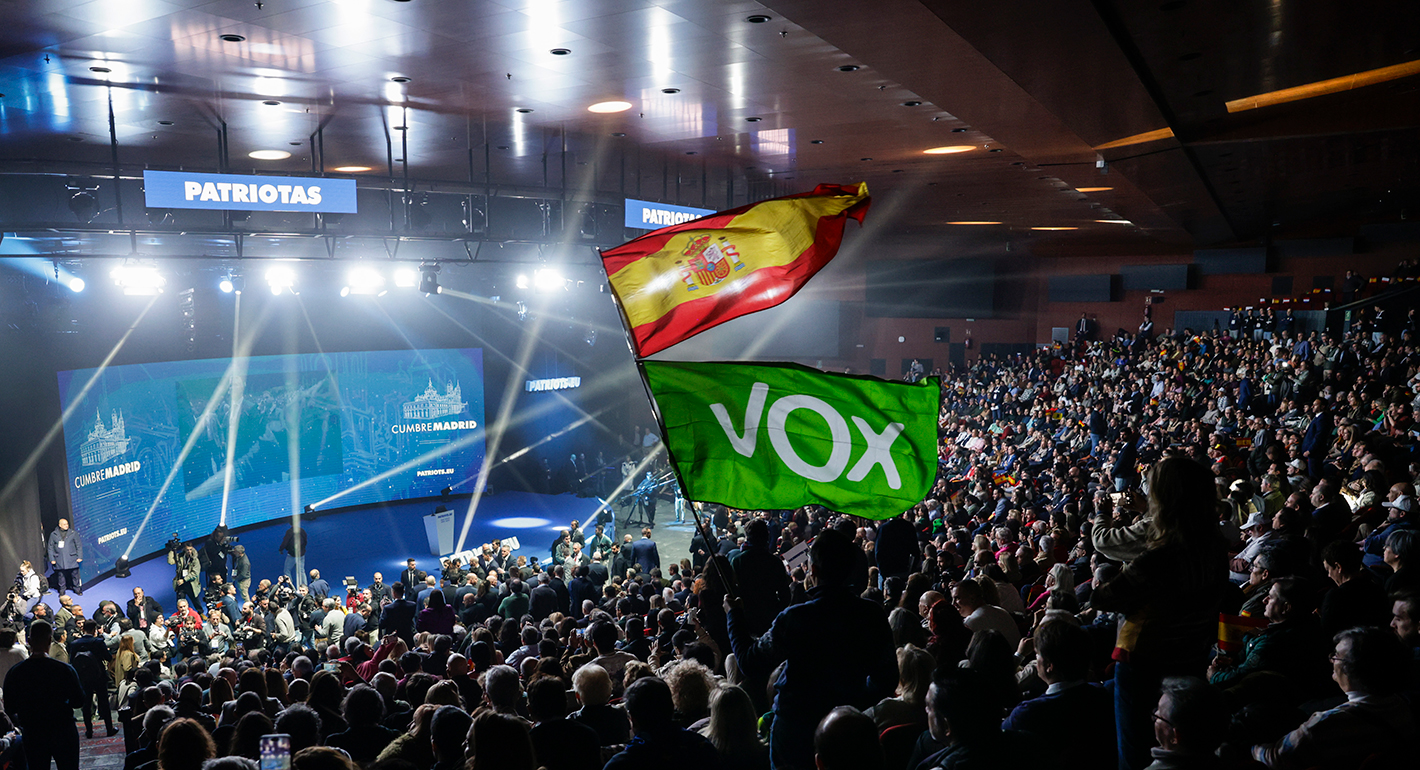
There is a transnational far-right populist movement that links middle powers in a global movement that extends well beyond Trump.

Christopher S. Chivvis, Rohan Mukherjee, Milan Vaishnav

When faced with fuel shortages in the past, Central Asian governments could always count on additional supplies from Moscow. That safety net no longer exists.

Galiya Ibragimova
Saied’s main accomplishment has been to destroy a decade’s worth of democratic progress.
Sarah Yerkes
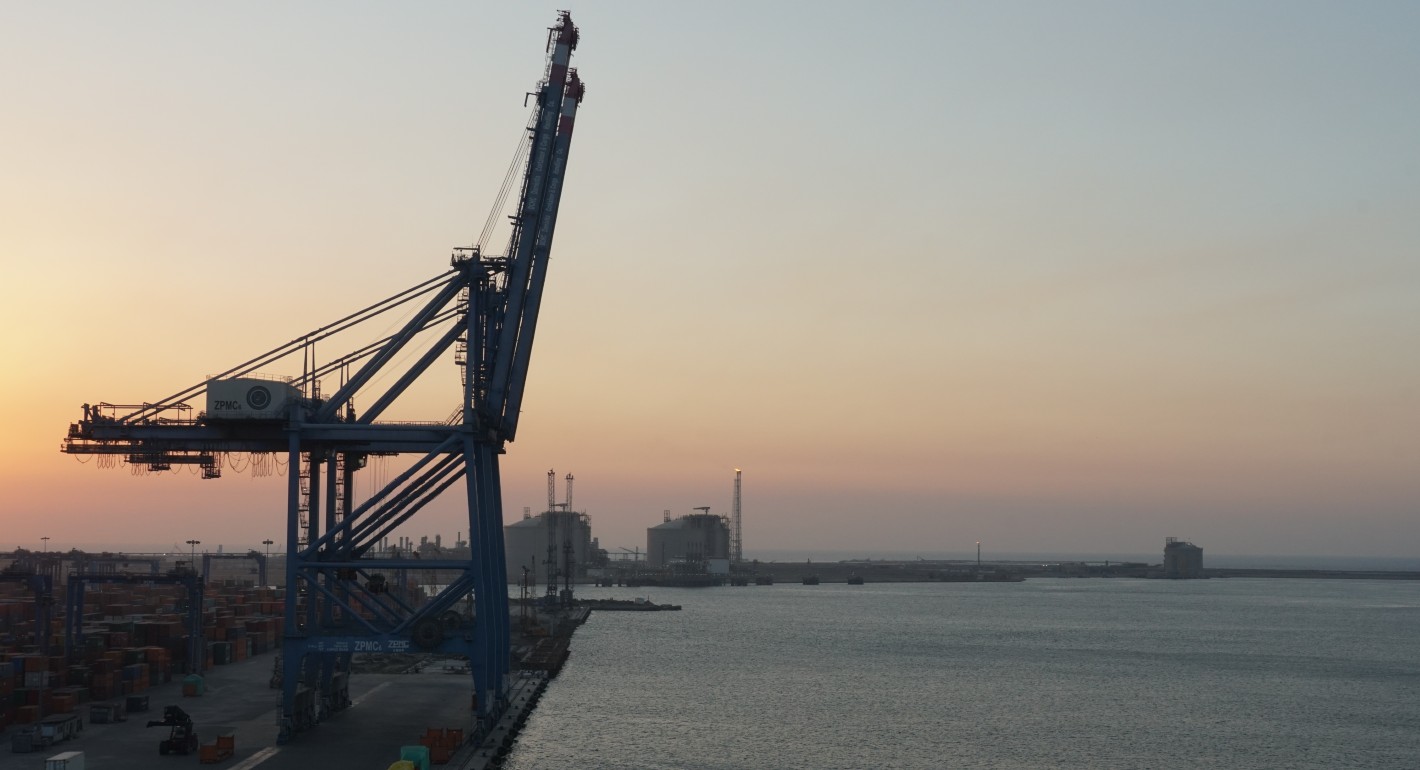
The targeting of Damietta Port appears to be more than a mere security message.

Amr Hamzawy