• Research
  • Emissary
  • About
  • Experts
Carnegie Global logoCarnegie lettermark logo
DemocracyIran
  • Donate
{
  "authors": [
    "Frederic Grare"
  ],
  "type": "legacyinthemedia",
  "centerAffiliationAll": "dc",
  "centers": [
    "Carnegie Endowment for International Peace"
  ],
  "collections": [],
  "englishNewsletterAll": "ctw",
  "nonEnglishNewsletterAll": "",
  "primaryCenter": "Carnegie Endowment for International Peace",
  "programAffiliation": "SAP",
  "programs": [
    "South Asia"
  ],
  "projects": [],
  "regions": [
    "South Asia",
    "Pakistan"
  ],
  "topics": [
    "Security"
  ]
}
Source: Getty

In The Media

Grare: Restoration of Judges a Crucial Issue Before Pakistani Parliament

Link Copied
By Frederic Grare
Published on Apr 2, 2008
Program mobile hero image

Program

South Asia

The South Asia Program informs policy debates relating to the region’s security, economy, and political development. From strategic competition in the Indo-Pacific to India’s internal dynamics and U.S. engagement with the region, the program offers in-depth, rigorous research and analysis on South Asia’s most critical challenges.

Learn More
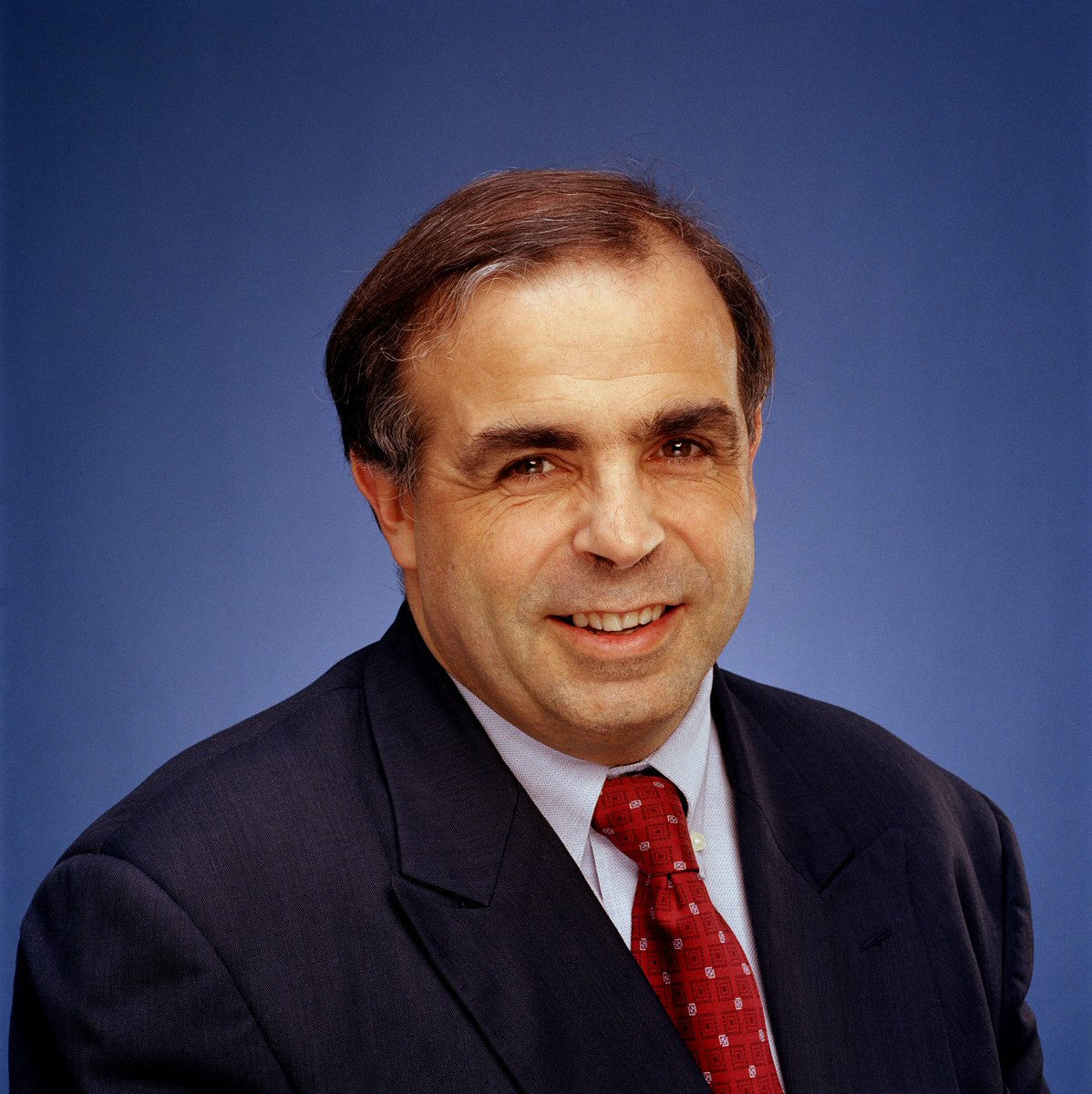
Pakistani President Pervez Musharraf’s decision to imprison Supreme Court judges last year was the beginning of the end of Musharraf’s unchallenged rule, said Carnegie Visiting Scholar Frederic Grare in an interview on BBC World. Now, Prime Minister Yousaf Raza Gillani’s has freed the judges.

But, said Grare, different factions of the ruling coalition have yet to decide whether or not the judges will be restored to office. That issue is crucial, because a restored Supreme Court would likely rule that Musharraf’s election last fall was unconstitutional.

Some in Islamabad have floated a deal whereby the judges would be restored under the condition that Musharraf remains President. Grare said that scenario is unlikely, since Musahrraf would probably try to divide the ruling coalition, form a partnership with the Pakistan People’s Party, and eject the Pakistan Muslim League-Nawaz from power.

Click on one of the options below to watch video or listen to audio:

mp3
Podcast Audio (mp3)
Windows Media
Windows Media Video
QuickTime
QuickTime Video

About the Author

Frederic Grare

Former Nonresident Senior Fellow, South Asia Program

Frédéric Grare was a nonresident senior fellow at the Carnegie Endowment for International Peace, where his research focuses on Indo-Pacific dynamics, the search for a security architecture, and South Asia Security issues.

    Recent Work

  • Article
    France, the Other Indo-Pacific Power

      Frederic Grare

  • Article
    What Sri Lanka’s Presidential Election Means for Foreign Policy

      Frederic Grare

Frederic Grare
Former Nonresident Senior Fellow, South Asia Program
Frederic Grare
SecuritySouth AsiaPakistan

Carnegie does not take institutional positions on public policy issues; the views represented herein are those of the author(s) and do not necessarily reflect the views of Carnegie, its staff, or its trustees.

More Work from Carnegie Endowment for International Peace

  • apan's 8,900-ton Maritime Self-Defense Force supply ship Oosumi leaves Muroran port escorted by the 4,550-ton destroyer Murasame bound for Kuwait February 20, 2004 in Muroran, Japan.
    Article
    Japan’s Security Policy Is Still Caught Between the Alliance and Domestic Reality

    Japan’s response to U.S. pressure over Hormuz highlights a broader dilemma: How to preserve the alliance while remaining bound by legal limits, public opinion, and an Asia-centered security agenda. Tokyo gained diplomatic space through an alliance-embracing strategy, but only under conditions that may not endure.

      • Ryo Sahashi

      Ryo Sahashi

  • Trump seated and gesturing while speaking
    Commentary
    Emissary
    The Iran War Is Making America Less Safe

    A conflict launched in the name of American security is producing the opposite effect.

      • Sarah Yerkes

      Sarah Yerkes

  • India and a Changing Global Order: Foreign Policy in the Trump 2.0 Era
    Research
    India and a Changing Global Order: Foreign Policy in the Trump 2.0 Era

    Trump 2.0 has unsettled India’s external environment—but has not overturned its foreign policy strategy, which continues to rely on diversification, hedging, and calibrated partnerships across a fractured order.

      • Sameer Lalwani
      • +6

      Milan Vaishnav, ed., Sameer Lalwani, Tanvi Madan, …

  • Mullin with his hand raised, taking an oath
    Commentary
    Emissary
    Can Mullin Revive FEMA?

    Restoring competence and trust to the anemic, neglected disaster recovery agency is a matter of national security.

      • Sarah Labowitz
      • Debbra Goh

      Sarah Labowitz, Debbra Goh

  • Gen Z United activists hold a demonstration in Kathmandu, Nepal, on September 8 and 9, 2025, under the banner ''Don't Forget the Blood of Martyrs,'' honoring protest martyrs and demanding justice and accountability for those killed during past movements.
    Article
    Gen Z Protests Across Asia Offer a Delicate but Renewed Democratic Order

    A disconnect between Gen Z citizenry and older rulers has fueled massive demonstrations. What are the key issues and how is protest energy translating into electoral change?

      • Usama Khilji

      Usama Khilji

Get more news and analysis from
Carnegie Endowment for International Peace
Carnegie global logo, stacked
1779 Massachusetts Avenue NWWashington, DC, 20036-2103Phone: 202 483 7600Fax: 202 483 1840
  • Research
  • Emissary
  • About
  • Experts
  • Donate
  • Programs
  • Events
  • Blogs
  • Podcasts
  • Contact
  • Annual Reports
  • Careers
  • Privacy
  • For Media
  • Government Resources
Get more news and analysis from
Carnegie Endowment for International Peace
© 2026 Carnegie Endowment for International Peace. All rights reserved.