

Commentary
Amid celebrations of bilateral ties was a deeper focus on stability in the Middle East.
Amr Hamzawy
{
  "authors": [
    "Eduardo Zepeda",
    "David Fairris",
    "Gurleen Popli"
  ],
  "type": "legacyinthemedia",
  "centerAffiliationAll": "",
  "centers": [
    "Carnegie Endowment for International Peace"
  ],
  "collections": [],
  "englishNewsletterAll": "",
  "nonEnglishNewsletterAll": "",
  "primaryCenter": "Carnegie Endowment for International Peace",
  "programAffiliation": "",
  "programs": [],
  "projects": [],
  "regions": [
    "North America",
    "South America"
  ],
  "topics": [
    "Economy"
  ]
}
Source: Getty
Low minimum wages may be partially to blame for the growth of inequality in Mexico throughout the late 1980s and early 1990s. Minimum wages play an important role in wage-setting for low-income workers, including those in the informal sector. Government policies aiming to mitigate minimum wage’s negative impacts on employment may have pernicious consequences for income inequality.
Instead of merely setting a lower bound on the wages of formal sector workers, minimum wages serve as a norm for wage setting more generally throughout the Mexican economy. Out results suggest that wages are commonly set at multiples of the minimum wage, and that changes in minimum wages influence wage changes across the occupational distribution. Moreover, our findings suggest that these normative features of minimum wages have their greatest impact on the mid-to-lower tail of the wage distribution, including the informal sector of the economy. Thus, the results lend support to the view that declining real minimum wages and stabilization programs that strengthen the link between wage levels, wage changes, and minimum wages, might account for a portion of the growing wage inequality in Mexico over the period of the late 1980s and early 1990s.
Former Senior Associate, Trade, Equity and Development Program
Zepeda is inter-regional policy coordinator of the Development Policy and Analysis Division, Department of Economic and Social Affairs at the United Nations General Secretariat. He was previously a senior associate in the Trade, Equity, and Development Program at the Carnegie Endowment for International Peace.
David Fairris
University of California, Riverside
Gurleen Popli
University of Sheffield, UK
Carnegie does not take institutional positions on public policy issues; the views represented herein are those of the author(s) and do not necessarily reflect the views of Carnegie, its staff, or its trustees.
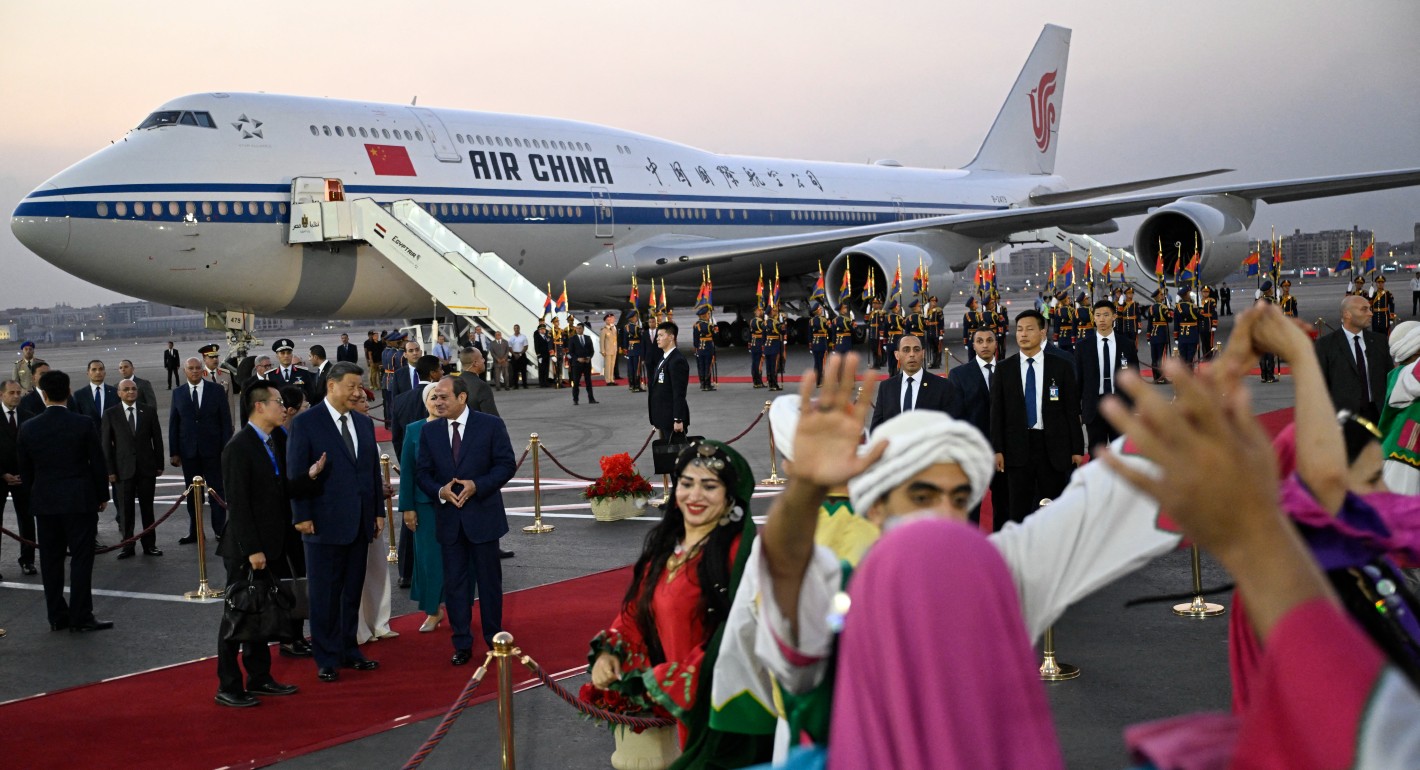
Amid celebrations of bilateral ties was a deeper focus on stability in the Middle East.

Amr Hamzawy

Xi, Putin, and other regional leaders are back-slapping in Bishkek, but the SCO has yet to answer the most serious questions about continental Asia's economic future.

Evan A. Feigenbaum
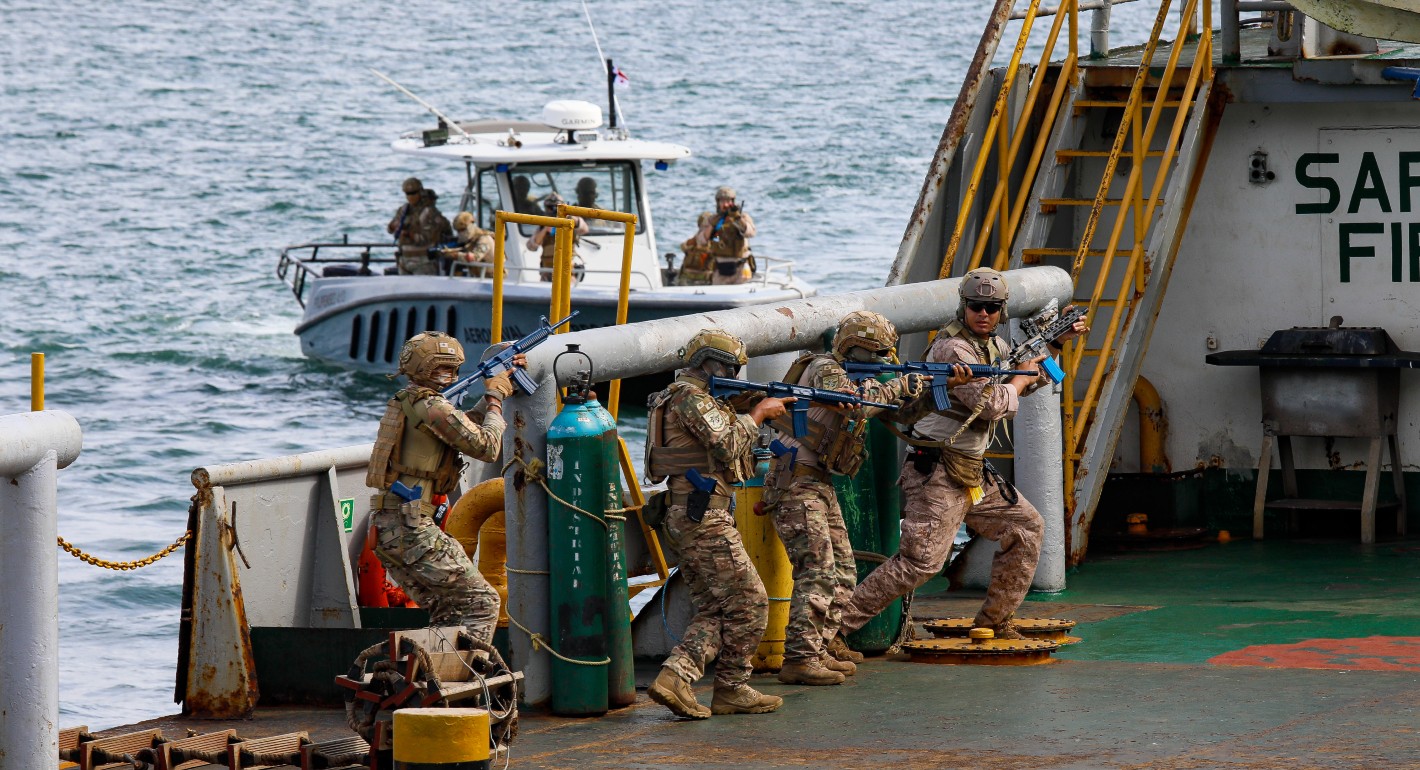
By focusing only on hard security, the Shield ignores the conditions that fuel cartel power.


Alejandro Martin Rodriguez, Kayly Ober

The conflict has sent economic and political shock waves through a country with no representation at the negotiating table—and Kenya is not alone.
Georgia Schaefer-Brown, Jane Munga

China’s banking crisis in the 2000s was resolved by transferring the costs to households through financial repression—a decision that recapitalized the banks while exacerbating the structural imbalances that continue to shape the Chinese economy today.

Michael Pettis