

Other
- +1
Dmitri Trenin, Sergei Aleksashenko, Sam Greene, …
{
  "authors": [
    "Sam Greene"
  ],
  "type": "legacyinthemedia",
  "centerAffiliationAll": "",
  "centers": [
    "Carnegie Endowment for International Peace",
    "Carnegie Russia Eurasia Center"
  ],
  "collections": [],
  "englishNewsletterAll": "",
  "nonEnglishNewsletterAll": "",
  "primaryCenter": "Carnegie Russia Eurasia Center",
  "programAffiliation": "",
  "programs": [],
  "projects": [],
  "regions": [
    "Caucasus",
    "Russia"
  ],
  "topics": [
    "Political Reform",
    "Democracy",
    "Economy",
    "Trade",
    "Foreign Policy"
  ]
}
Source: Getty
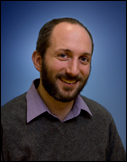
For the third year in a row, the G-8 summit is set to be a largely Russian show. At the St. Petersburg meeting in 2006, Russia made its debut as host, showing off its newfound prosperity on a grand scale for the first time. In 2007, in Heiligendamm, Germany, observers watched for signs of Russia's future course during Vladimir Putin's last summit as president. This year, in Hokkaido, all eyes will be on Dmitry Medvedev; they'll be looking for signs of any real difference between his presidency and that of his predecessor. They are not likely to find it.
Source: Forbes

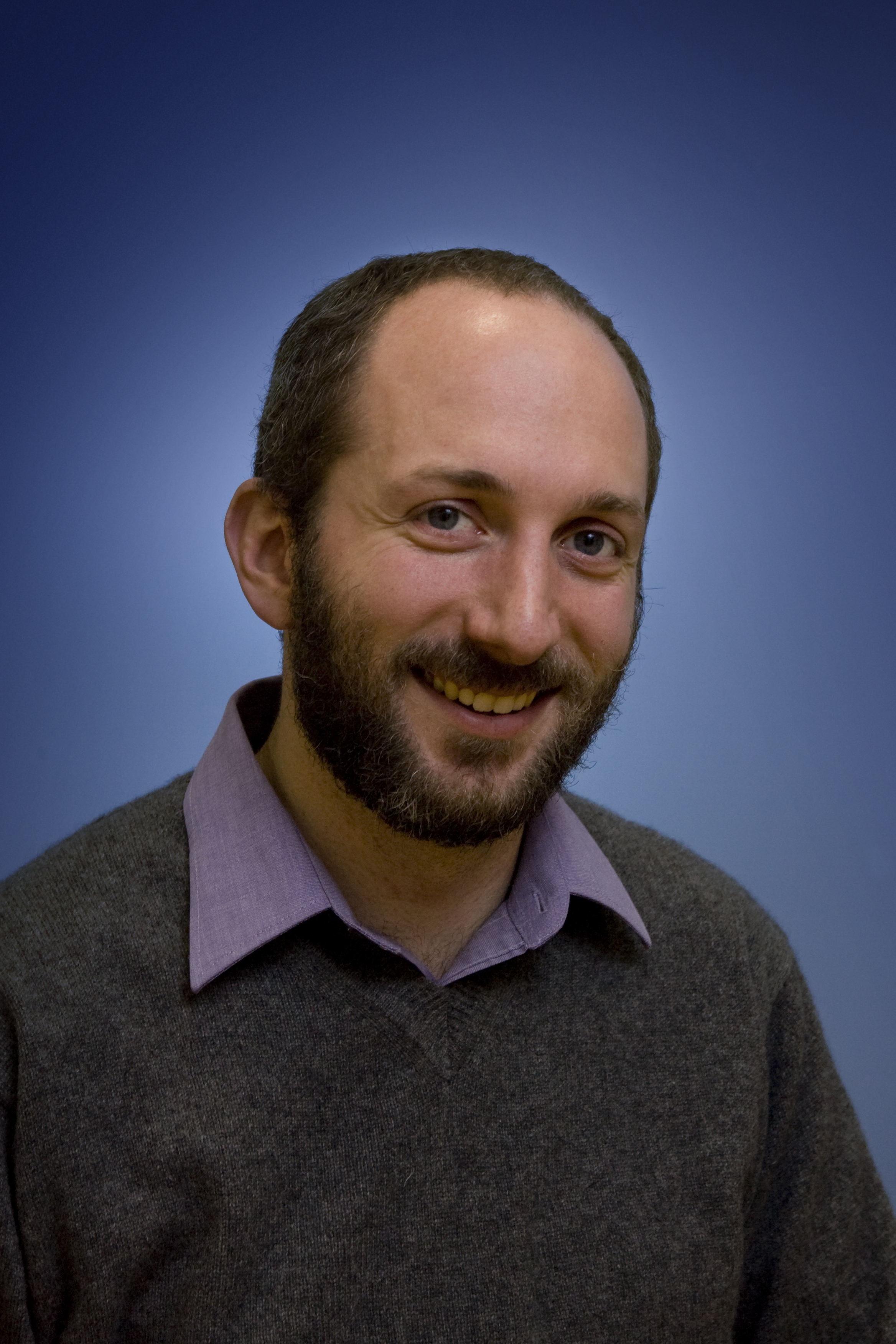
Former Deputy Director for Operations, Moscow Center
Sam Greene was a deputy director for operations at the Moscow Center. He joined the Moscow Center in 2005. Previously, he was senior media program advisor for the New Eurasia Foundation, and a London and Moscow correspondent for FT Business.
Recent Work
Dmitri Trenin, Sergei Aleksashenko, Sam Greene, …
Sam Greene
Carnegie does not take institutional positions on public policy issues; the views represented herein are those of the author(s) and do not necessarily reflect the views of Carnegie, its staff, or its trustees.

Funding Ukraine remains a priority for European leaders. As Russia’s war of aggression heads into another winter, two feasible options to mobilize support for Kyiv should be fast-tracked.


Vladyslav Rashkovan, Gregory P. Wilson

Russian strikes are weakening the economy sustaining Ukraine’s war effort. Closing the growing funding gap will require more European support and politically contentious reforms in Kyiv.

Balázs Jarábik

While the EU and European governments are embracing the much-lauded middle-power moment, this entails three difficult conundrums.

Richard Youngs
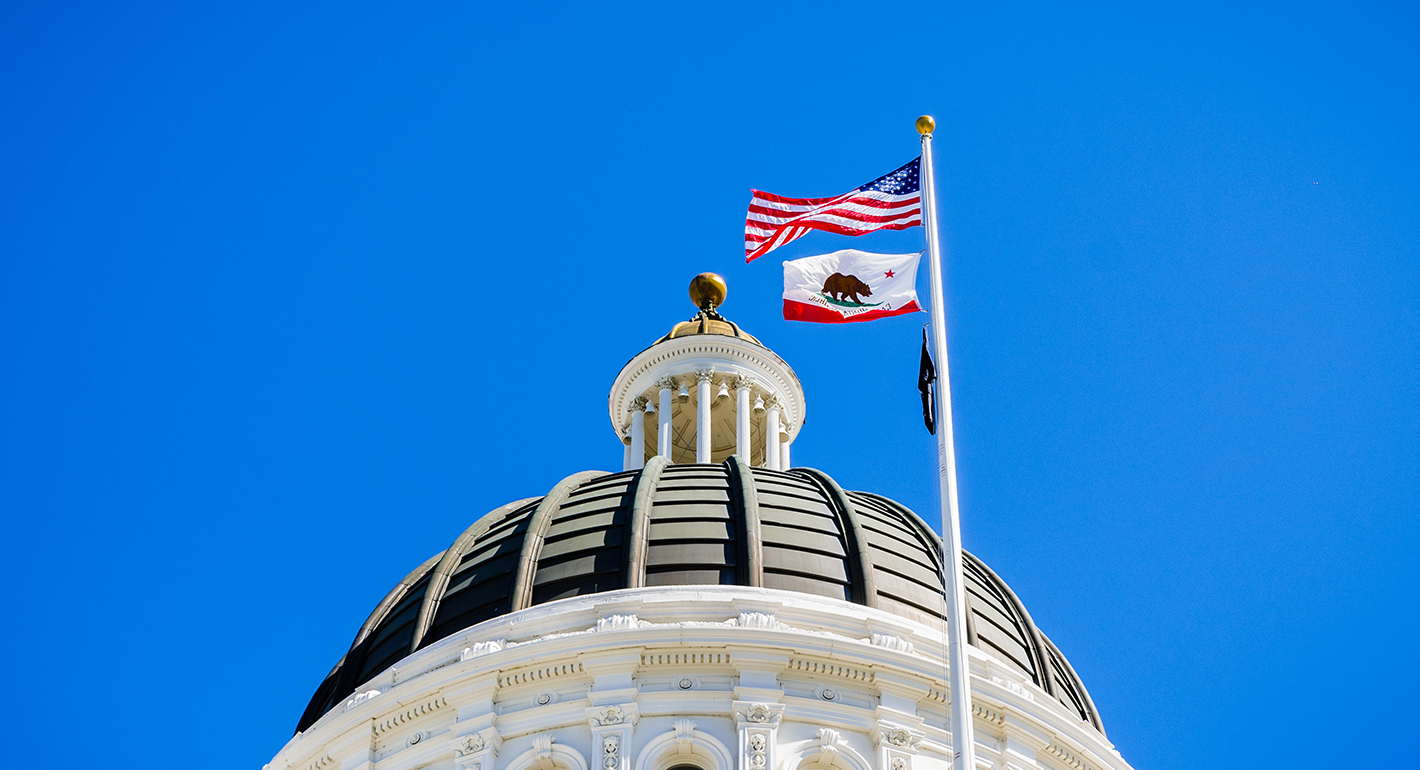
The middle power moment will not be defined by sovereign states alone, and California stands out for its potential contributions to international cooperation.

Ian Klaus, Stewart Patrick

Ex-president Gurbanguly Berdimuhamedov remains interested in politics, but his son Serdar, Turkmenistan’s current president, is becoming increasingly independent and willing to break with his father’s legacy. If their covert rivalry goes too far, both risk losing power.

Galiya Ibragimova