

Commentary
Dmitri Trenin
{
  "authors": [
    "Dmitri Trenin"
  ],
  "type": "legacyinthemedia",
  "centerAffiliationAll": "",
  "centers": [
    "Carnegie Endowment for International Peace",
    "Carnegie Russia Eurasia Center"
  ],
  "collections": [],
  "englishNewsletterAll": "",
  "nonEnglishNewsletterAll": "",
  "primaryCenter": "Carnegie Russia Eurasia Center",
  "programAffiliation": "",
  "programs": [],
  "projects": [],
  "regions": [
    "Caucasus",
    "Russia",
    "Georgia"
  ],
  "topics": [
    "Foreign Policy"
  ]
}
Source: Getty
Although in the short term the basis for a ceasefire has formed between Russia and Georgia, the conflict has entirely transformed the region. Russian peacekeepers can now no longer operate alone in the separatist regions. In addition, South Ossetia and Abkhazia cannot revert back to Georgia. Finally, the already deteriorating Russia-U.S. relationship will now face a new set of challenges.
Source: CFR.org

There lies a chance for Europe, and above all, the European Union, to move forward with facilitating conflict resolution. The hardest issue will be that of the final status of South Ossetia and Abkhazia. It is crystal clear that they will not revert to Georgia. It is also clear that no political leader in Georgia is ready to admit that. A long process of negotiations and agonizing reflection lies ahead, and it will only be completed when borders are finally recognized by all parties, and confirmed by the international community.
At present, European countries are divided in their assessment of the war and Russia’s reaction. Moscow will seek to reach out to those which, like France, Germany, Italy, and Spain, take a more moderate line, and hopes to work with them on a broad security agenda for the continent. Beyond conflict resolution in Georgia, it includes such issues as the Ukrainian leadership’s bid to join NATO [the North Atlantic Treaty Organization] and the U.S. plans to deploy elements of the ballistic missile defense system in Central Europe. With the Georgian conflict finally erupted, the two issues are looming even more prominently on the horizon.
Russia’s relations with the United States have been deteriorating. Moscow blames Washington for having trained and equipped the Georgian military that has been responsible for killing about two thousand Russian citizens in the nighttime shelling of the South Ossetian capital. That, they point out, amounts to half the casualties the United States suffered on 9/11.
Former Director, Carnegie Moscow Center
Trenin was director of the Carnegie Moscow Center from 2008 to early 2022.
Recent Work
Dmitri Trenin
Dmitri Trenin
Carnegie does not take institutional positions on public policy issues; the views represented herein are those of the author(s) and do not necessarily reflect the views of Carnegie, its staff, or its trustees.

The aftermath of the Ceuta crisis shows Europe has drawn the wrong lessons. Rather than doubling down on failed migration policies, the EU needs to address the underlying roots of such episodes.

Richard Youngs
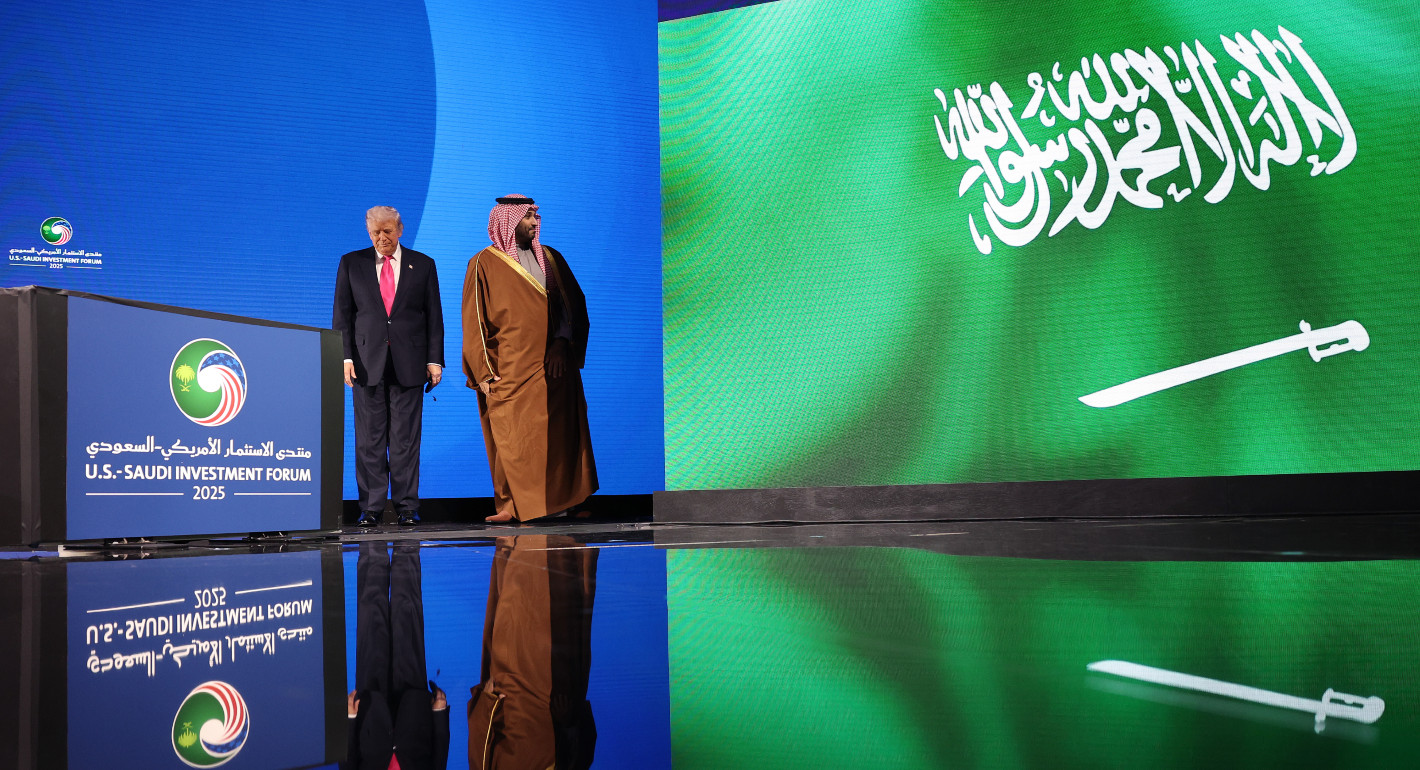
Congress should ask tough questions about the agreement’s more unique features and whether they advance U.S. interests or compromise them.

Jane Darby Menton
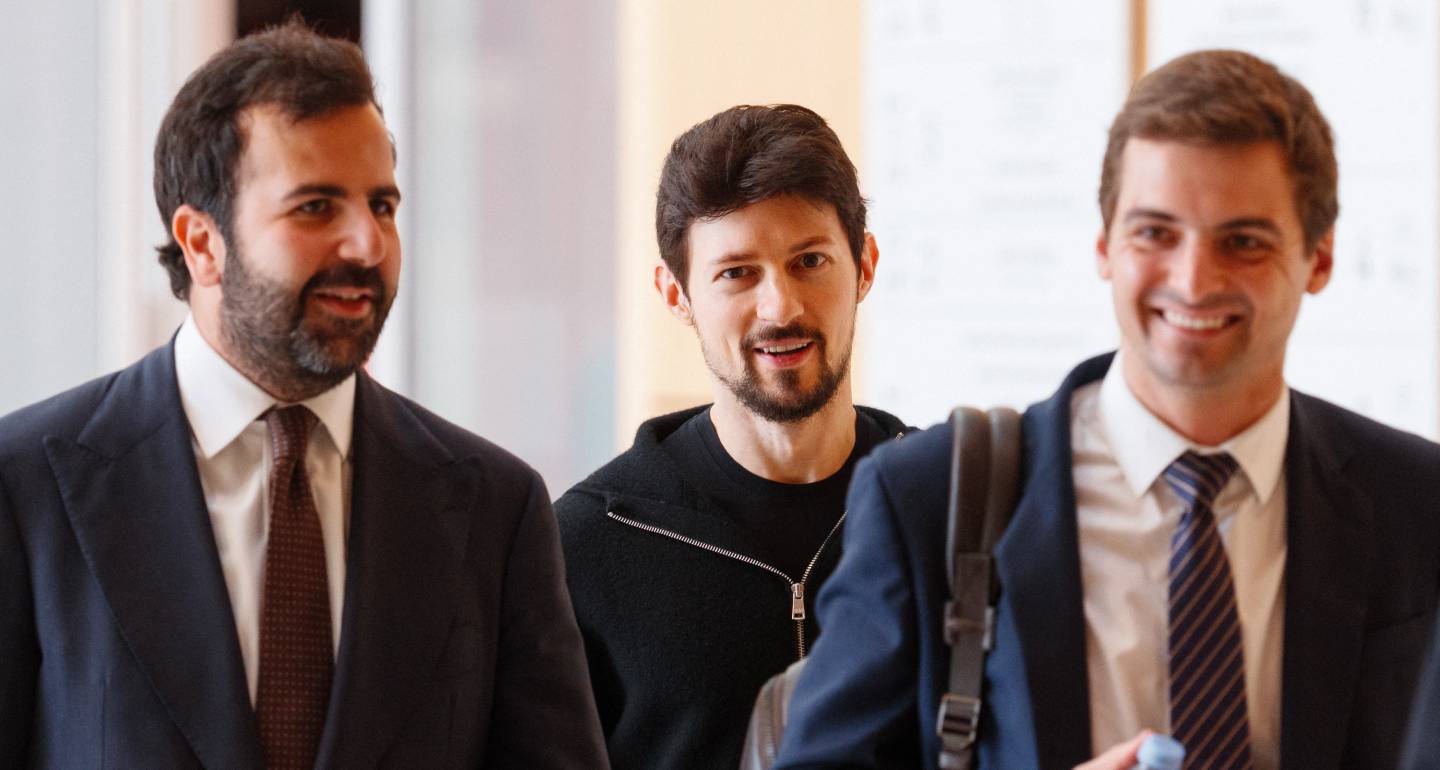
While France and Australia are seeking to establish the legal obligations of messaging apps like Telegram, Russia wants total subordination.

Maria Kolomychenko
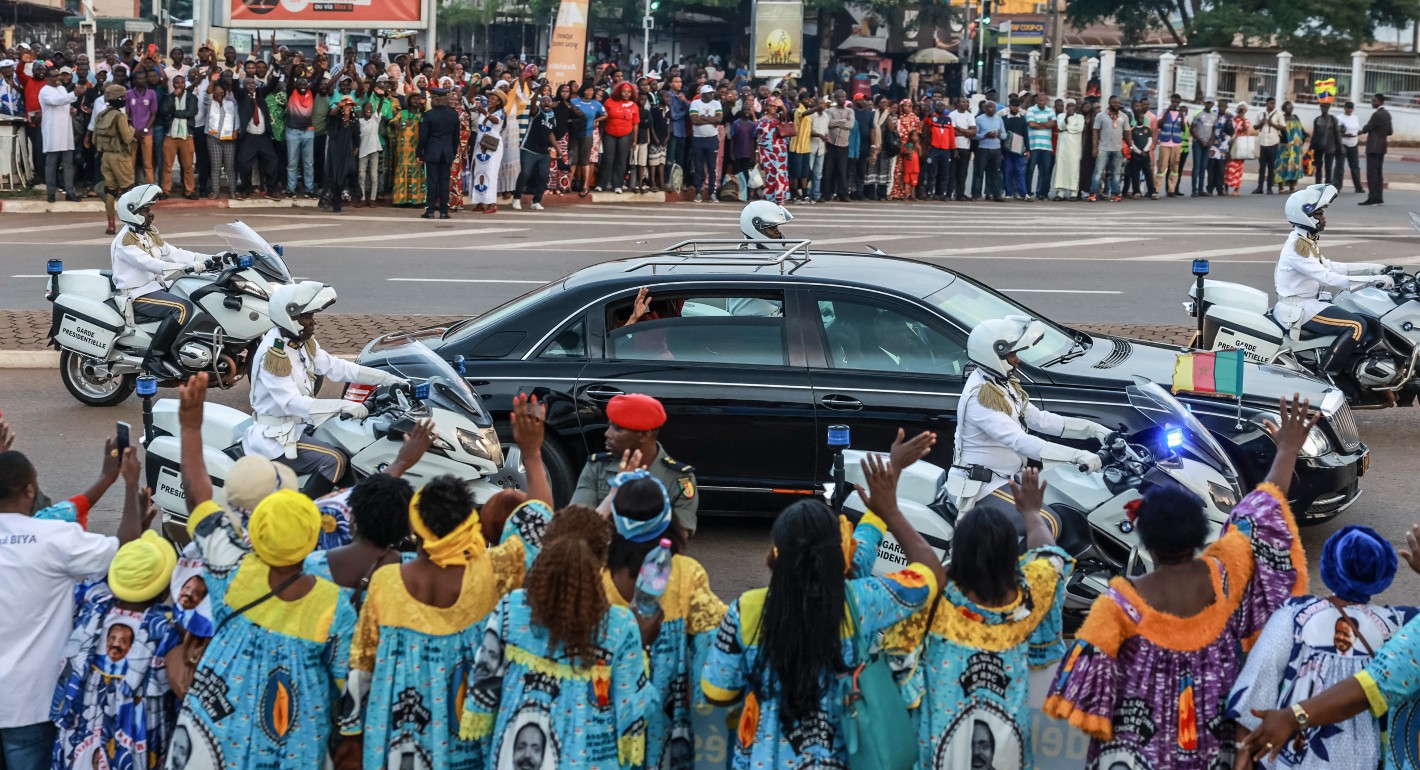
The ninety-three-year-old Biya’s absence and refusal to name a vice president threaten to upend domestic and regional stability.

Lesley Anne Warner
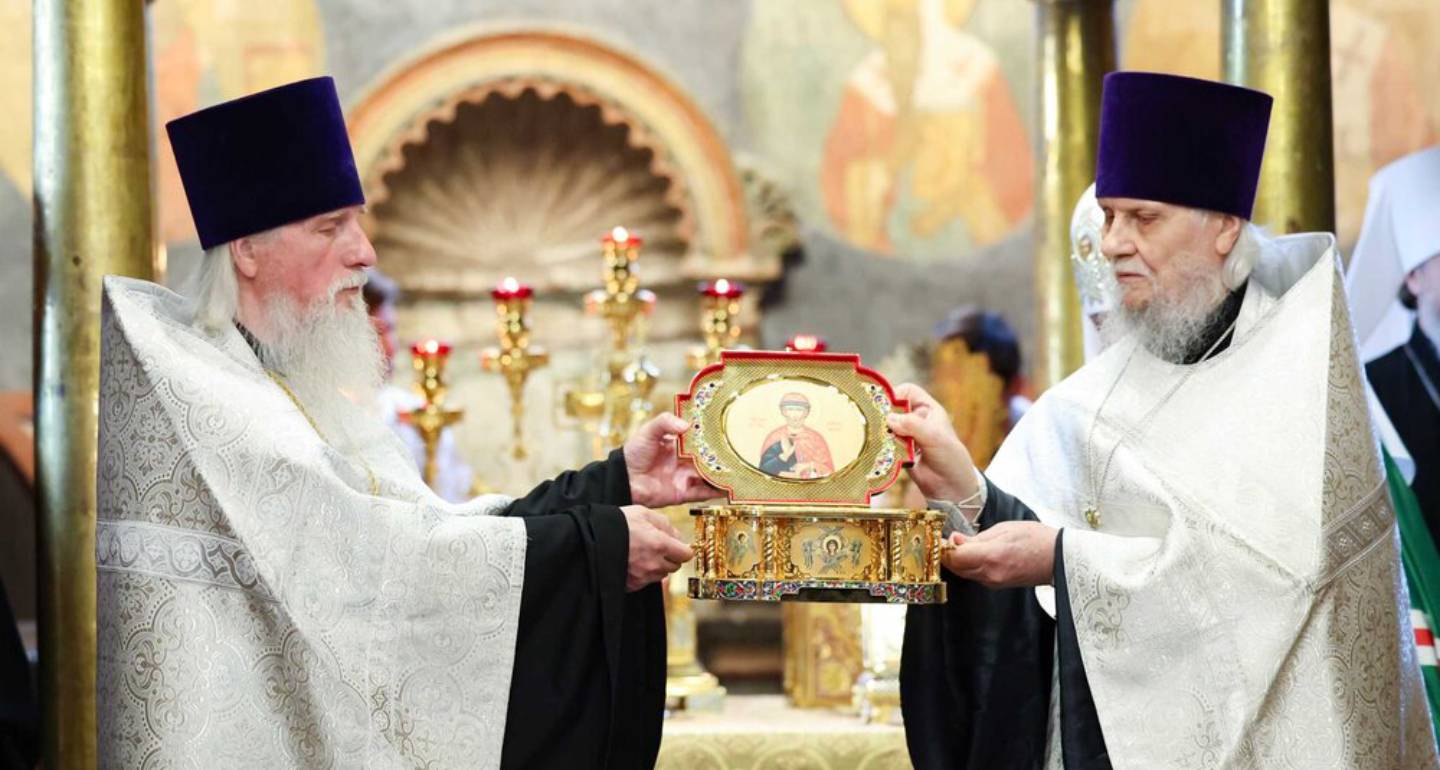
The recent uncovering of Dmitry Donskoy’s relics in the Cathedral of the Archangel is yet another attempt by the Russian Orthodox Church to help the state solve its problems. However, parroting the state’s version of Russian history leaves the Church with no message except “patriotism.”
Alexander Zanemonets