

Article
If Washington cannot adapt to the ongoing transformations of a multipolar world, its superiority will become a liability.
Amr Hamzawy
{
  "authors": [],
  "type": "pressRelease",
  "centerAffiliationAll": "dc",
  "centers": [
    "Carnegie Endowment for International Peace"
  ],
  "collections": [
    "U.S. Nuclear Policy"
  ],
  "englishNewsletterAll": "ctw",
  "nonEnglishNewsletterAll": "",
  "primaryCenter": "Carnegie Endowment for International Peace",
  "programAffiliation": "NPP",
  "programs": [
    "Nuclear Policy"
  ],
  "projects": [],
  "regions": [
    "North America",
    "United States"
  ],
  "topics": [
    "Nuclear Policy"
  ]
}
REQUIRED IMAGE
The Carnegie Endowment for International Peace announced today that it has been chosen to serve as the U.S.–based Associated Research Centre for the International Commission on Non-proliferation and Disarmament.
WASHINGTON, Sept 26—The Carnegie Endowment for International Peace announced today that it has been chosen to serve as the U.S.–based Associated Research Centre for the International Commission on Non-proliferation and Disarmament.
Making the announcement, the Endowment’s President, Jessica T. Mathews, said:
“We are honored to have been chosen to serve as the U.S. research hub of this important Commission. We are also pleased that George Perkovich, Carnegie’s vice president for studies, will be a member of the Commission’s advisory panel and drafting committee, and Alexei Arbatov, from the Carnegie Moscow Center, will serve as a Commissioner. The Carnegie Nonproliferation Program has been a central element of the Endowment’s work and a leading producer of new ideas and cutting edge analysis for decades. Our multinational presence and working relationships with many key governments gives us a unique capacity to engage and collaborate with others from relevant regions. We look forward to helping the International Commission in every way we can.”
The International Commission on Non-proliferation and Disarmament, which will report on ways to rid the world of nuclear weapons, was announced yesterday by Australian Prime Minister Kevin Rudd and Japanese Prime Minister Taro Aso. Headed by a former foreign minister of Australia, Gareth Evans, and a former foreign minister of Japan, Yoriko Kawaguchi, the Commission will discuss the three closely interconnected issues of nuclear disarmament, nonproliferation, and the peaceful uses of nuclear energy, and produce reports to contribute to the debate on these issues in the context of the 2010 NPT Review Conference and beyond.
The Commission itself will be globally representative, comprised of members with high level political experience, and will meet up to six times over a two-year period, with its major report targeted for publication in January 2010.
The seven Associated Centres will be expected to:
###

Carnegie does not take institutional positions on public policy issues; the views represented herein are those of the author(s) and do not necessarily reflect the views of Carnegie, its staff, or its trustees.

If Washington cannot adapt to the ongoing transformations of a multipolar world, its superiority will become a liability.

Amr Hamzawy
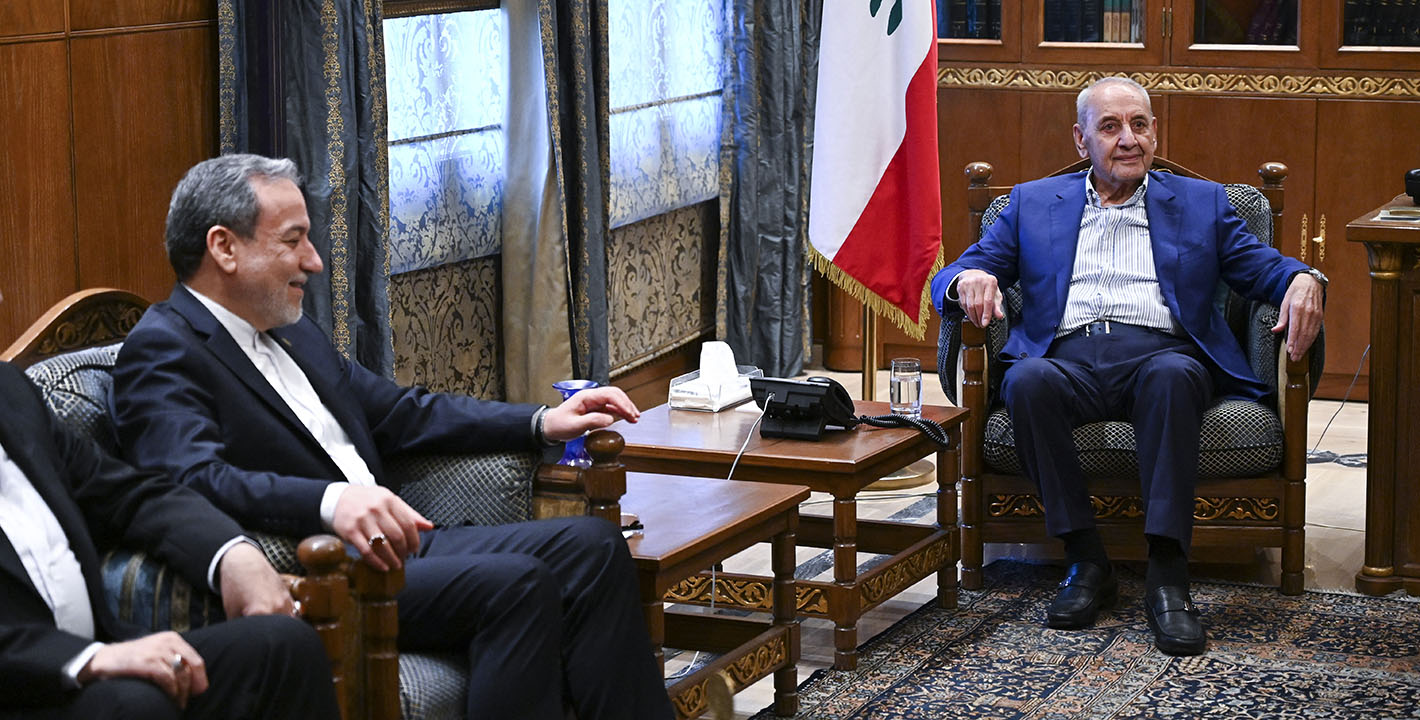
A prerequisite of serious talks is that the country’s leadership consolidates majority national support for such a process.

Michael Young
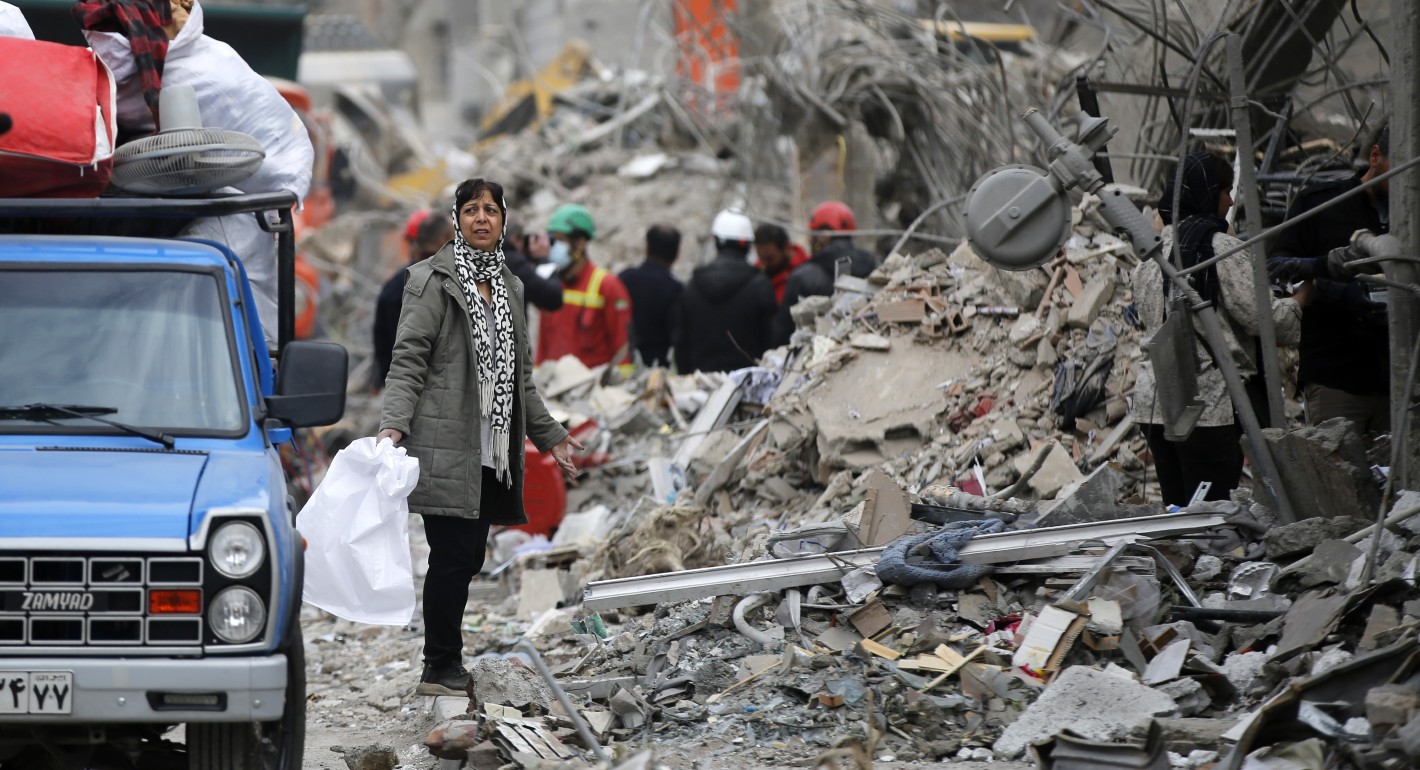
Here’s why—and what the next president needs to do to fix the process.


Daniel C. Kurtzer, Aaron David Miller
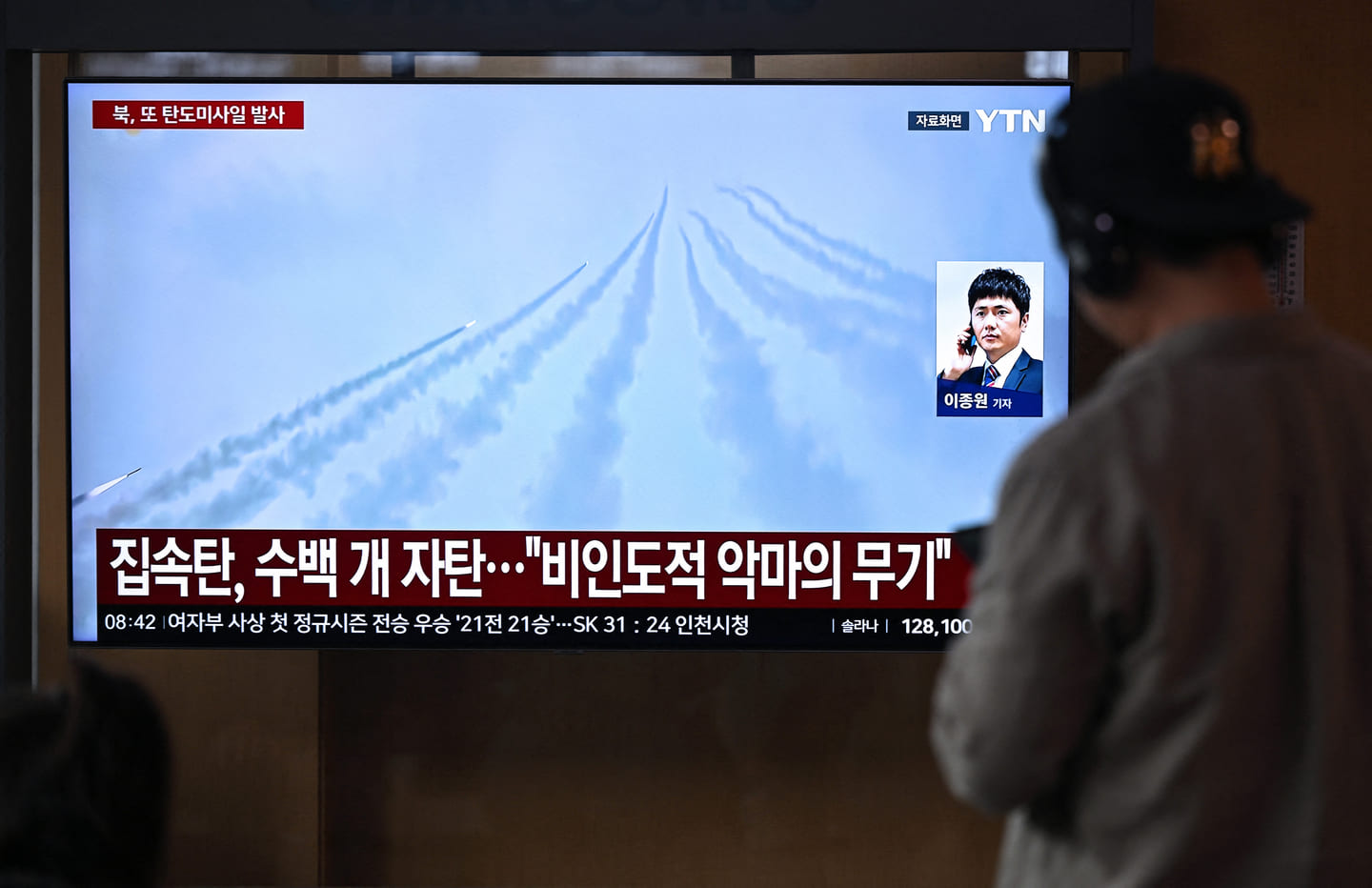
Troubled by the growing salience of nuclear debates in East Asia, Moscow has responded in its usual way: with condemnation and threats. But by exacerbating insecurity, Russia is forcing South Korea and Japan to consider radical security options.

James D.J. Brown
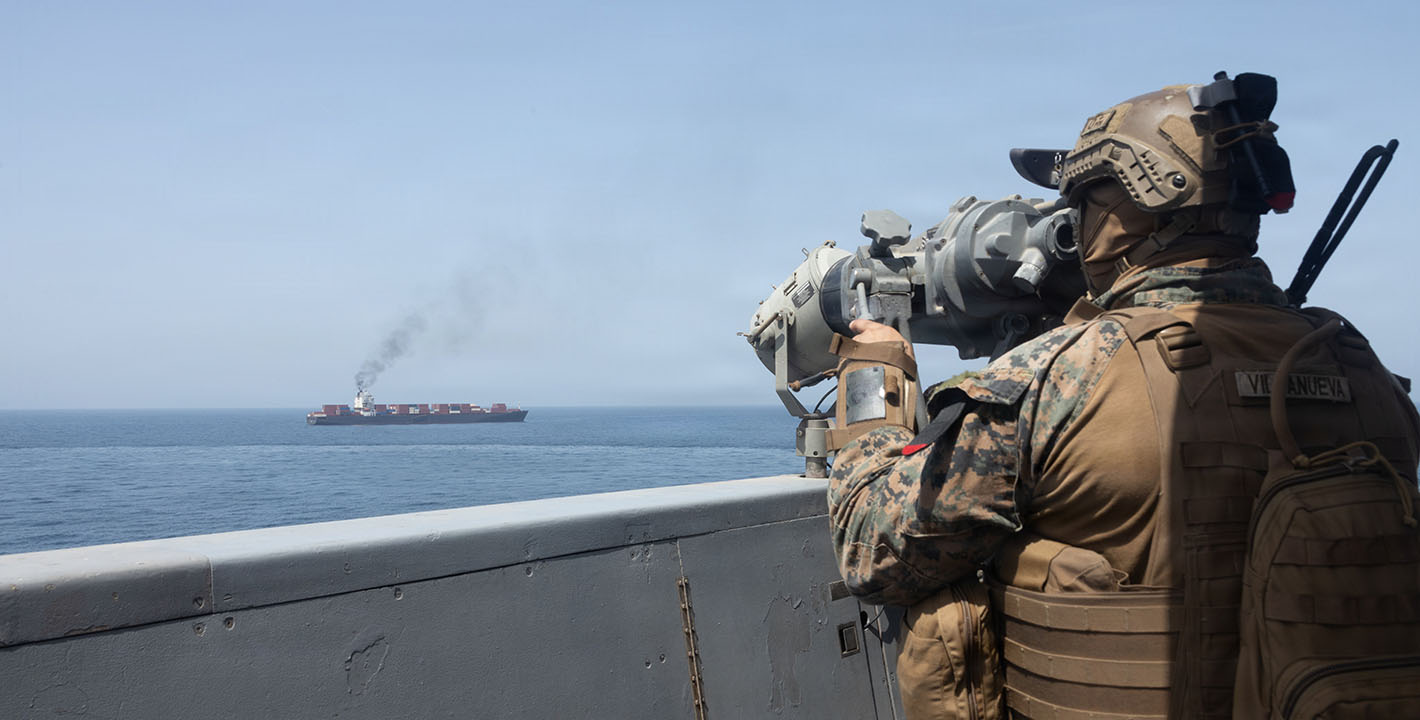
In an interview, Jim Lamson discusses the ongoing regional conflict and sees an unclear picture when it comes to winners and losers.
Michael Young