Paper
AI could hollow out jobs, reshape them gradually, create entirely new ones—or do all three at once. The case for starting to act now doesn’t depend on knowing which.
Teddy Tawil
{
  "authors": [],
  "type": "legacyinthemedia",
  "centerAffiliationAll": "",
  "centers": [
    "Carnegie Endowment for International Peace"
  ],
  "collections": [],
  "englishNewsletterAll": "",
  "nonEnglishNewsletterAll": "",
  "primaryCenter": "Carnegie Endowment for International Peace",
  "programAffiliation": "",
  "programs": [],
  "projects": [],
  "regions": [],
  "topics": [
    "Economy"
  ]
}
Source: Getty
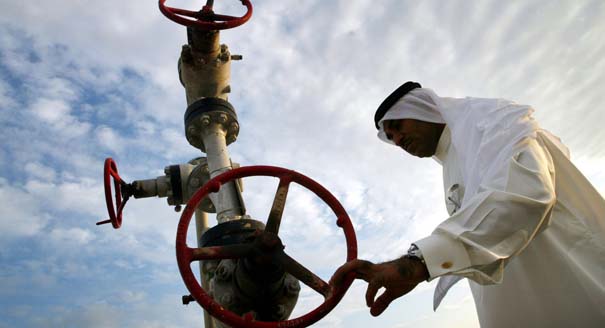
Gulf Arab states need to initiate reforms and investments for the longer term through judicious use of sovereign wealth funds in order to make their economies more competitive, said Carnegie's Uri Dadush.
Source: Middle East Online

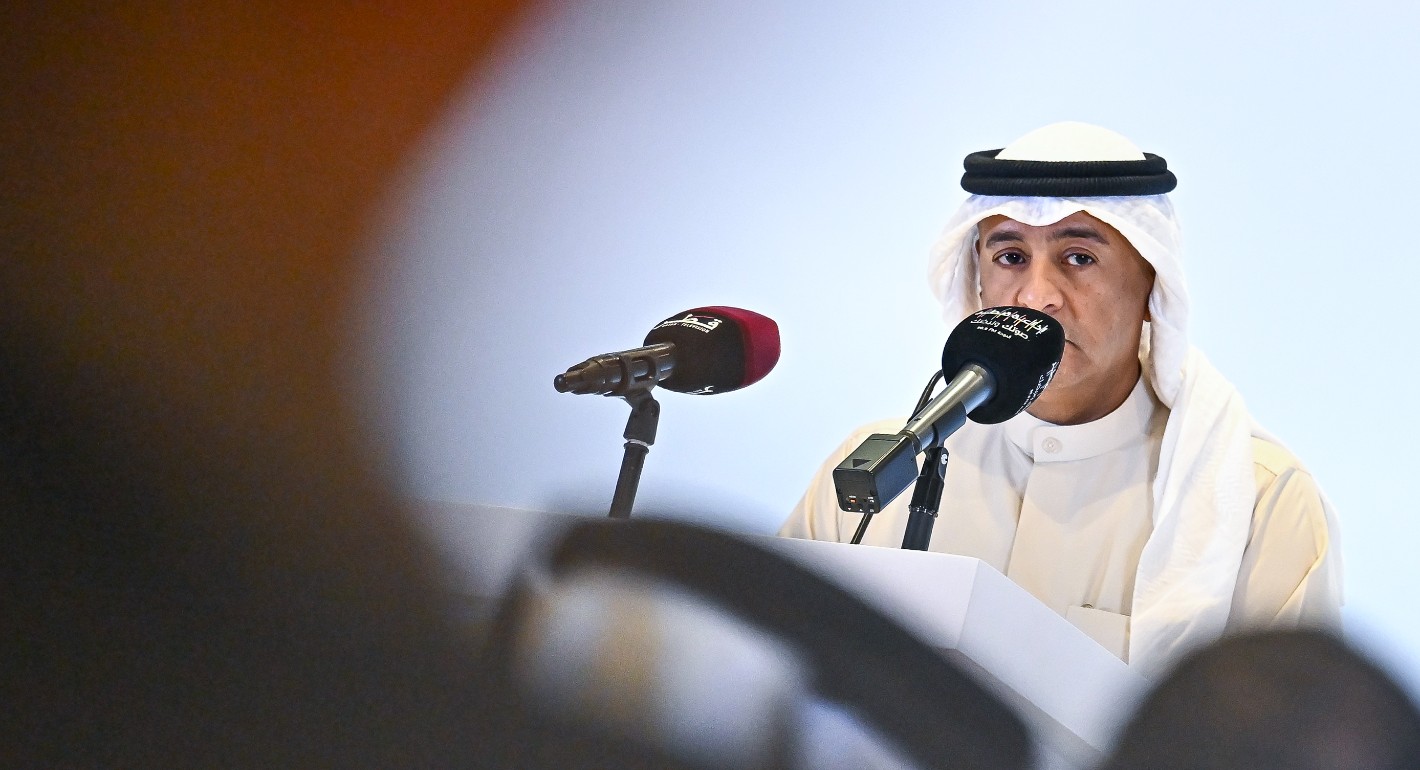
In an interview with the Emirates Center for Strategic Studies and Research (ECSSR), Dadush, a senior associate in the Carnegie Endowment for International Peace, called for a greater integration and participation of the Gulf Cooperation Council (GCC) economies in the global economy.
“I think there are significant risks now of some backtracking and of protectionism. I believe that if this acute recession is relatively short-lived and lasts for a year or so then we should be able to avoid the worst effects of protectionism,” said Dardush on the sidelines of the ECSSR's 14th Annual Conference entitled “Human Resources and Development in the Arabian Gulf”.
However, Dadush expressed a serious concern about the current crisis which could last several years.
“Already we are witnessing significant signs of parties backtracking. This underlines the importance of economic stimulus measures and steps for strengthening the banking system, so that we rid ourselves of this crisis in a relatively short time,” he stressed.
“If the recession is short, the process of globalization would sustain itself as it is driven by very strong and deep forces, like technology, communications, people's need for diversity, etc.”
Dadush said the process of globalization would not be affected as long as “we do not get into a depression.”
Call for GCC’s participation in the global economy
In his lecture at the conference Dadush spoke of the need for greater integration and participation of GCC economies in the global economy.
However, certain sovereign wealth funds of the region have faced minor setbacks in the wake of the current financial crisis, prompting some GCC states to presently address their own immediate economic concerns of the global economic crisis.
“I think it would be very damaging if we just focused on mitigating the effects of the crisis and nothing else,” Dadush said.
“The UAE is very fortunate to have very large reserves of sovereign wealth in this period of global economic crisis, and a lot of countries would like to be in the same position.
“However, there is also a need to initiate reforms and investments for the longer term — be they in education, opening up the services sector, deregulating the economy, and making the economy more competitive internationally.”
He stressed that these investments will have very good returns as he predicted the globalization process will be a lot stronger 20 years from now than it is today.
“I also believe that oil prices would rise significantly in the medium term, say over a period of three to 10 years.”
The US dollar
Amid a growing perception that the value of the greenback is under threat, Dadush agrees that there is a significant risk of a dollar realignment.
“As we begin to come out of the crisis, the 'safe haven' argument in favor of the dollar may disappear quite quickly. I do not think anybody can predict this, but the argument that you should have a diversified portfolio in terms of currencies is a very powerful one,” he said.
GCC’s demographic imbalance
Dadush acknowledged the complexity of tackling the issue of a demographic imbalance in GCC states without compromising on the bloc’s requirements for development.
“Some of the GCC states have 80 percent immigrant labor force which is unique in the world and does raise all sorts of fundamental questions,” said Dadush.
“In terms of the economics, what is striking about Gulf countries is that the productivity of the service sector is a lot lower than that of high-income countries, even though this sector provides 70 percent of employment.
“This is a reflection of the easy availability of unskilled labor. Over a period of time, I think the region would see an improvement in productivity and wages, lesser reliance on unskilled labor and the creation of more employment opportunities for nationals.
Dadush believes that economics will drive the demand and not the other way round.
“The idea that you suddenly stop the use of unskilled labor does not work here, just as it does not work in the United States. People will need unskilled labor, given the current economic constraints.”
“However, it is possible to make the economy more productive over a period of time, and move to more capital-intensive forms of industry to limit the use of unskilled labor,” he added.
Carnegie does not take institutional positions on public policy issues; the views represented herein are those of the author(s) and do not necessarily reflect the views of Carnegie, its staff, or its trustees.
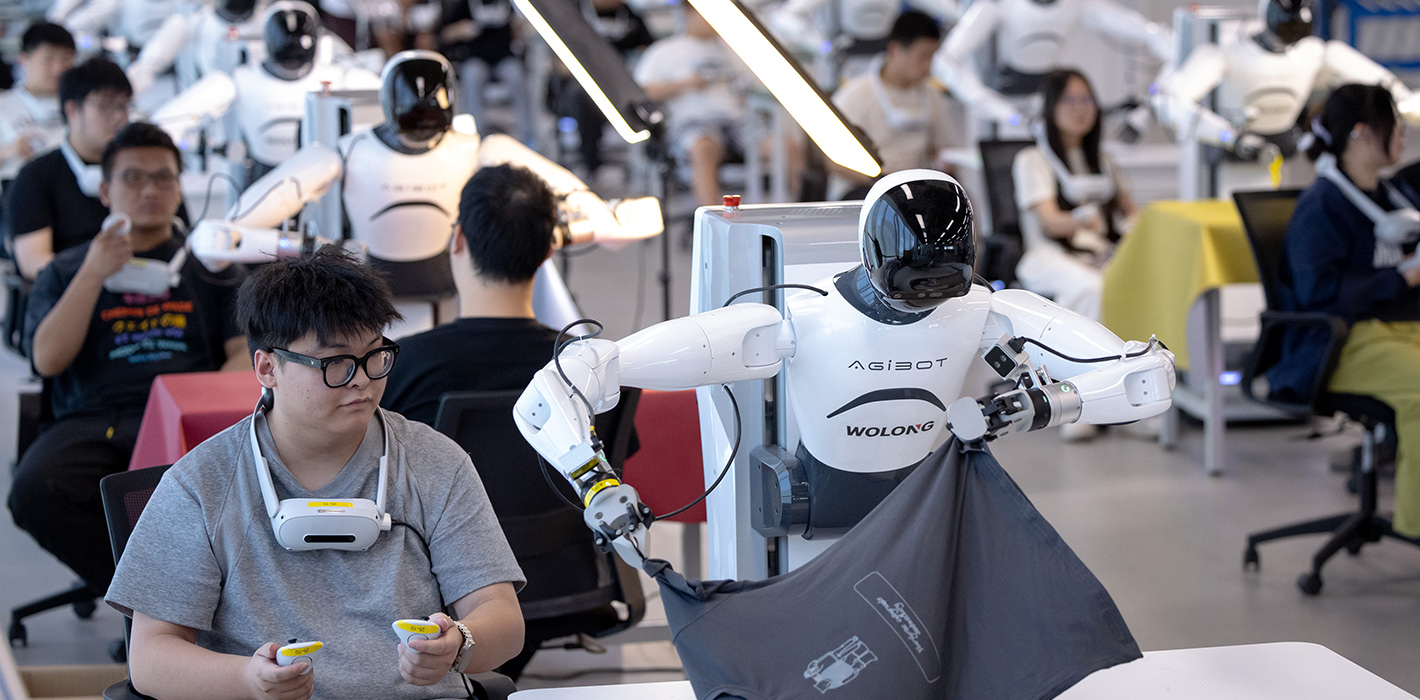
AI could hollow out jobs, reshape them gradually, create entirely new ones—or do all three at once. The case for starting to act now doesn’t depend on knowing which.
Teddy Tawil

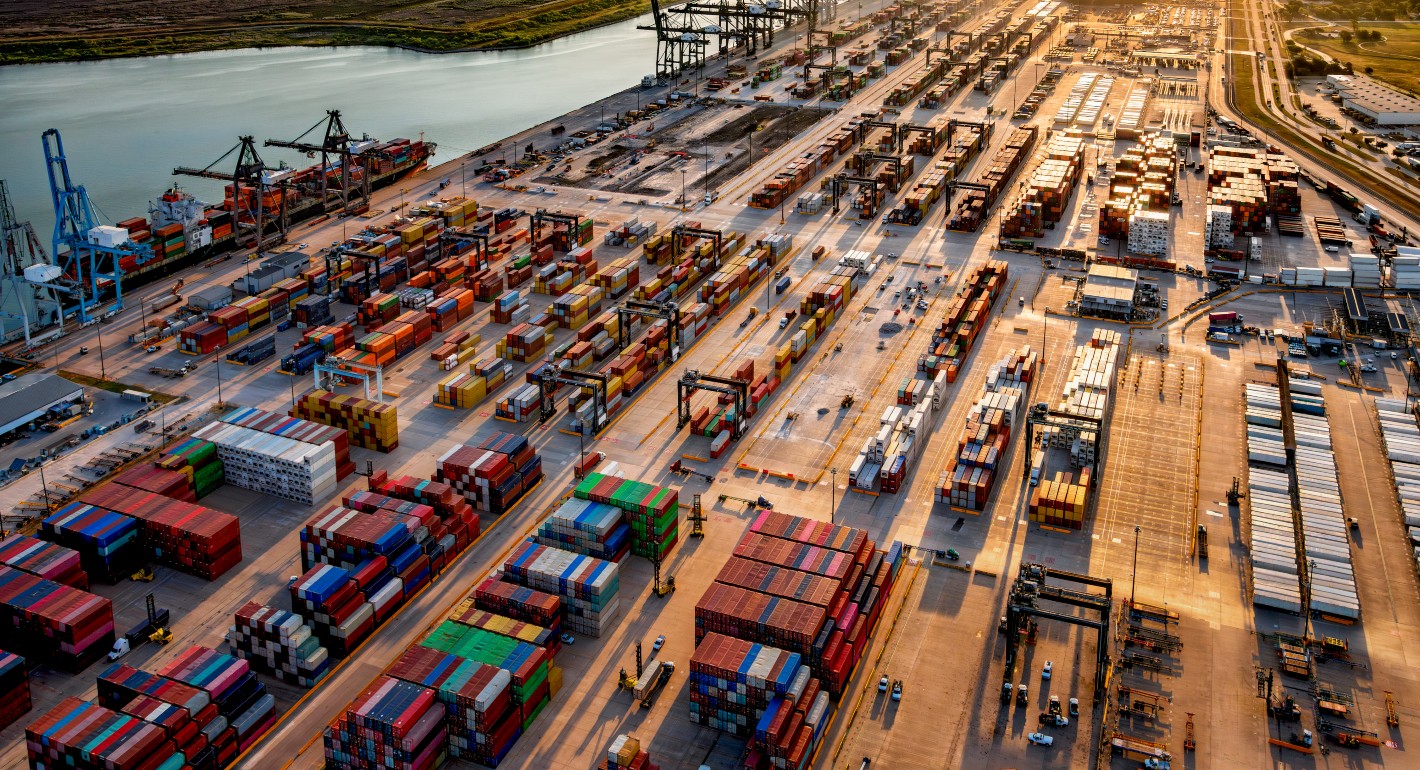
Powerful lobbyists and inertia led to Russia’s coal-mining sector missing an excellent opportunity to solve its structural problems.
Alexey Gusev
Five problems—and solutions—to make it actually work as a tool of great power competition.
Afreen Akhter
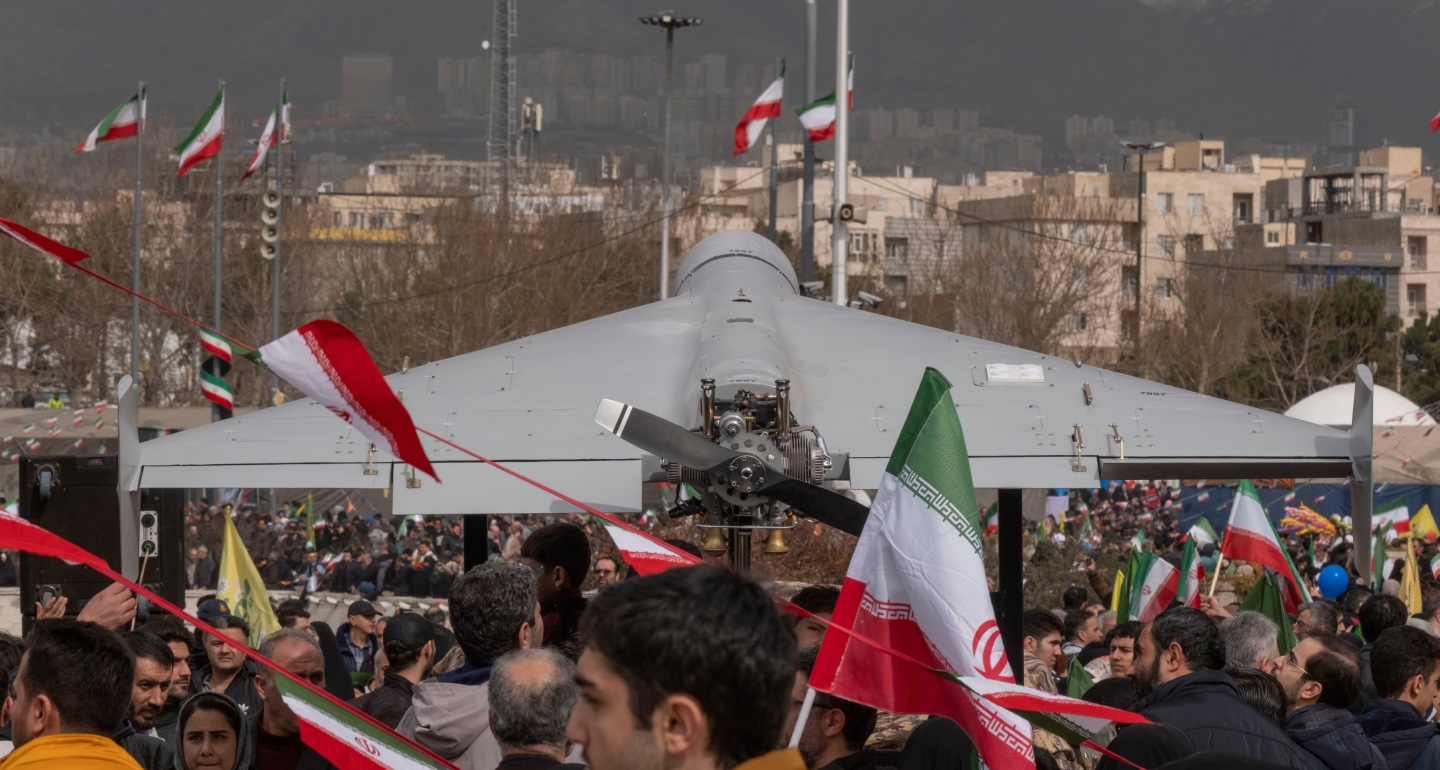
As the war between the United States, Israel, and Iran continues, Carnegie scholars contribute cutting-edge analysis on the events of the war and their wide-reaching implications. From the impact on Iran and its immediate neighbors to the responses from Gulf states to fuel and fertilizer shortages caused by the effective shutdown of the Strait of Hormuz, the war is reshaping Middle East alliances and creating shockwaves around the world. Carnegie experts analyze it all.
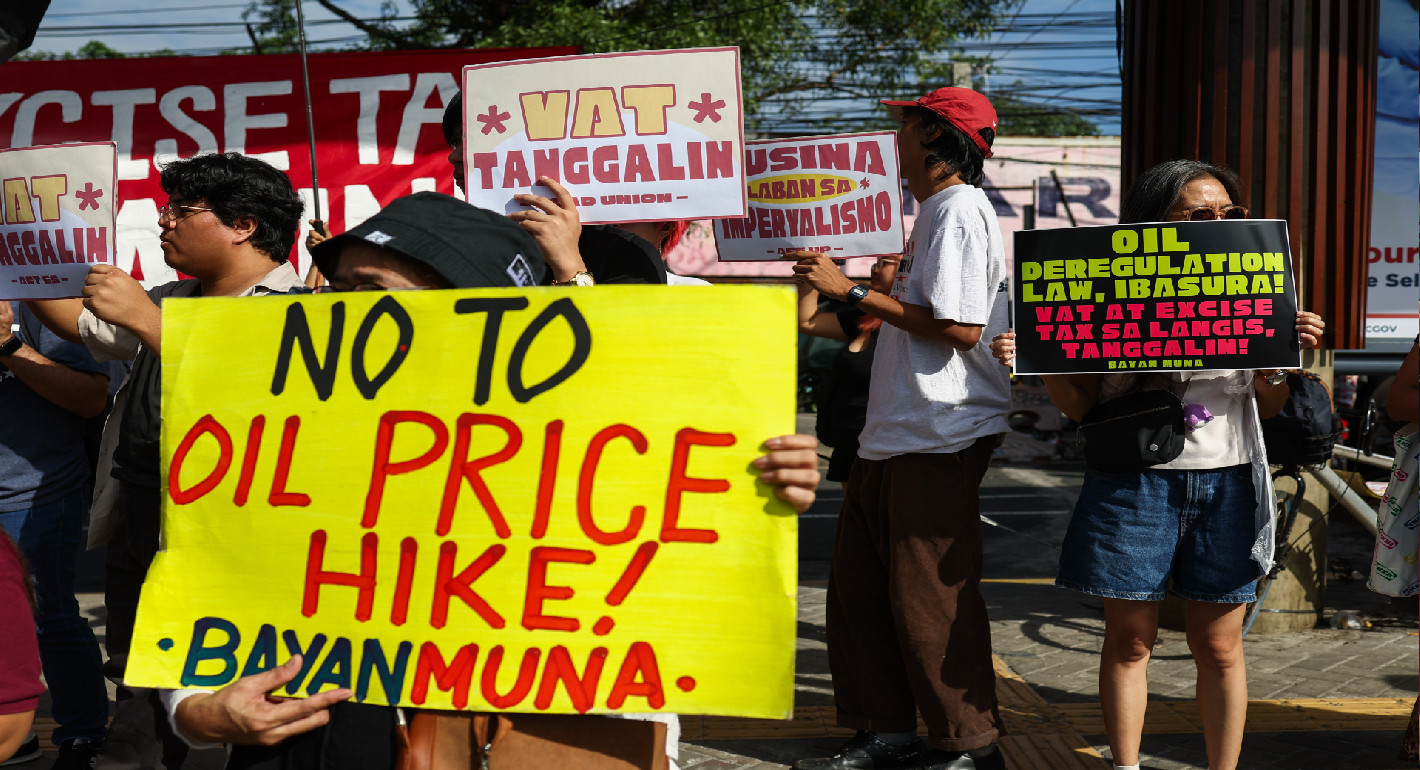
There is no better time for the countries of Southeast Asia to reconsider their energy security than during this latest crisis.
Gita Wirjawan