

Commentary
Nikolay Petrov
{
  "authors": [
    "Nikolay Petrov"
  ],
  "type": "legacyinthemedia",
  "centerAffiliationAll": "",
  "centers": [
    "Carnegie Endowment for International Peace",
    "Carnegie Russia Eurasia Center"
  ],
  "collections": [],
  "englishNewsletterAll": "",
  "nonEnglishNewsletterAll": "",
  "primaryCenter": "Carnegie Russia Eurasia Center",
  "programAffiliation": "",
  "programs": [],
  "projects": [],
  "regions": [
    "Caucasus",
    "Russia"
  ],
  "topics": [
    "Political Reform",
    "Economy"
  ]
}
Source: Getty
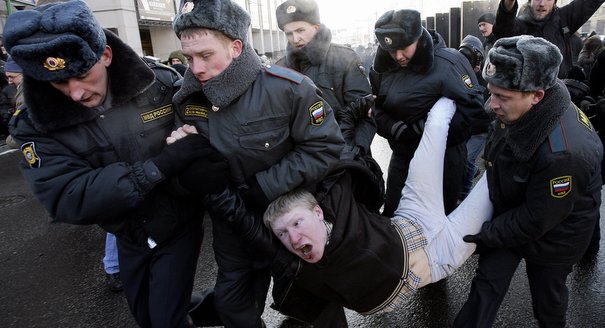
Recent Russian protests are likely meant to test the response of the authorities rather than indicate people have reached their breaking point.
Source: The Moscow Times

Numerous counterdemonstrations were held on the same day in support of the ruling authorities. Organized by United Russia, the rallies used the slogan "The people! Medvedev! Putin! Together we will succeed!" The largest such rally in support of the authorities was held in Grozny, where about 10,000 people turned out. According to United Russia, more than 100,000 people participated in demonstrations organized by the party in 56 regions of the country.
Many places witnessed both pro- and anti-government demonstrations and in varying ratios. Up to 2,000 people gathered in Novosibirsk to call for the government to step down, whereas the pro-government rally there was canceled due to the cold.
Protesters' slogans varied and included many radical political statements. In Vladivostok, demonstrators chanted, "We need a change in leadership!" and "The government should resign!" In Yakutsk, protesters also called for the government to step down and for early elections. In Ulan-Ude, people shouted, "Down with Putin!" In St. Petersburg, a "supporters' march" was held a few days ago that used the tongue-in-cheek slogans of "We agree with everything! Raise the cost of utilities! Yes, raise tariffs on imported cars!" and "Tear down trees in parks and build new skyscrapers!"
Many different organizations participated in the anti-government protests, including the Federation of Automobile Owners, the Communist Party, the Left Front, The Other Russia, Solidarity, the United Civil Front, the Communist Youth Union, the National Assembly, the banned National Bolshevik Party and Yabloko.
The authorities' tactics have also changed: Instead of dispersing protests, they hold counterprotest rallies and carry out spot detentions of key individuals such as National Bolshevik leader Eduard Limonov, Roman Dobrokhotov and others.
The recent wave of rallies -- both pro- and anti-government -- was more likely just a test run rather than an indication of people reaching their breaking point. If they do snap, it will probably not take place in the largest cities but in smaller one-company towns where if the local industry fails, the entire economy collapses.
But it is worth noting that the authorities are already unable to stem the flood of protests and are attempting to neutralize their effect by launching their own wave of even larger counterprotests. On one hand, that represents a return to public politics and street-level democracy -- with all of its pros and cons. On the other hand, it is what might be called "reactionary political modernization," inspired not by liberal reforms coming from the Kremlin or the White House but by pressure coming from the grassroots opposition.
This comment first appeared in The Moscow Times
Former Scholar-in-Residence, Society and Regions Program, Moscow Center
Nikolay Petrov was the chair of the Carnegie Moscow Center’s Society and Regions Program. Until 2006, he also worked at the Institute of Geography at the Russian Academy of Sciences, where he started to work in 1982.
Recent Work
Nikolay Petrov
Nikolay Petrov
Carnegie does not take institutional positions on public policy issues; the views represented herein are those of the author(s) and do not necessarily reflect the views of Carnegie, its staff, or its trustees.
Even if the Iran war stops, restarting production and transport for fertilizers and their components could take weeks—at a crucial moment for planting.
Noah Gordon, Lucy Corthell
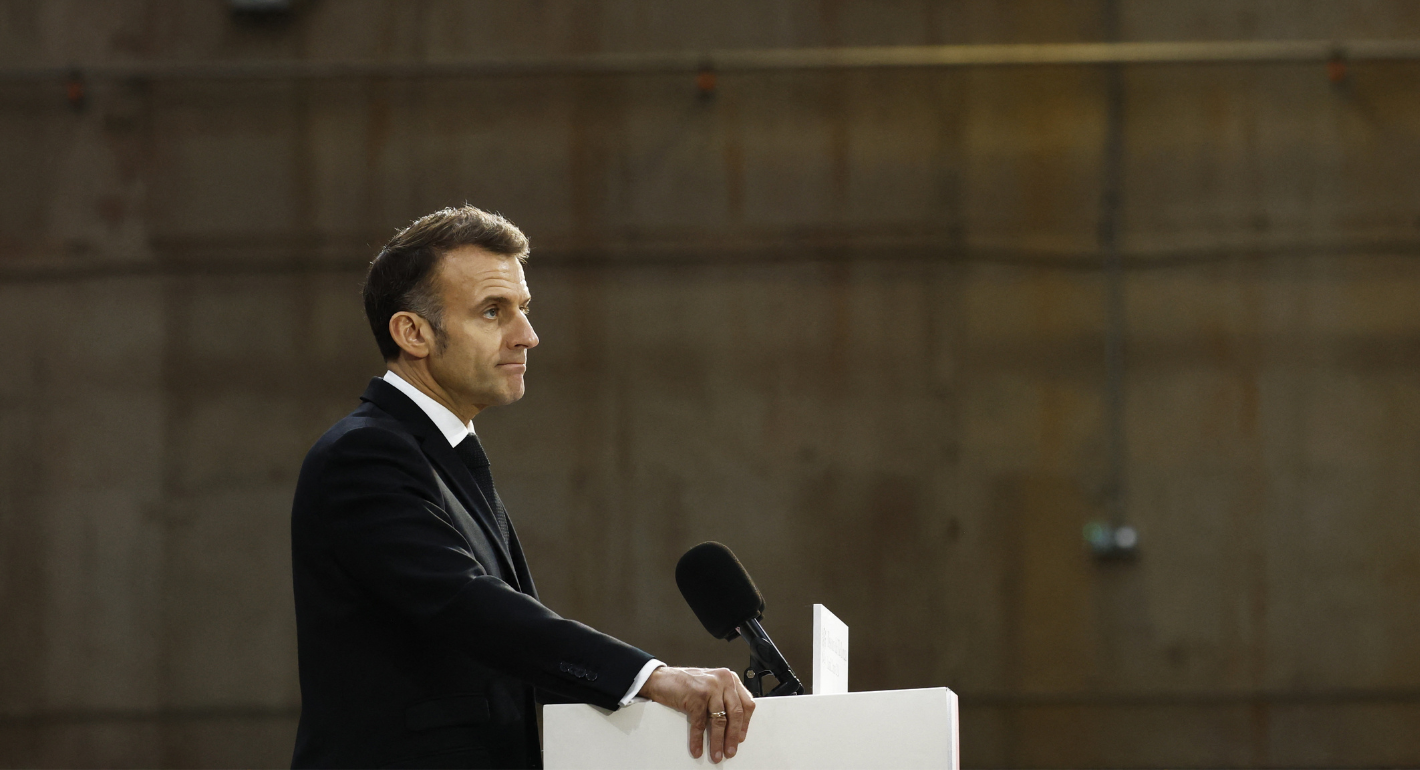
French President Emmanuel Macron has unveiled his country’s new nuclear doctrine. Are the changes he has made enough to reassure France’s European partners in the current geopolitical context?

Rym Momtaz, ed.
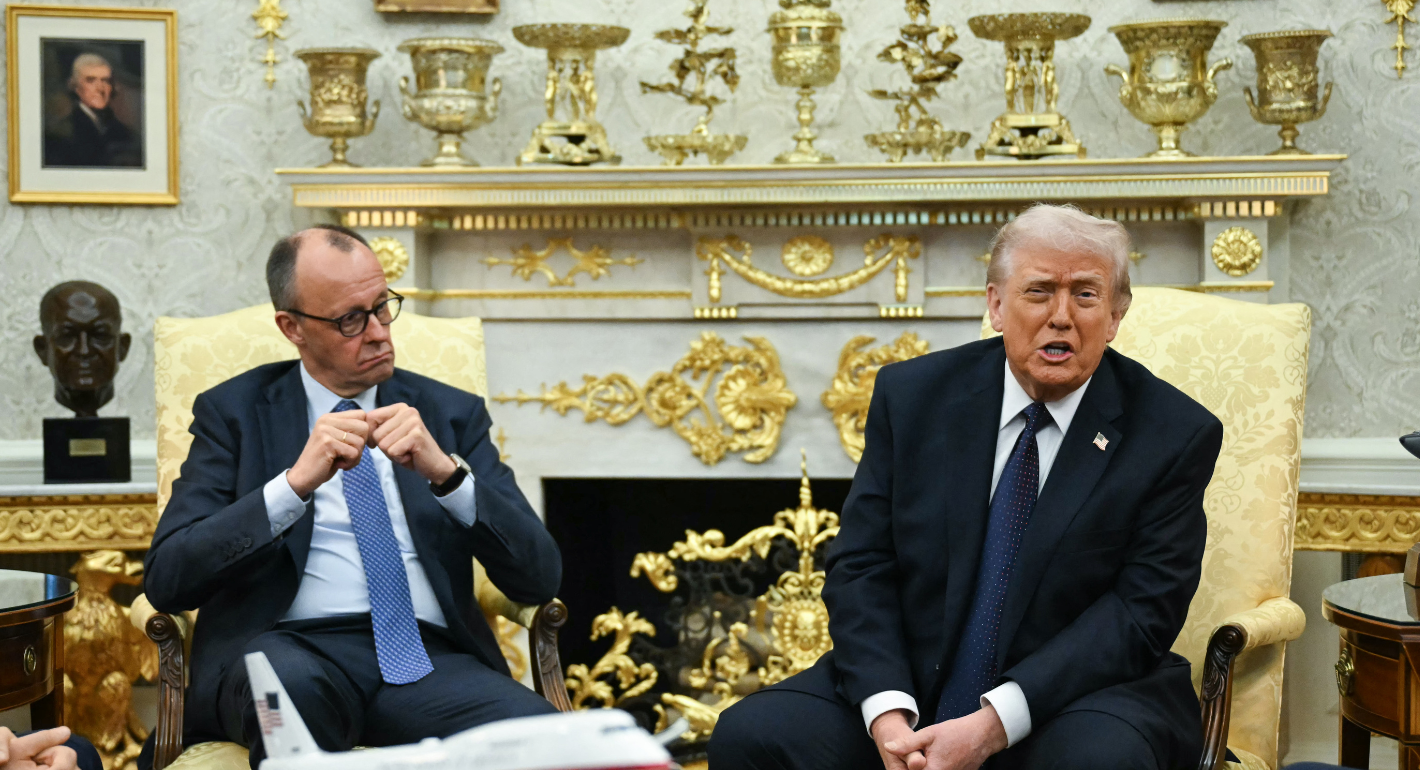
European reactions to the war in Iran have lost sight of wider political dynamics. The EU must position itself for the next phase of the crisis without giving up on its principles.

Richard Youngs
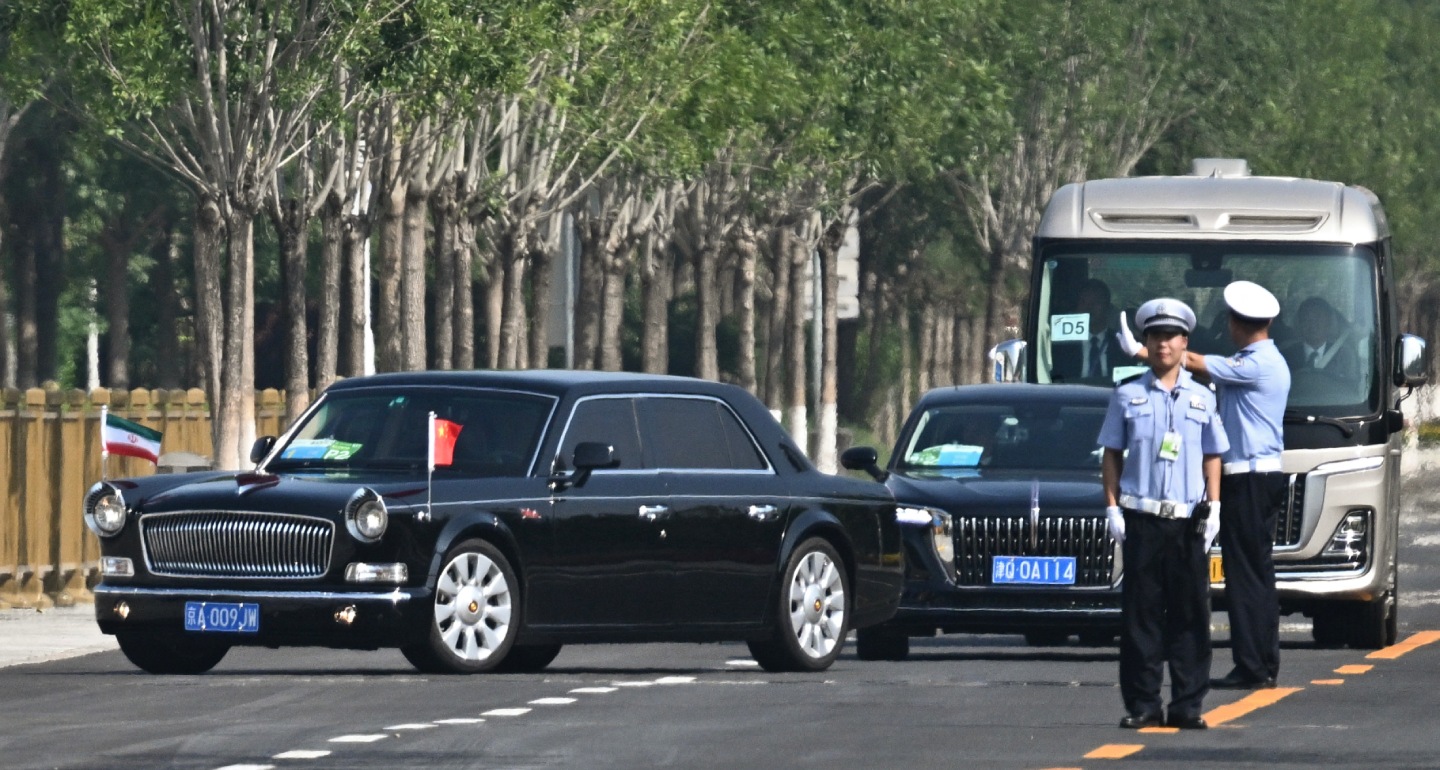
Most of Moscow’s military resources are tied up in Ukraine, while Beijing’s foreign policy prioritizes economic ties and avoids direct conflict.


Alexander Gabuev, Temur Umarov
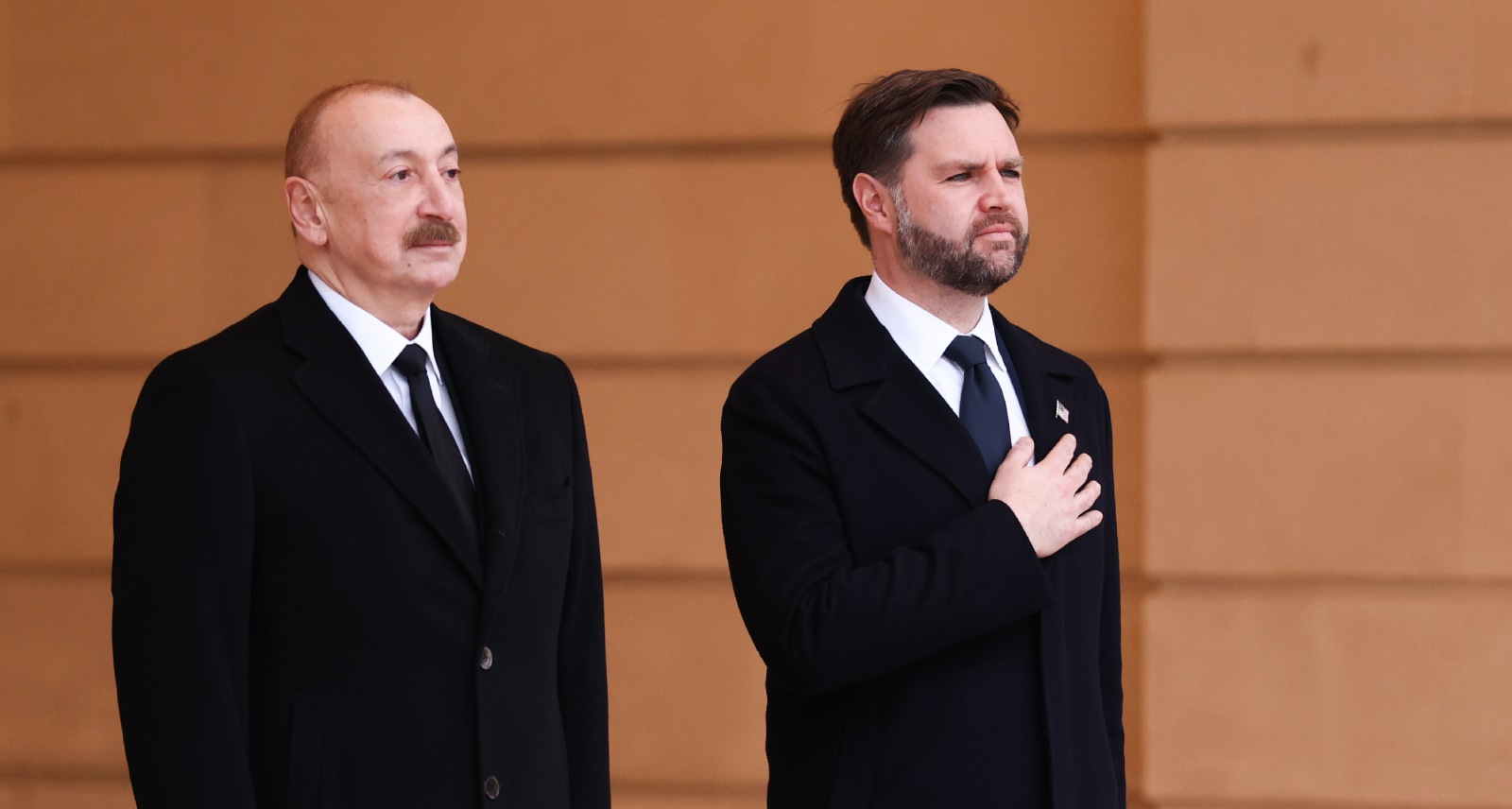
With the White House only interested in economic dealmaking, Georgia finds itself eclipsed by what Armenia and Azerbaijan can offer.

Bashir Kitachaev