

Commentary
Much has been said of the changes Brussels is trying to make to the EU enlargement process. Here’s why gradual integration might—or might not—be the answer.
Dimitar Bechev
{
  "authors": [],
  "type": "pressRelease",
  "centerAffiliationAll": "dc",
  "centers": [
    "Carnegie Endowment for International Peace"
  ],
  "collections": [],
  "englishNewsletterAll": "democracy",
  "nonEnglishNewsletterAll": "",
  "primaryCenter": "Carnegie Endowment for International Peace",
  "programAffiliation": "DCG",
  "programs": [
    "Democracy, Conflict, and Governance"
  ],
  "projects": [],
  "regions": [
    "North America",
    "United States"
  ],
  "topics": [
    "Political Reform",
    "Democracy",
    "Foreign Policy"
  ]
}
Source: Getty
The Obama administration faces pressure to pull back U.S. democracy promotion efforts, given the Bush’s administration’s legacy and increasing talk of a global “democratic recession.” However, by building a new approach to democracy promotion the United States can regain its place as a respected, trusted, and influential ally of democracy around the world.

In Democracy Promotion Under Obama: Finding a Way Forward, Carothers asserts that while a careful post-Bush process of repair and recovery on democracy policy is in order, the idea that President Obama should embrace a broad, realist corrective is a mistake. The key to finding a positive new way forward is changing how the United States supports democracy abroad rather than what emphasis to place on it relative to other interests. Key elements of President Obama’s political style and philosophy translate naturally into useful steps forward.
In Stepping Back from Democratic Pessimism, Carothers offers a wide-ranging assessment of the state of democracy in the world, finding that despite setbacks in the troubled regions of the Middle East and former Soviet Union, democracy has not experienced a global retreat this decade. Good news on democratization, though often less visible, has occurred in roughly equal proportion to bad news, and considerable continuity exists in many places. By taking on this more balanced perspective, the Obama administration can ensure that unnecessary pessimism does not hinder important U.S. support for democracy around the world.
###
NOTES
Carnegie does not take institutional positions on public policy issues; the views represented herein are those of the author(s) and do not necessarily reflect the views of Carnegie, its staff, or its trustees.

Much has been said of the changes Brussels is trying to make to the EU enlargement process. Here’s why gradual integration might—or might not—be the answer.

Dimitar Bechev

Economic recovery has brought Sri Lanka a modicum of stability, but domestic strains and great-power rivalry could test how long it lasts.

Avinash Paliwal
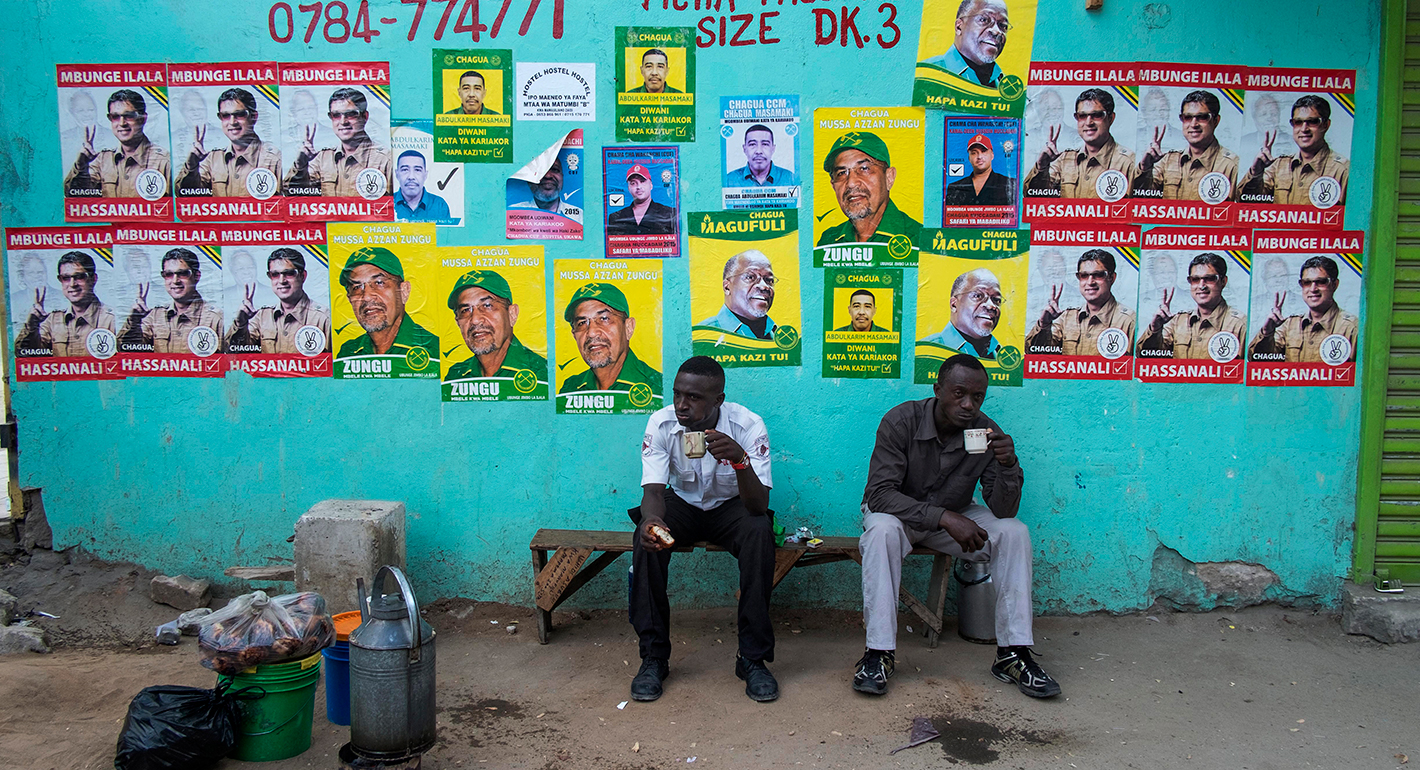
Today’s global democratic recession is partly rooted in a common perception that democracies have a delivery problem, with many citizens in both autocracies and democracies alike now believing that strongmen can achieve better governance outcomes. But a study of four countries in Africa reveals that democratic-leaning governments have demonstrated better governance performance than autocratic governments.


Sarah Yerkes, Natalie Triche, Amr Hamzawy

Despite a new textbook, an influx of Russian teachers and managers, and an end to the teaching of Ukrainian, the Kremlin is unlikely to have “reprogrammed” locals.

Konstantin Skorkin
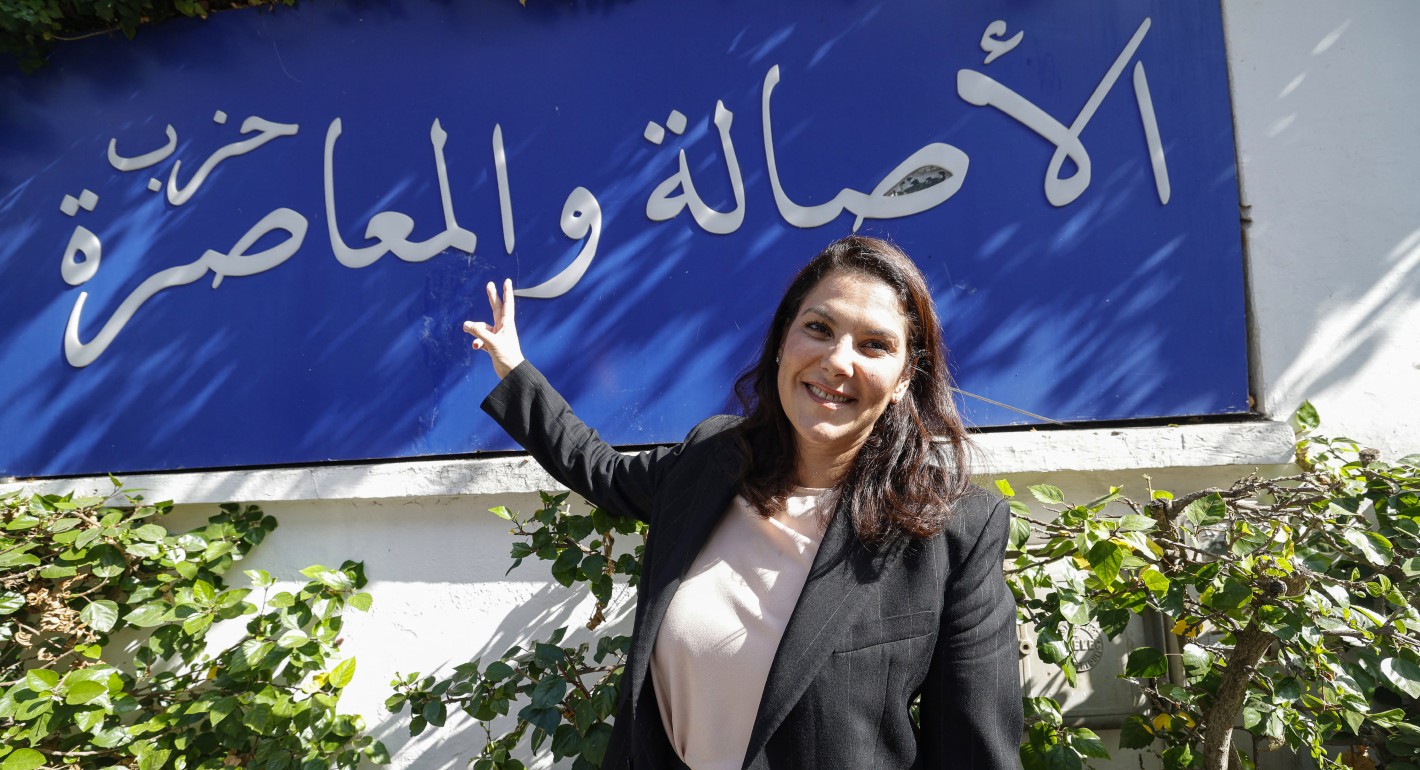
Fatima El Mansouri is the country’s first female prime minister. She’s also a privileged insider in a largely ceremonial position.
Sarah Yerkes