

Article
Japan’s revision of its three strategic documents reflects an intention to keep the United States engaged in the region while Japan fills any vacuums of U.S. power to preserve the Indo-Pacific order.
Ryo Sahashi
{
  "authors": [],
  "type": "pressRelease",
  "centerAffiliationAll": "dc",
  "centers": [
    "Carnegie Endowment for International Peace"
  ],
  "collections": [],
  "englishNewsletterAll": "ctw",
  "nonEnglishNewsletterAll": "",
  "primaryCenter": "Carnegie Endowment for International Peace",
  "programAffiliation": "SAP",
  "programs": [
    "South Asia"
  ],
  "projects": [],
  "regions": [
    "South Asia",
    "Pakistan"
  ],
  "topics": [
    "Security"
  ]
}
REQUIRED IMAGE
Pakistan’s new and fragile government must reform the country’s intelligence agencies to counter their influence on civil society and politics.
WASHINGTON, Mar 6—Pakistan’s new and fragile government must reform the country’s intelligence agencies to counter their influence on civil society and politics, Frederic Grare explains in a new report. The army remains the dominant actor in Pakistan’s political life, despite some improvements in civil-military relations in recent years. Previous abuses of power by both Pakistani regimes and the intelligence agencies—particularly Inter-Services Intelligence (ISI)—make reforms imperative before Pakistan can continue its democratic transition.
Through interviews with Pakistani officials and case studies in Indonesia and Chile, Grare argues that with patience, resolve, and assistance from the international community, Pakistan’s government can successfully reassert civilian control over the intelligence community.
Key recommendations for the international community:
Recommendations for the Pakistani government:
Grare concludes:
“Pakistan’s civilian government would be wrong to ignore the need to decisively establish its supremacy over the intelligence community. Reducing the role of the military in intelligence should be a priority not only because it will help the government consolidate itself domestically but also because the perception abroad of Pakistan’s emerging democracy and consequent foreign support will be shaped by its capacity to impose its authority on the intelligence agencies’ activities on issues ranging from domestic terrorism to foreign policy.”
###
NOTES
Carnegie does not take institutional positions on public policy issues; the views represented herein are those of the author(s) and do not necessarily reflect the views of Carnegie, its staff, or its trustees.
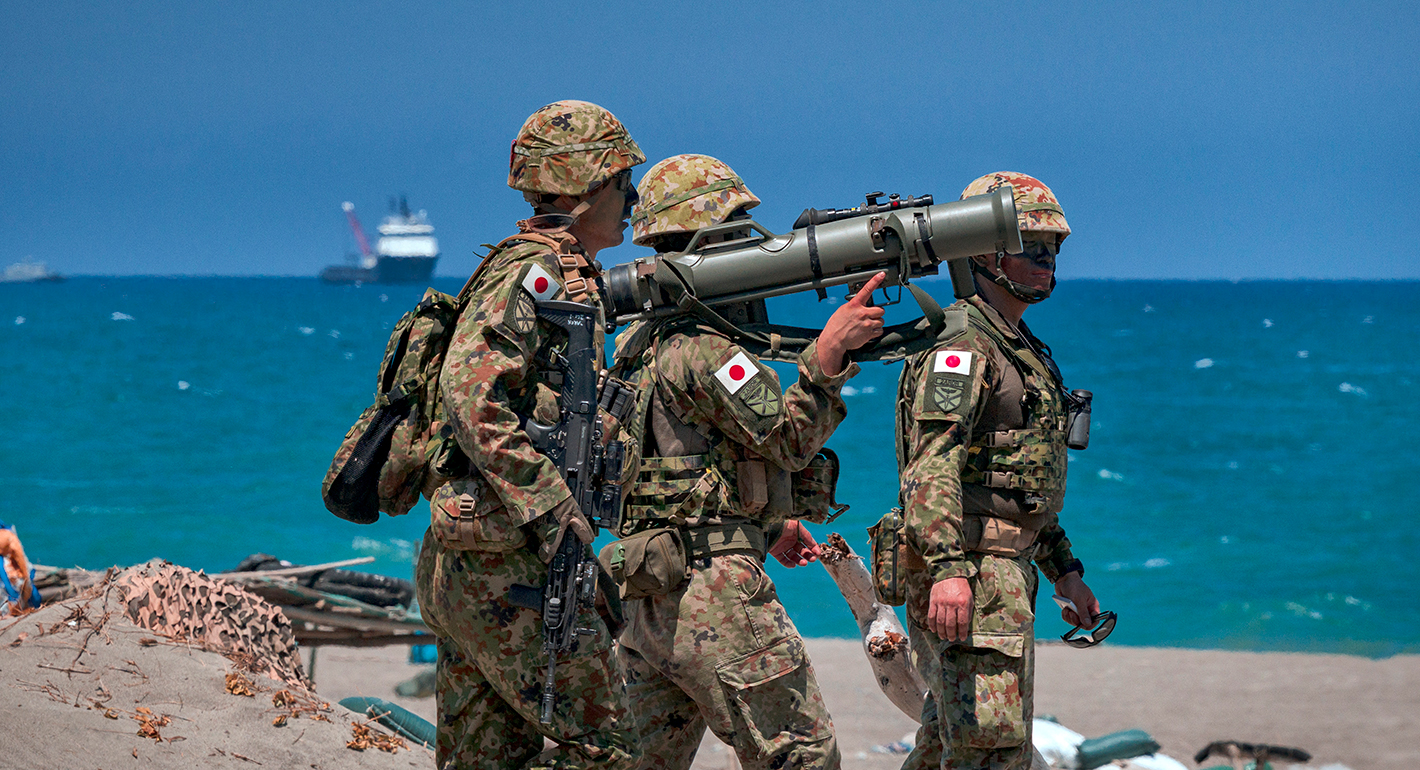
Japan’s revision of its three strategic documents reflects an intention to keep the United States engaged in the region while Japan fills any vacuums of U.S. power to preserve the Indo-Pacific order.

Ryo Sahashi
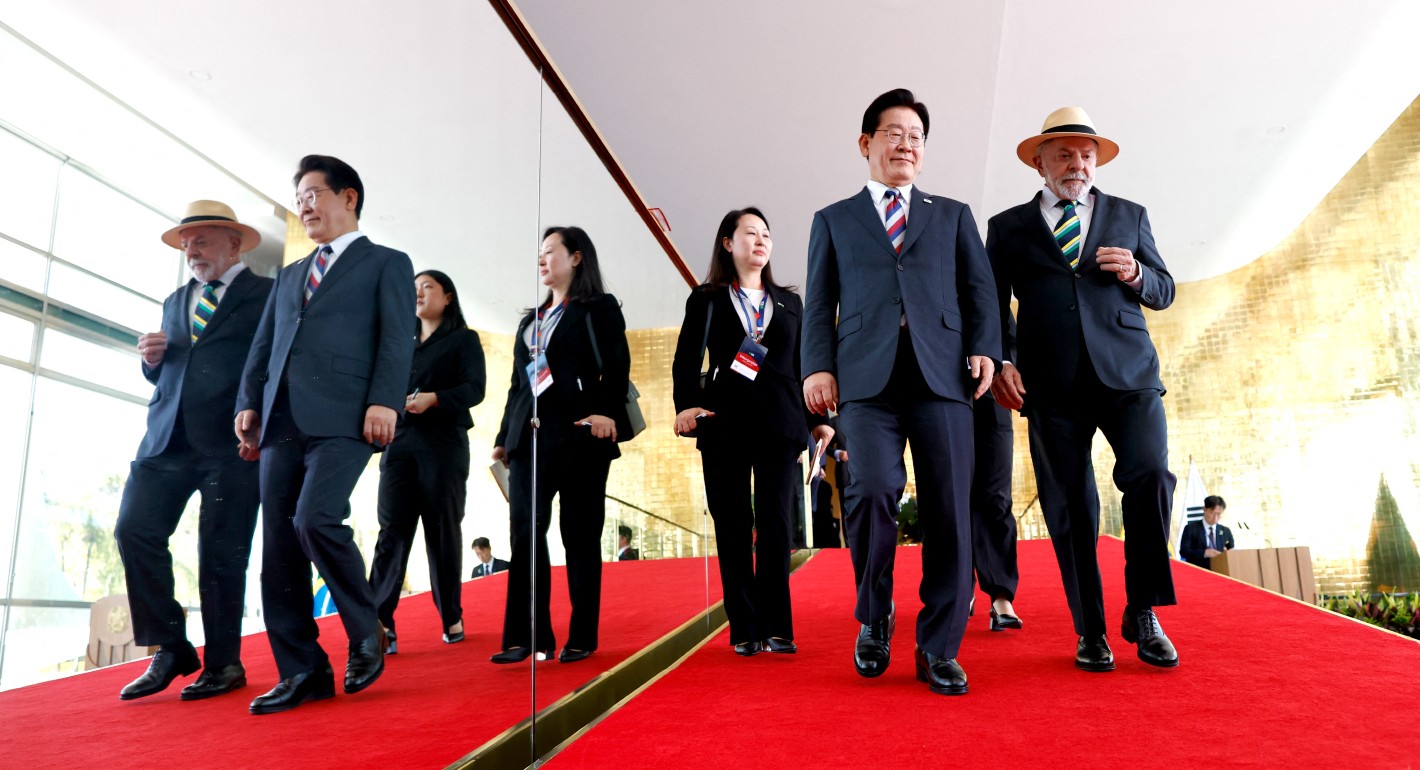
Lee’s tour shows how Seoul is reorganizing its diplomacy away from Pyongyang and toward industrial networks and the geography of the compute economy.

Darcie Draudt-Véjares

The targeting of Damietta Port appears to be more than a mere security message.

Amr Hamzawy
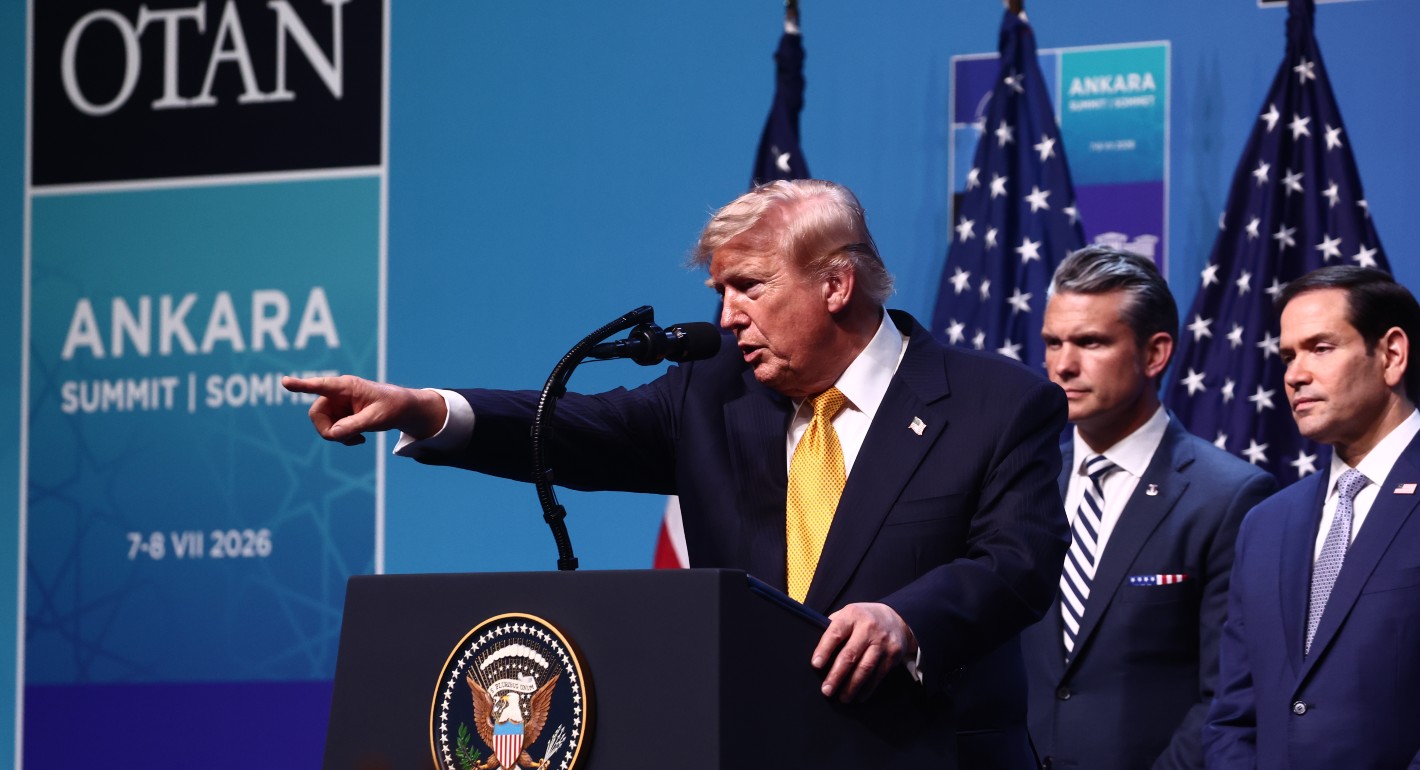
Does Donald Trump want to redraw the map of the world? Historian and geopolitical thinker Stephen Wertheim tries to parse the logic behind current American foreign policy

Stephen Wertheim

In the fog of modern war, generative AI offers every side a simple transaction: Trade documented reality for permanent doubt.

Mahsa Alimardani, Afsaneh Rigot