

Commentary
The conflict is exposing the deep energy vulnerabilities of Korea’s chip industry.
Darcie Draudt-Véjares, Tim Sahay
{
  "authors": [
    "Robert Kagan",
    "Karim Sadjadpour",
    "Dmitri Trenin"
  ],
  "type": "legacyinthemedia",
  "centerAffiliationAll": "dc",
  "centers": [
    "Carnegie Endowment for International Peace",
    "Carnegie Russia Eurasia Center"
  ],
  "collections": [],
  "englishNewsletterAll": "ctw",
  "nonEnglishNewsletterAll": "",
  "primaryCenter": "Carnegie Endowment for International Peace",
  "programAffiliation": "russia",
  "programs": [
    "Russia and Eurasia",
    "Middle East"
  ],
  "projects": [],
  "regions": [
    "North America",
    "United States",
    "Middle East",
    "Iran",
    "Caucasus",
    "Russia"
  ],
  "topics": [
    "Foreign Policy"
  ]
}
Source: Getty
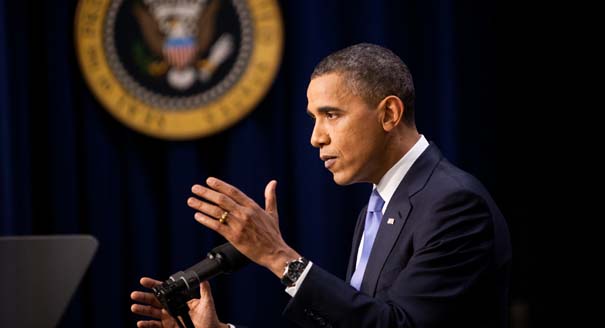
As top policy experts assess President Obama’s performance during his first hundred days in office, the results are somewhat mixed but generally positive.
Source: Foreign Policy

Karim Sadjadpour
Grade (Iran): A-
Based only on the first 100 days, I think the Obama administration's approach to Iran has been more informed and nuanced than that of any U.S. administration in the last 30 years. He has been respectful without projecting weakness, which is always a delicate balance.
Ultimately it takes two to tango, and at the moment hardliners in Tehran who are not interested in having an amicable relationship with the United States have an inordinate amount of influence. Rather than strengthen these hardliners, Obama's overtures will put pressure on them to justify their often gratuitous enmity toward the United States.
The majority of Iranian officials recognize that the "death to America" culture of 1979 is obsolete in 2009 -- it only prevents the country from fulfilling its enormous potential. Whereas the Bush administration united Iran's disparate political factions against a common threat, the Obama administration's approach will likely accentuate the divisions and incongruities among Iran's political elites.
Robert Kagan
Grade: A-/B+
President Obama scores high on Afghanistan and Iraq, where he bucked his left wing, to deepen U.S. commitment in the first and maintain it responsibly in the second. His policy toward Iran makes sense, so long as he is ready with a serious Plan B if the negotiating track with Tehran fails. His policies toward Russia are sound, which include going ahead with missile defense unless and until the Iran threat is gone, sticking up for the right of Ukraine and Georgia to choose their own allies, and rejecting any Russian sphere of influence in the former Soviet space. The test will come when Russia sparks another crisis with Georgia. I would have given him a straight A- if he hadn't thrown a bouquet to the Venezuelan dictator, which adds to an emerging pattern of indifference to human rights and democratic aspirations from Russia to China to Iran and now to Latin America. One hopes this strategically misguided and morally disturbing approach fades as the need to be mindlessly "anything-but-Bush" becomes less of a driving force in the administration's foreign policy.
Dmitri Trenin
Grade (Russia policy): B+
President Obama deserves a B+ because he has clearly identified the need to move Russia from the liabilities column to the assets one, and engaged the Russian leadership by expressing his willingness to listen to their concerns and reset the badly frayed relationship.
He addressed the issue of nuclear arms early on in his admin, and re-launched START, in a new context of non-proliferation efforts. He also created momentum with his letter-exchange with President Medvedev, followed up by their London encounter, and the announcement of a United States visit to Russia.
He, however, does not get the top grade, in my view, because he still lacks a Russia strategy. His opening moves essentially doing away with the Bush legacy rather than establishing an Obama line. The Russo-American detente has more or less happened already, as a function of the economic crisis and Obama resetting the U.S. foreign policy. As the going gets tougher, as it probably will, we do not know what the administration will do, whether they will still care about the relationship, or would have to let go of Russia, arguing that it was a relationship both too difficult and not critical enough. In this case, future grades will lean south.
Click here to see the full article in Foreign Policy.
Reproduced with permission from Foreign Policy www.foreignpolicy.com. Copyright 2009 Washingtonpost.Newsweek Interactive LLC.
Former Senior Associate
Kagan, author of the recent book, The Return of History and the End of Dreams (Knopf 2008), writes a monthly column on world affairs for the Washington Post and is a contributing editor at both the Weekly Standard and the New Republic.

Senior Fellow, Middle East Program
Karim Sadjadpour is a senior fellow at the Carnegie Endowment for International Peace, where he focuses on Iran and U.S. foreign policy toward the Middle East.
Former Director, Carnegie Moscow Center
Trenin was director of the Carnegie Moscow Center from 2008 to early 2022.
Carnegie does not take institutional positions on public policy issues; the views represented herein are those of the author(s) and do not necessarily reflect the views of Carnegie, its staff, or its trustees.
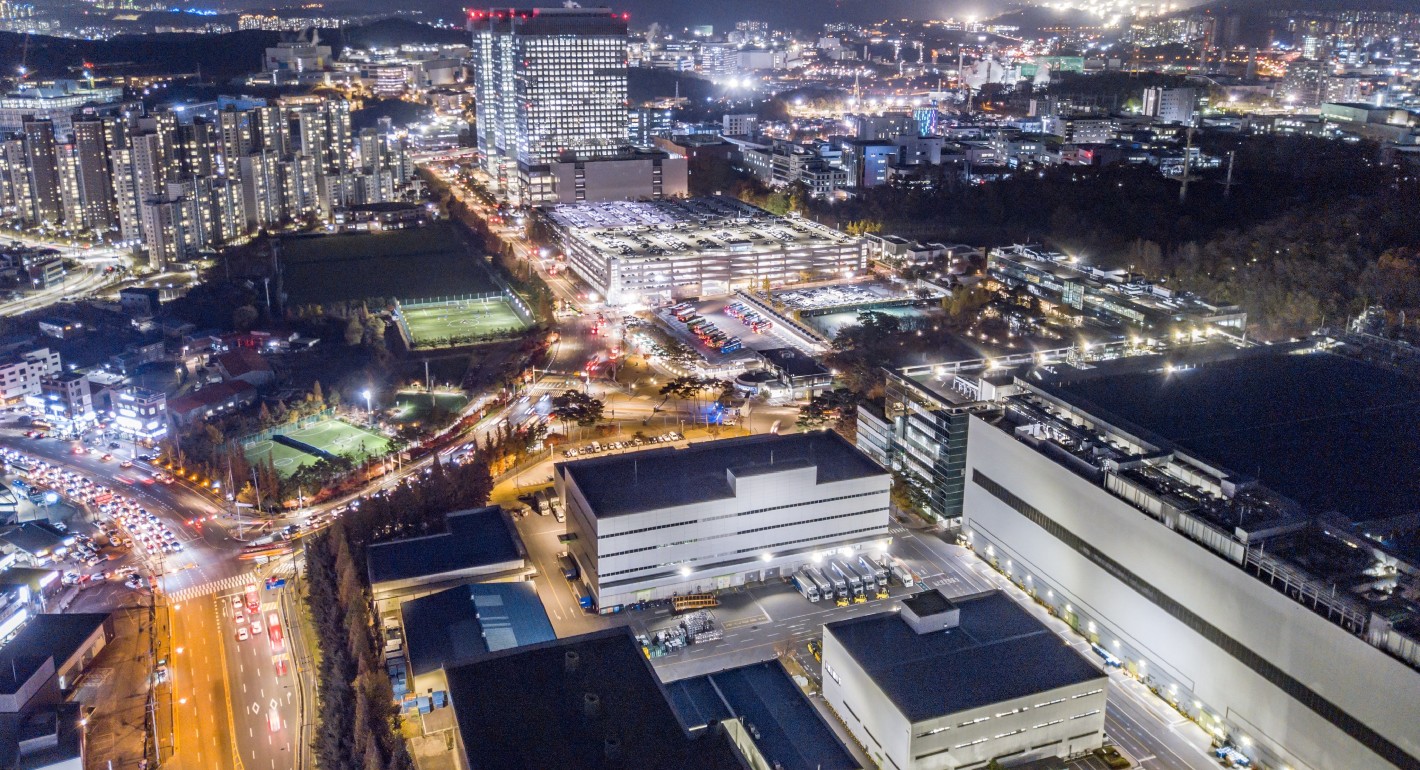
The conflict is exposing the deep energy vulnerabilities of Korea’s chip industry.


Darcie Draudt-Véjares, Tim Sahay
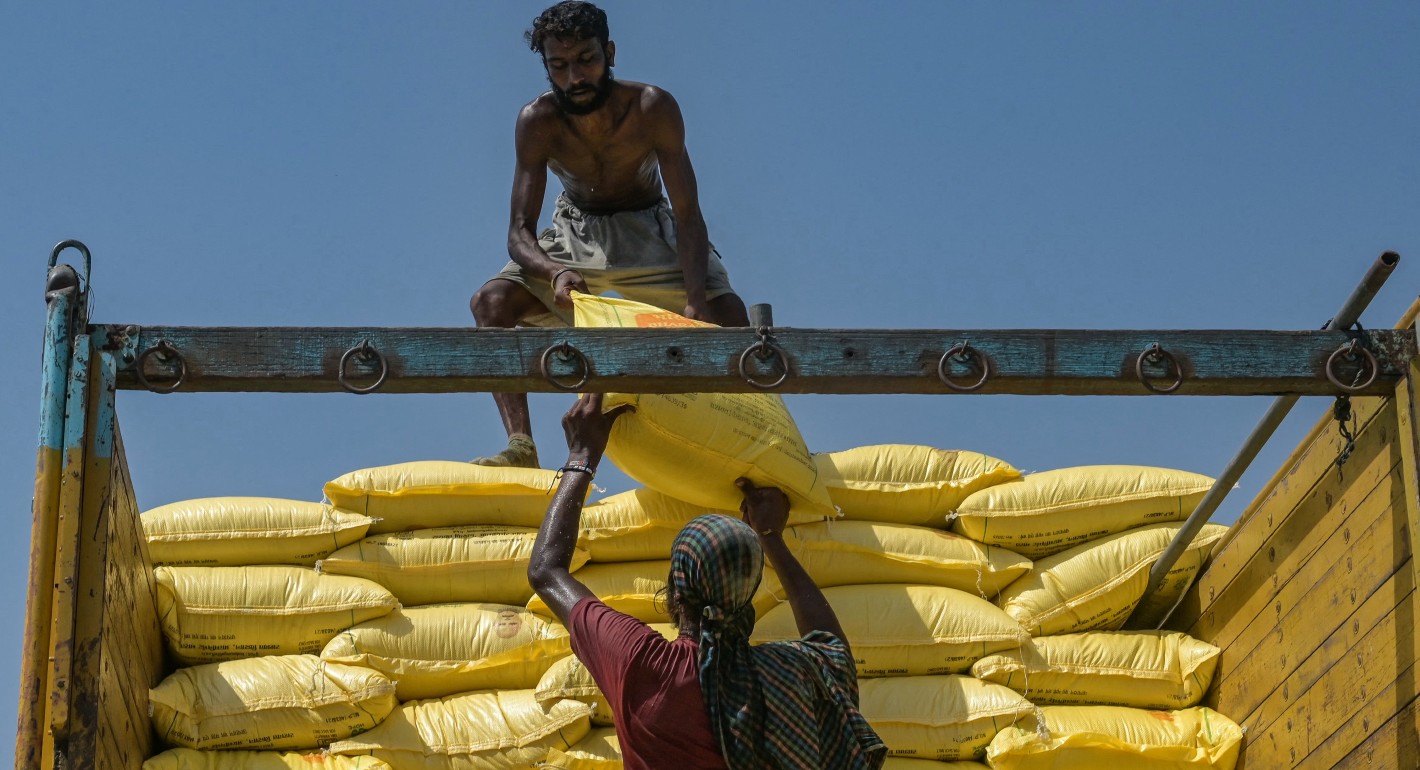
Even if the Iran war stops, restarting production and transport for fertilizers and their components could take weeks—at a crucial moment for planting.

Noah Gordon, Lucy Corthell
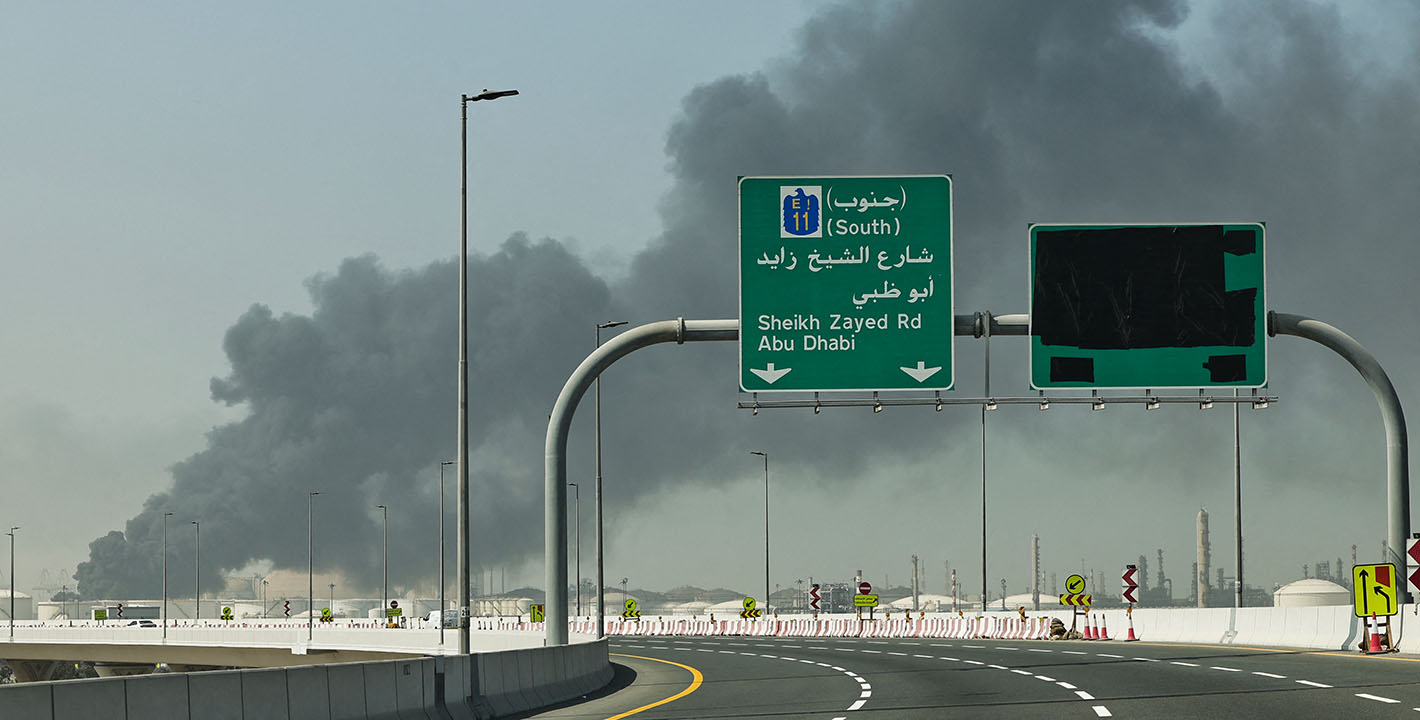
The countries in the region are managing the fallout from Iranian strikes in a paradoxical way.

Angie Omar
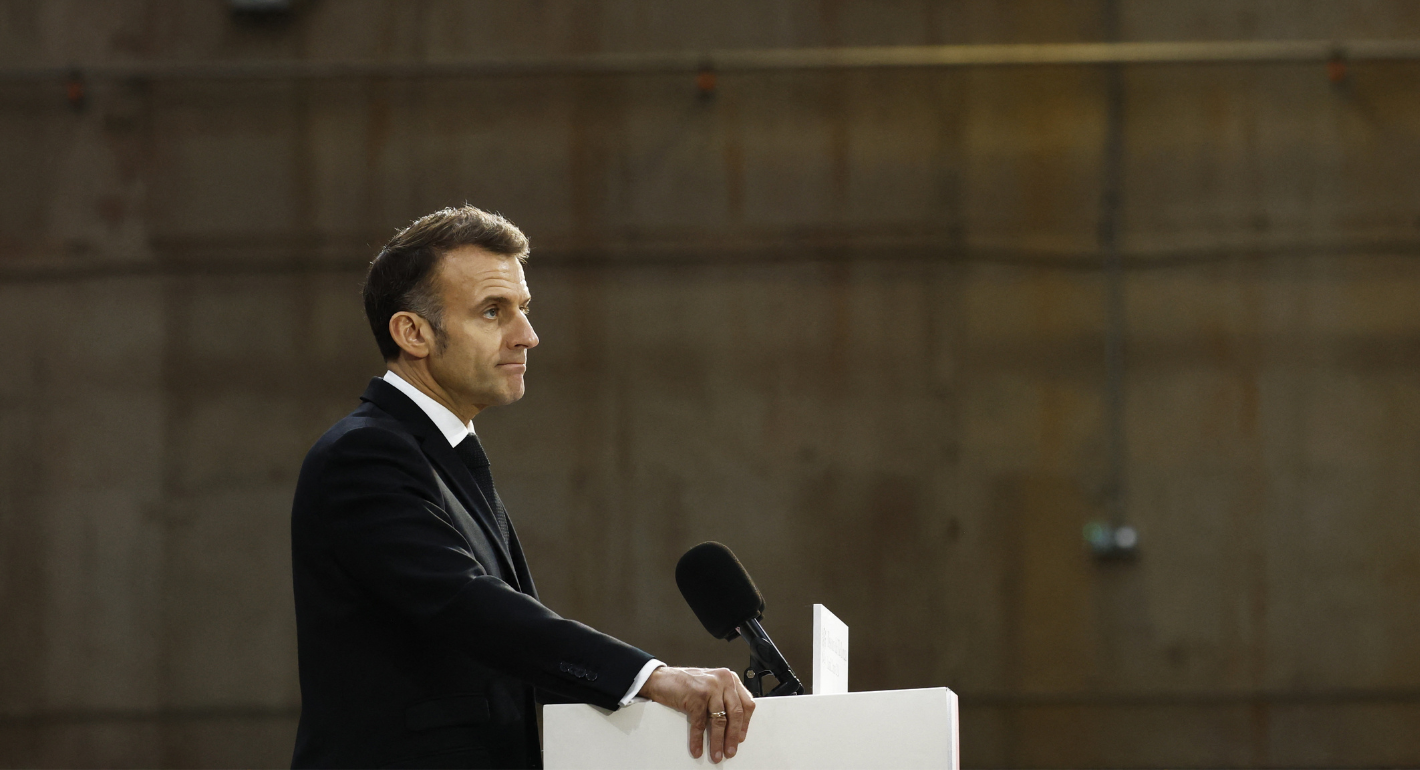
French President Emmanuel Macron has unveiled his country’s new nuclear doctrine. Are the changes he has made enough to reassure France’s European partners in the current geopolitical context?

Rym Momtaz, ed.
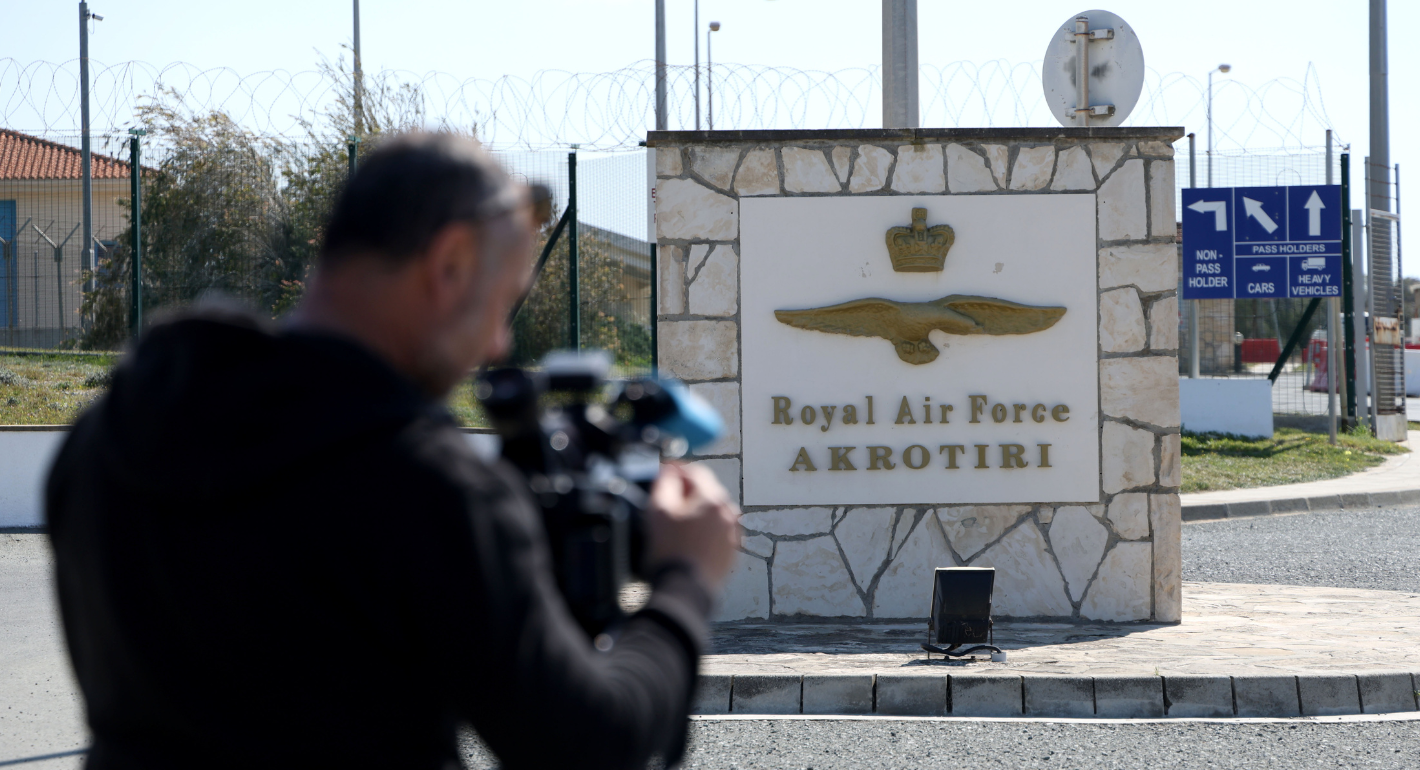
The drone strike on the British air base in Akrotiri brings Europe’s proximity to the conflict in Iran into sharp relief. In the fog of war, old tensions in the Eastern Mediterranean risk being reignited, and regional stakeholders must avoid escalation.

Marc Pierini