

Commentary
AI capabilities are moving fast. Most institutions—including governments—can’t keep up.
Anton Leicht, Scott Singer
{
  "authors": [],
  "type": "pressRelease",
  "centerAffiliationAll": "dc",
  "centers": [
    "Carnegie Endowment for International Peace"
  ],
  "collections": [],
  "englishNewsletterAll": "asia",
  "nonEnglishNewsletterAll": "",
  "primaryCenter": "Carnegie Endowment for International Peace",
  "programAffiliation": "AP",
  "programs": [
    "Asia"
  ],
  "projects": [],
  "regions": [
    "United States",
    "China"
  ],
  "topics": [
    "Military"
  ]
}
REQUIRED IMAGE
Claremont McKenna College announces the appointment of Minxin Pei as the Tom and Margot Pritzker ’72 Professor of Government and Roberts Fellow, and the director of the Keck Center for International and Strategic Studies.
Claremont McKenna College is pleased to announce the appointment of Minxin Pei, a specialist on China and U.S.-China relations, as the Tom and Margot Pritzker ’72 Professor of Government and Roberts Fellow, and the director of the Keck Center for International and Strategic Studies at Claremont McKenna College.
Pei joins CMC with impressive credentials, having spent the last 10 years as the senior associate in the China Program at the Carnegie Endowment for International Peace. His research focuses on democratization in developing countries, economic reform and governance in China, and U.S.-China relations.
Associate professor of government Hilary Appel, who chaired the search, says students are most fortunate to have the opportunity to study with one of the world’s leading scholars of China’s political and economic development. “Political scientists throughout Southern California, and especially The Claremont Colleges, are looking forward to his arrival in Claremont,” Appel says. “We are all thrilled.”
Adds Greg Hess, vice president for academic affairs, dean of the faculty, and the Russell S. Bock Professor of Public Economics at Claremont McKenna, “We are enormously pleased that Professor Pei will be joining us at CMC. He is a world-class scholar and we believe he will provide terrific leadership for the Keck Center. It’s a great day for the College and for our students.”
“For over a decade, Minxin’s creative, deeply informed work at Carnegie has guided new perspectives on China’s political development and the future of critically important Sino-U.S. relations,” notes Jessica T. Mathews, president of the Carnegie Endowment. “It is fitting that he continues this legacy by educating the next generation of China scholars and practitioners at such an august academic institution. We look forward to his continued collaboration with the Carnegie Endowment as an adjunct senior associate, and eagerly anticipate his forthcoming research at Claremont McKenna.”
Recognized as a leading expert in issues relating to China, Pei’s research has been published in many edited books and journals, including: Foreign Affairs, Foreign Policy, Modern China, and China Quarterly. He also is a frequent commentator on BBC World News, The NewsHour, and National Public Radio, and his commentary has appeared in such major newspapers as the Financial Times, New York Times, Washington Post, Newsweek International, and International Herald Tribune.
Pei is the author of From Reform to Revolution: The Demise of Communism in China and the Soviet Union (1994) and China’s Trapped Transition: The Limits of Developmental Autocracy (2006).
Prior to his position at the Carnegie Endowment, Pei taught politics at Princeton University for six years. He earned his M.A. and Ph.D. in political science from Harvard University.
###
Carnegie does not take institutional positions on public policy issues; the views represented herein are those of the author(s) and do not necessarily reflect the views of Carnegie, its staff, or its trustees.

AI capabilities are moving fast. Most institutions—including governments—can’t keep up.


Anton Leicht, Scott Singer

The Bureau of Industry and Security needs to adjust its focus and practices to maintain its position as the U.S. government’s primary champion of international technological competition.
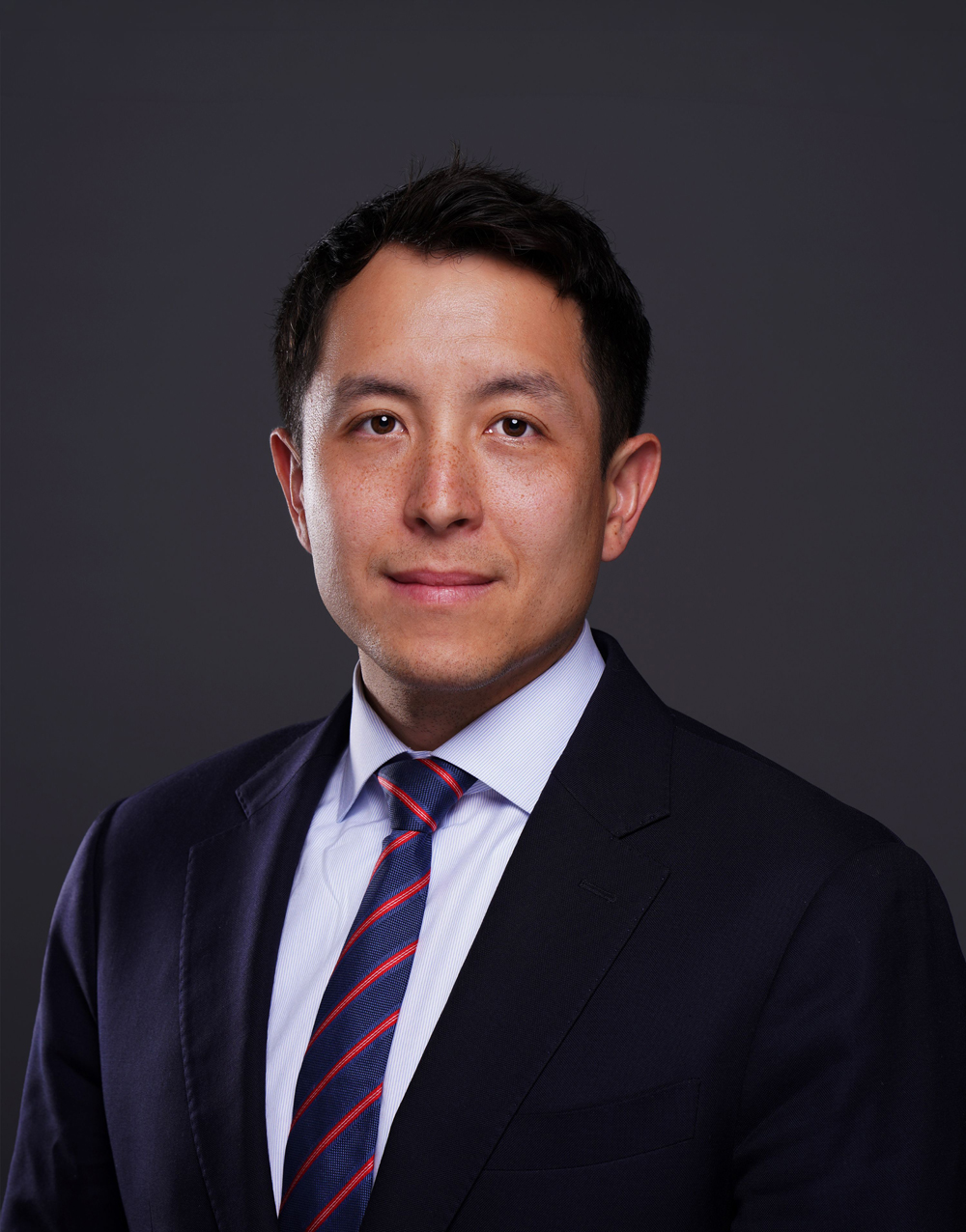
Geoffrey Irving

European Commission President Ursula von der Leyen is about to give her annual address on the state of the EU. Here’s what she won’t—but should—say.

Rym Momtaz

Understanding the climatic pain points is necessary for policymakers hoping to minimize the war’s negative environmental consequences.



Alejandro Martin Rodriguez, Joy Arkeh, Sarah Yerkes

Huawei pushed hard to enter the Egyptian data centers market, until the Americans made a better offer.

Angie Omar