

Paper
Paul Salem
{
  "authors": [
    "Paul Salem"
  ],
  "type": "legacyinthemedia",
  "centerAffiliationAll": "dc",
  "centers": [
    "Carnegie Endowment for International Peace",
    "Malcolm H. Kerr Carnegie Middle East Center"
  ],
  "collections": [],
  "englishNewsletterAll": "menaTransitions",
  "nonEnglishNewsletterAll": "",
  "primaryCenter": "Malcolm H. Kerr Carnegie Middle East Center",
  "programAffiliation": "MEP",
  "programs": [
    "Middle East"
  ],
  "projects": [],
  "regions": [
    "Lebanon"
  ],
  "topics": [
    "Political Reform"
  ]
}
Source: Getty
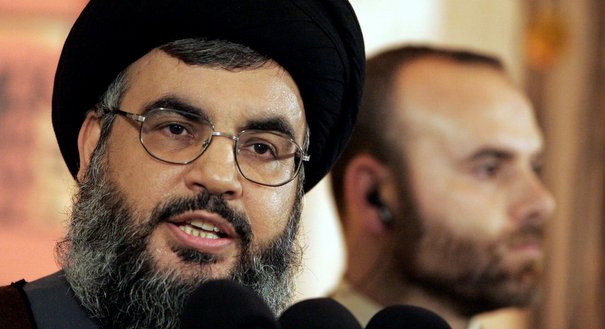
Lebanese voters head to the polls Sunday morning in elections that could determine their nation's future direction and strategic position in the Middle East.
Source: Los Angeles Times

Paul Salem is in the unique position of having access not only to major players in the Lebanese political game, but contacts in Washington that help him understand how Lebanon fits into the geopolitical picture.
Do you think it's a foregone conclusion that the opposition will win?
No, I think it's still up in the air. There is a good chance it will be a hung parliament and no one will win a majority, there is also a good chance March 8 might win, but March 14 could also still eke out a majority. Obviously the West is more concerned with one of those possibilities, which is March 8 winning.
What do you think the U.S. reaction will be if March 8 wins?In the U.S. there will definitely be a negative reaction from Congress and certain corners of the press but I think the administration will await the formation of the government. I think they are going to express concern but put a lot of emphasis on the formation of the government after the elections.
If it's a coalition government similar to the one we have now, it may be paralytic and weak but it won't be a radical departure; the government will be able to make a responsible and moderate statement that the West could deal with. There still could be a reduction in economic and military support, but it won't be a dramatic collapse.
But no matter who wins the elections, Lebanon is a confessional system, a diverse country, and it would be difficult for them to push that through on their own. And I don't think Hezbollah really wants to do that. Hezbollah benefits from a Lebanese state that is close to the West and an army that is innocuous against it — it provides protection.
And besides, Hezbollah relies on its own weapons, not the state's ... I think Hezbollah would prefer to form a coalition government, so they don't want to win by too much because it would make them vulnerable.
I don't know, but it will certainly be a big part of the discussion that will include the Saudis, the French and the U.S. The French have said they want a coalition government, and the Saudis have not made their position clear. It would certainly be in the U.S. interest to have a coalition government with a blocking third. [Pro-Hezbollah Christian leader Michael] Aoun is expected to be the biggest Christian bloc in parliament.
If March 8 takes the majority it will be because Aoun gave it to them. Aoun's main demand will relate to the presidency, which is a point of great conflict with Amal and Hezbollah who don't really want to change the president. But the presidency would be Aoun's main objective that could put him in conflict with his allies.
It's not really definite that Hezbollah wants to win the elections; it's quite possible that they would be more comfortable with a hung parliament because if they win then they have to deliver to Aoun a lot of things that they don't really want to. Even if Aoun is the biggest Christian leader in government, I don't think that's going to be enough for him.
Senior Fellow at the Middle East Institute
Paul Salem is a senior fellow at the Middle East Institute.
Recent Work
Paul Salem
Paul Salem
Carnegie does not take institutional positions on public policy issues; the views represented herein are those of the author(s) and do not necessarily reflect the views of Carnegie, its staff, or its trustees.

If the Russian-speaking community in Latvia cannot articulate their interests without being seen as disloyal, they could end up embracing a pro-Kremlin agenda.

Sergejs Potapkins

Russia’s ruling party would have benefited from Putin appearing as its distant patron, but as an active frontman imposing his views on the public, he has done nothing but harm both the party’s election campaign and the ruling system overall.

Andrey Pertsev

In the tenth year of his presidency, President Mirziyoyev’s system is becoming even more personalized than that of his predecessor Karimov.

Galiya Ibragimova
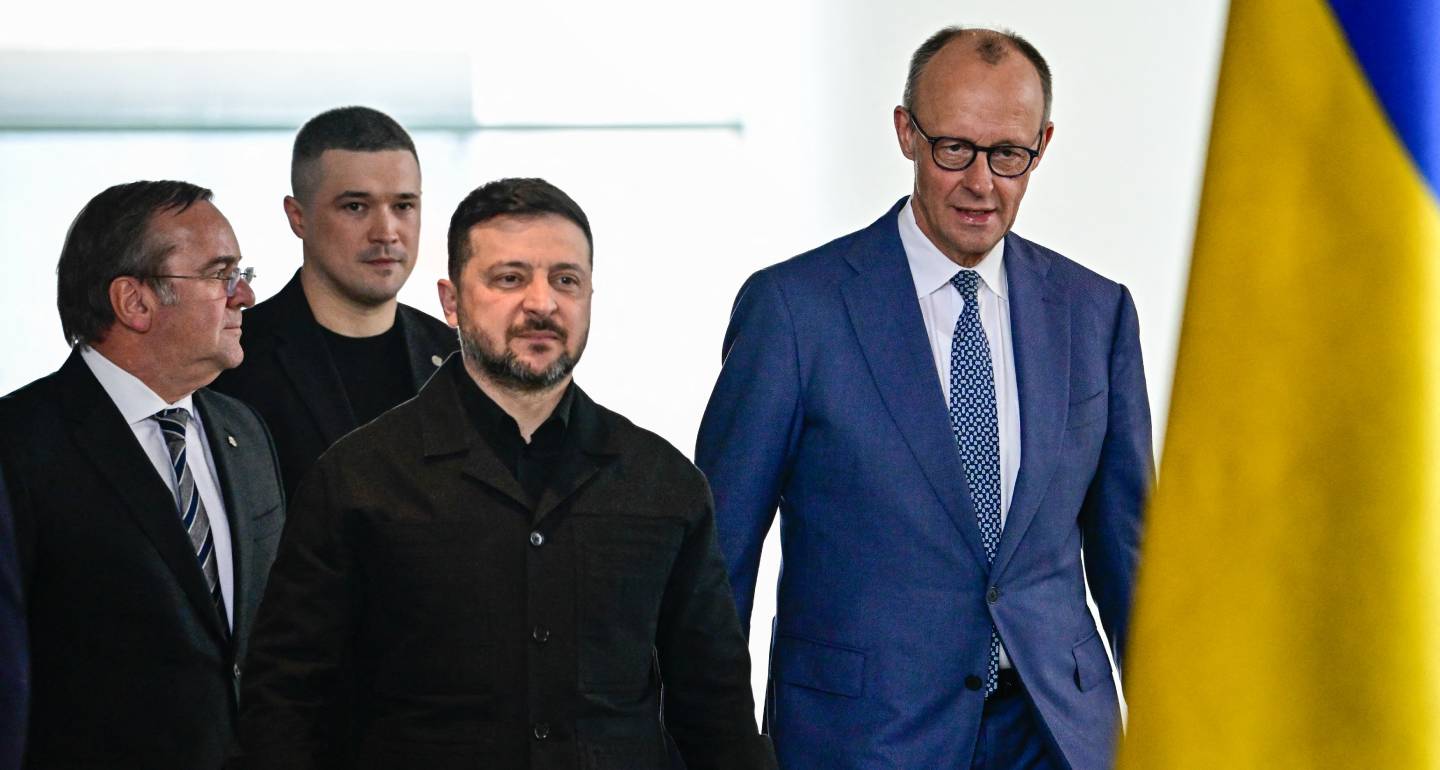
The greater threat to Zelensky comes not from Fedorov alone, but from the convergence between the former defense minister’s political campaign and the anti-corruption investigations moving ever closer to the presidential administration.

Balázs Jarábik
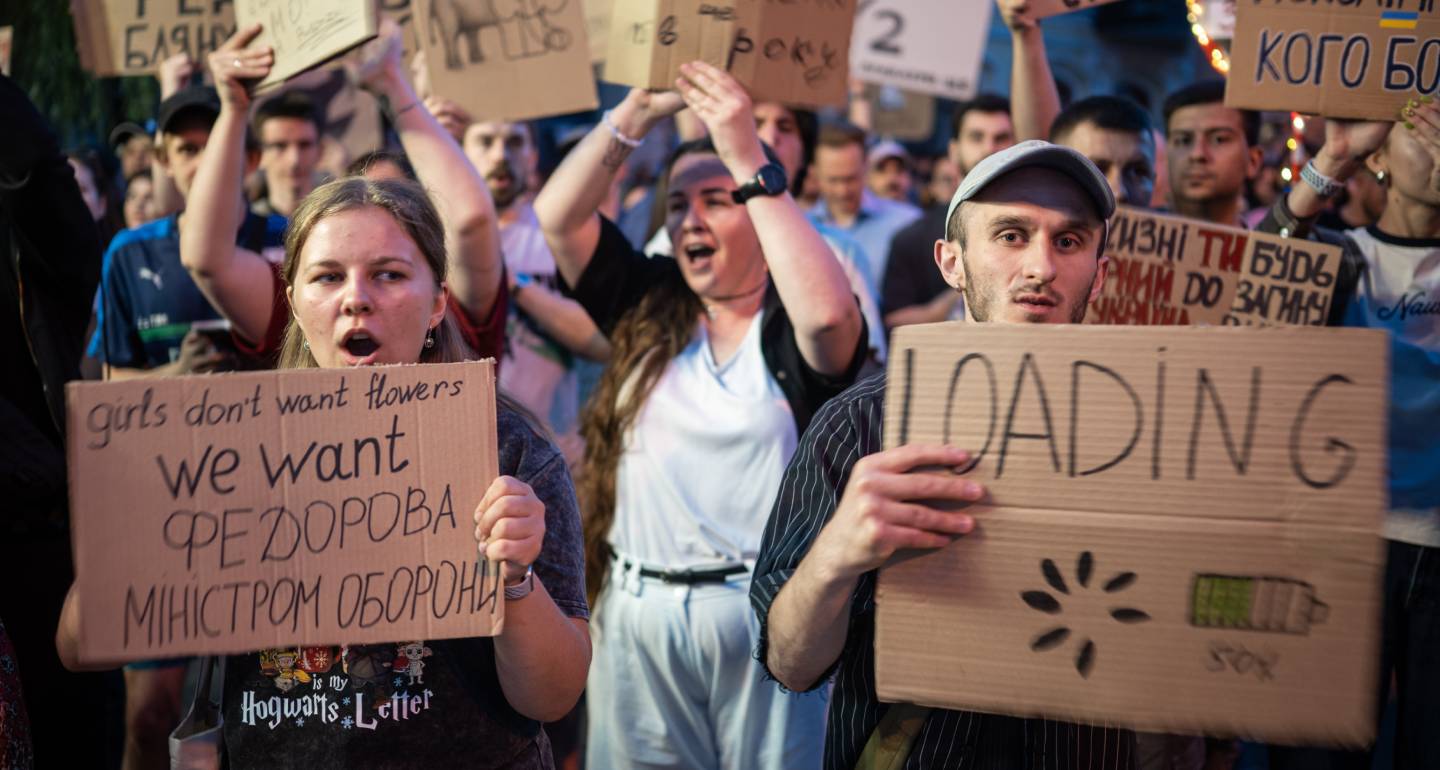
With his public call for new elections in Ukraine, ex-defense minister Mykhailo Fedorov has opened Pandora’s box.

Konstantin Skorkin