

Paper
George Perkovich
{
  "authors": [
    "George Perkovich"
  ],
  "type": "legacyinthemedia",
  "centerAffiliationAll": "dc",
  "centers": [
    "Carnegie Endowment for International Peace",
    "Carnegie Russia Eurasia Center"
  ],
  "collections": [
    "U.S. Nuclear Policy"
  ],
  "englishNewsletterAll": "ctw",
  "nonEnglishNewsletterAll": "",
  "primaryCenter": "Carnegie Endowment for International Peace",
  "programAffiliation": "NPP",
  "programs": [
    "Nuclear Policy"
  ],
  "projects": [],
  "regions": [
    "North America",
    "United States",
    "Caucasus",
    "Russia"
  ],
  "topics": [
    "Nuclear Policy"
  ]
}
Source: Getty
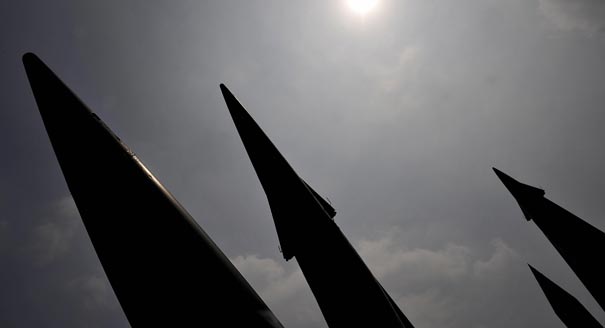
Nuclear-weapon states should commission their defense ministries and think tanks to perform serious analysis on the practical steps of moving towards zero nuclear weapons.
Source: Security Index Journal

Is it really true that Soviet leaders were determined to go to war with the United States but were deterred by the existence of nuclear weapons? At what time and place were Soviet leaders willing to go to war against NATO states but chose not to do so because of nuclear counter threats? What specific evidence shows this? There were cases, such as Vietnam and Afghanistan, where the U.S. and the U.S.S.R intervened militarily in other states. Would these interventions have happened if Washington or Moscow did not believe that nuclear deterrence would keep the other side from escalating? By making escalation to homeland attacks unthinkable, did intra-war nuclear deterrence prolong these wars and the damage they did? Is it possible that nuclear deterrence allowed more killing than it prevented during the Cold War? Even if objective scholars conclude that nuclear deterrence did directly prevent war and did not enable low-intensity conflicts in the Third World, the future effectiveness of nuclear deterrence remains unknowable.
This article was published by the Security Index Journal of the PIR Center, the Russian Center for Policy Studies, http://www.pircenter.org. It is a product of the joint PIR and NTI project "Ways towards Nuclear Disarmament."

Japan Chair for a World Without Nuclear Weapons, Senior Fellow
George Perkovich is the Japan Chair for a World Without Nuclear Weapons and a senior fellow in the Carnegie Endowment for International Peace’s Nuclear Policy Program. He works primarily on nuclear deterrence, nonproliferation, and disarmament issues, and is leading a study on nuclear signaling in the 21st century.
Recent Work
George Perkovich
George Perkovich
Carnegie does not take institutional positions on public policy issues; the views represented herein are those of the author(s) and do not necessarily reflect the views of Carnegie, its staff, or its trustees.

Congress needs to step up and make EXIM a low-carbon financing powerhouse.
Jesse Young
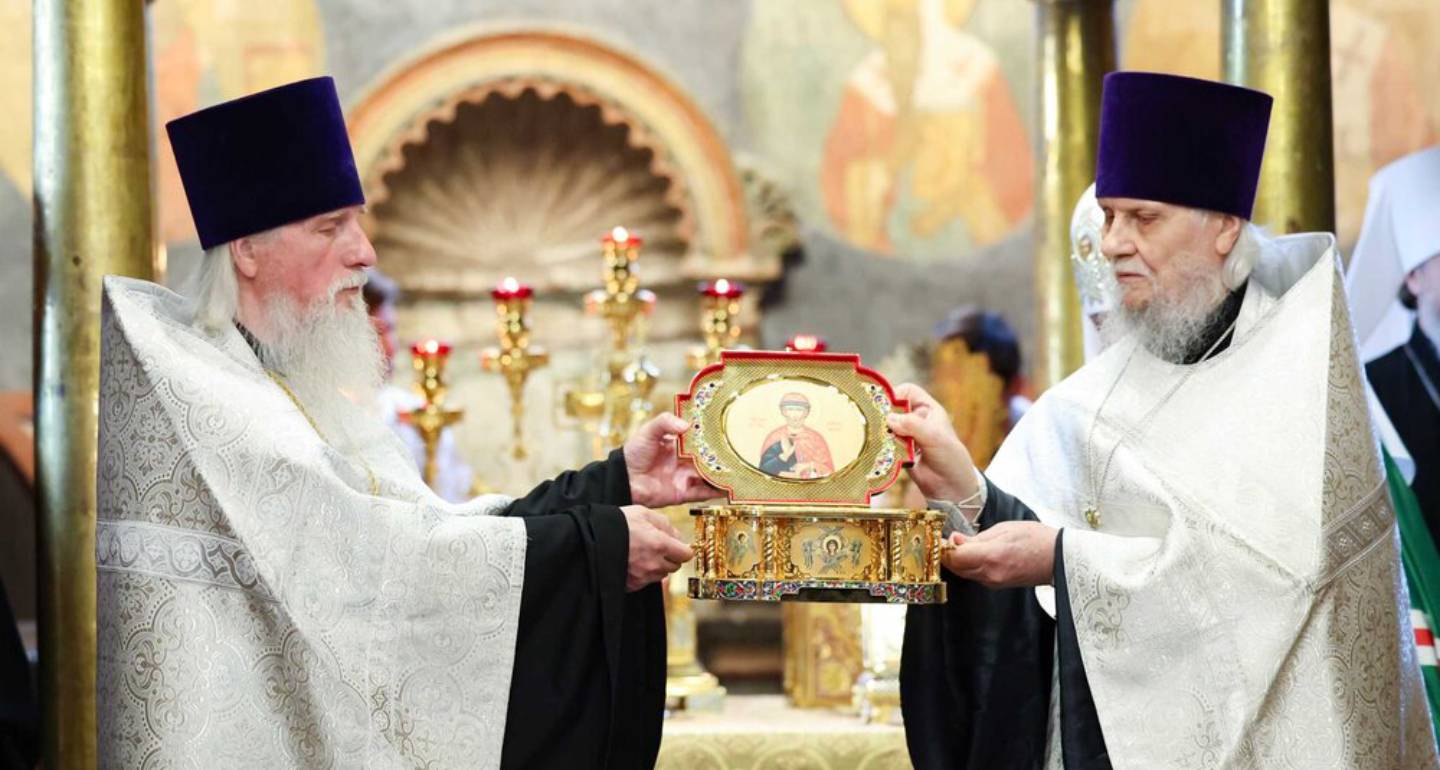
The recent uncovering of Dmitry Donskoy’s relics in the Cathedral of the Archangel is yet another attempt by the Russian Orthodox Church to help the state solve its problems. However, parroting the state’s version of Russian history leaves the Church with no message except “patriotism.”
Alexander Zanemonets

With the growth in points of friction between the great powers, organizations like the SCO will continue to play a role in the strategic adaptation of the smaller powers caught between them.

Temur Umarov

Canadian Prime Minister Mark Carney has twice inspired praise for standing up to U.S. President Donald Trump: at the 2026 World Economic Forum in Davos and on Canada-U.S. trade negotiations. Is Carney showing a third way better than the EU has in dealing with the Trump administration?

Rym Momtaz, ed.
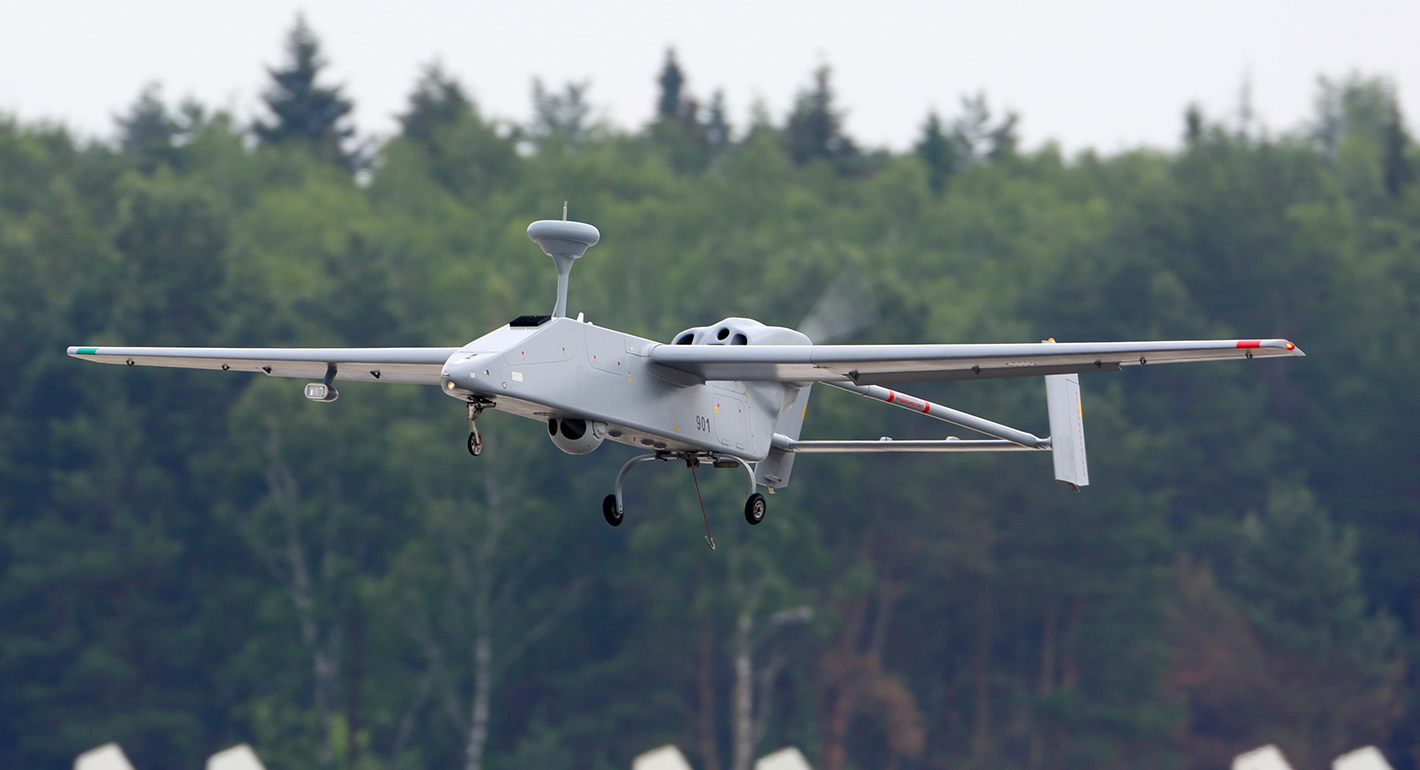
Moscow is testing Europe’s defenses with drone incursions and could decide to use drones against the continent on a much larger scale once the war in Ukraine pauses. European countries will need Kyiv to help them prepare for such a possibility.
Pavlo Zvenyhorodskyi