

Paper
George Perkovich
{
  "authors": [
    "George Perkovich"
  ],
  "type": "other",
  "centerAffiliationAll": "dc",
  "centers": [
    "Carnegie Endowment for International Peace",
    "Carnegie Russia Eurasia Center"
  ],
  "collections": [],
  "englishNewsletterAll": "ctw",
  "nonEnglishNewsletterAll": "",
  "primaryCenter": "Carnegie Endowment for International Peace",
  "programAffiliation": "NPP",
  "programs": [
    "Nuclear Policy"
  ],
  "projects": [],
  "regions": [
    "Middle East",
    "Iran"
  ],
  "topics": [
    "Nuclear Policy",
    "Nuclear Energy"
  ]
}
Source: Getty
Rules are the key to maintaining necessary pressure on Iran and framing a mutually-acceptable, face-saving outcome. Iran must take steps to build and maintain international confidence that all its nuclear activities are peaceful, and that none have military dimensions.
Talks last week between Iran and world powers in Geneva—and the first public, bilateral negotiations between the United States and Iran in 30 years—yielded unexpected progress. Iran has been forced onto the defensive by its loss of legitimacy, exacerbated by the gains President Obama made by demonstrating resolve to negotiate a peaceful accommodation with the Islamic Republic, contends George Perkovich.
Perkovich explains that the Iranian government is determined to be seen acting within international law, in order to defend the government’s legitimacy at home and to ward off international sanctions or the use of force. Getting caught on the wrong side of the law in building the Qom nuclear facility endangers the government’s legitimacy and adds to the international legitimacy President Obama has gained. The United States and other powers negotiating with Iran should press Iran to accept legally precise definitions of what are peaceful nuclear activities and what are not.
Key Conclusions
“Iranian leaders are caught between the law and a hard place,” writes Perkovich.” Either they negotiate back into compliance with the rules and restore international confidence, or they abandon any pretense of being law-abiding members of the international community and accept the risks of being known to seek nuclear weapons.”

Japan Chair for a World Without Nuclear Weapons, Senior Fellow
George Perkovich is the Japan Chair for a World Without Nuclear Weapons and a senior fellow in the Carnegie Endowment for International Peace’s Nuclear Policy Program. He works primarily on nuclear deterrence, nonproliferation, and disarmament issues, and is leading a study on nuclear signaling in the 21st century.
Recent Work
George Perkovich
George Perkovich
Carnegie does not take institutional positions on public policy issues; the views represented herein are those of the author(s) and do not necessarily reflect the views of Carnegie, its staff, or its trustees.
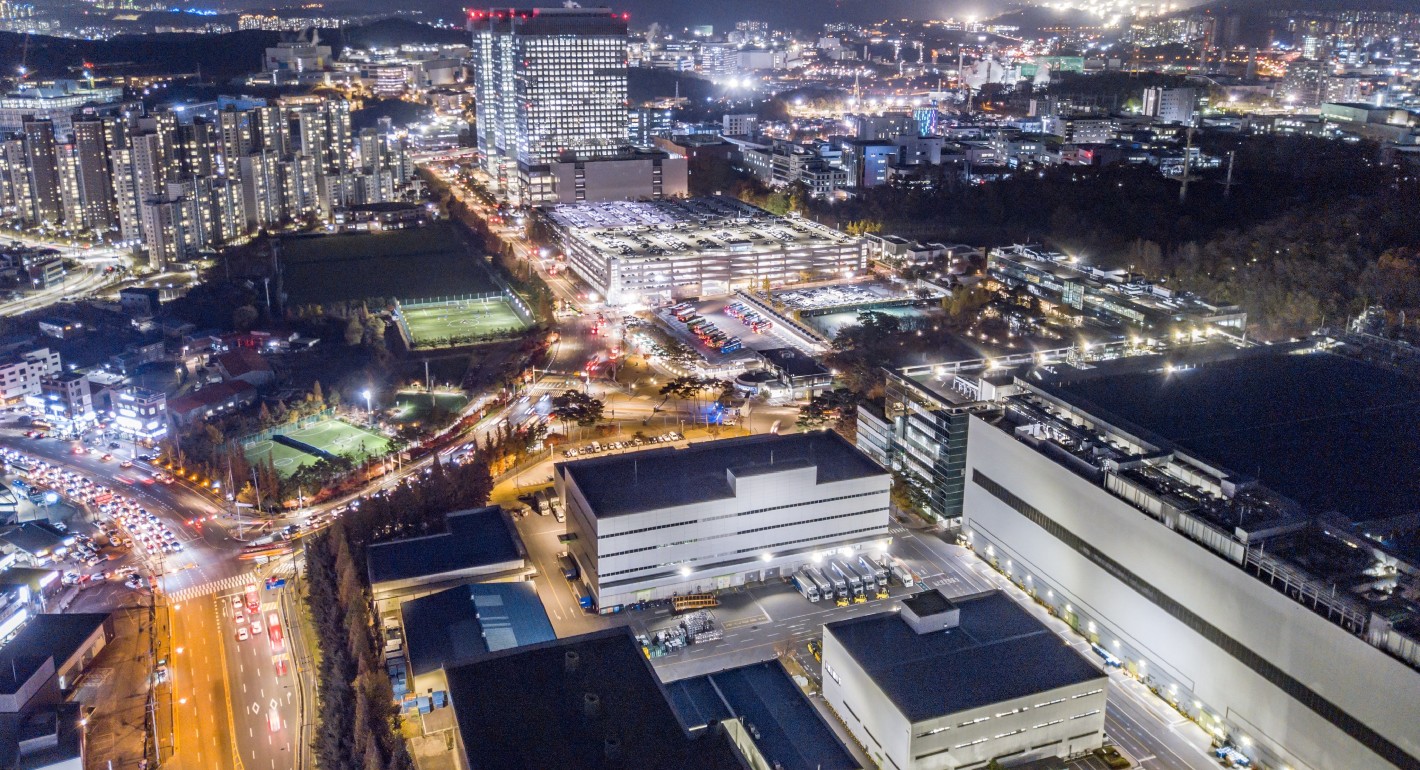
The conflict is exposing the deep energy vulnerabilities of Korea’s chip industry.

Darcie Draudt-Véjares, Tim Sahay
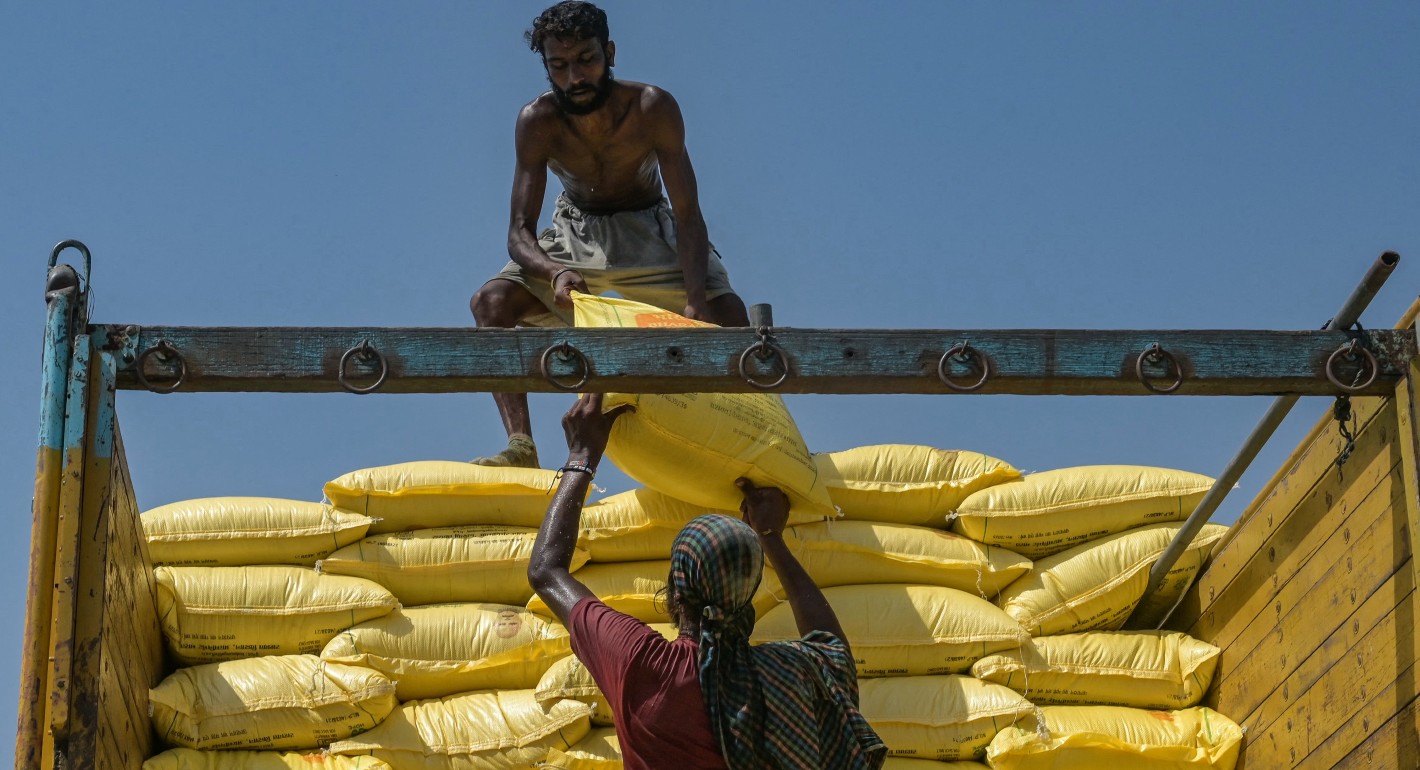
Even if the Iran war stops, restarting production and transport for fertilizers and their components could take weeks—at a crucial moment for planting.
Noah Gordon, Lucy Corthell
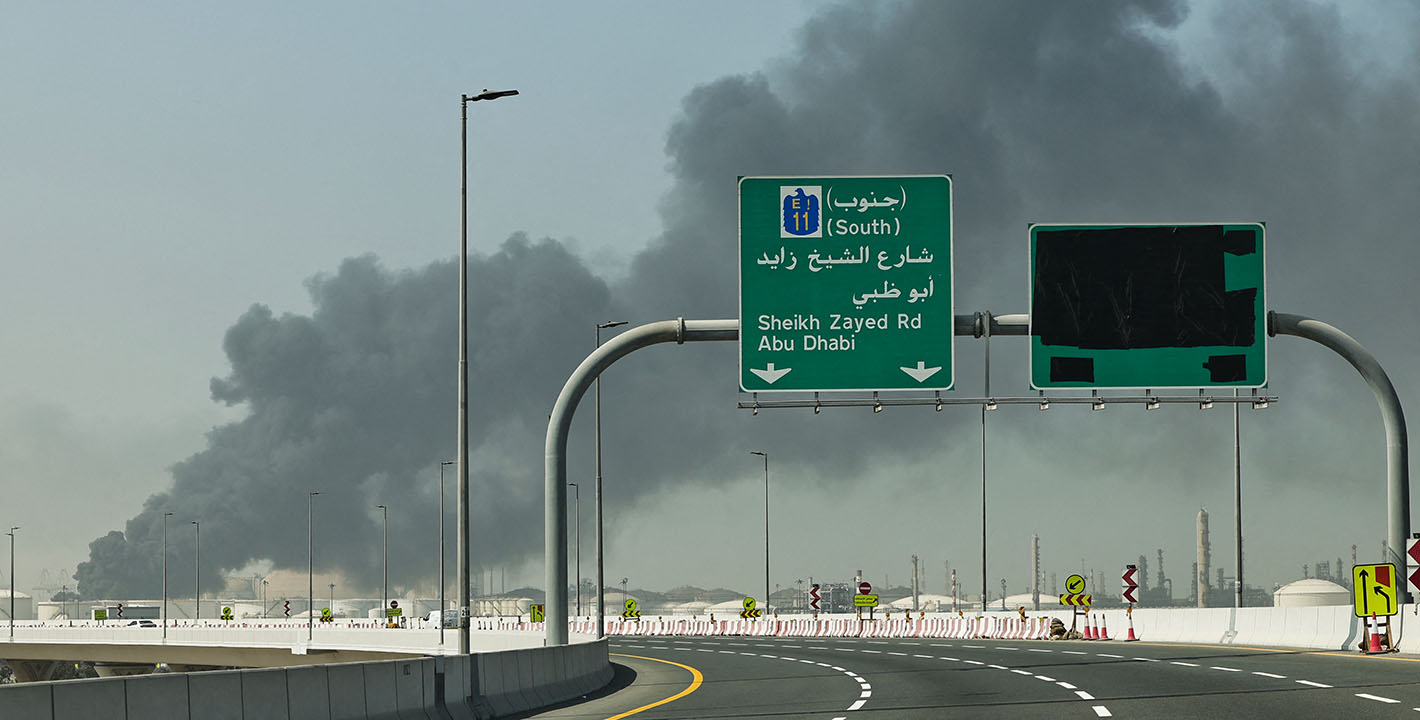
The countries in the region are managing the fallout from Iranian strikes in a paradoxical way.

Angie Omar
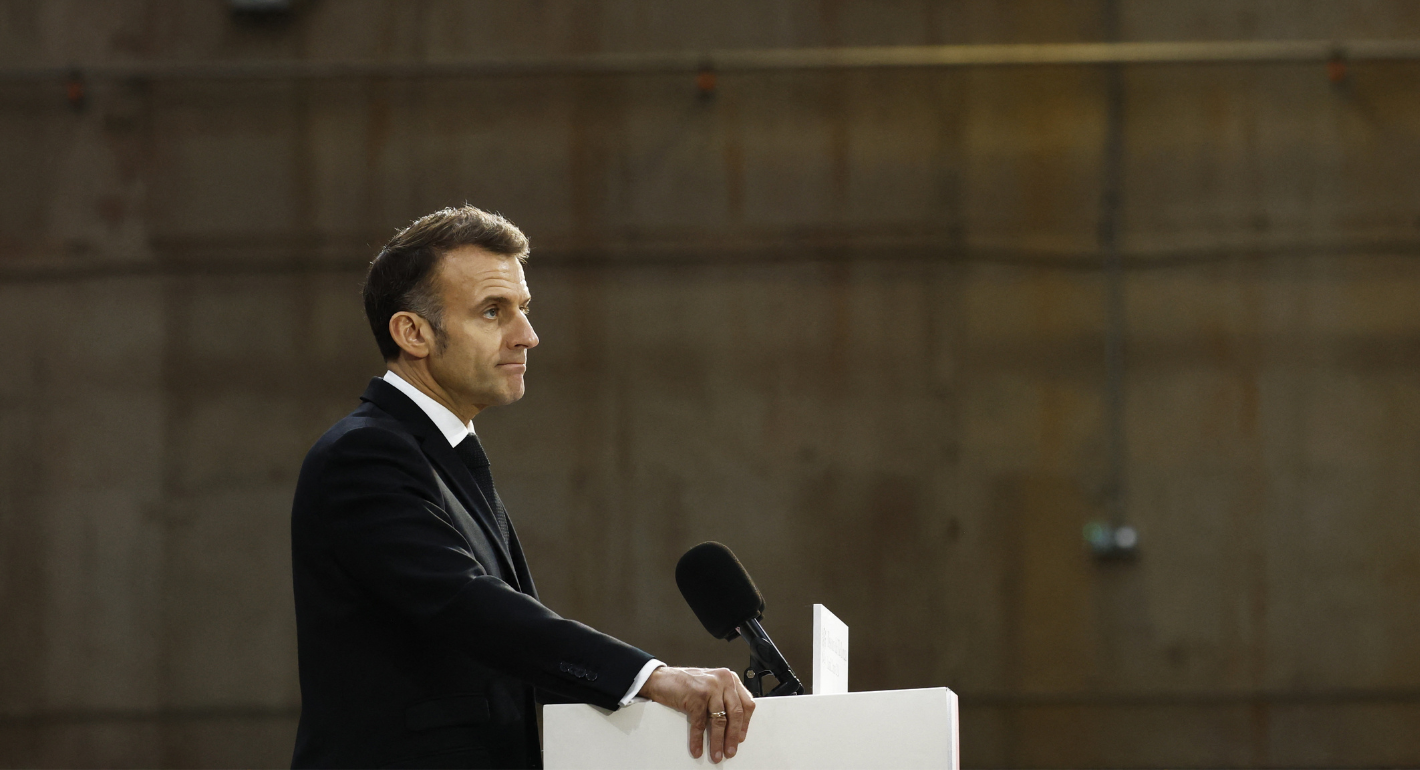
French President Emmanuel Macron has unveiled his country’s new nuclear doctrine. Are the changes he has made enough to reassure France’s European partners in the current geopolitical context?

Rym Momtaz, ed.
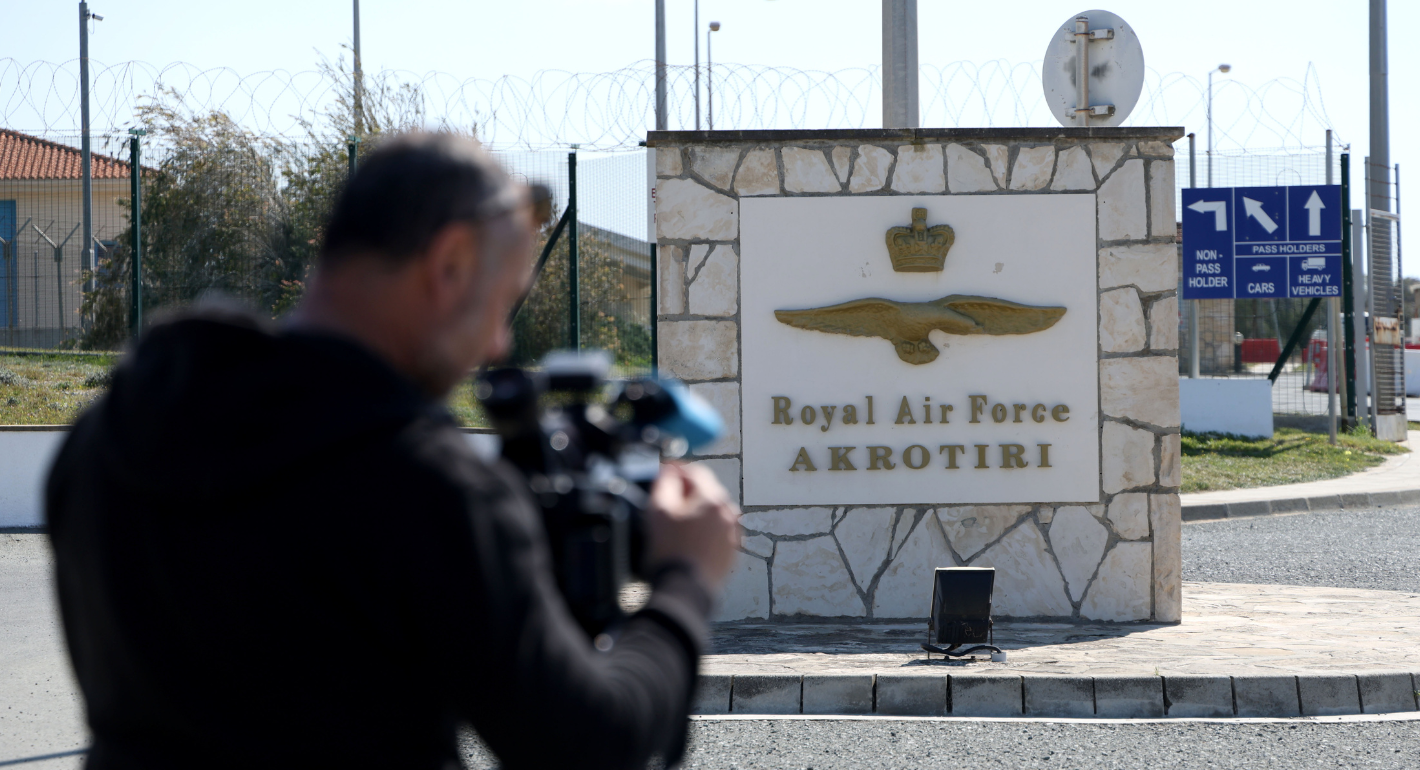
The drone strike on the British air base in Akrotiri brings Europe’s proximity to the conflict in Iran into sharp relief. In the fog of war, old tensions in the Eastern Mediterranean risk being reignited, and regional stakeholders must avoid escalation.

Marc Pierini