• Research
  • Emissary
  • About
  • Experts
Carnegie Global logoCarnegie lettermark logo
DemocracyIran
  • Donate
{
  "authors": [
    "Michael D. Swaine"
  ],
  "type": "legacyinthemedia",
  "centerAffiliationAll": "dc",
  "centers": [
    "Carnegie Endowment for International Peace"
  ],
  "collections": [],
  "englishNewsletterAll": "asia",
  "nonEnglishNewsletterAll": "",
  "primaryCenter": "Carnegie Endowment for International Peace",
  "programAffiliation": "AP",
  "programs": [
    "Asia"
  ],
  "projects": [],
  "regions": [
    "East Asia",
    "China",
    "North Korea"
  ],
  "topics": [
    "Nuclear Policy",
    "Nuclear Energy"
  ]
}
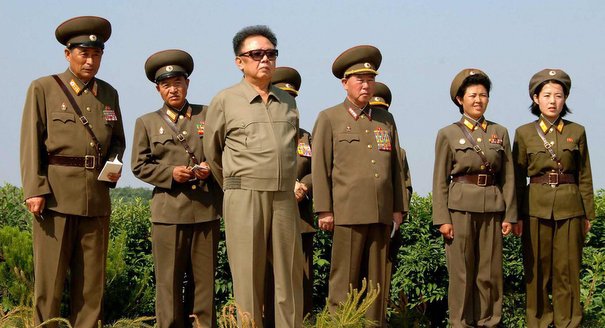
Source: Getty

In The Media

China's North Korea Dilemma

Since China’s core interests regarding North Korea have not changed, its highly risk-averse approach, which focuses on mediation and limited pressure, will probably continue.

Link Copied
By Michael D. Swaine
Published on Nov 24, 2009
Program mobile hero image

Program

Asia

The Asia Program in Washington studies disruptive security, governance, and technological risks that threaten peace, growth, and opportunity in the Asia-Pacific region, including a focus on China, Japan, and the Korean peninsula.

Learn More

Source: China Leadership Monitor

China's North Korea DilemmaEver since North Korea began to acquire the elements of a nuclear weapons program in the late ’80s—but especially since Beijing became mediator of the ill-fated Six Party talks in 2003—China's leadership has been faced with an exquisite dilemma: how to encourage or prod its strong-willed, highly volatile Stalinist neighbor to give up the bomb and open up to politically threatening reforms while sustaining the cooperation and support of a seemingly impatient, often internally divided and potentially threatening United States.  Judging by public PRC statements and commentary, Beijing has grown increasingly frustrated over its inability to persuade, cajole, or pressure its erstwhile North Korean friend and ally.  As a result, China's leaders have become more supportive of tougher international actions toward Pyongyang and less willing to silently endure, downplay, or excuse the North's vitriol and provocative behavior.  They appear more tolerant of harsh domestic criticisms of North Korea (and even of elements of Beijing's own approach), far less inclined to present themselves as the North's ally, and more willing to coordinate their approach openly with Washington, Japan, and South Korea.  Nevertheless, Beijing's core strategic interests, beliefs, and objectives, along with its suspicions and uncertainties with regard to Washington, almost certainly remain largely unchanged, and hence its highly risk-averse approach to maintaining stability remains paramount.  This article identifies the most salient elements of change and continuity in China's approach to North Korea in order to gain a more precise understanding of the range of interests, assumptions, fears, and hopes that will most likely influence the PRC leadership's future behavior.

About the Author

Michael D. Swaine

Former Senior Fellow, Asia Program

Swaine was a senior fellow at the Carnegie Endowment for International Peace and one of the most prominent American analysts in Chinese security studies.

    Recent Work

  • Other
    What Kind of Global Order Should Washington and Beijing Strive For?

      Michael D. Swaine

  • Commentary
    A Smarter U.S. Strategy for China in Four Steps

      Michael D. Swaine

Michael D. Swaine
Former Senior Fellow, Asia Program
Michael D. Swaine
Nuclear PolicyNuclear EnergyEast AsiaChinaNorth Korea

Carnegie does not take institutional positions on public policy issues; the views represented herein are those of the author(s) and do not necessarily reflect the views of Carnegie, its staff, or its trustees.
More Work from Carnegie Endowment for International Peace

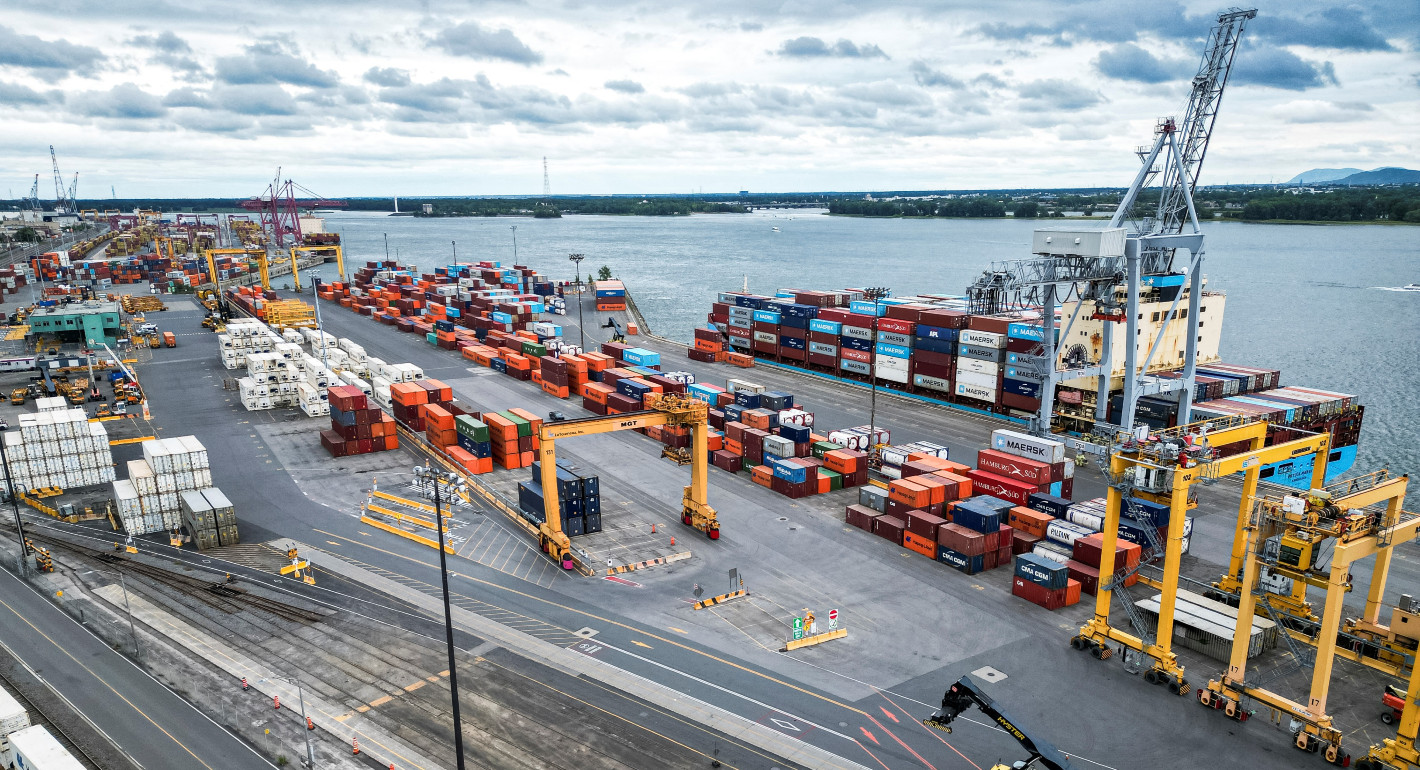
  • Aerial view of shipping containers at a port
    Commentary
    Emissary
    The Fallout of the U.S.–Canada Trade War Won’t Be Limited to North America

    U.S. trading partners in Asia are closely watching the dispute for signs of how it may affect their own interests.

      • Barbara Weisel

      Barbara Weisel

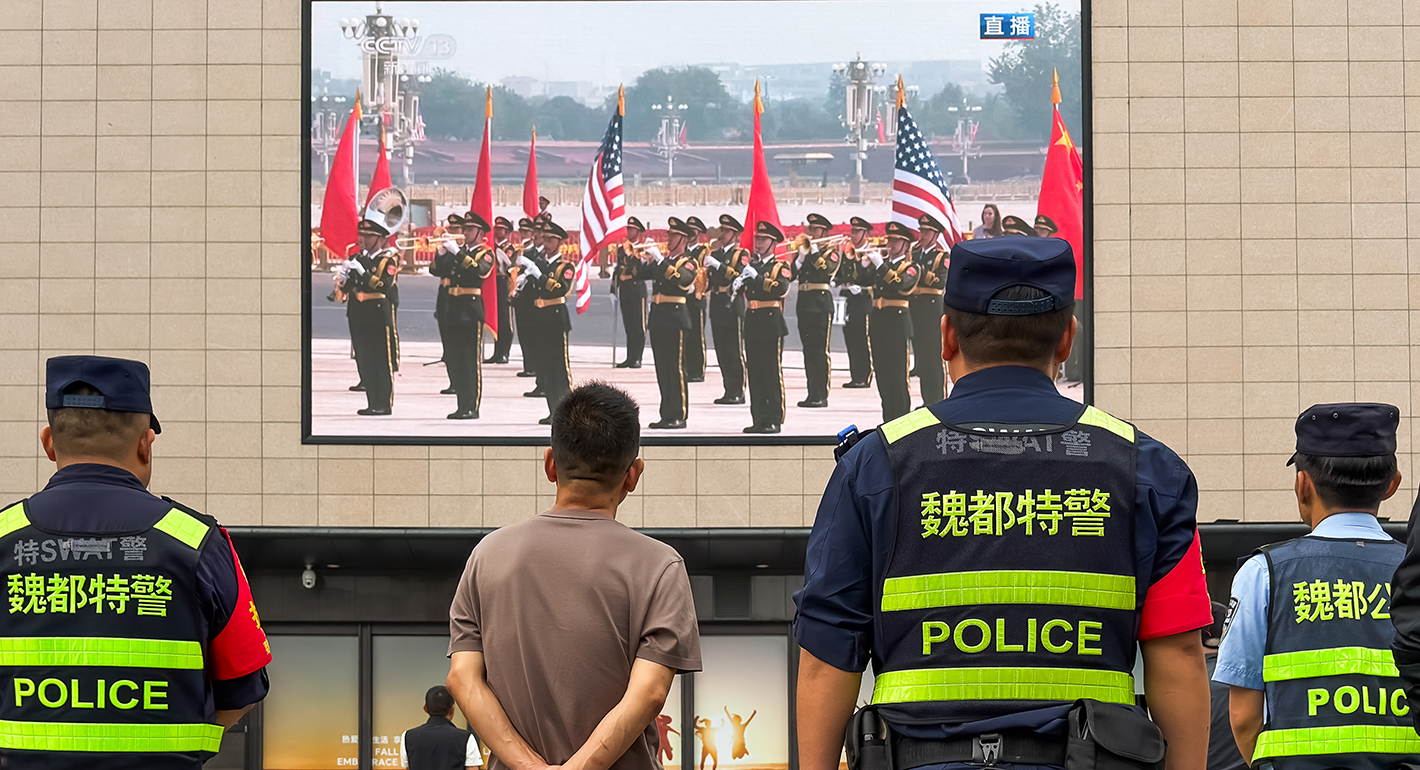
  • olice officers and residents stand in front of a shopping mall while a large outdoor screen broadcasts a military welcome ceremony featuring U.S. and Chinese flags for U.S. President Donald Trump hosted by Chinese President Xi Jinping at the Great Hall of the People on May 14, 2026
    Paper
    American Power: A View from China

    Chinese strategists are once again debating whether American power is declining and whether U.S. hegemony is experiencing irreversible decay.

      Wu Xinbo
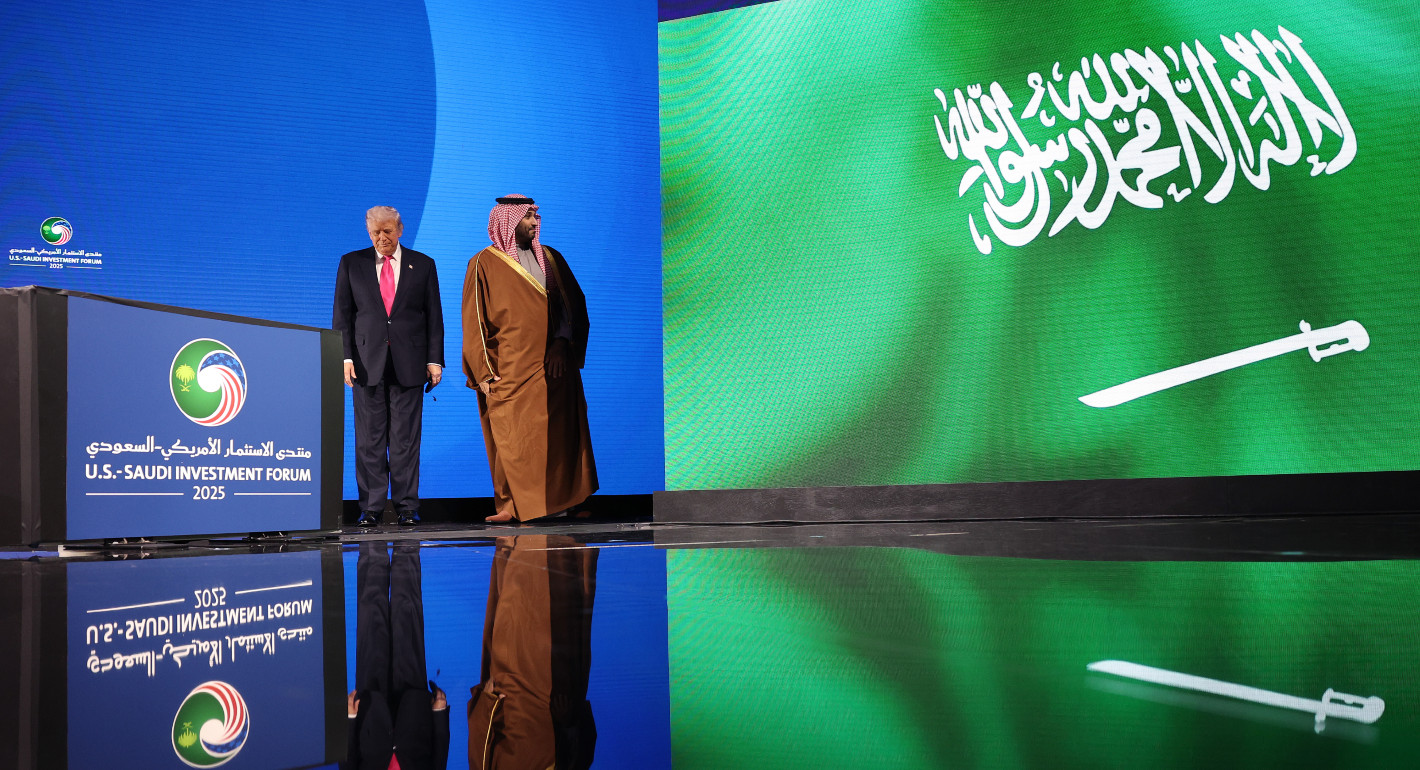
  • Trump and MBS walking across a stage
    Commentary
    Emissary
    Is the U.S.-Saudi Nuclear Deal Moving From the Gold Standard to a Gilded Standard?

    Congress should ask tough questions about the agreement’s more unique features and whether they advance U.S. interests or compromise them.

      • Jane Darby Menton

      Jane Darby Menton

  • Commentary
    Carnegie Politika
    As It Turns 25, the Shanghai Cooperation Organization Reflects the New World Order

    With the growth in points of friction between the great powers, organizations like the SCO will continue to play a role in the strategic adaptation of the smaller powers caught between them.

      Temur Umarov

  • People dancing in the foreground, with a group of people in suites watching and an Air China plane in the background
    Commentary
    Emissary
    The Two Key Takeaways From Xi’s Egypt Visit

    Amid celebrations of bilateral ties was a deeper focus on stability in the Middle East.

      Amr Hamzawy

Get more news and analysis from
Carnegie Endowment for International Peace
Carnegie global logo, stacked
1779 Massachusetts Avenue NWWashington, DC, 20036-2103Phone: 202 483 7600
  • Research
  • Emissary
  • About
  • Experts
  • Donate
  • Programs
  • Events
  • Blogs
  • Podcasts
  • Contact
  • Annual Reports
  • Careers
  • Privacy
  • For Media
  • Government Resources
Get more news and analysis from
Carnegie Endowment for International Peace
© 2026 Carnegie Endowment for International Peace. All rights reserved.