

Paper
Ashley J. Tellis
{
  "authors": [
    "Ashley J. Tellis"
  ],
  "type": "other",
  "centerAffiliationAll": "dc",
  "centers": [
    "Carnegie Endowment for International Peace"
  ],
  "collections": [],
  "englishNewsletterAll": "ctw",
  "nonEnglishNewsletterAll": "",
  "primaryCenter": "Carnegie Endowment for International Peace",
  "programAffiliation": "SAP",
  "programs": [
    "South Asia"
  ],
  "projects": [],
  "regions": [
    "North America",
    "United States",
    "South Asia",
    "India"
  ],
  "topics": [
    "Economy",
    "Climate Change",
    "Foreign Policy",
    "Nuclear Policy"
  ]
}
Source: Getty
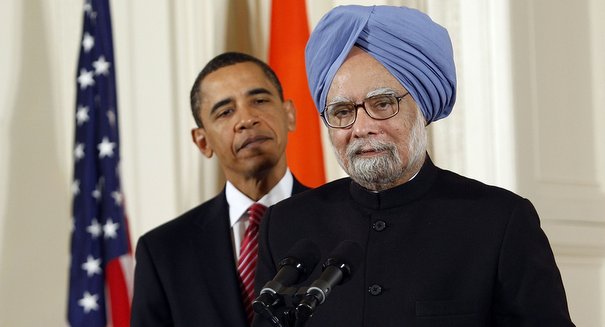
The United States and India should use Singh’s forthcoming visit to showcase the promise of bilateral cooperation and to foster enhanced partnership in key areas such as nonproliferation and climate change.
The Obama administration should announce its support for a permanent seat for India on the United Nations Security Council during Indian Prime Minister Manmohan Singh’s visit to the White House next week, contends a new policy brief by Ashley J. Tellis. Although it would produce no immediate results, the bold declaration would signal New Delhi’s growing importance to Washington, and the Obama administration’s recognition of the changing global center of gravity.
During Singh’s visit, both countries will likely announce new programs on areas ranging from agriculture and counterterrorism to medicine, energy, trade, and more. Tellis identifies two areas where cooperation will be most challenging, and most vital: nonproliferation and climate change.
Nonproliferation
Climate Change
Former Senior Fellow
Ashley J. Tellis was a senior fellow at the Carnegie Endowment for International Peace.
Recent Work
Ashley J. Tellis
Ashley J. Tellis
Carnegie does not take institutional positions on public policy issues; the views represented herein are those of the author(s) and do not necessarily reflect the views of Carnegie, its staff, or its trustees.
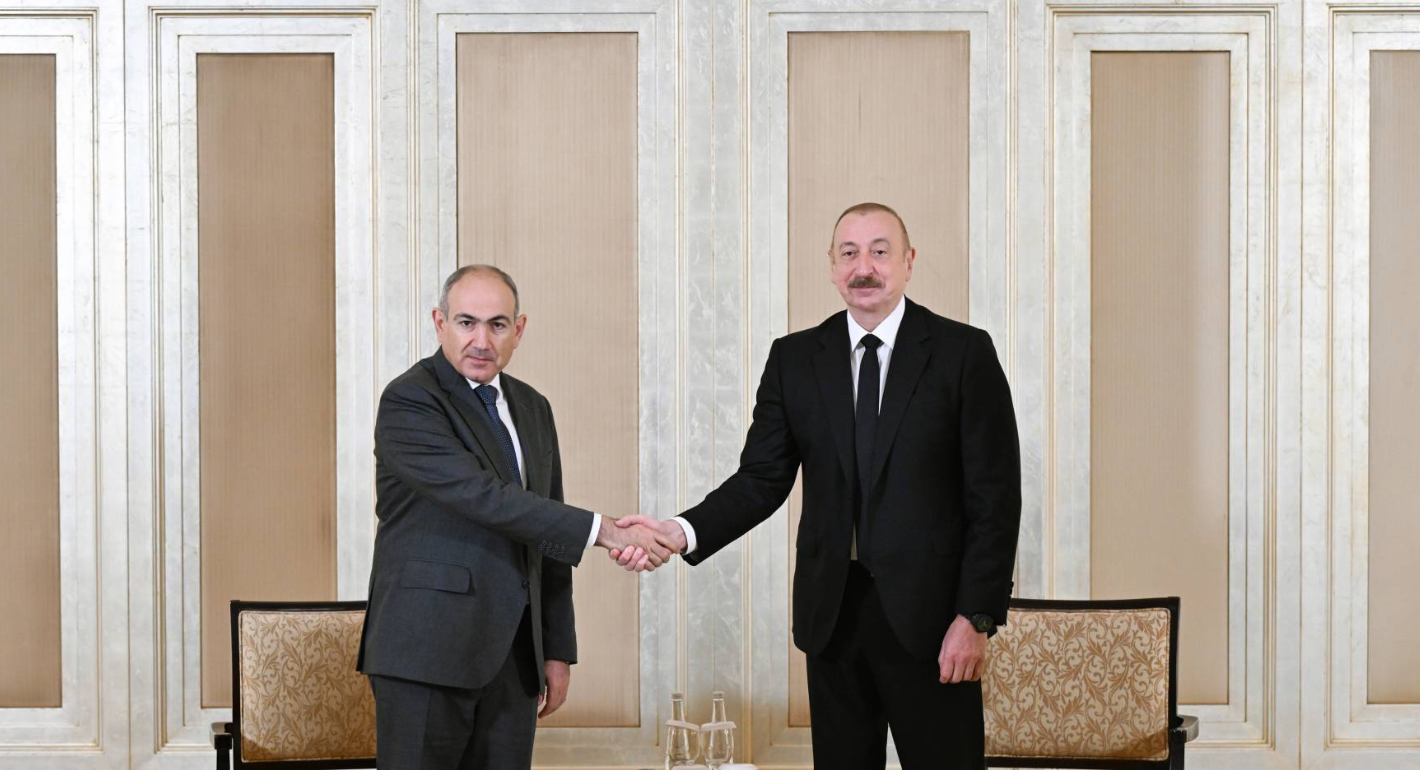
The U.S.-sponsored TRIPP deal is driving the Armenia-Azerbaijan peace process forward. But foreign and domestic hurdles remain before connectivity and economic interdependence can open up the South Caucasus.



Thomas de Waal, Areg Kochinyan, Zaur Shiriyev
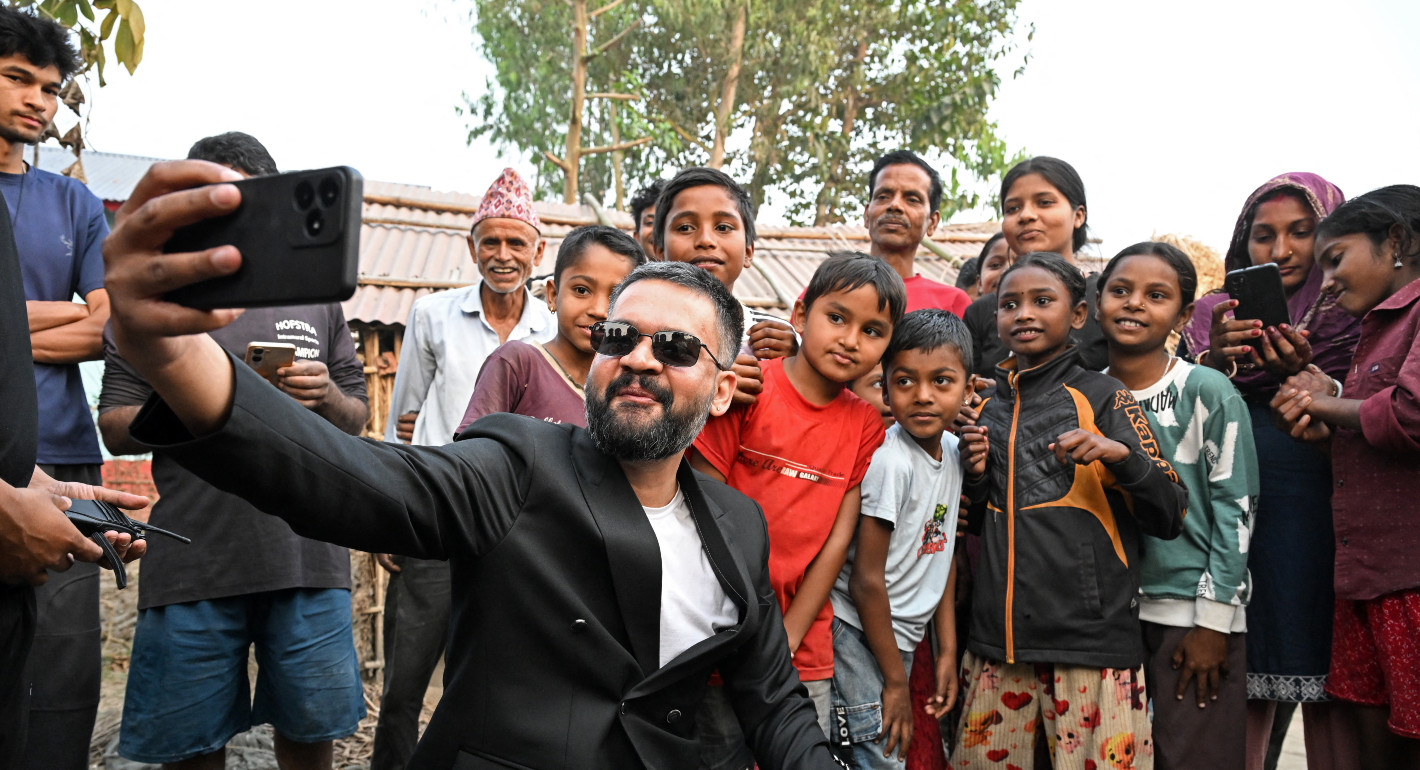
The incoming government has swept Nepal’s election. The real work begins now.
Amish Raj Mulmi
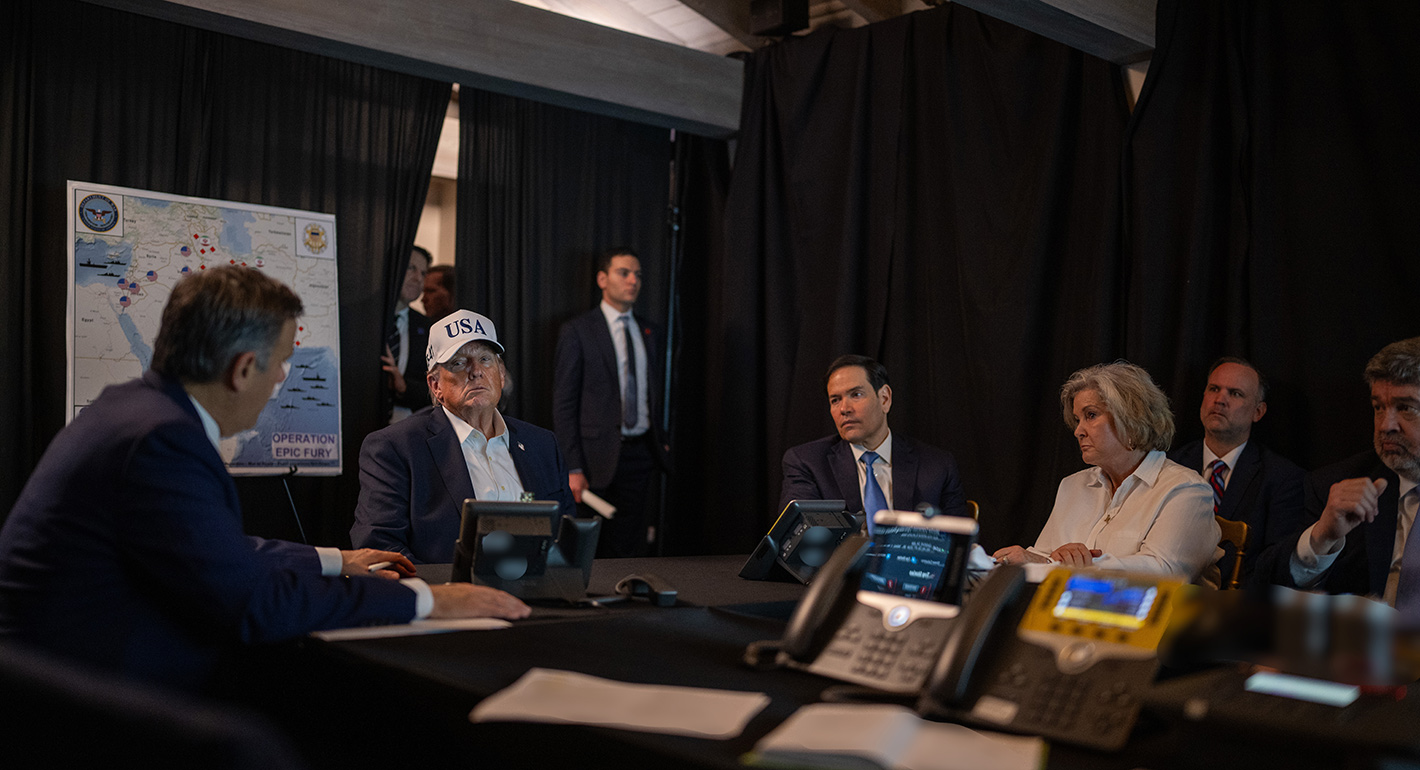
Assessing U.S. compliance with the international laws of war is essential at a time when these frameworks are already fraying.
Federica D’Alessandra
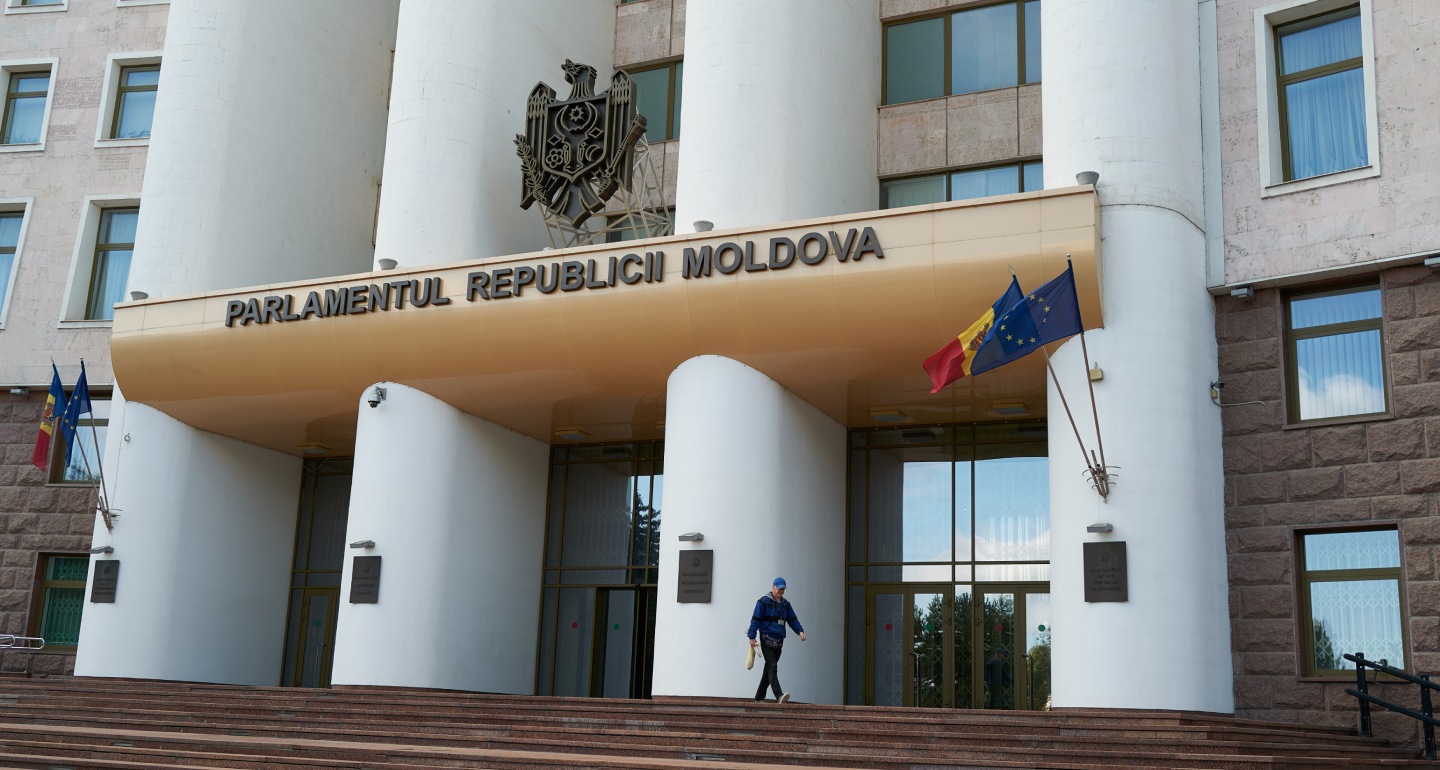
Moldova’s reintegration plan was drawn up to demonstrate to Brussels that Chișinău is serious about the Transnistria issue—and to get the West to react.

Vladimir Solovyov
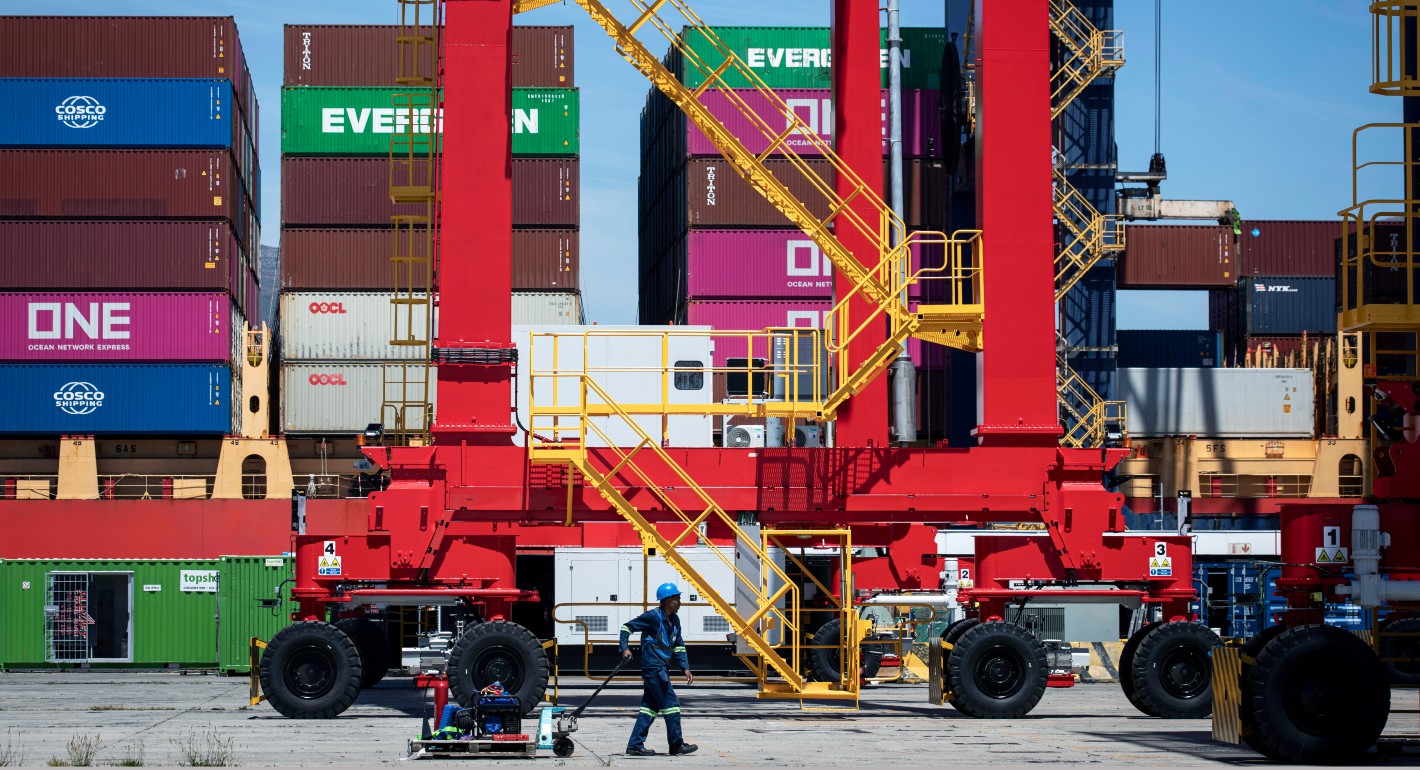
In key sectors such as critical minerals, specialty agriculture, and fintech, Africa can become a global powerhouse by investing more in manufacturing, value-add, and scaling.

Kholofelo Kugler, Georgia Schaefer-Brown