

Commentary
Hungarians head to the polls on April 12 for an election of national and European consequence. Three different outcomes are on the cards, each with their own implications for the EU.
Zsuzsanna Szelényi
{
  "authors": [
    "Henri J. Barkey",
    "Morton Abramowitz"
  ],
  "type": "legacyinthemedia",
  "centerAffiliationAll": "dc",
  "centers": [
    "Carnegie Endowment for International Peace",
    "Carnegie Europe"
  ],
  "collections": [
    "Turkey’s Transformation"
  ],
  "englishNewsletterAll": "menaTransitions",
  "nonEnglishNewsletterAll": "",
  "primaryCenter": "Carnegie Endowment for International Peace",
  "programAffiliation": "MEP",
  "programs": [
    "Middle East"
  ],
  "projects": [],
  "regions": [
    "Middle East",
    "Türkiye",
    "Europe"
  ],
  "topics": [
    "Political Reform"
  ]
}
Source: Getty
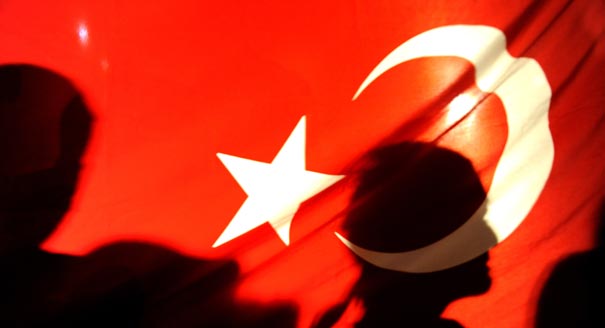
Turkey’s ruling party has an opportunity to free Turkey from a political system heavily influenced by the military and move towards a functioning democracy that could have an enormous impact on the entire region.
Source: Wall Street Journal

How this civil-military struggle evolves is critically important for Turkey's future, but also has global significance. If the ruling Justice and Development Party (AKP) is successful in tapering Turkey's escalating political polarization, avoiding petty religious issues, and enhancing its own democracy, the impact in the Islamic world, however intangible, could be enormous. Turkey's friends can help by both making it clear where they stand, and by holding AKP's feet to the fire.
Shortly after the 2002 AKP electoral victory, elements of the Turkish military, including senior commanders, began worrying that the AKP would transform Turkey from the secular democracy inherited from Ataturk to a more religious and authoritarian state. Some, as we now know, began plotting against the new government. Their fears turned out to be correct, not because the AKP has turned Turkey into an Islamic state—it has not and is not likely to—but because it has gone very far in eliminating the military's role in Turkish political life. That is an extraordinary achievement, although it is not AKP's alone. Rather, it is the result of a profound and long-coming societal change—namely, the emergence of a conservative and pious middle class.
Shaken by the arrests, a tough response from the Turkish military cannot be ruled out. Senior judges and prosecutors remain squarely in the military's camp even if their subordinates do not, and the military may rely on the Turkish judiciary to somehow check the AKP, as it has tried to do before. Even if that succeeds, it would be a Pyrrhic victory and, in the end, be unlikely to change the course of Turkish politics' steady civilianization. The Turkish military will, of course, not lose its importance. It is a formidable force in an unstable area and Turks cherish its patriotism and its contributions to the country's security. It will retain much of its independence and remain a thorn in the side of the AKP. But its days as a kingmaker of governments are coming to an end.
The military's past attempts at interfering in political issues, ranging from the selection of the president to judicial processes, have served to undermine its own legitimacy, while helping the AKP win a second electoral victory in 2007. Still, the paralysis and distraction engendered by the court cases against the military have also taken a toll on the AKP. The party remains the most popular and powerful, but it is more vulnerable than ever, with its poll numbers dropping.
The AKP has done much to modernize and democratize Turkey—something only a pious and conservative party could have achieved. However, its increasingly combative style and its modus operandi of picking domestic fights rather than carrying out meaningful economic and political reforms have helped reduce its popularity. Its all-powerful prime minister, Recep Tayyip Erdogan, has turned into an increasingly authoritarian leader, contemptuous of criticism. Mr. Erdogan's proclaimed activist foreign policy in the Middle East, especially his softness on the Iranian nuclear program and harshness on Israel, has won him domestic and occasional foreign plaudits, but it has also contributed to his sense of invincibility. Neither will his international efforts, however popular at home, compensate for rising unemployment and stalled reform efforts. A party cannot live by foreign policy alone, especially when it also sets the stage for serious overreaching and the alienation of friends and allies. Mr. Erdogan's remarkable outburst threatening to expel all "100,00 Armenians living illegally in Turkey" in retaliation for the adoption of resolutions in some countries recognizing the 1915 Armenian Genocide, is likely to call into question Turkey's sincerity in reconciling with its neighbor Armenia, and has even earned him criticism at home.
Turks will make up their own minds about how to deal with the AKP. Turkey's tragedy has been the absence of a serious opposition to challenge the AKP. The resulting vacuum has usually been filled by the military. The inability of the opposition to focus effectively on economic or judicial reforms may be a major boon to the ruling party, but it has seriously undermined Turkish democracy.
Despite Turkey's impressive strides under AKP rule and the praise it has received from the West, the U.S. and other Western countries still have to put their money where their mouths are. While a genuinely free-market party, the AKP is not a liberal party in the traditional sense—Mr. Erdogan rules his party with an iron fist. Nor does the AKP appear to have much time for the needs of those who oppose it. It has ignored the legitimate fears of pro-secular groups, especially women, and it is intent on subduing the media rather than reforming it. It has also yet to effectively tackle the major cleavages in Turkish life: It made a start on the Kurdish issue but has lost its appetite; has long ignored the need to overhaul its authoritarian constitution and unfair election practices; and has failed to make clear to the public whether it is a truly secular party, as it proclaims.
Turkey will only move forward if the AKP reshapes itself and acts on its promises to make Turkey a better-functioning democracy. That will not be easy, since politics in Turkey have been a zero-sum game this past decade. The West has praised the AKP until now, but it does Turks no favors by shying away from declaring that major changes are essential for Turkey to be a part of the EU and the wider democratic world. If the AKP doesn't hear and heed that message, it may engender precisely what Turkey's Western friends would loathe to see: The re-emergence of an authoritarian society, or even the military's political comeback.
Mr. Abramowitz, a senior fellow at the Century Foundation, was American Ambassador to Turkey from 1989 to 1991. Mr. Barkey is a visiting fellow at the Carnegie Endowment for International Peace and a professor of international relations at Lehigh University.
This piece was originally published in the Wall Street Journal.

Former Visiting Scholar, Middle East Program
Barkey served as a member of the U.S. State Department Policy Planning Staff, working primarily on issues related to the Middle East, the Eastern Mediterranean, and intelligence from 1998 to 2000.
Morton Abramowitz
Carnegie does not take institutional positions on public policy issues; the views represented herein are those of the author(s) and do not necessarily reflect the views of Carnegie, its staff, or its trustees.
Hungarians head to the polls on April 12 for an election of national and European consequence. Three different outcomes are on the cards, each with their own implications for the EU.

Zsuzsanna Szelényi
Not only does the fighting jeopardize regional security, it undermines Russian attempts to promote alternatives to the Western-dominated world order.

Ruslan Suleymanov
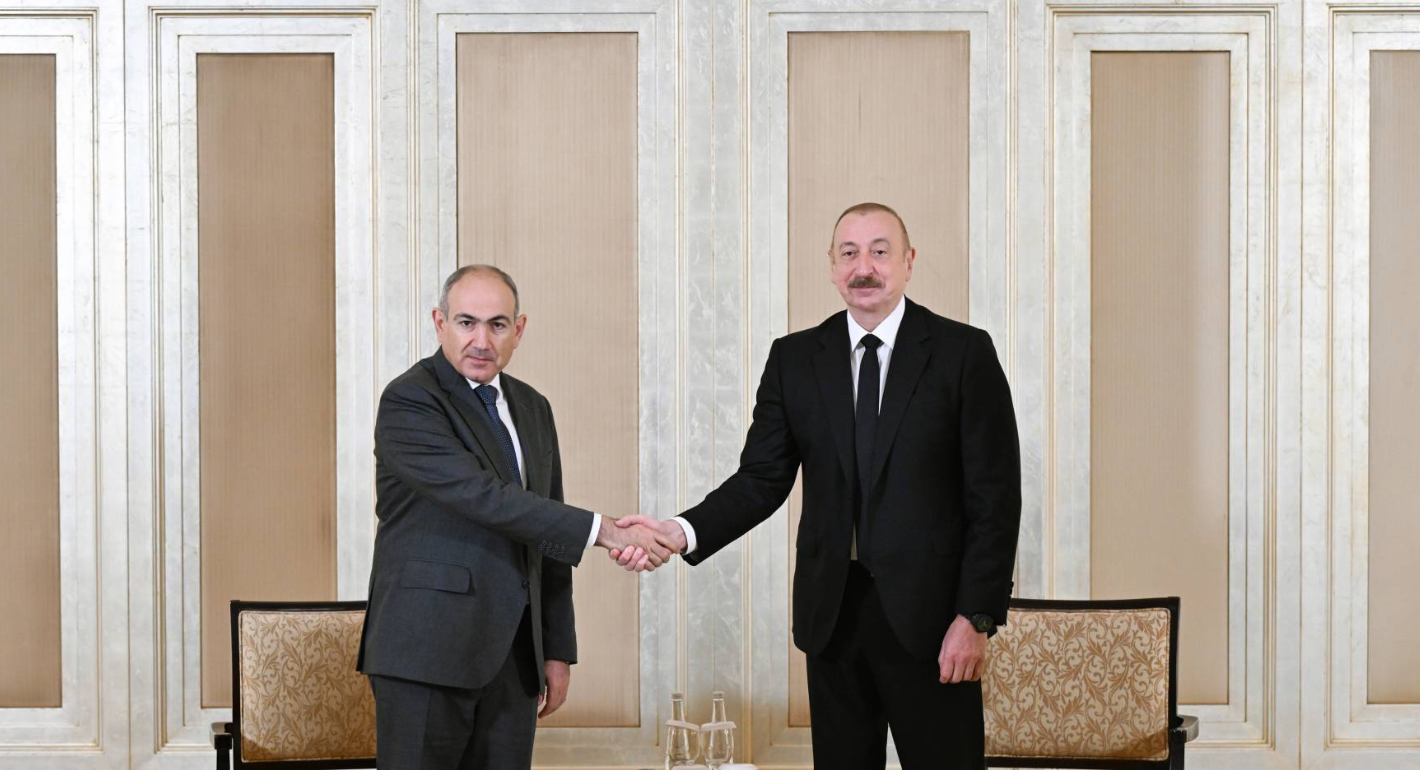
The U.S.-sponsored TRIPP deal is driving the Armenia-Azerbaijan peace process forward. But foreign and domestic hurdles remain before connectivity and economic interdependence can open up the South Caucasus.

Thomas de Waal, Areg Kochinyan, Zaur Shiriyev
The incoming government has swept Nepal’s election. The real work begins now.
Amish Raj Mulmi
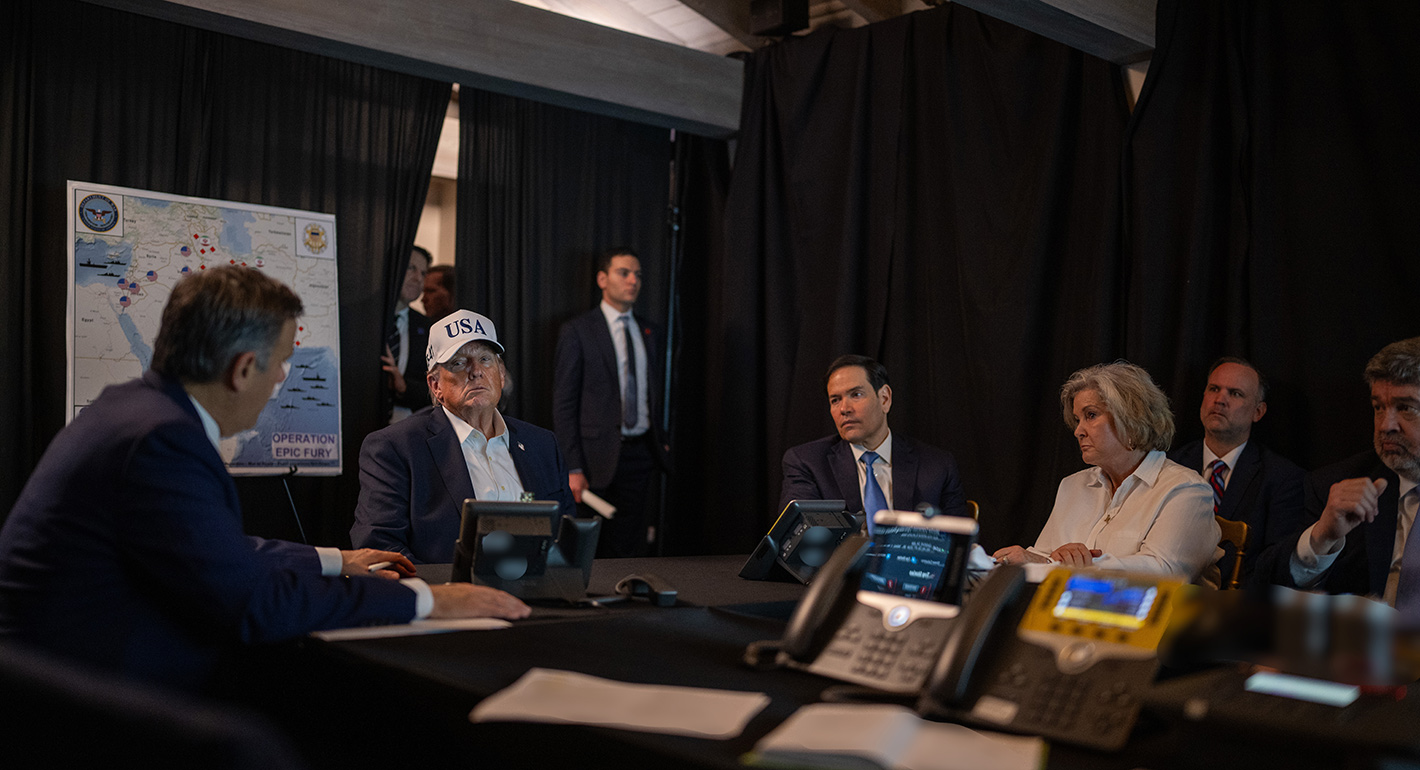
Assessing U.S. compliance with the international laws of war is essential at a time when these frameworks are already fraying.

Federica D’Alessandra